
I spent years watching my patio pots crisp up by July. Full sun hits hard where I live. Six hours of direct light turns most pretty combinations into sad, leggy messes. That changed the season I finally stopped guessing and started treating flower pot arrangements full sun container plants like a system instead of a wish.
I still plant the same way every spring. One tall plant for height. A few mid-level bloomers to fill. Trailers that cascade over the rim. The difference is I only use plants that laugh at heat and dry soil. My pots stay full and colorful straight through August now. Here’s exactly how I do it.
Why Most Full Sun Container Arrangements Fail Fast
Containers dry out faster than garden beds. Roots sit in a closed space with no cool earth around them. Afternoon sun bakes the sides of the pot. Water evaporates. Nutrients wash away with every heavy drink.
I learned this the expensive way. One year I filled three big pots with plants that looked perfect at the nursery. Two weeks later half of them had wilted beyond recovery. The survivors looked sparse and sun-bleached.
Honestly? The plants themselves weren’t the problem. I had chosen the wrong ones for the conditions. Once I switched to true full-sun specialists, everything shifted.
The Simple Formula I Use for Every Pot
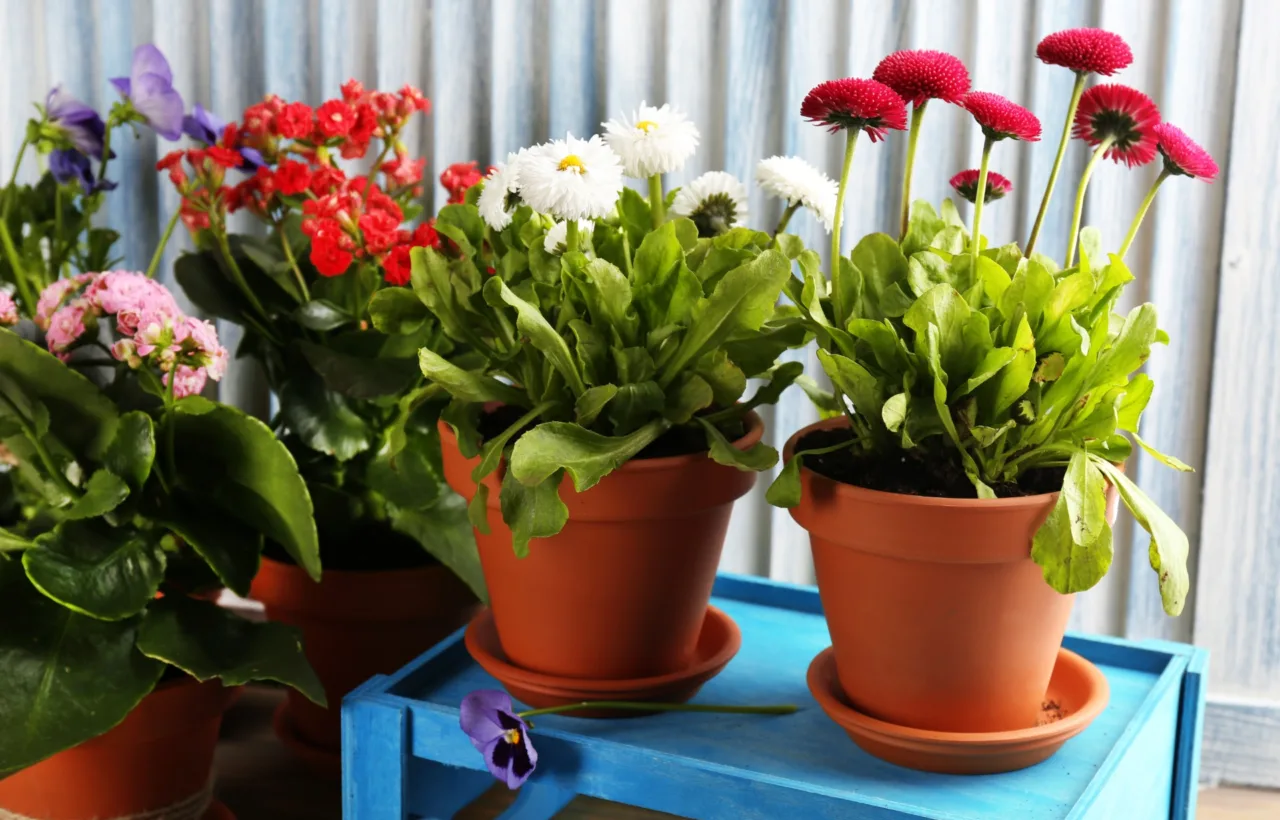
I stick to the classic structure. Thriller in the center or back. Fillers around it. Spillers draping the edges.
This keeps the arrangement balanced even when individual plants grow at different rates. It also creates natural shade for the soil surface, which slows evaporation.
Here’s how I pick each role:
- Thriller: Something upright that reaches 18 to 36 inches. Purple fountain grass, compact cannas, or a tall salvia.
- Filler: Bushy plants that bloom nonstop and stay under 18 inches. Petunias, geraniums, lantana, or zinnias.
- Spiller: Trailers that soften the pot edge. Calibrachoa, sweet potato vine, creeping Jenny, or portulaca.
I never plant more than five or six plants in a 16-inch pot. Crowding leads to competition for water and roots that circle the container walls.
My Top Full Sun Container Plants That Never Quit
These are the ones that earn space in my pots year after year. I grow them in everything from simple clay to self-watering plastic.
Petunias and Supertunias
I plant Wave or Supertunia varieties almost every season. They bloom from the day I set them out until frost. The self-cleaning types save me from constant deadheading. In full sun they stay compact instead of stretching. I water them deeply when the top inch of soil feels dry and feed with a diluted bloom booster every two weeks.
Lantana
This plant handles neglect better than almost anything else I grow. The clusters of tiny flowers keep coming even when I forget a watering or two. Butterflies show up daily. I use the compact varieties so they don’t overtake the pot. Bright yellow and orange ones pair well with purple spillers.
Geraniums
Classic for a reason. The zonal types give solid color blocks. I prefer the ones with scented leaves because they add another layer of interest when I brush past. They actually prefer the soil to dry a bit between drinks, which matches full-sun conditions perfectly.
Calibrachoa (Million Bells)
These little bells cascade like water. One plant can cover half the rim of a large pot by midsummer. They need consistent moisture but hate sitting wet, so good drainage is non-negotiable. I treat them as both filler and spiller depending on the pot size.
Purple Fountain Grass
My favorite thriller. The burgundy blades move in the slightest breeze and give height without blocking the shorter flowers. It stays tidy and rarely needs staking. I pair it with red or pink fillers for contrast.
Portulaca and Marigolds
When the heat turns extreme, these two keep going. Portulaca opens its flowers only in bright sun and closes them at night. Marigolds repel some pests and add that cheerful orange or yellow punch. Both handle dry soil better than most annuals.
Zinnias and Salvia
Zinnias give bold daisy shapes in every color. The newer disease-resistant series keep blooming without powdery mildew. Salvia spikes attract hummingbirds and hold their color even in the hottest afternoons.
Color Combinations That Work in Real Sun
I stopped chasing complicated schemes years ago. Three colors max keeps the pot from looking chaotic once plants fill in.
My current favorites:
- Hot and sunny: Orange marigolds, red geraniums, yellow portulaca. The whole pot glows.
- Cool contrast: Purple fountain grass, deep purple petunias, silver dichondra or white alyssum.
- Soft pastels: Pink lantana, light pink calibrachoa, pale lavender verbena.
- Monochrome punch: All reds or all yellows with different textures. One tall grass, mounding flowers, and a trailing vine in the same color family.
I plant denser on the sunny side of the pot. The plants on the west-facing edge take more heat and need a bit more bulk to look balanced.
How I Plant and Care for Full Sun Arrangements
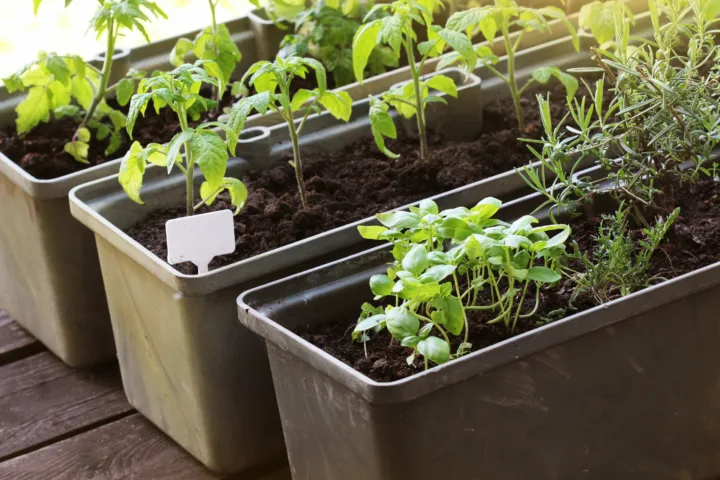
I start with a pot that has drainage holes. No exceptions. I fill it with a quality potting mix that includes perlite or bark for drainage. Garden soil stays out. It compacts and holds too much water.
I place the thriller first, slightly off-center if the pot will be viewed from one side. Then I tuck the fillers around it, leaving space for roots to expand. Spillers go last, right at the rim so they can hang immediately.
Watering is the make-or-break step. In peak summer I check pots every morning. If the soil feels dry two inches down, I water until it runs out the bottom. Midday wilting is normal for some plants and they bounce back by evening. Evening watering is better than morning if I can manage it. Less evaporation.
I fertilize lightly every 10 to 14 days with a water-soluble formula higher in phosphorus. Too much nitrogen pushes leaves instead of flowers.
Deadheading keeps things neat, but many of the newer varieties don’t need it. I still pinch back leggy stems once or twice a season to force bushier growth.
Common Mistakes I Still See (and Used to Make)
People plant shade-tolerant plants in full sun and hope for the best. Coleus and impatiens look great for a week, then burn. Stick to true sun lovers.
Overcrowding is another trap. A pot that looks sparse the first week will look perfect by July. Give roots room.
Ignoring the pot material matters. Dark plastic heats up faster than light-colored ceramic or terra cotta. I use lighter pots on the hottest exposures.
Skipping the spiller leaves the arrangement looking unfinished. The cascade softens the hard edge of the container and hides the soil surface.
Frequently Asked Questions
How often should I water flower pot arrangements full sun container plants in peak summer? I check daily and water when the top two inches feel dry. In extreme heat that can mean every day for smaller pots. Larger containers hold moisture longer.
Can I mix perennials and annuals in the same full sun pot? Yes. I often use a perennial grass or lavender as the thriller and fill with annuals. Just make sure the perennial is container-friendly and won’t outgrow the space in one season.
What’s the best pot size for a mixed full sun arrangement? I start with 14 to 18 inches in diameter for three to five plants. Anything smaller dries out too fast and limits root space.
Do full sun container plants need special soil? Regular potting mix works if it drains well. I avoid mixes heavy on peat because they can stay soggy. A bag labeled for containers or outdoor use is usually fine.
Which plants attract the most pollinators in full sun pots? Lantana, salvia, and pentas bring the butterflies and hummingbirds. I always include at least one of those in my arrangements.
Final Thoughts from My Patio
I walk outside most evenings and just look at the pots. The colors hold. The shapes stay full. The heat that used to defeat me now just feels like another day of growth.
Start with one solid thriller, a couple of reliable fillers, and a trailer that spills. Choose plants that already love the sun instead of fighting it. Water deeply and feed lightly. That’s the whole system.
My pots prove it every summer. Yours can too. Go plant something that thrives.