
I started growing food in pots because my apartment balcony measured eight feet by four. No yard. No raised beds. Just concrete and a railing that caught every breeze. I wanted salad and tomatoes without driving to the store every other day. That search for easy container gardening vegetables changed how I eat.
Honestly? My first season was a mess. I killed two tomato plants and watched lettuce bolt in a week. Then I figured out what actually thrives in limited space. Now I harvest almost daily from May through October. You can too.
Why I Chose Containers Over Anything Else
Space was the obvious reason. But containers gave me control I never had in the ground. I move pots to chase sun. I pull them under the overhang when storms hit. Soil stays cleaner. Weeds stay rare.
I learned the hard way that regular garden soil turns to concrete in pots. I use bagged potting mix every time. It drains. It holds moisture without drowning roots. I mix in a slow-release fertilizer at planting and top up with liquid feed every two weeks once plants take off.
Sun matters more than people admit. Most fruiting plants need six hours minimum. Leafy greens forgive partial shade. I track the light on my balcony with a free phone app for one week before I plant anything. That single habit cut my failure rate in half.
My Top Easy Container Gardening Vegetables
I stick to varieties labeled bush, patio, dwarf, or compact. Full-size vines take over and produce less per square foot in a pot. Here is what consistently works for me.
Leafy Greens That Grow Fast
Lettuce tops my list. I sow leaf types every two weeks in shallow pots six to eight inches deep. Black Seeded Simpson and Red Sails give me cut-and-come-again leaves in under a month. Spinach and arugula follow the same pattern. I keep them in the cooler corners of the balcony once summer heat arrives. They bolt less that way.
Swiss chard holds up better in heat. One plant in a two-gallon pot feeds me for weeks. Bright Lights variety looks pretty and tastes mild.
Quick Roots for Instant Wins
Radishes deliver the fastest payoff. Cherry Belle goes from seed to plate in twenty-five days. I plant them in any container at least six inches deep and thin hard so the roots swell. I eat them while they are still mild.
Carrots need deeper pots. I choose short varieties like Thumbelina or Little Finger. Twelve inches of depth is enough. I keep the soil evenly moist and harvest when the shoulders show orange. Fresh container carrots taste sweeter than anything I buy.
Beets work the same way. Ruby Queen stays compact. I plant them two to three inches apart and pull baby ones early.
Fruiting Plants That Earn Their Space
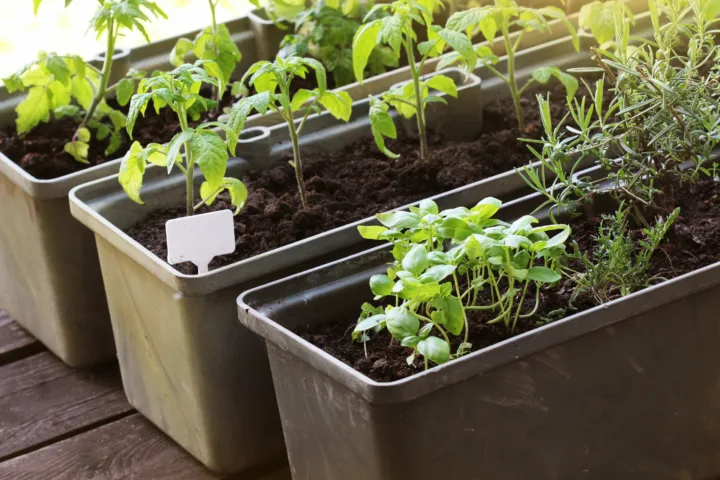
Cherry tomatoes are my pride. I grow one plant per five-gallon pot minimum. Patio Princess and Tumbling Tom stay manageable. I stake them the day I plant. Consistent water prevents blossom-end rot. I feed every ten days once flowers appear. One plant can give me a pint of fruit a week at peak.
Peppers love the heat that builds in dark plastic pots. I use five-gallon containers for both sweet and hot types. Lady Bell and jalapeños perform best for me. They need full sun and steady moisture. I harvest the first peppers green to keep the plant producing.
Bush beans surprise people. Provider or Contender in a long window box or five-gallon tub give me handfuls every few days. No trellis required. I plant succession crops every three weeks until midsummer.
Cucumbers stay possible if I pick bush types. Salad Bush or Spacemaster fit a five-gallon pot. I give them a small cage. Fruit comes fast and stays crisp.
Container Sizes I Actually Use
Size mistakes kill more plants than pests. I keep this mental chart:
- One to two gallons: radishes, green onions, leaf lettuce, herbs
- Three gallons: beets, short carrots, spinach, chard
- Five gallons: tomatoes, peppers, eggplant, bush beans, bush cucumbers
- Ten gallons or bigger: full-size determinate tomatoes or multiple plants of smaller crops
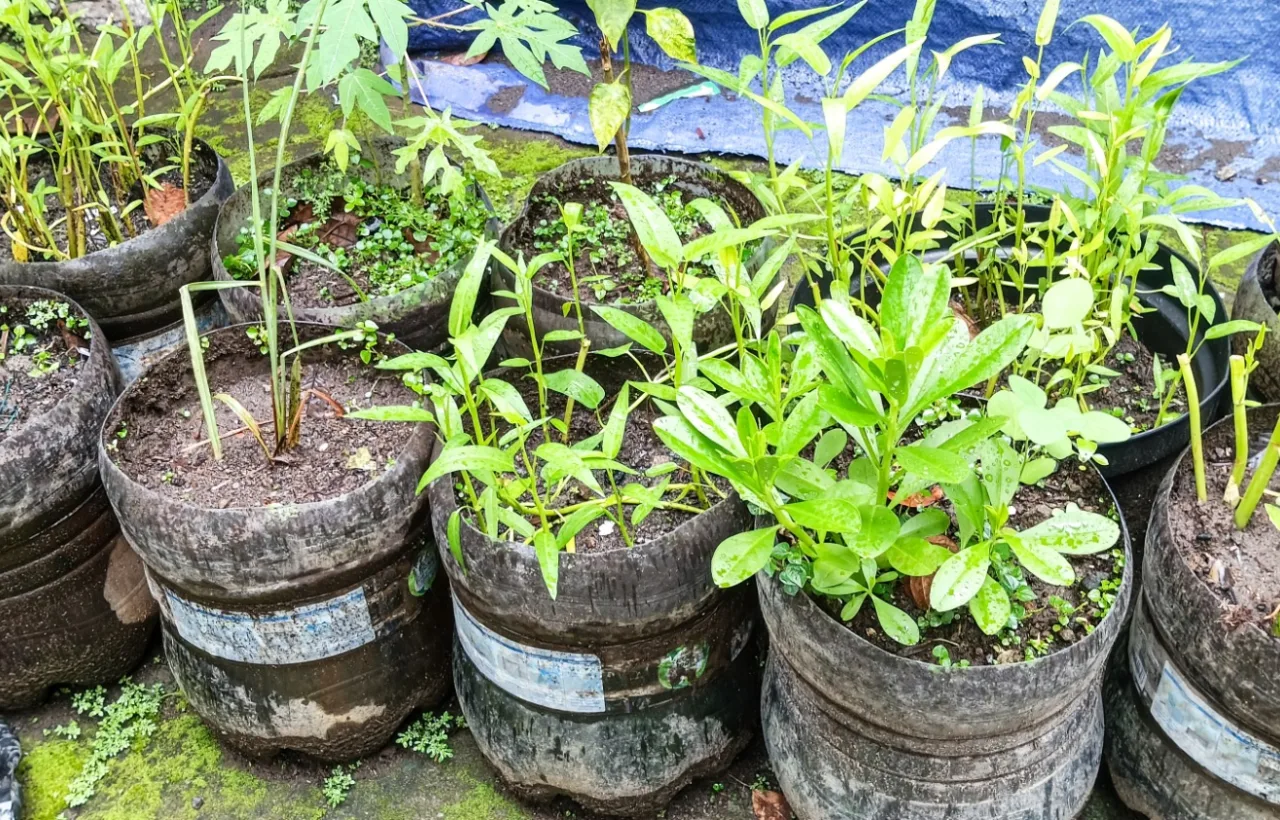
Fabric grow bags work well because they air-prune roots. Plastic pots hold moisture longer in hot weather. I drill extra drainage holes in anything that looks questionable. Standing water ends plants fast.
Soil, Water, and Feeding Habits That Keep Plants Alive
I fill pots to within an inch of the rim with quality potting mix. I never reuse soil from a previous season without refreshing it with compost and fertilizer. Old mix runs out of nutrients and can harbor disease.
Watering is the daily chore. Containers dry out faster than ground soil. I check by sticking a finger two inches down. If it feels dry, I water until liquid runs from the bottom. Early morning is best. Afternoon heat stresses plants that already sit in hot pots.
I fertilize more often than in-ground gardens. Slow-release pellets at planting cover the first month. After that I switch to a balanced liquid fertilizer diluted to half strength every two weeks. Fruiting plants get a boost higher in phosphorus once flowers form.
Common Problems I Solved the Hard Way
Aphids showed up on my first pepper plants. I blasted them with a strong spray of water every morning for three days. They left. For bigger infestations I use insecticidal soap, but I rarely need it now.
Blossom-end rot on tomatoes taught me about calcium and consistent moisture. I never let the pots swing from bone dry to soaked. Even watering fixed it.
Bolting lettuce frustrated me until I learned to plant in partial shade once temperatures climb past seventy-five degrees. I also choose heat-tolerant varieties.
Pots tip over in wind. I place heavier ones against the wall and use bricks under lighter ones for stability. Simple, but it works.
How I Plan Successive Harvests
I never plant everything at once. Early spring brings peas, spinach, and radishes. Late spring adds tomatoes and peppers. Summer is beans and more greens in cooler spots. Fall brings a second round of lettuce and kale.
I keep a notebook with planting dates and days to harvest for each variety. That record stops me from guessing. When one crop finishes I pull it, refresh the soil, and sow the next. Empty pots are rare on my balcony from April to November.
Tools and Supplies That Made Life Easier
A simple watering can with a long spout reaches the back of the balcony. A soil moisture meter removed the guesswork for the first two seasons. Now I trust my finger more. Cheap tomato cages from the hardware store last years if I store them dry.
I buy seed packets in small quantities so they stay fresh. Transplants from the local nursery give me a head start on tomatoes and peppers. I harden them off for a week before they live outside full time.
Frequently Asked Questions
What are the easiest container gardening vegetables for complete beginners? Radishes, leaf lettuce, and bush beans. They germinate fast, need little space, and forgive most mistakes. I still start every new gardener with those three.
How often should I water easy container gardening vegetables? Check daily in hot weather. Water when the top two inches of soil feel dry. Containers lose moisture faster than garden beds, so plan on more frequent attention.
Can I grow easy container gardening vegetables in partial shade? Yes for leafy greens and some root crops. Fruiting plants like tomatoes and peppers need at least six hours of direct sun. I move pots around to match their needs.
What size pot do I need for tomatoes? Five gallons is the absolute minimum for a determinate or patio variety. Ten gallons gives better yields and more forgiveness if you miss a watering.
Do I need special soil for container vegetables? Yes. Use potting mix, never garden soil. It drains properly and stays lighter. I amend it with compost at planting for extra nutrition.
I still check my plants every morning with coffee in hand. Some days the harvest is just a handful of radishes. Other days I fill a bowl with tomatoes and greens. That small daily ritual keeps me connected to what I eat.
Start with two or three pots this weekend. Pick the vegetables you already buy most often. Give them the right size container, decent mix, and consistent water. You will taste the difference within a month. I still do.