
I spent three summers staring at a bare concrete balcony and feeling stuck. Then I started collecting container ideas for plants the hard way, through trial, error, and a few drowned basil plants. Now that same space produces herbs, cherry tomatoes, and enough trailing petunias to make the neighbors slow down when they walk by. This is what actually worked for me.
I write this as someone who still kills the occasional plant. I do not claim perfection. I just keep showing up with dirt under my nails and a stubborn streak.
Why I Stopped Buying Fancy Pots and Started Looking Differently
My first mistake was thinking I needed matching ceramic sets. I bought three identical pots that cost more than I care to admit. Two cracked in the first freeze. One sat empty because the drainage hole was basically a suggestion.
See, the real shift happened when I stopped shopping and started scavenging. Old boots. A cracked colander. A wooden crate the grocery store was tossing. Those pieces taught me more than any glossy catalog ever did.
Honestly? The best containers often hide in plain sight. They already have character. They force you to solve problems instead of just spending money.
Classic Materials That Still Earn Their Keep
I keep a mix of traditional pots because some jobs demand them. Here is what I reach for most:
- Terracotta: These breathe. Roots stay cooler in heat. I use them for Mediterranean herbs like rosemary and thyme. They dry out fast, so I water more often. Worth it for the look and the airflow.
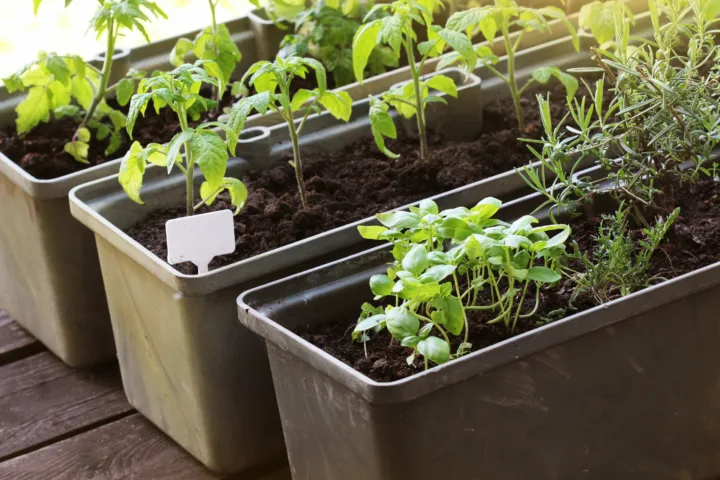
- Plastic or resin: Lightweight and cheap. I drag these around when I rearrange. They hold moisture longer. Great for thirsty plants like basil or coleus. I paint the outsides so they do not look cheap.
- Grow bags: Fabric ones changed my tomato game. Roots air-prune instead of circling. I got heavier harvests the first year I switched. Five-gallon bags handle determinate tomatoes without drama.
- Galvanized metal: Stock tanks and old washtubs hold deep soil. I grow peppers and eggplant in these. They heat up in sun, which some plants love. I drill extra holes because standing water kills.
I test every new container the same way. Fill it with water. Watch how fast it drains. If it sits like a bathtub, I add holes or move on.
Upcycled Container Ideas for Plants That Cost Almost Nothing
This is where the fun lives. I have turned more household trash into planters than I can count. Some became permanent fixtures. Others lasted one season and taught me a lesson.
Boots and Shoes
Old rain boots work better than you expect. I line the bottom with a layer of gravel, add potting mix, and plant trailing nasturtiums or strawberries. The height creates a natural cascade. Drainage is built in if the soles already have holes. If not, I poke a few with a screwdriver.
I once used a pair of my husband’s worn-out work boots for thyme and oregano. He laughed. Then he started watering them.
Kitchen Castoffs
Colanders make instant hanging planters. The holes handle drainage without extra work. I plant strawberries or trailing herbs and hang them from a railing. Coffee tins and large tin cans get painted, drilled, and filled with lettuce or radishes. They last a season or two before rust wins.
Teapots and teacups sit on my kitchen windowsill. I skip drainage holes in the fancy ones and use them as cache pots. The real plant lives in a plastic nursery pot that I lift out for watering. No mess on the sill.
Wood and Crates
Wooden crates from the market become herb boxes. I line them with landscape fabric so the soil stays put. A mix of basil, parsley, and chives looks tidy and smells better every time I walk past. Larger wine crates hold salad greens. I stack two for height when I want a mini raised bed on the balcony.
Logs and stumps work if you have them. Hollow out a section, fill with soil, and plant native wildflowers. It looks intentional instead of improvised.
Tires and Unexpected Finds
I painted one old tire bright blue and planted potatoes in it. The black rubber holds heat. The potatoes loved it. I stacked two more for a taller planting and got a solid harvest. Line the inside if you worry about chemicals. I did not, and nothing weird happened.
An old suitcase became a mobile herb garden. I drilled holes in the bottom, added a layer of charcoal for drainage, and planted mint, chives, and lemon balm. I move it to follow the sun. Guests always ask about it.
Matching Plants to the Right Container Size
Size matters more than style. I learned this after a tomato plant sulked all summer in a pot that was too small.
Here is the rough guide I follow now:
- Under 2 gallons: Herbs only. Basil, thyme, chives. Anything deeper-rooted struggles.
- 3 to 5 gallons: Leafy greens, strawberries, determinate tomatoes, peppers. Most of my everyday plants live here.
- 10 gallons and up: Indeterminate tomatoes, small fruit trees, larger shrubs. Roots need room to stretch.
Depth counts too. Carrots need at least 12 inches. Shallow-rooted plants like lettuce handle 6 to 8 inches fine. I measure before I plant. Guessing cost me crops early on.
Design Tricks That Make Containers Look Intentional
I used to plant one sad plant in the center and call it done. Now I follow a simple pattern most of the time.
Thriller, filler, spiller still works. One tall plant for height. Medium plants to fill the middle. Something that tumbles over the edge. I mix textures so the container does not look flat from every angle.
Vary the heights of the pots themselves. I stack bricks or overturned pots under some containers. The different levels create movement. A flat row of matching pots feels static. Mixed heights feel alive.
Color matters less than I thought. I care more about foliage contrast. Dark leaves next to silver. Chartreuse next to purple. Flowers come and go. Leaves stay.
Soil, Drainage, and Watering Lessons I Paid For
Garden soil in a pot is a bad idea. It packs down and stays wet. I use a light potting mix every time. Sometimes I add extra perlite or pine bark for better airflow.
Drainage is non-negotiable. Every container gets holes. I cover the holes with coffee filters or a scrap of landscape fabric so soil does not wash out. A thin layer of gravel at the bottom helps some pots, but I stopped relying on it as a cure-all.
Containers dry out faster than ground soil. In summer heat I check daily. Finger in the soil up to the second knuckle. Dry? Water. Wet? Wait. Self-watering pots help on busy weeks, but I still prefer regular pots so I stay in the habit of looking.
Fertilizer depletes fast in containers. I use a slow-release option at planting and liquid feed every couple of weeks during peak growth. Overfeeding burns roots. Underfeeding shows up as pale leaves. I aim for the middle.
Vertical and Hanging Options for Tight Spaces
My balcony is narrow. Vertical solutions saved it.
Hanging baskets go on the railing and the overhead hooks. Trailing petunias, sweet potato vine, and strawberries all work. I water them more because they dry out fastest.
Shoe organizers hung on the wall hold herbs and strawberries. Each pocket is a mini planter. I poke drainage holes and fill with mix. It looks chaotic in a good way.
Pallet gardens lean against the wall. I staple landscape fabric to the back, fill the slats with soil, and plant lettuce or herbs. It produces more food than the footprint suggests.
Seasonal Swaps That Keep Things Interesting
I treat containers like rotating stages. Spring brings pansies and early greens. Summer is tomatoes, peppers, and bright annuals. Fall shifts to ornamental kale and late-blooming asters. Winter is about evergreens and the few pots I drag inside.
Some containers stay permanent. The big terracotta with a dwarf blueberry. The metal trough with permanent herbs. Everything else gets refreshed. Changing plants keeps me interested. It also lets me correct last season’s mistakes.
Common Mistakes I Still Catch Myself Making
I sometimes crowd too many plants into one pot. They look full at first and then fight for light and water. Three to five plants in a 14-inch pot is usually enough.
I forget that dark pots heat up more in full sun. Roots cook. Light-colored or insulated containers perform better in heat.
I water from above and soak the leaves of some plants that hate it. Now I aim for the soil surface. Less disease. Happier plants.
Frequently Asked Questions
What are the best container ideas for plants if I have almost no money? Start with what you already own. Old boots, tin cans, wooden crates, and plastic buckets all work once you add drainage holes. I built half my first balcony garden this way and spent almost nothing.
Do all containers need drainage holes? Yes. Standing water kills roots. If you fall in love with a container that has none, use it as a cache pot and keep the plant in a nursery pot inside it. Lift it out to water and drain.
Can I grow vegetables in small containers? Leafy greens and herbs do fine in smaller pots. Tomatoes, peppers, and squash need at least 5 gallons. I grow cherry tomatoes in 5-gallon grow bags every year with good results.
How often should I water container plants? It depends on the pot, the plant, and the weather. Check the soil daily in summer. Water when the top inch or two feels dry. Consistency beats a strict schedule.
What potting mix works best for container ideas for plants? A lightweight commercial potting mix designed for containers. Avoid garden soil. I sometimes mix in extra perlite for better drainage, especially in plastic pots that hold moisture longer.
Final Thoughts From Someone Still Learning
I keep a running list of container ideas for plants in a notebook. Some come from other gardeners. Most come from walking past something destined for the trash and thinking, “I could plant in that.”
The real win is not a perfect-looking balcony. It is the daily habit of noticing what the plants need and adjusting. Some seasons I get it right. Some seasons I lose a few. Both teach me something.
Pick one container this week. Drill the holes. Fill it with decent mix. Put a plant in it that makes you smile when you walk past. That is how the whole thing starts. The rest grows from there.