
I spent years wrestling with my compost pile the hard way. Pitchfork in hand. Sweat dripping. Back screaming. Then I grabbed a compost turner and everything shifted. Honestly? I wish I had done it sooner.
See, if you garden or just hate tossing kitchen scraps in the trash, you know the drill. Pile builds up. Smells start. Breakdown crawls along at a snail’s pace. I used to think turning meant pure muscle and misery. Wrong. A good compost turner changes the whole game without turning you into a gym bro.
I started composting because my garden begged for better soil. Store-bought bags got expensive fast. Plus, I hated the waste. But my early piles? They sat there like sad, soggy mountains for months. One year I waited fourteen months for usable stuff. Fourteen. I almost quit. Then a neighbor showed me her corkscrew-style compost turner. One twist. One pull. Magic.
That day I stopped fighting and started winning. This article shares exactly what I learned. From why turning matters to picking the right tool, DIY hacks, and real results from my backyard. No fluff. Just the stuff that worked for me.
Why Turning Compost Matters More Than I Thought
I used to leave my pile alone. “Nature will handle it,” I told myself. Nature does handle it. Slowly. Very slowly.
Turning does three big things. First, it pumps in oxygen. Microbes need air to work hard and heat up the pile. Without it they go anaerobic. Stink city. Second, it mixes the greens and browns so everything breaks down evenly. No more dry crust on top and soggy mess below. Third, it controls temperature and moisture. Hot enough to kill weed seeds and pathogens. Moist enough without drowning the good bugs.
In my first hot compost attempt without a tool, the center hit 140 degrees while the edges stayed cold. Result? Half-finished lumps mixed with finished black gold. Frustrating. With a compost turner I get even heat across the whole pile. My batches now finish in six to eight weeks instead of a year.
Honestly? Skipping the turn is like baking bread and never kneading the dough. You get something edible eventually. But it won’t be great.
Oxygen levels in a static pile drop below 5% within hours, halting aerobic decomposition and inviting anaerobic odors.
My Journey from Pitchfork Hell to Compost Turner Heaven
I started with a basic bin from the hardware store. Kitchen scraps, leaves, grass clippings. I turned it with a garden fork every two weeks. Back pain kicked in after three sessions. I skipped weeks. The pile compacted. Fruit flies moved in.
Then I tried the corkscrew compost turner. You know the ones. Long metal spiral with a handle. Screw it down. Yank it up. Bottom material comes right to the top. I felt the difference immediately. Less effort. Better mix. My pile heated up within days.
I bought a cheap one first. Plastic handle cracked after a month. Lesson learned. Next I went for a sturdy steel version with wood grips. Still use it today. For bigger windrows when I expanded, I eyed the tow-behind tractor models. Overkill for my half-acre, but cool to watch.
Personal tip: Start small. Master the hand tool before dreaming of industrial beasts. My small compost turner paid for itself in saved soil bags within one season.
Types of Compost Turners I Have Tried and Tested
Not all compost turners work the same. I sorted them by what fits real life.
Hand-Held Corkscrew and Aerator Styles
These are the backyard heroes. Long shaft. Spiral or wing tip. Twist and pull.
- Corkscrew models: Screw deep, pull up. Brings bottom to top. Great for bins or small piles.
- Wing or toggle styles: Push in, wings open, pull to mix. Less twisting, more lifting.
- Pros I noticed: Cheap (under $50), no power needed, store in the shed easy.
- Cons: Arm workout still exists for huge piles. My shoulders thanked me when I switched from fork, though.
I use mine twice a week during peak season. Takes five minutes. Done.
DIY Compost Turners That Actually Work
Store-bought felt fancy until I made one for almost nothing. Inspired by that $2 tomato stake hack I saw online.
Materials I grabbed:
- Spiral tomato stake from the dollar store
- Old broom handle cut into grips
- A nut and some muscle
I bent the stake into an L-handle shape with a vise. Tightened the bottom spiral so it grabs better. Boom. Custom compost turner. Cost me pocket change. Works nearly as well as the $40 store one. IMO the DIY route wins if you like tinkering.
Another version I built later: Dowel plus toggle bolt. Drill. Attach. Instant wings. Super simple. Both still hang in my garage.
Tow-Behind and Tractor Models for Bigger Operations
When my piles grew past backyard size, I researched the big guns. Tractor-pulled windrow turners. Drum styles. Auger ones.
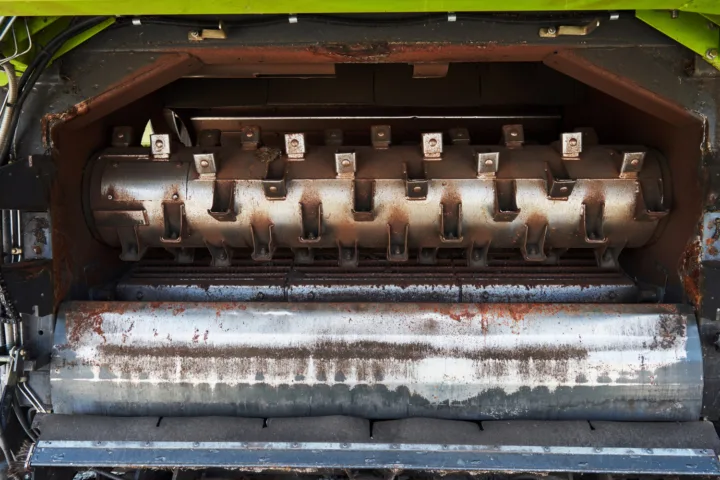
These beasts chew through tons of material. One pass aerates, mixes, and reshapes the whole windrow. Capacities hit hundreds of cubic yards per hour. Farms and commercial spots love them. Prices start in the thousands and climb.
I never bought one. Rented a small pull-type once for a community garden project. Impressive. But for home? Stick with hand tools. Overkill equals dust collection.
Self-Propelled Industrial Turners
These look like tanks. Drive themselves over massive piles. Used by big compost facilities. Drum or elevating face designs. They handle moisture addition and inoculants in one go. Cool tech. Not my world. I leave those to the pros.
How I Use My Compost Turner for Best Results
Technique matters. I learned the hard way.
- Wait until the pile hits at least 3 feet high and wide. Smaller ones dry out too fast.
- Check moisture first. Squeeze a handful. It should feel like a wrung-out sponge. Add water if dry. Cover if soggy.
- Start at the edges. Work inward. Screw or push the tool deep, then pull straight up. Repeat every 12-18 inches.
- Aim for 5-7 full turns across the pile. Takes minutes.
- Flip any big chunks. Break them by hand if needed.
- Cover with a tarp or more browns after. Holds heat and moisture.
I turn every 3-5 days for hot compost. Less often for cold method. Thermometer helps. Target 130-160 degrees Fahrenheit in the core. Drop below 100? Time to turn and maybe add greens.
Pro move I discovered: Turn right before rain. Extra moisture soaks in evenly. Genius.
Avoid turning your pile more than every 3 days during hot composting; it can disrupt heat buildup and delay the process.
Benefits I Saw After Switching to a Compost Turner
My garden soil changed. Richer. Darker. Plants thrived. Tomato yields jumped. Fewer pests because the finished compost was pathogen-free from the heat.
Time savings: Huge. No more all-afternoon fork sessions. Smell control: Night and day. Neighbors stopped side-eyeing my bin. Consistency: Every batch finishes together. No more digging for good stuff at the bottom.
Money: I buy almost zero bagged compost now. Kitchen and yard waste feed the cycle. Bonus: Fewer freezes of food scraps because I process faster.
One funny fail: Early on I turned too aggressively in a dry pile. Dust cloud everywhere. Looked like a cartoon. Lesson: Moisture first. Always.
Common Mistakes I Made (So You Don’t Have To)
I rushed. Turned a cold, wet pile. Created sludge. Wait for heat or add dry browns first.
I ignored the carbon-nitrogen balance. Too many greens? Smelly ammonia. Too many browns? Slow crawl. Aim for 2-3 parts brown to 1 green by volume. My turner mixes them perfectly once I get the ratio right.
I stored the tool outside. Rust happened. Now it hangs dry. Simple.
Don’t force a tiny hand tool on a massive windrow. Match the size. And never skip safety. Gloves. Sturdy shoes. Watch for hidden rocks or glass if you use mixed waste.
Choosing the Right Compost Turner for Your Setup
Size of your operation decides it.
- Small bin or tumbler: Hand corkscrew or DIY.
- Multiple backyard piles: Sturdy hand aerator or wing style.
- Small farm or big garden: Consider tow-behind if you have a tractor with creeper gear.
- Commercial: Full industrial drum or self-propelled.
Budget: DIY under $10. Decent hand tool $20-60. Machines thousands. I started cheap and upgraded only when needed.
Look for solid metal. Comfortable grips. Length that reaches your pile bottom without bending over forever. Read real user notes. Avoid flimsy plastic everything.
Real-Life Results from My Garden This Season
Last spring I built three hot piles. Turned with my favorite compost turner every four days. All finished by early summer. Spread it under veggies and flowers. Cucumbers exploded. Roses bloomed like crazy. Soil tests later showed higher organic matter. Happy dance time.
Compared to my no-turner year: Night and day. Plants stronger. Watering less frequent because soil held moisture better. I even gifted bags of finished compost to friends. Felt like a soil wizard.
One aside: My dog tried to “help” by digging once. Now the bin has a lid. Crisis averted.
Frequently Asked Questions
What is the best compost turner for beginners? I started with a basic corkscrew hand model and never looked back. Cheap, effective, and teaches you the feel of a good pile fast. DIY versions work great too if you like building stuff.
How often should I use a compost turner? For hot compost I turn every 3-5 days while the pile heats. Cold compost gets a turn every couple weeks or when it looks compacted. Listen to your thermometer more than a calendar.
Can I make a DIY compost turner that actually lasts? Yes. I built two that still work years later. Tomato stake corkscrew and toggle-bolt wing styles hold up fine with basic care. Just keep them dry and avoid forcing them into rocks.
Do I need a compost turner if I use a tumbler? Tumblers spin the whole bin, so less need. But for stubborn spots or extra aeration I still poke mine with a hand turner sometimes. Not essential, though.
Will a compost turner stop the smell completely? It helps a ton by adding air and balancing the mix. Proper greens-to-browns ratio and moisture seal the deal. My pile went from “what died?” to almost odorless after consistent turning.
Final Thoughts from My Backyard
A compost turner turned my messy chore into something I almost enjoy. Almost. The results speak loud: faster compost, better soil, happier plants, less waste. I went from frustrated fork-wielder to confident compost creator.
Grab one. DIY it. Buy it. Just start turning. Your garden will thank you. And your back will throw a party. Honestly? Once you feel that first perfect pull of dark, crumbly gold rising up, you will wonder why you waited so long. Now go make some dirt.