
I spent months wrestling with food scraps piling up in my tiny apartment before I landed on a small compost bin that actually worked. My kitchen counter is the size of a cutting board on a good day. Space? Nonexistent. Smells? A constant threat. Fruit flies? They threw parties. I needed something compact that wouldn’t turn my place into a science experiment.
Honestly? I almost gave up twice. The first cheap plastic thing I bought leaked. The second one stank after three days no matter what I did. Then I figured it out through trial, error, and a whole lot of coffee grounds.
This is my full story of choosing, setting up, and living with a small compost bin. I’ll walk you through what works for apartments, balconies, and microscopic kitchens. No fluff. Just what I learned the hard way so you skip the mess.
Why a Small Compost Bin Changed My Scraps Game
I cook almost every night. Veggie peels, coffee grounds, eggshells. They used to go straight in the trash. Then I read how much methane that stuff makes in landfills. Guilt hit hard. I wanted to compost but my place has zero yard.
A small compost bin became the bridge. It sits on the counter. I toss scraps in while I chop. Every few days I empty it. Simple. But only if you pick the right one.
Size matters more than you think. I started with something too big. It took forever to fill and got funky. Too small and I emptied it twice a day. The sweet spot for me? Around 1 to 1.5 gallons. Enough for a couple days of cooking. Small enough to hide if needed.
Key things I look for now:
- Tight lid that actually seals
- Easy one-hand open
- Washable everything
- Odor control that doesn’t need constant filter swaps
- Looks decent so I don’t shove it under the sink
See, most people overthink this. They hunt for fancy electric units first. I think that’s the wrong way to go about it. Start basic. Master the small compost bin habit. Then upgrade if you want.
My Real-Life Hunt for the Right Small Compost Bin
I tested five options over six months. Cheap Amazon ones. Stainless steel. Bamboo. Even a DIY bucket setup for the balcony.
First up: basic plastic with a flip lid. Cheap. Under $20. It worked for a week. Then the lid warped. Odors snuck out. I scrubbed it daily. Still smelled like old bananas. Nope.
Next: stainless steel with charcoal filter. Game felt different immediately. The Epica-style one I grabbed held a solid gallon. Filter trapped smells for a solid week. Dishwasher safe inner bucket. I loved the weight. Felt sturdy. Not cheap plastic.
I kept that one on the counter for months. Looked clean. Friends asked about it. IMO, stainless beats plastic for longevity every time.
Then I tried a bamboo fiber model. Pretty. Lightweight. Great colors. Capacity was smaller though. About 1.2 gallons. Filter worked fine but the surface showed every fingerprint. I wiped it constantly. Cute but high maintenance for my chaos kitchen.
For the balcony I built a DIY version. Two 5-gallon buckets. Drilled holes. Screen over them. Nested them. Bottom one caught the liquid. Top held the scraps mixed with shredded paper and leaves. Cost under $15. Worked shockingly well for outdoor use. Just keep it in shade and stir weekly.
What I settled on long-term:
- Countertop stainless steel for daily scraps
- DIY bucket system on the tiny balcony for bulkier stuff
- Freezer bag backup for overflow or vacation weeks
The stainless one wins for pure kitchen duty. Empty every 2-4 days. Rinse. Done.
For the DIY bucket system, install a spigot on the bottom bucket to easily drain compost tea without lifting.
How I Set Up My Small Compost Bin Without the Stink
Setup is stupid simple. But I messed it up at first.
I put the bin right next to the cutting board. Muscle memory kicked in fast. Peel potato. Toss. Chop onion. Toss. No extra steps.
My no-fail routine:
- Line with a compostable bag or just go bare (I prefer bare for less plastic)
- Add a handful of shredded newspaper or dry leaves at the bottom for moisture control
- Keep a little scoop of browns nearby
- Empty before it hits full
- Rinse with hot water and a drop of vinegar after every dump
Odors? They only happen if you let wet greens sit alone. Balance is everything. Greens (scraps) need browns (paper, cardboard, leaves). I keep a bag of shredded junk mail under the sink just for this.
Fruit flies hate dry conditions and closed lids. I freeze really wet stuff like melon rinds overnight first. Cuts the juice. Or bury fresh scraps under a layer of browns.
Honestly? Freezing the whole bin for a day before emptying works magic if smells creep in. Or just empty more often in summer.
One-handed lids changed everything for me. I cook with both hands full half the time. Flip-up or soft-close options let me toss without stopping.
Small Compost Bin Options That Actually Fit Real Life
Not every small compost bin suits every setup. Here’s how I break them down based on what I tried.
Countertop Stars for Tiny Kitchens
These live on the counter or under the sink.
- Stainless steel with filter: Best odor lock. Durable. My daily driver. Holds 1 gallon easy. Looks like it belongs.
- Plastic with stay-open lid: Cheaper. Great for heavy prep days. Less pretty. Empty faster.
- Bamboo or wheat straw: Eco vibe. Lightweight. Smaller capacity. Good if you empty daily.
I prefer stainless. It doesn’t stain. Doesn’t absorb smells. Lasts years.
Balcony and Patio Mini Systems
Space outside? Even a railing spot works.
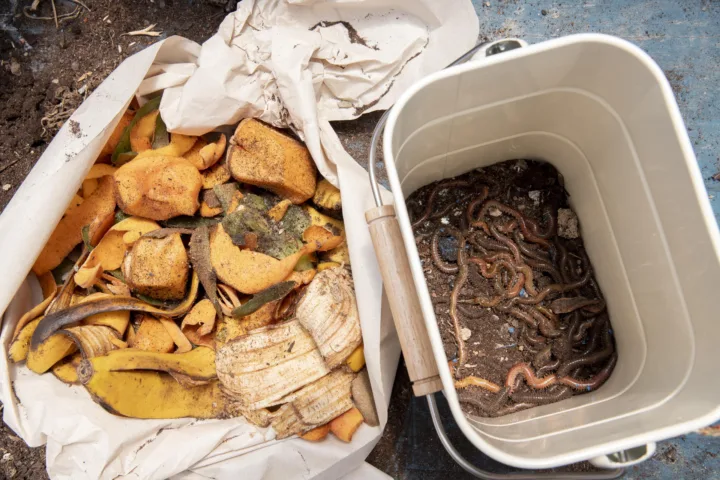
- DIY with holes and lids. Elevate them. Add worms if you want speed (vermicomposting shines in small spaces). Or just cold compost with layers.
I keep mine tucked behind a planter. Neighbors never notice. Output goes straight into my pot plants.
Electric and High-Tech for Zero Outdoor Space
I tested one briefly. It dehydrates or processes scraps into dirt-like stuff in hours. Expensive. Loud sometimes. Great if you have zero outdoor access and hate hauling. But for most people a basic small compost bin plus municipal drop-off beats it on cost.
Pure DIY for the Broke or Crafty
Two nesting buckets. Drill. Screen. Done. Or a tote with holes. Or even a cardboard box buried in a big planter. I did the bucket thing first. It taught me the greens-to-browns ratio better than any store-bought unit.
What I Toss In (And What I Learned to Skip)
Almost all fruit and veggie scraps. Coffee grounds and filters. Tea bags (no staples). Eggshells crushed. Plain paper towels. Cardboard egg cartons ripped up.
I avoid meat, dairy, oily leftovers, and pet waste. They smell worse and attract the wrong crowd. Cooked food goes in sparingly and only if I empty same day.
Citrus? Fine in small amounts. Onion and garlic? Yes, but bury them. Banana peels? Absolute staple. They break down fast.
My rule: if it grew and isn’t animal product heavy, it goes in. When in doubt, I freeze it and check later.
Common Mistakes I Made So You Don’t Have To
I packed it too full once. Lid wouldn’t seal. Smells escaped. Lesson: leave headspace.
I ignored browns for a week. Slimy mess. Lesson: every green scrap gets a brown friend.
I left it in direct sun on the balcony. Cooked the pile too fast and attracted flies. Shade or partial sun only.
I bought based on looks alone. Pretty bamboo that scratched easy. Function first. Pretty second.
Don’t be in a rush to buy the biggest or fanciest. Start small. Literally.
Keeping Your Small Compost Bin Happy Long-Term
Maintenance is five minutes a week if you stay on top of it.
Wash after every empty. Hot water. Vinegar if needed. Let dry fully before reuse.
Replace filters every 1-2 months if your model has them. Or skip filters entirely and empty often. I do both depending on season.
In winter I empty less. Cold slows everything. Summer? Every other day sometimes.
If fruit flies appear: freeze the contents overnight. Clean thoroughly. Add more browns. Lid tight. They vanish.
Harvest time for outdoor systems: when it looks like dark crumbly soil and smells earthy. Not like garbage. I screen mine through an old colander. Chunks go back in. Fine stuff feeds my herbs.
Frequently Asked Questions
How often should I empty a small compost bin? I empty mine every 2 to 4 days depending on how much I cook. In hot weather I go every other day to stay ahead of smells. Daily if it’s really full of wet stuff.
Will a small compost bin stink up my apartment? Not if you balance greens and browns, keep the lid sealed, and empty regularly. My stainless one barely whispers even after three days. Freezing wet scraps first helps a ton.
Can I use a small compost bin on a balcony? Absolutely. I do. Just make sure it has drainage and airflow. Elevate it. Keep it out of full blazing sun. My DIY bucket setup thrives there and never bothers the neighbors.
What’s the best size for a small compost bin in a kitchen? I swear by 1 to 1.5 gallons. Big enough for real cooking. Small enough that you empty before things go bad. Anything under 0.75 gallons feels like a toy for daily use.
Do I need worms or special starters for a small compost bin? No. Countertop ones are just collectors. Outdoor mini bins work fine without worms. Worms speed things up if you want, but they’re optional. I started without and added them later for fun.
Final Thoughts From My Tiny Kitchen
I started this whole thing feeling defeated by space and smells. Now my small compost bin is just part of the kitchen like the toaster. Scraps disappear. Plants thrive. Trash bag is lighter. I feel a little less guilty every time I cook.
You don’t need a huge yard or fancy gear. Grab a solid small compost bin. Put it where you prep food. Toss. Empty. Rinse. Repeat. The rest sorts itself out.
Go try it this week. Start with whatever scraps you have tonight. Messy first tries beat perfect plans that never happen. You’ll thank yourself when your basil looks ridiculously happy next month. And if you mess up? Welcome to the club. I still do sometimes. Just keep the lid closed and keep going.