
I spent months watching my carefully tended compost bin turn into a mixed-up mess of plastic wrappers, glass bottles, and random junk. The problem was simple. People kept treating the bin like a regular trash can. That is when I decided a clear, no-nonsense compost sign was the missing piece.
I live in a small shared backyard setup with a few neighbors. We all agreed to compost together. The enthusiasm was real at first. Then the wrong stuff started showing up. Food-soaked paper towels mixed with yogurt cups. Banana peels next to aluminum foil. I felt defeated. Honestly? I almost gave up and went back to bagging everything for the landfill.
See, a compost sign is not just decoration. It is the difference between usable soil and a stinking pile of rejects. I tried a few versions. Some failed hard. One finally worked. I want to walk you through what I learned so you can skip the trial-and-error stage.
Why a Compost Sign Matters More Than Most People Realize
Contamination ruins compost fast. One plastic bag can force an entire batch to the landfill. Cities know this. That is why places like San Francisco and Portland push free compost signs for offices and apartments. Home setups need the same clarity.
I noticed something early on. People mean well. They just guess wrong when the bin looks like every other container. A plain green lid is not enough. A strong compost sign spells out the rules in plain sight. It reduces arguments. It cuts the sorting work later. And it makes the whole system feel intentional instead of optional.
My first attempt was a handwritten note taped to the lid. It lasted two days before rain turned it into pulp. Lesson learned. Durability and visibility come first.
What Belongs on a Compost Sign That Actually Works
I tested different layouts. The winners share a few traits. Keep the text short. Use pictures whenever possible. List the common yes items and the common no items side by side.
Here is the exact content I settled on for my outdoor bin:
- Food scraps: fruit and vegetable peels, coffee grounds, eggshells, bread, leftovers without packaging
- Yard waste: leaves, grass clippings, small twigs, plant trimmings
- Paper products: soiled napkins, paper towels, pizza boxes (no plastic windows)
- Never allowed: plastic of any kind, metal, glass, liquids, pet waste, glossy paper, compostable “plastics” that need industrial facilities
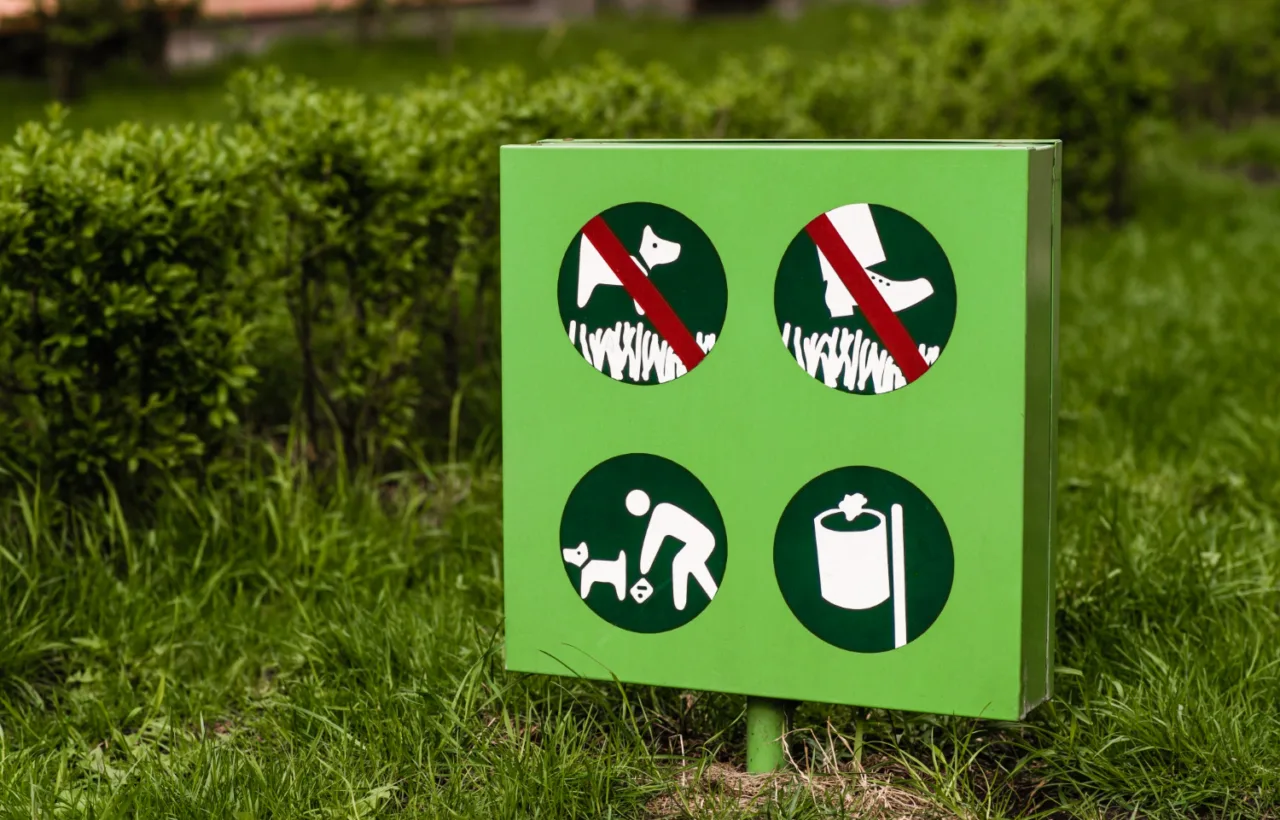
I printed the list in large bold type. I added simple line drawings of a banana peel, a coffee filter, and a crumpled napkin next to the yes column. Next to the no column I put a crossed-out plastic bottle and a foil tray. People glance. They get it.
Color helps. Green background with white or black text is the standard for a reason. It matches the bin color most cities use. I stuck with that.
How I Built My First Durable Compost Sign
I started cheap. Cardstock and a laminator. That version lasted one rainy week. Then I switched to outdoor-rated materials.
I used a piece of corrugated plastic board from the hardware store. It costs a few dollars and shrugs off weather. I designed the layout on my laptop with free software. Big heading at the top: “Compost Only – No Trash.” Below that the two-column list. I printed it on waterproof sticker paper and stuck it to the board. I added a clear packing-tape border for extra protection.
Mounting mattered. I zip-tied the board to the fence right above the bin so no one could miss it. Height is key. Eye level for an average adult works best. Kids can still see the pictures.
For indoor kitchen caddies I made smaller versions. Same design, scaled down to fit the lid. Those stay clean longer because they avoid rain.
在户外sign背面涂一层防紫外线清漆,可大幅延长标牌寿命。
Free Tools and Printable Options I Actually Used
You do not need design skills. Several cities offer ready-made files. I downloaded the San Francisco vertical compost sign and the StopWaste custom tool. Both let you pick languages and adjust the accepted materials list. Print, laminate or stick, done.
Pinterest is packed with cute printable compost signs. Some are too decorative for outdoor use. Others are clean and practical. I printed three different free ones and tested them for a month. The plain text-plus-icons version outperformed the ones with fancy fonts every time.
If you want something custom, the free online sign makers from local waste authorities are solid. They match the exact rules for your area. That local match is huge. Rules change by city. Meat and dairy are fine in some commercial programs and banned in backyard piles.
使用其他城市sign前,务必核对本地允许的食物残渣清单,规则不同会误导用户。
Common Mistakes That Made My Early Signs Useless
I made every error at least once. Tiny text that no one reads. Overly long paragraphs. No pictures. Signs placed too low or hidden behind the bin. Using indoor paper outdoors. Listing obscure items while skipping the everyday ones people actually hold in their hands.
The worst was a sign that only said “Compost.” No details. People treated it as a suggestion. Adding the yes and no columns fixed that almost overnight.
Another fail: mixing languages without clear icons. My first bilingual attempt confused more people than it helped. Stick to one primary language plus universal pictures unless your household needs both.
Real Results After I Put the New Compost Sign Up
Contamination dropped hard. In the first two weeks I pulled maybe three wrong items total. Before that I was cleaning the bin twice a week. Neighbors started asking questions instead of guessing. One even made a matching sign for their own small kitchen bucket.
The compost itself improved. Fewer plastics meant faster breakdown and better finished soil. I used the finished batch on my tomato plants. They thrived. That felt good.
I also noticed people became more careful with the recycling bin next to it. Clear labeling on one container raised the standard for the whole station. FYI, that spillover effect is real.
How to Adapt a Compost Sign for Different Settings
Home backyard bins need weatherproof materials and bold outdoor fonts. Apartment shared bins benefit from official-looking designs so people take them seriously. School or office settings work best with kid-friendly or staff-friendly icons and short bullet lists.
For community gardens I added a small “Questions? Text [number]” line at the bottom. That reduced confusion without requiring me to stand there explaining every day.
If your local program accepts certified compostable serviceware, put that on the sign. If it does not, leave it off. Matching the actual rules prevents disappointment later.
Materials That Last Longer Than You Expect
I now keep a small stock of supplies:
- Corrugated plastic sheets
- Outdoor vinyl sticker paper
- Clear packing tape or laminate sheets
- Zip ties or outdoor screws
- A permanent marker for quick touch-ups
Total cost for a solid outdoor compost sign stayed under $15. That is cheaper than one contaminated load sent to the landfill.
Frequently Asked Questions
Do I really need a compost sign if my bin is already green? Yes. Color alone is not enough. People still guess. A clear compost sign removes the guesswork and cuts contamination right away.
Where can I get free printable compost signs? City websites like San Francisco Environment and StopWaste offer free downloads. Pinterest has dozens more. Print them, protect them from weather, and you are set.
Should the compost sign list every single accepted item? No. Focus on the common ones people actually hold. Too long a list and no one reads it. Short and visual wins.
Can I make one sign that works for both indoor and outdoor use? I tried. Outdoor versions need tougher materials. Indoor ones can stay lighter. Keep two versions if you use both locations.
How often should I update my compost sign? Check once a year or whenever your local rules change. A faded or outdated sign loses authority fast.
I still check the bin every few days out of habit. The difference is night and day. What used to feel like a chore now feels like a system that runs itself. A good compost sign does most of the talking for you.
If your current bin is a free-for-all, make the sign this weekend. Keep it simple. Keep it visible. Keep the rules honest. You will thank yourself when the finished compost comes out clean and ready to use.