
I started container gardening because my backyard was basically a parking pad and a strip of tired grass. No room for raised beds. No deep soil. Just a sunny balcony and a stubborn urge to grow food. Over a few seasons of trial and error, I landed on container gardening vegetables ideas that actually produce. Not the pretty catalog photos. Real harvests I can pick and eat the same day.
Honestly? The first year was rough. I killed more plants than I care to admit. But the wins stuck. Now I grow enough tomatoes, greens, and peppers to feed myself through summer without hauling everything from the store. If you have limited space, a patio, a balcony, or even a sunny windowsill, these ideas can work for you too.
Why Container Gardening Became My Default Method
I used to think containers were a compromise. Something you do when you cannot dig a real garden. That thinking was wrong. Containers give me control. I move pots to chase the sun. I protect plants from heavy rain or sudden cold. I keep soil quality consistent because I never deal with rocky native dirt.
See, the biggest advantage is mobility. When aphids hit one plant, I isolate it. When a heat wave cooks the balcony, I shift pots into afternoon shade. Garden soil stays put. Mine does not.
I also like the scale. One five-gallon pot of cherry tomatoes can give me more fruit than a struggling in-ground plant that never got enough water. Containers force me to pay attention. That attention pays off.
Container Gardening Vegetables Ideas That Deliver Every Year
I group my choices by how they grow and how much space they need. This keeps me from overcrowding pots and watching everything fail together.
Leafy Greens for Fast Wins
These are the plants that keep me motivated early in the season. They grow quick. They tolerate some shade. They let me harvest while the slower crops are still getting established.
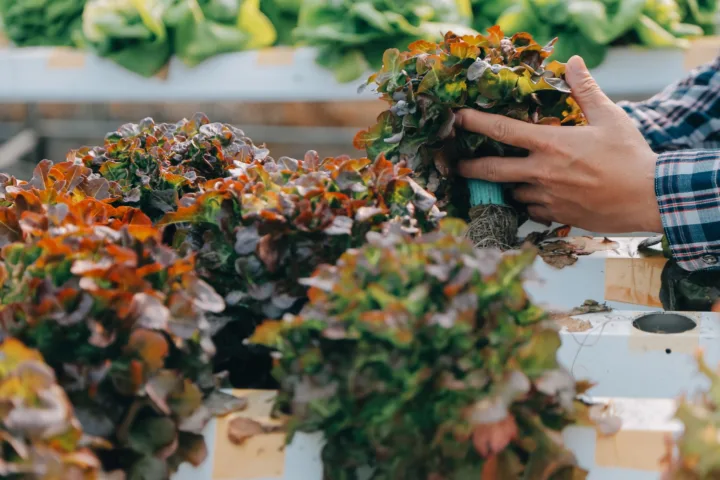
- Lettuce: I plant leaf types like Black Seeded Simpson or oakleaf mixes. A wide, shallow container about six inches deep works fine. I sow thick, thin once, then cut outer leaves as needed. Ready in about 30 days. I reseed every few weeks for a steady supply.
- Spinach: Same setup as lettuce. I go with bolt-resistant varieties when the weather warms. Cool mornings make the best leaves.
- Swiss chard and kale: These last longer than lettuce. Bright Lights chard looks good and tastes better than store stuff. I harvest outer leaves and let the center keep growing. One or two plants in a two-gallon pot keep me in greens for months.
I mix a few of these in the same large trough sometimes. The colors look nice, and I get variety without extra pots.
Fruiting Vegetables That Need Room
These are the ones that make the whole effort feel worth it. They need bigger pots and more sun, but the payoff is high.
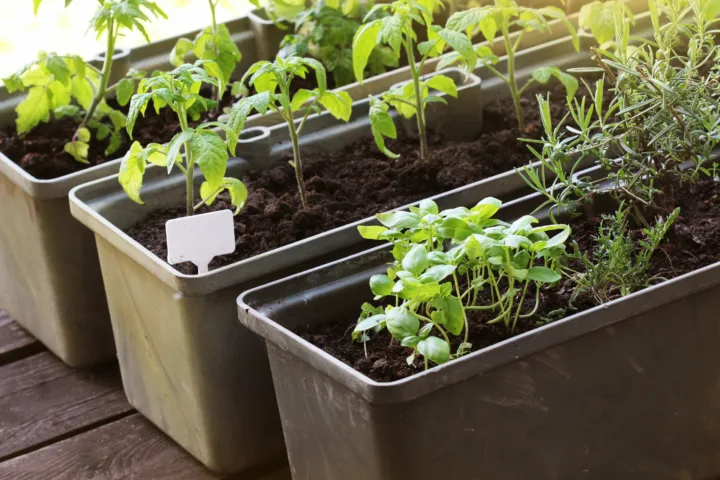
- Cherry and patio tomatoes: My absolute favorite. Tiny Tim, Tumbling Tom, and Sun Gold are the ones I plant every year. Five gallons minimum. Ten gallons is better. I bury the stem deep so extra roots form. One plant can fill a cage and keep producing until frost if I stay on top of water and feed.
- Peppers: Both sweet and hot. They love the heat that builds in dark pots. I use five-gallon containers. Compact varieties like Lady Bell or small jalapeños stay manageable. I pick them young for continuous production.
- Eggplant: Fairy Tale or other compact types. Same pot size as peppers. Full sun. Consistent moisture. The fruit tastes richer than anything I buy.
- Bush cucumbers and summer squash: Spacemaster cucumbers or bush zucchini types. Five gallons and a small trellis. I train the vines up so they do not sprawl across the floor.
I learned the hard way that full-size indeterminate tomatoes in small pots turn into sad, yellowing messes. Stick to determinate or patio types unless you have a half-barrel.
Root Crops for Containers
People skip these because they think roots need open ground. Not true if you pick the right varieties and give enough depth.
- Radishes: Easiest. Cherry Belle or Easter Egg in a one-gallon pot. Ready in under a month. I plant successive rounds.
- Carrots: Short ones only. Thumbelina, Little Finger, or Nantes types. At least twelve inches of soil depth. Three-gallon pots work. Thin them early so roots have room.
- Beets: Same depth needs as carrots. Red Ace or small ball types. I eat both the roots and the greens.
The key is loose potting mix. No rocks. No heavy clay. Roots need to push easily.
Beans and Other Reliable Producers
Bush beans go in five-gallon pots. Provider or Contender varieties. No trellis needed. They fix some nitrogen and produce fast. I plant a few rounds through summer.
I also grow green onions and chives in smaller pots near the kitchen door. They are cut-and-come-again and almost impossible to kill.
Getting the Containers and Soil Right
I wasted money on pretty ceramic pots that dried out too fast or cracked in winter. Now I stick with practical options.
Fabric grow bags are my current favorite for larger plants. They air-prune roots and prevent circling. Plastic pots with drainage holes work fine too. I drill extra holes if needed. Size matters more than material. Tomatoes and peppers need at least five gallons. Greens can go smaller.
Soil is non-negotiable. I never use garden dirt. It compacts and drains poorly in pots. I buy a quality potting mix or mix my own with compost, perlite, and a bit of coco coir. The goal is light and well-draining while still holding some moisture.
I fill pots to about an inch below the rim. That space keeps water from spilling when I water heavily.
Fabric grow bags evaporate moisture through their sides, so they may need more frequent checks than plastic pots.
How I Water and Feed Without Overdoing It
Containers dry out faster than in-ground beds. That is the main daily job.
I check soil with my finger every morning in summer. If the top inch feels dry, I water until it runs out the bottom. Morning is best so leaves dry before night. In peak heat I sometimes water twice.
Self-watering pots help on busy weeks, but I still check them. Overwatering kills more plants than underwatering in my experience. Soggy roots rot. Let the mix dry a little between waterings.
Fertilizer is the other half. Potting mix starts with nutrients but they wash out. I use a balanced liquid feed every two weeks once plants are growing strongly. For tomatoes and peppers I switch to a lower-nitrogen formula once flowers appear. Too much nitrogen means lots of leaves and few fruit.
I keep a simple notebook of what I feed and when. Patterns show up fast.
Apply liquid fertilizer to already moist potting mix, reducing the risk of concentrated nutrients contacting dry roots.
Mistakes I Made and How I Fixed Them
Early on I planted too many things in one pot. Everything competed and nothing thrived. Now I follow the rule of one large plant per five-gallon container for fruiting crops. Greens can share more space.
I also ignored light requirements. My balcony gets afternoon shade on one side. Tomatoes failed there. Lettuce loved it. Match the plant to the actual sun hours you have.
Drainage was another early fail. I used pots without holes or sat them in deep saucers full of water. Roots drowned. Now every container has clear drainage and I empty saucers after watering.
Choosing the wrong variety hurt too. Regular pole beans and full-size squash took over. Bush and patio types stay polite.
Frequently Asked Questions
What are the best container gardening vegetables ideas for complete beginners? Start with lettuce, radishes, and cherry tomatoes in separate pots. They forgive small mistakes and give quick results so you stay encouraged.
How big do containers need to be for most vegetables? Greens and radishes do fine in two gallons or less. Tomatoes, peppers, eggplant, and cucumbers need five gallons minimum. Bigger is almost always better for fruiting plants.
Can I grow container gardening vegetables ideas successfully on a shady balcony? Yes, but stick to leafy greens, some herbs, and maybe radishes. Fruiting crops need six or more hours of direct sun. Partial shade works for the fast growers.
Do I need special soil for containers? Yes. Use potting mix, not garden soil. It drains better and stays lighter. Add compost for nutrients if the bag does not already include it.
How often should I fertilize container vegetables? Every two weeks with a diluted liquid fertilizer once plants are established. Follow the package rates. More is not better and can burn roots.
Final Thoughts From My Patio
I still get surprised by how much food comes out of a few well-managed pots. A couple of tomato plants, a trough of greens, some peppers, and a few root crops keep my kitchen interesting from late spring through fall. The work is daily but light. Water. Check. Harvest. That rhythm feels good.
If you have even a small sunny spot, pick two or three of these ideas and start this weekend. Use decent pots and real potting mix. Water when the soil tells you it needs it. Feed a little. The rest follows. My patio used to feel empty. Now it feeds me. Yours can do the same.