
I spent years staring at the dark side of my patio like it was a lost cause. Full sun beds got all the glory while that north-facing corner sat empty and sad. Then I started experimenting with shade container garden ideas and everything shifted. Pots became my secret weapon. I could move them, mix them, and finally fill those gloomy spots with color and texture that actually stuck around.
Honestly? The first few tries flopped hard. Too much water. Wrong plants. Pots that baked the roots even in shade. I learned fast. Now my shaded balcony and under-tree spots look fuller than some of my sunny borders. You can do the same without a fancy garden or endless hours.
Understanding Your Shade Before You Plant
Not all shade is the same. I treat partial shade (a few hours of morning light) differently from deep shade under dense trees or a covered porch. Plants that handle dappled light often struggle in true low light. I walk the space at different times of day and note how much sun actually hits the spot.
Deep shade gets almost no direct sun. Partial shade gets two to four hours. Matching the plant to the exact conditions saves me from constant replacements. FYI, containers dry slower in shade than in sun, so overwatering becomes the bigger risk.
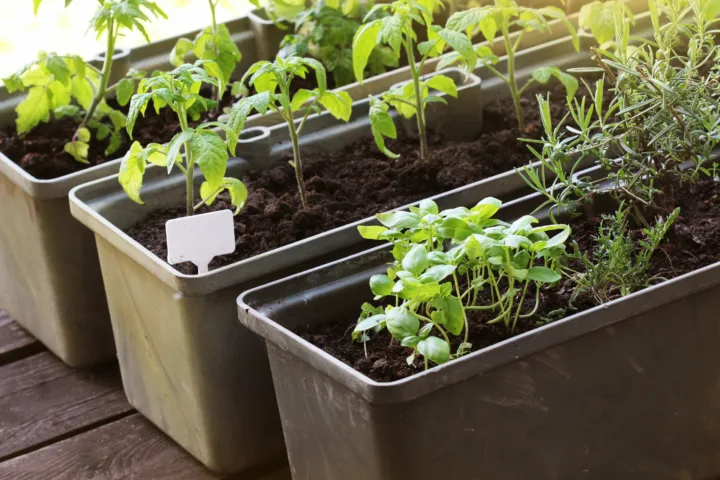
I pick pots with real drainage holes every time. One big hole at the bottom never cuts it for me. Multiple smaller ones keep roots from sitting in soggy soil.
The Thriller-Filler-Spiller Formula That Works in Shade
I used to toss plants together and hope. Results looked messy. Then I locked onto the classic thriller-filler-spiller approach and my containers started looking intentional.
Try a hosta thriller, coleus filler, and creeping Jenny spiller for a shade combination with contrasting height, foliage, and movement.
Thriller Plants for Height and Drama
These stand tall and grab attention. In shade I reach for:
- Caladiums with their bold, painted leaves
- Japanese forest grass (Hakonechloa) for that soft golden sweep
- Tall coleus varieties that act like living sculptures
- Dwarf hostas when I want structure without bulk
I put the thriller in the center or back of the pot. One strong plant anchors everything else.
Filler Plants That Add Body
These fill the middle space and keep the pot from looking sparse. My regulars:
- Heuchera (coral bells) in every leaf color I can find
- Begonias for both foliage and flowers
- Impatiens when I want reliable blooms
- Astilbe for soft plumes later in the season
I use two or three fillers around the thriller. They create the bulk without crowding.
Spiller Plants That Soften the Edges
These cascade over the rim and make the whole thing feel finished. Top performers in my shade pots:
- Creeping Jenny for bright chartreuse trails
- Trailing lobelia
- Ivy or dichondra
- Fuchsia when I want hanging color
One or two spillers usually do the job. Too many and the pot looks like it needs a haircut.
This formula keeps my designs balanced. I stick to it almost every time and still get variety by swapping colors and textures.
Real Shade Container Garden Ideas I Use Every Season
I keep a few tried combinations on rotation. They work in real conditions, not just pretty photos.
The Foliage Powerhouse
I plant a big hosta as the thriller, surround it with two different heucheras (one purple, one lime), and let creeping Jenny spill. No flowers needed. The leaf shapes and colors do all the talking. This one survives deep shade under my maple tree and needs almost no fuss once established.
The Color Splash Combo
Caladium in the middle for height. Nonstop begonias and coleus as fillers. A trailing fuchsia or sweet potato vine for the spill. Bright pots make the colors pop even more. I use this on my covered porch where light is limited but consistent.
The Woodland Look
Fern as the thriller. Hostas and coral bells filling in. Ivy or asparagus fern spilling. Soft greens and silvers. It feels calm and cool. Perfect for a quiet corner where I sit with coffee.
The Easy Annual Mix
Impatiens and wax begonias for flowers. Coleus for foliage interest. Lobelia trailing. I plant this in smaller pots I can move around. When one side of the patio gets more light later in the season, I just slide the whole container over.
The Evergreen Structure Pot
Boxwood or a small rhododendron as the permanent thriller. Seasonal fillers and spillers around it. I change the underplanting each spring and fall. The woody plant stays year-round and gives the pot bones even in winter.
I rotate these based on what the nursery has in stock and what mood I want. Some years I lean hard into pure foliage. Other years I chase blooms. Both work.
Plants That Keep Proving Themselves in My Shade Pots
After years of testing, a short list keeps rising to the top.
Hostas remain my reliable workhorses. Huge leaf variety. They handle containers better than many people think, especially when I keep them slightly elevated to reduce slug pressure.
Coleus delivers nonstop color from leaves alone. I pinch the tips regularly so they stay bushy instead of leggy.
Begonias (tuberous and fibrous) give me flowers in spots where most blooms refuse to open. Dragon Wing types have been especially tough for me.
Heuchera offers foliage in nearly every shade imaginable. They tolerate dry spells better than many shade plants once settled.
Ferns add movement and that soft texture nothing else matches. Japanese painted fern is my current favorite for silvery contrast.
Caladiums bring tropical drama without needing tropical heat. I dig the tubers in fall if winters get cold.
Impatiens still win for pure flower power in deep shade. I choose disease-resistant types now after losing a few batches years ago.
I mix these freely. A hosta with coleus and creeping Jenny looks completely different from the same hosta paired with heuchera and ivy. Small changes create new looks without buying a whole new plant list.
In low light, prioritize contrasting leaf shapes and colors over flower matching, because foliage usually provides the longest-lasting visual impact.
Practical Care Tips From My Own Mistakes
Shade containers need less water than sunny ones, but they still dry out. I check soil with my finger rather than following a rigid schedule. The top inch dry means water. Soggy means wait.
I use a quality potting mix with good drainage. Garden soil compacts too fast in pots. A mix with perlite or bark keeps roots happy.
Fertilizer matters less than in full sun, but I still give a diluted liquid feed every few weeks during active growth. Too much and I get leggy plants chasing light.
Pests show up less in shade, but slugs still love hostas. I use simple beer traps or copper tape around pot rims when needed. Containers make control easier than in the ground.
Winter care depends on your climate. I move tender pots to a protected spot or garage. Hardy perennials often stay outside if the pot is large enough to insulate roots.
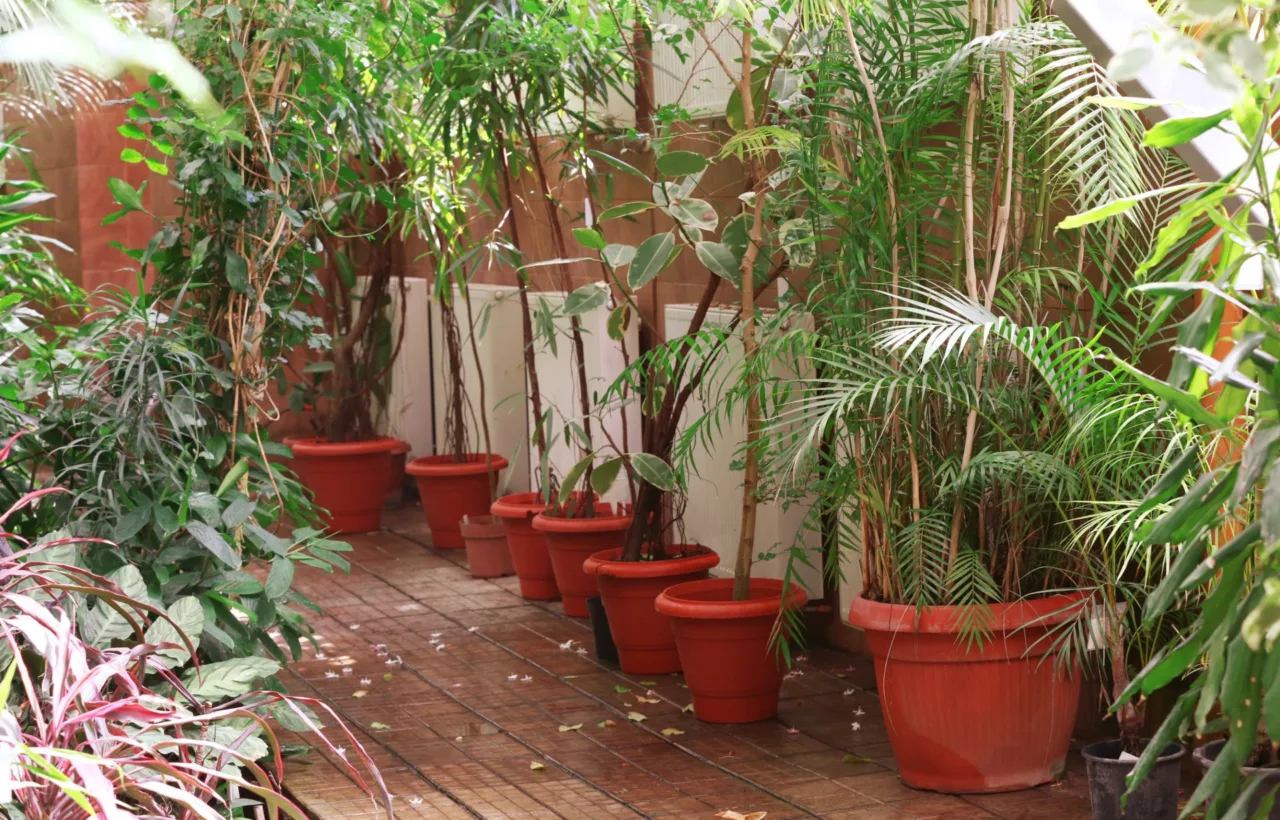
Grouping pots helps. A cluster creates its own microclimate and looks fuller than single lonely containers. I arrange them at different heights using stands or steps for more impact.
Common Pitfalls I Learned the Hard Way
I used to overcrowd pots. Plants need room to grow into each other without fighting. Now I leave a little space at planting time.
I also chased the prettiest plant without checking light needs. That neon coleus that looked amazing in the store burned out fast in deep shade. Labels matter.
Cheap plastic pots cracked after one winter. I switched to thicker materials or ceramic for anything that stays outside year-round.
Watering from above left spots on leaves and sometimes invited fungal issues. I water at the soil line now whenever possible.
Frequently Asked Questions
What are the easiest shade container garden ideas for beginners? Start with one hosta, a couple of heucheras, and creeping Jenny. This simple mix forgives mistakes and looks good almost immediately. You can expand later once you get the hang of watering and light.
How often should I water shade containers? Less often than sunny pots. I check every few days and water only when the top inch of soil feels dry. Overwatering kills more shade plants than underwatering in my experience.
Can I use the same plants year after year? Some yes, some no. Hardy hostas, heucheras, and ferns often return if the pot stays protected. Annuals like impatiens and most coleus need replanting each spring. I treat the woody or perennial ones as permanent residents and refresh the rest.
Do shade containers need special fertilizer? Not really. A balanced liquid fertilizer at half strength every two to three weeks during the growing season works fine for me. Shade plants grow slower, so they need less push than full-sun ones.
What size pot works best for shade container garden ideas? Bigger is usually better for root space and moisture stability. I aim for at least 12 to 16 inches across for mixed plantings. Small pots dry out faster and limit plant choices.
I still get excited every spring when I haul out the empty pots and start planning new combinations. Shade no longer feels like a limitation. It feels like a different set of rules that reward texture and thoughtful plant choices over pure flower power.
You do not need perfect conditions or endless space. A few well-chosen containers and the right plants turn those dark corners into the most interesting parts of the garden. Grab a pot, pick a couple of reliable shade lovers, and start. The results sneak up on you fast.