
I started tomato container gardening on a cramped balcony that got maybe six hours of sun on a good day. My first try ended with three sad plants and one sad harvest of four wrinkled tomatoes. Honestly? I almost quit. Then I stopped guessing and started paying attention to what actually works in pots.
You need the same basics I finally figured out. Big enough containers. The right varieties. Consistent water. Decent soil. That’s it. Do those things and you get real tomatoes even if your “garden” is a sunny corner of a patio or a fire escape.
I grow mine every year now. Some seasons are better than others. The point is you can do this without a single square foot of ground.
Why Tomato Container Gardening Works When You Think It Won’t
Containers give you control. You pick the soil. You move the pot if the sun shifts. You skip the soil-borne diseases that live in most backyard dirt. I learned that the hard way after my in-ground tomatoes got blight two years in a row.
Pots dry out faster. They need more frequent feeding. The plants stay a little smaller. But the flavor? Same as any garden tomato if you give them what they need.
See, most people fail because they treat a pot like a mini garden bed. It’s not. It’s a closed system. Once you treat it that way, everything gets easier.
Choosing the Right Container Size for Tomato Container Gardening
Size is the biggest make-or-break decision. I wasted two seasons on cute 3-gallon pots. The plants looked fine for a month. Then they stalled. Roots had nowhere to go.
Here’s the rule I follow now:
- Cherry or dwarf varieties: minimum 5 gallons. 7–10 is better.
- Determinate (bush) types: 10 gallons minimum. 15 if you can manage it.
- Indeterminate (vining) types: 15–20 gallons. Anything less and you fight the plant all summer.
Depth matters as much as volume. Go for at least 12 inches deep. 16–18 inches is ideal. Roots need room to spread and support the weight of fruit later.
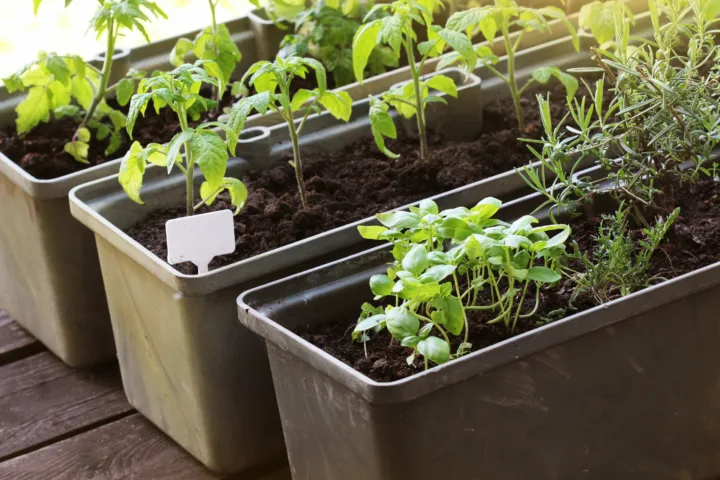
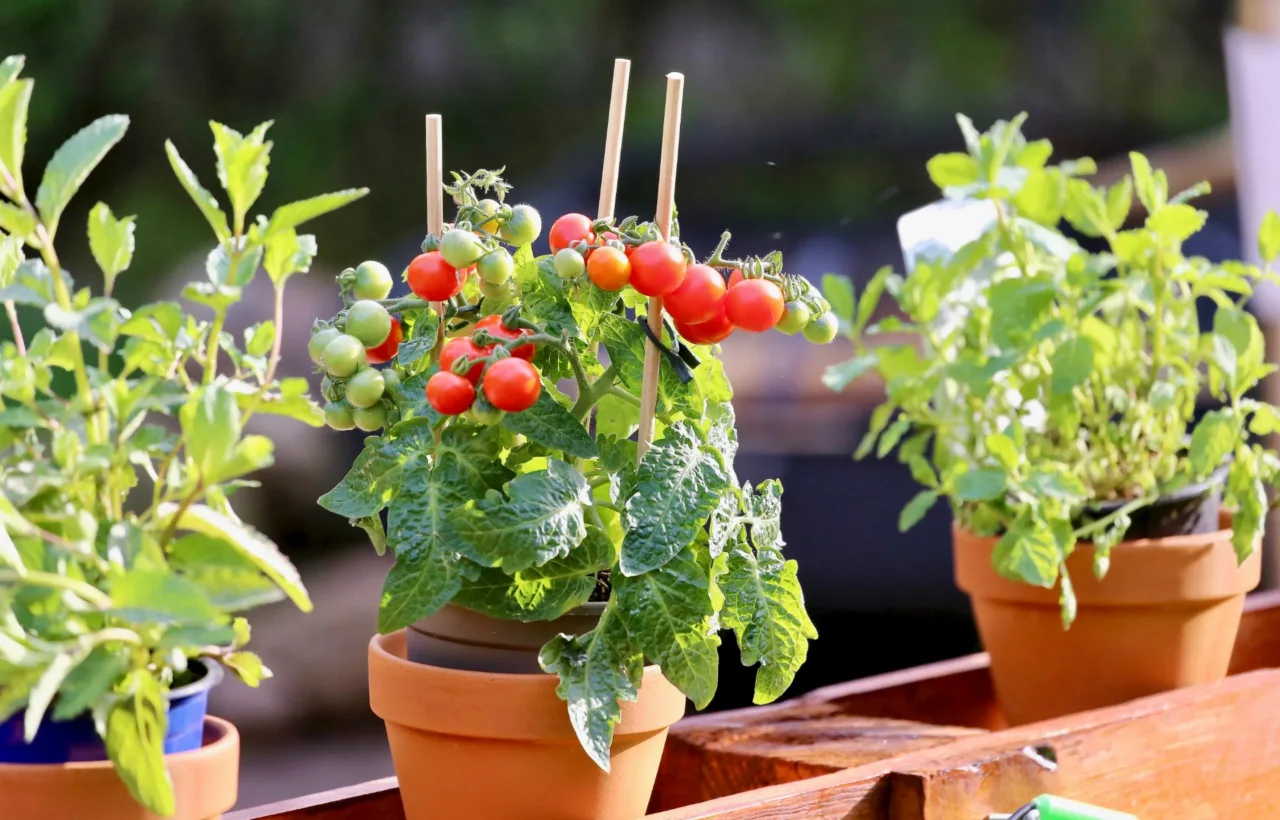
I use fabric grow bags most of the time. They breathe. Roots get air-pruned so the plant stays healthier. Plastic pots work fine too if they have drainage holes. Terracotta looks nice but dries out too fast in summer heat. I only use it for smaller cherry plants I can water twice a day.
One plant per pot. Always. Crowding kills airflow and invites disease. I tried two plants in a big tub once. Never again.
Elevate fabric bags and pots slightly so drainage holes never sit in pooled water after watering or storms.
Best Tomato Varieties That Actually Produce in Pots
Not every tomato belongs in a container. Indeterminate giants like Brandywine will outgrow almost any pot and demand constant support. I still grow a couple when I have the space, but for reliable results I stick to compact types.
My current favorites:
- Patio Princess and Patio Choice: true bush types. Stay under 3 feet. Heavy yield of medium fruit.
- Bush Early Girl: early and productive. Perfect if your season is short.
- Tiny Tim or Tumbling Tom: micro cherry plants. Great for hanging baskets or very small spaces.
- Sungold: if I want one indeterminate, this is it. Sweet cherry tomatoes that keep coming. Needs a tall cage and a 15-gallon bag minimum.
- Roma or San Marzano bush types: for sauce. They stay manageable and produce thick-walled fruit.
I buy transplants that already look stocky and dark green. Leggy ones struggle more in pots. If I start from seed, I transplant them deep into the final container so the buried stem grows extra roots.
Harden off stocky transplants outdoors for about a week before leaving them permanently on an exposed balcony or patio.
Soil and Planting: The Setup That Makes or Breaks You
Garden soil is too heavy. It packs down and stays wet. I learned that after one season of root rot.
Use a quality potting mix made for containers. Look for something with peat or coco coir, perlite, and a bit of compost. I mix my own sometimes: two parts potting mix, one part compost, a handful of perlite. It stays light and drains while still holding moisture.
Plant deep. Strip the lower leaves and bury two-thirds of the stem. New roots form along that buried section. The plant gets stronger and handles drought better. I water the mix thoroughly before planting so it settles around the roots without air pockets.
Add a slow-release tomato fertilizer at planting time. Then I switch to liquid feed later. More on that in a minute.
Keep slow-release fertilizer granules away from the buried stem, where concentrated nutrients can damage newly forming roots.
Sun, Water, and the Daily Reality of Container Tomatoes
Tomatoes want full sun. Six hours minimum. Eight is better. Containers make this easier because you can move them. I put mine on a rolling plant caddy so I can chase the light or bring them under cover during heavy storms.
Watering is where most people mess up. Pots dry out fast. In hot weather I check every morning. Stick a finger two inches into the mix. If it’s dry, water until it runs out the bottom. Shallow sips lead to blossom end rot and cracked fruit. Deep, consistent moisture is the goal.
I mulch the top of every pot with straw or shredded leaves. It slows evaporation and keeps the soil temperature more even. FYI, black plastic pots can get hot enough to cook the roots on a 90-degree day. I move those into partial afternoon shade when the heat spikes.
On sheltered balconies, gently tap flowering stems around midday to improve pollen release and fruit set.
Feeding and Support Without Overcomplicating It
Containers have limited nutrients. I feed regularly.
- At planting: slow-release granular tomato fertilizer mixed into the top layer.
- Once plants start growing strong: liquid fertilizer every two weeks.
- When flowers appear: switch to a formula higher in potassium (look for tomato-specific labels).
I skip the fancy schedules. If the leaves look pale, I feed. If the plant is loaded with fruit, I feed a little more often.
Support goes in at planting time. Waiting until the plant is big makes it harder. For bush types a simple tomato cage works. For anything taller I use a sturdy stake or a tall cage and tie the main stems loosely as they grow. Fabric bags need a support that stands outside the bag or the whole thing tips over when the fruit gets heavy.
Common Mistakes I Made So You Don’t Have To
I overwatered at first because I was scared of underwatering. Roots need oxygen. Soggy soil kills them.
I used pots that were too small. The plants never recovered once they got root-bound.
I skipped support. One good windstorm and a fruit-heavy plant becomes a mess on the patio floor.
I planted too early. Cold nights below 50°F stress container plants more than in-ground ones. I wait until nights stay warm.
I ignored the bottom of the pot. Without drainage holes you get standing water. Drill them if they aren’t there.
How I Keep Plants Healthy Through the Season
I check for pests weekly. Aphids and whiteflies show up more on stressed plants. A strong spray of water usually knocks them off. For persistent problems I use insecticidal soap.
Blossom end rot is almost always a watering issue, not a calcium shortage. Keep the moisture steady and it mostly disappears.
Yellow lower leaves are normal as the plant ages. I remove them to improve airflow. Brown spots or fuzzy mold mean I need better spacing or less overhead watering.
At the end of the season I empty the bags, rinse them, and store them dry. Reusing the same mix without refreshing it leads to disease and nutrient depletion. I start fresh every year or at least top-dress heavily with compost.
Do not compost leaves showing brown spots or fuzzy mold, because contaminated material can spread disease back to containers.
Frequently Asked Questions
How often should I water tomato plants in containers? Check daily in warm weather. Water when the top two inches of mix feel dry. Always water until it drains out the bottom. Consistency beats volume.
Can I grow indeterminate tomatoes in containers? Yes, if you give them 15–20 gallons and strong support. I do it with Sungold every year. Just know they demand more water and attention than bush types.
What’s the best potting mix for tomato container gardening? A light, soilless mix with good drainage. Avoid pure garden soil. I look for mixes labeled for vegetables or containers and add a bit of extra perlite if it feels heavy.
Do container tomatoes need fertilizer every week? Not necessarily every week. I start with slow-release at planting, then switch to liquid every two weeks once the plants are growing. Watch the leaves. Pale color means they need more food.
How many tomato plants can I put in one pot? One. Always one. Multiple plants compete for water and nutrients and reduce airflow. Bigger harvests come from giving each plant its own space.
I still get surprised every summer when the first ripe tomato hits the kitchen counter. The flavor of a tomato you grew yourself in a pot on a balcony beats anything from the store. Start with one solid 10-gallon bag and a bush variety. Get the watering right. Feed it. Give it sun.
That’s all it takes. The rest is just showing up every day and paying attention. You’ll figure out your own rhythm. I did. And now tomato container gardening is the part of summer I look forward to most.