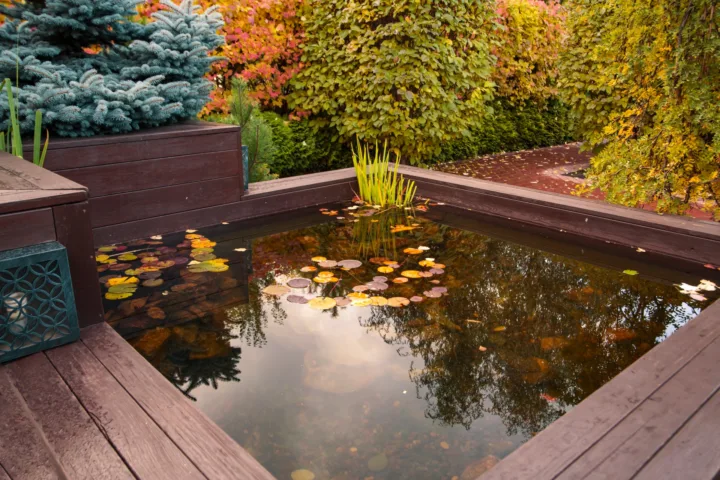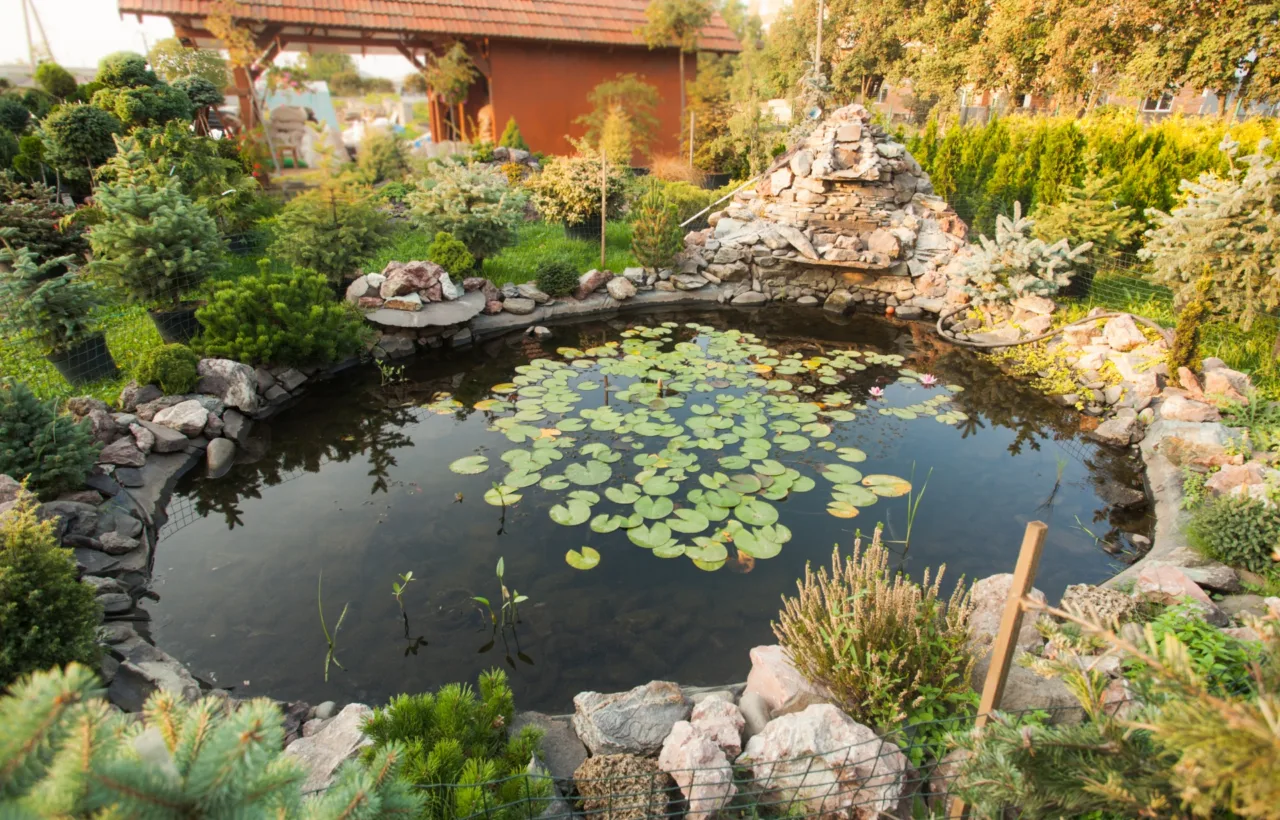

I spent two summers staring at a bare concrete patio and wishing for the sound of water. Traditional ponds felt impossible. Too much digging. Too much space. Too much work. Then I discovered patio pond ideas for container water gardens and everything shifted.
Honestly? I almost talked myself out of it. I thought containers would look cheap or dry up in a week. They did not. My first setup cost under $80 and still sits on the same corner of the deck three years later. Birds visit. Dragonflies hover. Friends stop mid-conversation just to stare at the water lilies.
You do not need a big yard. You do not need fancy tools. You just need a watertight vessel, a few plants, and the willingness to experiment. I will walk you through exactly what worked for me, what flopped, and the simple ideas that turned a lifeless slab into the calmest spot in the house.
Why Container Water Gardens Beat Traditional Ponds for Most of Us
I used to believe a real pond required a hole in the ground and a fat wallet. That thinking kept me stuck. Container setups changed the equation.
They move. They scale. They demand far less upkeep. On a patio or balcony you control the exact amount of sun, the height of the water, and how much time you spend with a net each weekend. I clean mine in under fifteen minutes most weeks.
See, the real win sits in the flexibility. Last fall I dragged the whole thing three feet left so the afternoon shade would protect the fish. Try doing that with an in-ground pond.
Space stays the biggest limiter for most people. Container water gardens laugh at that problem. Even a wide ceramic bowl on a plant stand creates a focal point without stealing floor space. I started with a 24-inch diameter pot and still had room for two chairs and a small table.
Choosing Containers That Actually Work
The container decides everything. Get this wrong and the rest falls apart.
I tried four different vessels before I found my favorites. Depth matters more than width. Aim for at least 12 inches deep if you want water lilies or small fish. Shallower bowls work for floating plants and pure decoration, but they heat up fast in summer.
Here are the options I tested and still recommend:
- Half whiskey barrels. These look natural and hold enough water for a dwarf lily plus two marginals. Line them if the wood has gaps. Mine leaked for a week until I sealed the inside with a pond-safe liner offcut.
- Galvanized stock tanks. Tough. Affordable. Available at farm stores. The 40-gallon size became my workhorse. It never flexed under the weight of water and plants.
- Large ceramic or resin pots. Pretty, but check for drainage holes and plug them tight. I once lost an entire weekend of water because I forgot that step.
- Pre-formed patio pond kits. These come with shelves molded in. Perfect if you hate improvising. I bought one on sale and still use it for the smaller setup near the door.
Weight surprised me. Water is heavy. A 30-gallon container full weighs over 250 pounds. Place it where you want it before you fill. Moving a full one is a nightmare.
Dark interiors help. They make the water look deeper and hide any algae that sneaks in. I painted the inside of a light plastic tub with black pond paint and never regretted it.
On an elevated deck, verify the structure can support a filled 30-gallon container, which may exceed 250 pounds.
Plants That Thrive in Small Patio Ponds
Plants do the real work. They shade the water, fight algae, and give the whole thing life.
I kill plants sometimes. That is normal. The ones that survived taught me more than any list.
Start with a mix of three types. Tall marginals for height. Floaters for surface cover. One dwarf water lily if the container runs deep enough.
My current lineup:
- Dwarf water lily (Nymphaea ‘Helvola’). Yellow flowers. Small footprint. Lives happily in 12 to 18 inches of water. I lower the pot slowly as the pads grow.
- Water lettuce or water hyacinth. These float and multiply fast. They shade the surface and pull nutrients that algae would otherwise steal. Thin them every few weeks or they take over.
- Creeping Jenny. I plant this on the shelf or in a shallow basket so the stems spill over the edge. Golden color pops against dark water.
- Parrot’s feather. Soft texture. Grows quickly. Handles partial shade better than most.
- Hornwort or anacharis. Submerged oxygenators. Drop a handful in and forget them until they need thinning.
Honestly? I skipped the fancy catalogs at first. Local garden centers sell most of these in the pond section during spring. I grabbed what looked healthy and sorted the rest later.
Arrange with height in mind. Taller plants toward the back if you view the pond from one side. Let spillers hang over the rim. Leave open water in the middle so you still see the surface move.
Adding Movement and Sound Without the Hassle
Still water looks pretty for about a day. Then mosquitoes arrive and the surface turns scummy. Movement fixes both problems.
I started with a cheap aquarium pump and a length of tubing. It worked. The sound stayed soft enough that I could still hear conversation on the patio.
Later I upgraded to a small solar fountain. No wires. No outdoor outlet needed. On cloudy days it slows, but the residual flow still helps. FYI, the solar ones perform best when you keep the panel clean and angled toward the strongest sun.
Bamboo spitters look great if you want a Japanese feel. I tried one. The stream proved a little aggressive for my 24-inch pot and caused constant top-ups. Smaller flow rates work better in tight containers.
Hide the pump under a rock or inside a mesh bag filled with lava rock. That keeps debris out and the water clearer longer.
Fish or No Fish? My Honest Take
I added two goldfish the second year. They brought color and personality. They also brought more work.
Small containers heat and cool quickly. Oxygen drops overnight if the surface stays still. I lost one fish during a heat wave because I forgot to check the thermometer. Lesson learned.
If you want fish, stick to hardy options like rosy red minnows or a single small goldfish. Follow the rough rule of one inch of fish per gallon of water. Overstock and the water fouls fast.
Many people skip fish entirely and still love their patio ponds. Birds and insects provide plenty of motion. Mosquito dunks or a bit of surface movement keep larvae away without livestock.
IMO, start without fish. Get the plants and water quality stable first. Add animals only after you know the system runs clean for a few weeks.
Goldfish generally create more waste than rosy red minnows, so identical gallon-based stocking can produce very different maintenance demands.
Step-by-Step Setup That Actually Sticks
I wasted time overthinking the first attempt. Here is the exact process I now follow every time I start a new container.
- Choose and clean the vessel. Scrub with vinegar if it previously held soil or chemicals.
- Plug any holes. Use silicone or a rubber stopper. Test with a little water.
- Add a layer of rinsed pea gravel or small river rock on the bottom.
- Place bricks or inverted pots to create different depths if needed.
- Position the pump and any tubing.
- Pot the plants in aquatic soil or heavy clay, then top with gravel so soil stays put.
- Fill slowly with dechlorinated water. Let it sit overnight if you use tap water.
- Introduce plants and wait a week before adding fish or more decoration.
The overnight wait matters. Chlorine needs time to dissipate, and the temperature stabilizes. Rushing this step stressed my first lily.
Location counts. Most aquatic plants want four to six hours of sun. Afternoon shade protects against overheating. I moved my main pond twice before I found the sweet spot between the railing and the house wall.
Test every plug and liner overnight before planting; hidden leaks are harder to diagnose once gravel, soil, and plants are installed.
Maintenance That Fits Real Life
I refuse to spend every weekend scrubbing. Container water gardens reward consistency over intensity.
Once a week I skim floating debris and check water level. Top up with dechlorinated water as needed. Every two weeks I thin aggressive floaters. Once a month I rinse the pump filter under the hose.
Algae appears. It always does. More plants and surface cover reduce it faster than chemicals. A handful of barley straw extract every few weeks keeps things in check without turning the water cloudy.
Winter depends on your climate. In mild zones I leave everything outside and just stop feeding fish. In colder spots I move the smaller containers into an unheated garage or drain and store them. The half-barrel stays outside with a small heater if temperatures drop below freezing for long stretches.
A sudden water-level drop after topping up often indicates a liner, stopper, or tubing leak rather than ordinary evaporation.
Real Patio Pond Ideas I Have Tried and Still Use
Ideas matter more than theory. These five setups live on my deck or have lived there long enough for me to trust them.
The ceramic bowl corner piece. Wide and shallow. Holds water lettuce, a couple of moss balls, and a tiny solar bubbler. Perfect for a table or plant stand. Takes ten minutes to set up.
The stock tank wildlife version. No fish. Just plants, rocks for birds to perch, and a gentle overflow. Dragonflies found it within days. Kids love watching the surface ripples.
The whiskey barrel lily pond. One dwarf lily, creeping Jenny spilling over, and a small spitter. Looks finished the day you plant it. Guests always ask how long it took.
The multi-level cascade. Two stacked containers with a quiet pump moving water from the top bowl to the bottom. Sound becomes the main feature. Plants stay minimal so the flow stays visible.
The recycled sink. An old Belfast-style sink plugged and filled. Cottage vibe. Holds marginals along the edges and a few floaters in the center. Cheap if you find one secondhand.
Mix and match. Steal the parts that fit your space and ignore the rest.
For a stacked cascade, secure the upper container and direct overflow away from deck boards before running the pump continuously.
Frequently Asked Questions
How deep should a patio pond be for container water gardens? Twelve to eighteen inches works for most plants and small fish. Shallower containers suit floaters and pure decoration but heat up faster.
Can I keep fish in a small container water garden? Yes, but keep the stocking light and watch temperatures. One or two small goldfish or minnows usually succeed if the water stays oxygenated.
Do patio ponds attract mosquitoes? Still water does. Moving water and a few floating plants cut the problem dramatically. Mosquito dunks offer extra insurance during warm months.
What is the cheapest way to start a patio pond? A large plastic storage bin or secondhand ceramic pot, a handful of plants from a local nursery, and a basic pump. You can stay under $50 if you shop carefully.
How often do I need to change the water? Rarely. Top off for evaporation and do a partial change only if the water turns murky or smells off. Healthy plants and a working pump keep things stable for months.
Final Thoughts from My Deck Chair
I started this project because I wanted something living on a concrete patio that felt dead. Three years later the water still draws me outside even on busy days. The sound of a small fountain beats any soundtrack I stream.
Start small. Pick one container. Add two or three plants. Turn on a pump. Watch what happens for a month. Adjust. The best patio pond ideas for container water gardens grow from the ones you actually build, not the ones you only pin.
My deck finally feels finished. Yours can too. Grab a pot this weekend and see where the water takes you.