
I started with a bare concrete patio and zero gardening confidence. Now that same space holds the container garden ideas that keep me outside every evening with a coffee and a smile. I learned the hard way that pots are forgiving if you treat them right. They move when the sun shifts. They let you experiment without digging up the whole yard. And they give you color even when the rest of the place looks tired.
Honestly? My first attempts looked sparse and sad. Plants dried out fast. Combos clashed. I almost quit. Then I stopped overthinking and started using a few simple rules that still guide every pot I plant.
Why Containers Beat the Ground for Me
I live with limited space and shifting light. Digging beds never felt realistic. Containers fixed that. I can group them for privacy. I can raise them for better drainage. I can swap plants when the season changes without guilt.
See, the real win is control. Soil stays light and fresh. Pests have fewer places to hide. Water goes exactly where I put it. And if a plant fails, I just replant the pot. No permanent scars in the yard.
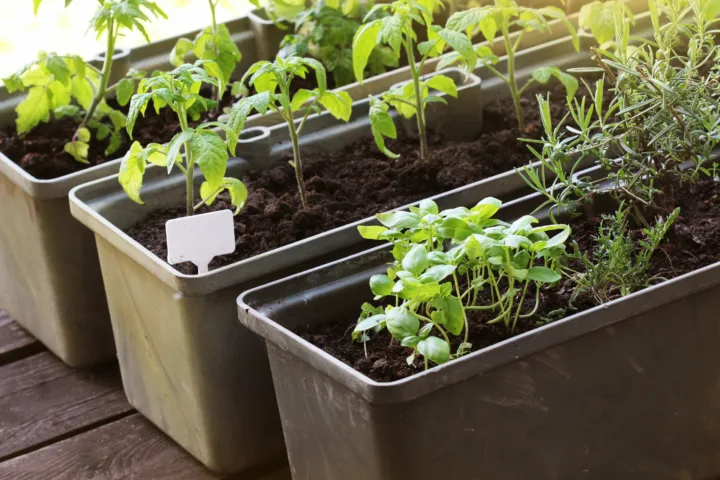
I still remember the first summer I tried this. One big pot of tomatoes and herbs sat by the back door. I harvested basil every other day. That single success hooked me.
The Formula That Makes Every Pot Look Full
Most of my container garden ideas start with the same three roles. I call them the backbone.
Thriller: The tall one that grabs attention. I use ornamental grasses, cannas, or a small spike plant. It sits in the center or back.
Filler: The medium plants that bulk things up. Coleus, lantana, or bushy herbs fill the middle and hide the soil.
Spiller: The trailers that soften the edges. Creeping jenny, sweet potato vine, or calibrachoa spill over the rim and make the pot feel generous.
I plant one thriller, three to five fillers, and four to seven spillers in a 16-inch pot. The numbers flex depending on plant size, but the balance stays the same. Empty space disappears. The pot looks intentional instead of sparse.
I tested this on a cheap plastic pot years ago. The result looked like something from a magazine. That was the moment I stopped guessing.
Sweet potato vine can overpower coleus and calibrachoa in a 16-inch pot, so pinch runners regularly before they hide the fillers.
My Favorite Small-Space Container Garden Ideas
Small patios and balconies need smart moves. These are the ones I return to every year.
Vertical Walls and Hanging Options
I hang baskets from the railing and mount pocket planters on the fence. Trailing petunias and strawberries work hard here. The fruit hangs clean and easy to pick. Herbs stay right outside the kitchen door.
One year I stacked three wall troughs. Basil, thyme, and oregano filled the top. Lettuce and nasturtiums spilled from the lower ones. The whole wall turned green in weeks. Neighbors asked how I did it. I just pointed at the pots.
One Oversized Statement Pot
I used to scatter six small pots. They looked cluttered. Now I pick one big planter and go all in. A single 20-inch pot holds a dwarf Japanese maple as the thriller, mounding heuchera as fillers, and dichondra as the spiller. It anchors the whole patio. Everything else supports it.
Bigger pots dry out slower. Roots stay cooler. Watering becomes less of a daily scramble. IMO, this single change cut my maintenance time in half.
Edible Containers That Look Good Too
I grow food in plain sight. Cherry tomatoes tumble over the side of a half-barrel. Peppers stand tall in the middle. Basil and parsley fill the gaps. The mix looks decorative and feeds us.
Strawberries in hanging baskets remain my favorite. The berries stay clean. Birds struggle to reach them. And the plants keep producing if I keep them watered.
Compact varieties matter. Full-size indeterminate tomatoes will overwhelm a pot. Determinate or patio types stay polite.
Grouped Pots at Different Heights
I stack a few bricks under the back pots. The height variation creates depth without extra space. Three pots of matching color but different sizes sit together. One tall, one medium, one low. The group reads as a single design.
This trick works on steps, against a wall, or in a corner that needs filling. I move the groups around when I want a new view.
Succulent and Low-Water Mixes
Hot corners get the tough plants. I fill shallow bowls with echeveria, sedum, and string of pearls. They need almost no water once established. The textures look sharp against concrete or wood.
I once left a succulent pot alone for two weeks during a trip. It survived. My flower pots did not. Lesson learned.
Choosing Containers and Soil That Actually Work
I care more about drainage than looks. Every pot needs holes. If it lacks them, I drill. A layer of broken pottery or gravel at the bottom keeps soil from clogging the holes.
Material matters. Terracotta breathes and dries fast. Plastic holds moisture longer. Fabric grow bags stay light and prevent root circling. I use all three depending on the plant.
Soil never comes from the yard. Garden dirt packs tight and holds disease. I buy a quality potting mix with perlite or coir. Sometimes I mix in a little compost for extra food. The mix stays loose and drains while still holding enough moisture.
Size follows the plant. Herbs manage in 6- to 8-inch pots. Leafy greens want 8 to 12 inches. Tomatoes and peppers need at least 5 gallons. Bigger almost always wins.
Skip gravel beneath potting mix: it does not improve drainage and reduces the soil volume available to patio herbs, greens, tomatoes, and peppers.
Watering and Feeding Without the Stress
Containers dry out faster than ground beds. I check the top inch of soil every morning. If it feels dry, I water until it runs out the bottom. Shallow sips do nothing. Roots need a deep soak.
In peak heat I water daily, sometimes twice. Self-watering pots help on busy weeks. A simple saucer under the pot catches runoff and keeps the patio cleaner.
Fertilizer keeps things growing. I mix slow-release granules into the soil at planting. Every two weeks I add a diluted liquid feed. Overfeeding burns roots. Underfeeding leaves plants pale. I stay in the middle.
Mulch on top of the soil slows evaporation. A thin layer of bark or gravel does the job.
Seasonal Swaps Keep Things Interesting
I treat containers like temporary rooms. Spring brings pansies and early bulbs. Summer shifts to heat lovers. Fall adds mums and ornamental kale. Winter pots hold evergreens or empty until the next round.
One pot stays permanent. A small evergreen shrub sits in a large ceramic container year-round. Seasonal annuals fill the front each time. The structure stays. The color changes.
I move pots to follow the sun. Morning light suits shade plants. Afternoon spots go to the sun lovers. Flexibility is the whole point.
Common Mistakes I Made and How I Fixed Them
I overcrowded pots at first. Plants competed and none thrived. Now I leave breathing room and thin if needed.
I ignored light needs. A shade plant in full sun wilted fast. I match the label to the spot.
I used the wrong soil. Heavy dirt turned to concrete. Proper mix fixed the drainage problems overnight.
I forgot to check for pests. Aphids and whiteflies love containers. A strong spray of water or insecticidal soap handles most of them early.
These fixes turned frustration into steady success.
Frequently Asked Questions
How often should I water my container garden ideas setups? I check the soil daily and water when the top inch feels dry. Hot weather can mean daily or twice-daily soaks. Always water until it drains out the bottom.
What size container works best for beginners? Start with 12- to 16-inch pots for mixed plantings. Bigger holds moisture longer and gives roots room. Tiny pots dry out too fast and limit growth.
Can I grow vegetables successfully with these container garden ideas? Yes. Compact tomatoes, peppers, lettuce, and herbs all perform well. Give them full sun, consistent water, and a large enough pot. The harvest tastes better than store-bought.
Do I need special soil for containers? Regular garden soil packs too tight. Use a lightweight potting mix made for containers. It drains well and stays airy around the roots.
How do I keep my pots looking full all season? Follow the thriller-filler-spiller balance. Deadhead spent blooms. Feed lightly every couple of weeks. Replace any plant that fades with a fresh one.
Final Thoughts From My Patio
I still walk outside every morning and check the pots first. Some days a new bloom opens. Other days I just sit and enjoy the green. These container garden ideas gave me a garden I can manage, move, and enjoy without a big yard or endless free time.
Start with one pot. Use the three roles. Water deeply. Watch it grow. The rest follows. Your space will feel different once the first spillers start cascading over the edge. Mine did. Yours will too.