
I spent three summers waving my arms like a maniac on the patio. Mosquitoes treated me like an all-you-can-eat buffet. Then I started putting together a mosquito repelling plants container right next to my favorite chair, and the difference hit me fast.
Honestly? I almost gave up after the first try. The plants looked pretty but the bugs still showed up. I adjusted the mix, moved the pots closer, and started crushing a few leaves every evening. That finally worked.
See, most people buy one random “mosquito plant” and expect miracles. I think that’s the wrong way to go about it. A single plant rarely does the job. A smart container combination does.
Why I Switched to Mosquito Repelling Plants in Containers
I live in a small space. No big backyard beds for me. Containers gave me control. I could move them where I actually sit. I could group plants that like the same water and sun. And I could bring the tender ones inside when temperatures dropped.
Containers also stop aggressive growers from taking over. Mint and lemon balm spread like crazy in the ground. In a pot they stay polite.
I noticed the scent stays stronger when the plants sit close together. One lonely lemongrass in the far corner does almost nothing. Three or four plants in one big pot right by my feet create a real barrier.
My Top Plants for a Mosquito Repelling Plants Container
I tested a bunch. Some worked better than others. Here are the ones that earned a permanent spot on my patio.
A plant’s reputation alone does not guarantee patio results, so permanent selections should reflect your own container growing conditions and mosquito pressure.
Lemongrass
This one is my heavy hitter. The citrusy smell comes from the same compounds used in many commercial repellents. I grow it in the center of larger pots because it gets tall fast.
I water it regularly and give it full sun. When the evening breeze hits the leaves, the scent spreads. Crushing a few blades and rubbing them on my arms adds another layer of protection.
Rosemary
Rosemary smells sharp and piney. Mosquitoes hate it. I love that I can cook with the same plant that keeps the bugs away.
It handles heat well and needs good drainage. I keep it toward the back or side of the container so it doesn’t shade smaller plants. Tossing a few sprigs on the grill releases extra scent. That trick works better than I expected.
Lavender
Lavender looks soft and pretty. The oil in the leaves and flowers bothers mosquitoes. I plant compact varieties so they fit neatly in mixed containers.
Full sun and well-draining soil keep it happy. I brush the foliage with my hand every time I walk past. That simple move releases more of the scent right when I need it.
Peppermint or Spearmint
Mint packs a strong punch. Menthol keeps mosquitoes moving along. The catch is the roots. They try to conquer everything.
I always plant mint in its own small pot and sink that pot inside the larger container. That way the roots stay contained. I snip leaves often for tea and for extra repellent power.
Basil
Basil releases its scent without much effort. The oils work even when I leave the plant alone. I grow sweet basil and lemon basil side by side.
It loves heat and consistent water. I keep a pot right on the dining table so I can grab leaves for dinner and brush them to boost the bug-repelling effect.
Marigolds
Bright orange and yellow blooms look cheerful. The scent contains compounds that many insects avoid. I use them as a colorful edge around taller plants.
They handle full sun and don’t ask for much. I deadhead spent flowers to keep them blooming all season.
Lemon Balm and Catnip
Both belong to the mint family. Both release strong scents that mosquitoes dislike. Lemon balm smells bright and citrusy. Catnip is famous for driving cats wild and mosquitoes away.
I grow them in separate pots or tightly controlled spots inside bigger containers. They spread if I give them the chance.
How I Arrange Plants in One Container
I follow a simple pattern. Tall plants in the center or back. Medium plants in the middle. Low or trailing plants at the edges.
One of my favorite mixes:
- Lemongrass in the center
- Rosemary and lavender around it
- Marigolds and basil near the rim
Another solid combo:
- Rosemary as the main plant
- Peppermint in a buried nursery pot
- Geraniums or marigolds filling the gaps
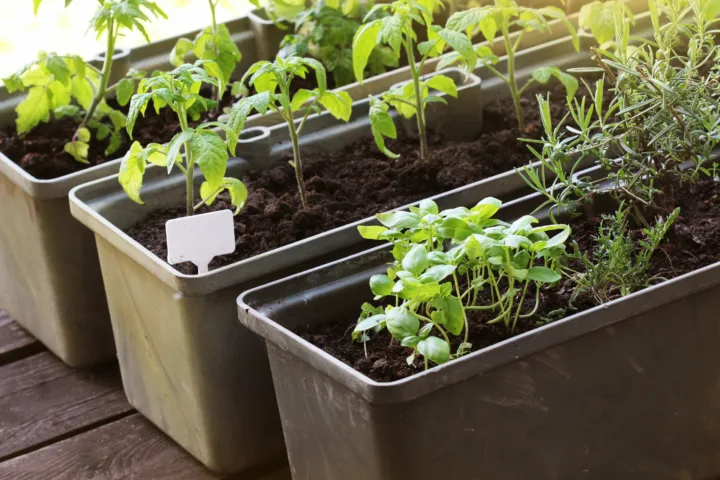
I always choose a large pot with drainage holes. At least 16 to 20 inches wide gives the roots room. I use a good potting mix made for containers, not garden soil. Garden soil packs down too tight.
I space the plants so air can move between them. Crowding leads to disease. I also make sure every plant in the pot likes the same light and water level.
Keep peppermint in its buried nursery pot: its vigorous roots can otherwise overtake slower rosemary, lavender, marigolds, or basil.
Care Tips That Keep the Plants Working Hard
Water when the top inch of soil feels dry. Most of these herbs hate soggy roots. I check daily in hot weather.
Feed lightly every few weeks with a balanced liquid fertilizer. Too much fertilizer makes the plants soft and less aromatic.
Prune regularly. Cutting stems encourages bushier growth and stronger scent. I harvest leaves often for cooking and for rubbing on my skin.
Move pots as needed. Morning sun and afternoon shade works for some. Full sun suits the others. I watch how the plants respond and shift them.
In colder climates I bring tender plants like lemongrass and basil inside before the first frost. Rosemary and lavender often survive outdoors in milder zones if I protect the pots.
Rubbing crushed leaves on skin is not equivalent to registered repellent; patch-test first, avoid eyes, and reapply frequently because protection is uncertain.
Placement Strategies That Make a Real Difference
Location matters more than people think. I used to put one lonely pot at the edge of the patio. The mosquitoes still found me.
Now I place containers within arm’s reach of where I sit. Three pots around the seating area work better than one giant one farther away. The overlapping scents create a stronger zone.
I also keep pots near doorways and windows. That stops mosquitoes from following me inside.
On windy evenings the scent travels farther. On still nights I crush a few leaves and place them in a small dish near me. That simple step boosts the effect when the air is calm.
Extra Tricks I Learned the Hard Way
Crushing leaves releases the oils. Just growing the plant is not always enough. I gently bruise a few stems every evening when I sit down.
Combining plants multiplies the power. One type of scent may work for a while. Several different scents confuse the mosquitoes more effectively.
I still use a fan on really bad nights. Moving air helps. The plants reduce the number of bugs. They do not create a force field.
IMO the best setup is a mix of plants plus smart placement plus occasional leaf crushing. That combination keeps most evenings pleasant.
Frequently Asked Questions
Do mosquito repelling plants container setups really work? They reduce the number of mosquitoes in the immediate area when you choose the right plants and place them close to where you sit. I still get occasional bites on heavy mosquito nights, but the difference is clear compared to having no plants at all.
How many plants do I need in one mosquito repelling plants container? Three to five plants in a large pot usually work well. One tall focal plant and a few companions keep the scent strong without overcrowding.
Can I grow these plants indoors? Some of them tolerate indoor conditions near a bright window. I move smaller pots of basil, mint, and lavender inside during winter. The outdoor containers still do most of the work during mosquito season.
How often should I crush the leaves? I do it once in the evening when I settle in for the night. A few leaves or stems are enough. Overdoing it can stress the plant.
What size container works best? I prefer pots at least 16 inches wide and deep. Smaller pots dry out too fast and limit root growth. Larger ones give the plants room to thrive and hold more scent.
I still remember the first evening the system actually worked. I sat outside with a cold drink and finished it without a single slap. That felt like winning.
You do not need a huge garden or expensive equipment. A few well-chosen plants in the right container, placed where you actually spend time, change the whole experience. Start simple. Pick two or three plants from the list, put them in one solid pot, and keep them close. Adjust as you go.
The patio feels like mine again. The mosquitoes can find someone else to bother.