
I replace my summer annuals the second the nights turn cool. Those leggy petunias and tired petunias look rough by mid-September, and I refuse to stare at empty pots until spring. Fall container plants fixed that problem for me years ago, and I have stuck with the same core group ever since.
Honestly? The first season I tried this, I went overboard with mums and ended up with a porch full of sad, faded blooms by Halloween. I learned fast. Now I mix tough foliage, cold-hardy flowers, and a few edibles that pull double duty. The result is containers that hold color through the first hard frost and sometimes longer.
You want the same result. Good. Here is exactly how I build mine, what I plant, and the small mistakes I stopped making.
Why I Switched to These Fall Container Plants
Summer pots demand constant water and deadheading. Fall pots ask for almost none of that once the temperatures drop. The plants I choose now handle cooler soil and shorter days without collapsing.
I live in a zone where frost shows up in late October most years. My containers still look decent into November because I stopped treating fall like a short epilogue to summer. I treat it like its own season with its own plant list.
The biggest shift came when I stopped shopping only for flowers. Foliage carries the display once the blooms slow down. That single change made everything last longer.
The Thriller-Filler-Spiller Formula I Actually Follow
I use the same basic structure every time. One tall plant for height. A few mounded plants for bulk. One or two that trail over the rim. It sounds rigid. It is not.
Place the tallest plant slightly off-center, creating asymmetry while preserving the thriller-filler-spiller structure.
Choosing the Thriller
My favorite thrillers are ornamental grasses and small evergreens. Purple fountain grass gives me that soft, swaying movement I want. I place it slightly off-center so the pot does not look formal.
Dwarf Alberta spruce works when I want something that can move into the ground later. I have transplanted three of them into my border after they spent a full fall in pots. They settled fine.
Black-eyed Susans also pull thriller duty if I want bright yellow. They keep flowering until the nights get truly cold.
Building the Filler Layer
This is where the color happens. I pack the middle of the pot with plants that fill space fast.
- Pansies and violas. These are non-negotiable. They bloom harder as the weather cools. I buy the bigger-flowered pansies for impact and mix in smaller violas for continuous color.
- Ornamental kale and cabbage. The colors deepen after the first chill. I plant them a little deeper than the label suggests so the lower leaves stay covered.
- Heuchera. The coral bells with caramel or deep purple leaves hold their shape even when everything else slows down. I use them every year now.
- Swiss chard. Bright Lights chard gives me stems in yellow, pink, and red. I harvest a few leaves for the kitchen and leave the rest for the display.
I plant fillers close. Empty space looks sparse once growth slows in cooler weather.
Adding the Spiller
Spillers soften the hard edge of the pot. Creeping Jenny still works for me in fall if the pot gets morning sun. Sedum is tougher and needs almost no water. I also use sweet alyssum when I want scent. It trails nicely and keeps flowering in mild stretches.
One year I tried calibrachoa as a spiller. It performed fine until a sudden cold snap. Now I stick with plants that shrug off the thirties.
My Core List of Fall Container Plants That Deliver
I keep this list short on purpose. Too many options slow me down at the garden center.
Pansies remain the workhorse. I buy them in six-packs and plant them in groups of three or four per pot. They handle light frost without complaint. IMO they outperform almost every other annual in cool weather.
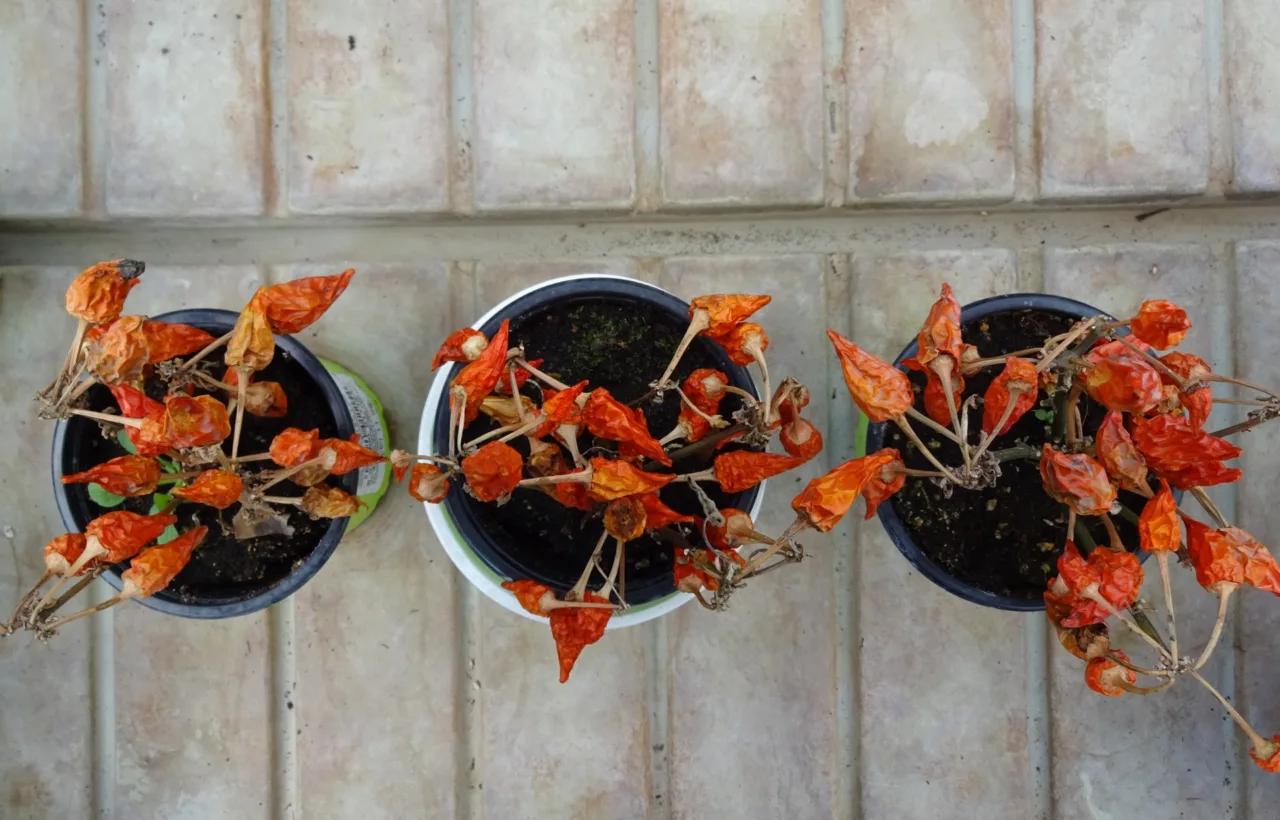
Ornamental peppers give me the red and orange that screams fall. The small fruits last for weeks. I grow them in full sun pots only.
Coleus still shows up in my planters even though many people think of it as a summer plant. Certain varieties hold their color deep into fall if nights stay above freezing. I treat them as temporary and replace them if a hard freeze is coming.
Asters surprised me. The compact ones stay tidy in pots and attract late-season bees. I pair purple ones with yellow rudbeckia for contrast.
Ornamental grasses provide the structure. Purple fountain grass is my default. In colder zones I switch to hardy carex or hakone grass for the gold foliage.
I avoid full-size mums most years. They look great for two weeks and then turn brown. The garden-center ones rarely overwinter well in pots. I would rather spend the money on plants that keep working.
Treat ornamental peppers as display plants, not pantry produce: fruit selection and pesticide history can make garden-center specimens unsuitable for eating.
How I Plant and Care for These Containers
Timing matters more than people admit. I plant between mid-August and early September. The roots need a few weeks of warm soil before the nights drop hard.
I use a quality potting mix with added compost. Garden soil packs down and stays wet too long in cool weather. Drainage holes are non-negotiable. I check them every time I reuse a pot.
Watering changes completely. In September I still water when the top inch feels dry. By mid-October I cut back. Cool air and shorter days mean the soil stays moist longer. Overwatering is the fastest way to kill a fall container.
Fertilizer is minimal. A slow-release at planting time is usually enough. Heavy feeding pushes soft growth that freezes easily.
When a hard freeze is forecast I move the smaller pots against the house wall or under the porch overhang. The larger ones get a light cover of frost cloth if I remember. Most of the time I just accept some damage and clean up later.
Set containers on pot feet or bricks before autumn rains, keeping drainage holes clearer when leaves and debris collect around patios.
Combinations That Have Worked for Me
I keep notes on the ones that looked good past Halloween.
One pot holds purple fountain grass in the center, caramel heuchera around it, and a ring of deep purple pansies with creeping Jenny spilling out. The colors stay rich even after the grass starts to brown.
Another mix uses a small boxwood as the thriller, ornamental kale for the bulk, and white pansies with alyssum around the edge. It looks clean and lasts into winter.
For a sunny spot I plant black-eyed Susan, Swiss chard, and a few ornamental peppers. The chard and peppers keep the interest going after the flowers fade.
I tried a shade version last year with hakone grass, dark heuchera, and violas. It held up better than I expected under the porch roof.
Mistakes I Made So You Can Skip Them
I once planted everything too early. The heat stressed the pansies and they never recovered fully. Wait until nights stay in the sixties.
I also crowded the pots the first couple of seasons. Plants need room for roots even in cool weather. A 14-inch pot holds three to five plants comfortably. More than that and they compete.
Skipping drainage was a disaster one October. Standing water plus cold nights equals root rot. Now I always elevate pots slightly on feet or bricks.
Buying only flowers left me with gaps once blooms finished. Foliage plants fill those gaps and cost less in the long run.
Frequently Asked Questions
How late can I plant fall container plants? I aim for four to six weeks before the average first hard frost. That window gives roots time to settle. Planting in mid-October works in mild zones but risks weak growth farther north.
Do fall container plants need full sun? Most of the ones I use prefer full sun to part sun. Pansies and heuchera tolerate more shade than the grasses and peppers. I match the plants to the light the pot actually gets.
Can I overwinter these plants in the same pots? Some of the perennials and shrubs can stay put if the pot is large and I protect it. Most annuals will not make it. I empty the pots after the display fades and start fresh in spring.
What is the easiest fall container plant for beginners? Pansies. They forgive imperfect watering and keep flowering through light frosts. Pair them with one ornamental kale and you have a solid starter pot.
Should I deadhead fall container plants? I deadhead pansies and any remaining summer annuals to keep them tidy. Most foliage plants and grasses need no deadheading at all. Less work is the whole point.
Final Thoughts From My Porch
I used to dread the end of summer because the yard looked finished. Fall container plants changed that. Now I look forward to the cooler air and the chance to rebuild the pots with plants that actually like the season.
Start simple. One thriller, a couple of fillers, and a spiller. Use the list above and adjust for your light and zone. Water less than you think you should. Accept a little frost damage as part of the process.
The pots on my steps right now still have color even though the trees are half bare. That alone makes the small effort worth it. Go plant something tough. You will thank yourself every time you walk past the front door.