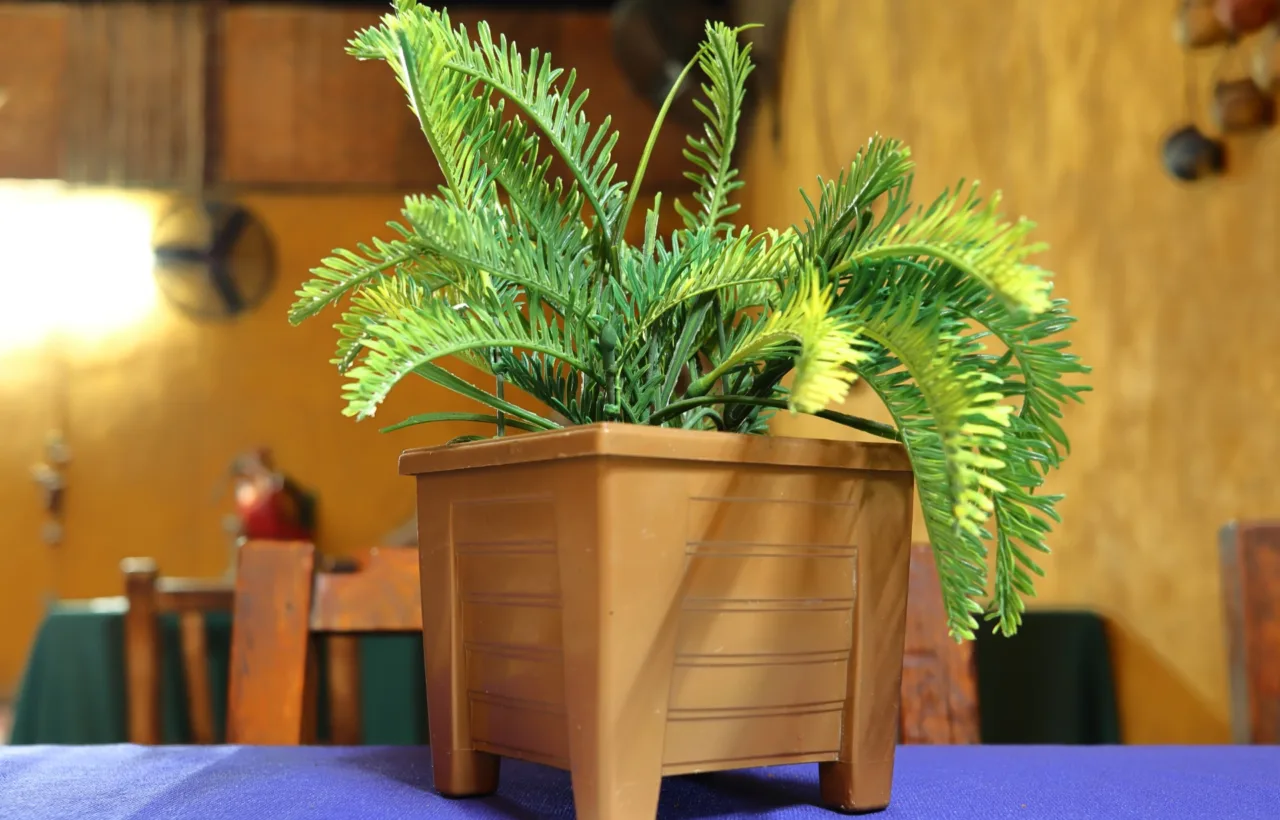

My foxtail fern sat alone in a plain plastic pot for almost a year before I figured out what to plant around it. Just green plumes, an empty pot’s worth of bare soil, and zero personality beyond the plant itself.
That changed once I started treating foxtail fern container ideas the way nurseries actually design them, with a real plan instead of one lonely specimen plant. I bought my first fern for about $9 at a local hardware store three years ago, and it’s now the anchor of my favorite porch container. I want to share what actually worked once I stopped overthinking it.
Why Foxtail Fern Container Ideas Start With the Thriller Role
Foxtail fern isn’t really a fern at all, despite the name. It’s a member of the asparagus family, with feathery upright plumes that read as fern-like without the fussy care most true ferns demand.
Here’s the thing that clicked for me: its upright, spiky growth habit makes it a natural thriller plant. In the classic thriller-filler-spiller container formula, the thriller sits center or back, providing height and drama for everything else to build around.
A few reasons foxtail fern excels in that role:
- Structural texture: Its needle-like plumes contrast beautifully against broad-leafed companions like begonias.
- Drought tolerance: Tuberous roots store water, so missing a watering or two won’t kill it.
- Shade tolerance: Works in spots too dim for most flowering thrillers like cordyline or dracaena.
- Low maintenance: Little pruning required beyond removing the occasional browning frond.
Don’t plant it alone and expect magic. It’s a fantastic anchor, but it needs the right supporting cast to look genuinely finished.
Best Filler Plants to Pair With Foxtail Fern
Fillers surround the thriller, adding color and mass in the middle space of the container. This is where foxtail fern containers really come alive.
Shade-Loving Fillers
Since foxtail fern prefers filtered light, its filler companions need to tolerate similar conditions.
- Begonias: Waxy leaves and steady blooms pair beautifully against the fern’s fine texture, and they thrive in the same partial shade.
- Coral bells (heuchera): Adds rich burgundy or lime foliage color that contrasts with the fern’s green plumes.
- Coleus: Bold, colorful foliage that fills space fast and tolerates the same dappled light.
- Impatiens: Reliable shade bloomer, though it needs more consistent moisture than the fern itself prefers.
I bought a $4 six-pack of wax begonias at my local nursery last spring and tucked them around the base of my established fern. The contrast between their glossy round leaves and the fern’s feathery plumes looked more polished than anything I could’ve planned on paper.
Best Spiller Plants for Foxtail Fern Containers
Spillers finish the design, trailing over the container’s edge and softening the hard line where soil meets pot.
My go-to spiller options for foxtail fern combos:
- Creeping Jenny: Chartreuse trailing foliage that pairs well with the fern’s cooler green tones.
- Ivy geranium: Waxy trailing leaves and occasional blooms, drought tolerant like the fern itself so watering needs stay compatible.
- Trailing ivy: A classic, reliable choice that works in nearly any shade container.
See, this is where a lot of people overcomplicate things. Ivy geranium in particular works so well specifically because it shares the fern’s drought tolerance, so you’re not fighting two completely different watering schedules in one pot.
Light and Placement for Container-Grown Foxtail Ferns
Getting light right matters more for foxtail fern than almost any other care detail. Too much direct sun scorches the delicate foliage. Too little light causes weak, leggy growth.
The plant generally prefers filtered or dappled shade, thriving with gentle morning sun but suffering under intense afternoon exposure. I learned this the hard way when I left mine in a west-facing spot one July, and the tips of several fronds turned crisp and yellow within a week.
Indoor vs Outdoor Placement
Placement rules shift depending on whether the container lives inside or out.
- Outdoors: Full sun to partial shade works, but afternoon shade is essential in hot climates.
- Indoors: An east-facing window offers ideal gentle morning light without the intensity of southern or western exposure.
- South or west-facing windows: Fine with a sheer curtain to filter the light, otherwise expect scorched fronds.
I moved my container to an east-facing porch corner after that scorching incident, and the new growth came in noticeably fuller within about a month.
Foxtail Fern Companion Plants at a Glance
Here’s a quick comparison chart for planning your own container combo without guessing at compatibility.
| Companion Plant | Role | Light Needs | Notes |
|---|---|---|---|
| Foxtail fern | Thriller | Filtered shade, morning sun | Drought tolerant, avoid afternoon sun |
| Begonia | Filler | Partial shade | Waxy leaves contrast fern texture |
| Coral bells | Filler | Partial shade | Adds color variety with foliage |
| Coleus | Filler | Partial shade | Fast growing, bold color |
| Ivy geranium | Spiller | Partial shade | Shares drought tolerance with fern |
| Creeping Jenny | Spiller | Partial shade | Chartreuse trailing contrast |
Print or screenshot this before your next nursery trip. It saves a lot of standing around wondering which plants actually get along.
Watering and Soil for Foxtail Fern Containers
Foxtail fern’s tuberous roots store water, which makes it more forgiving than most container plants, but also easy to overwater if you’re not paying attention.
Let the top inch or two of soil dry out between waterings. Consistently soggy soil invites root rot fast, since those tuberous roots don’t appreciate sitting in moisture.
A soil mix that works well combines:
- One part loamy soil for structure and nutrients.
- One part coarse potting soil or perlite for drainage.
- One part peat moss to retain just enough moisture without waterlogging.
I overwatered mine early on, watering every other day out of nervous habit, and the fronds started yellowing within about two weeks. Cutting back to once weekly, checking the soil with a finger first, fixed the problem completely.
Bringing Foxtail Ferns Indoors for Winter
Foxtail fern is only hardy outdoors in USDA Zones 9 through 11. Anywhere colder, and container plants need to come inside before the first frost.
I garden in Zone 7, so mine makes an annual trip indoors every October. A few habits that make the transition smoother:
- Gradually acclimate the plant to lower indoor light over a week or two before the move, rather than shocking it all at once.
- Inspect closely for pests before bringing it inside, since aphids and spider mites love hitching a ride indoors.
- Trim any browning fronds before the move to reduce stress on the plant.
- Place near an east-facing window or under a grow light if natural light is limited through winter.
- Reduce watering frequency slightly, since indoor growth slows during the darker months.
Don’t wait until the forecast says frost warning to plan this move. Start acclimating at least a week before you actually need to bring it inside.
Repotting Foxtail Ferns
Foxtail ferns eventually outgrow their containers, usually needing a new pot every two to three years.
Signs it’s time to repot include roots visibly pushing through the soil surface or circling tightly at the container’s edges. I repotted mine after about two years, moving from its original 10-inch nursery pot into a $18 ceramic pot roughly one size larger.
Choose a pot only one size up rather than jumping dramatically larger, since too much extra soil volume holds excess moisture and risks root rot. Water thoroughly after repotting, then return the plant to its usual filtered-light spot.
Frequently Asked Questions
What plants pair well with foxtail fern in a container? Begonias, coral bells, and coleus work great as fillers, while ivy geranium and creeping jenny make reliable spillers that share similar light and water needs.
Can foxtail fern grow in full sun? It tolerates gentle morning sun, but intense afternoon sun scorches the delicate foliage, so filtered or partial shade works best in most climates.
How often should I water a foxtail fern in a container? Water about once a week, letting the top inch or two of soil dry out between waterings, since the tuberous roots store moisture and don’t tolerate soggy soil.
Do foxtail ferns need to come inside for winter? Yes, unless you’re in USDA Zones 9 through 11, container foxtail ferns should move indoors before the first frost each fall.
How big of a pot does a foxtail fern need? Start with a pot that comfortably fits the current root ball, then size up gradually every two to three years as the plant grows, rather than overpotting all at once.
Wrapping This Up
Foxtail fern container ideas work best when you stop treating the fern as a standalone specimen and start building around it. Lean on its natural thriller role, pair it with shade-tolerant fillers and spillers that share its watering needs, and watch the light exposure closely since that’s where most problems start.
That lonely $9 fern from three years ago now anchors a full container that gets compliments every single summer. Grab a few companion plants this weekend and build the combo it deserves. A little planning beats another year of one plant sitting there by itself.