I started growing Persian shield plant container gardening setups after my first attempt flopped hard in a shady backyard bed. The leaves lost their shine. The stems stretched weird. I almost gave up. Then I switched everything to pots. That change fixed most of my problems. Now I keep several going every year, both outside on the patio and inside by a bright window. This plant rewards the right container setup with those metallic purple leaves that look almost unreal. You get the drama without the drama of fighting garden soil or frost.
Honestly? Containers give me control. I move them. I adjust the light. I water exactly when needed. If you want that same control and those glowing leaves, stick with me. I’ll walk you through what works based on my own trials.
Why Containers Beat the Ground for Persian Shield
I used to think bigger was better. Plant it in the garden and let it go wild. Wrong move for most of us. Persian shield hates cold. It hates soggy soil. It hates drying out too fast. In a pot I can fix all three.
The plant stays smaller in containers. Usually 2 to 3 feet tall instead of 4. That suits my small patio. I can bring the whole thing inside before the first chill. In warmer spots it still thrives outdoors year-round in a big enough pot. The roots stay happier because I pick the exact mix and drainage.
See, the iridescent purple only shows up strong when the plant feels good. Too much stress and the color fades to dull green. Containers let me keep the stress low.
A movable pot lets you match seasonal light: shift Persian shield from sheltered summer shade to a bright indoor window without disturbing roots.
Choosing the Right Pot for Persian Shield Plant Container Gardening
Size matters more than style. I learned that the hard way with a cute 8-inch ceramic that dried out every afternoon.
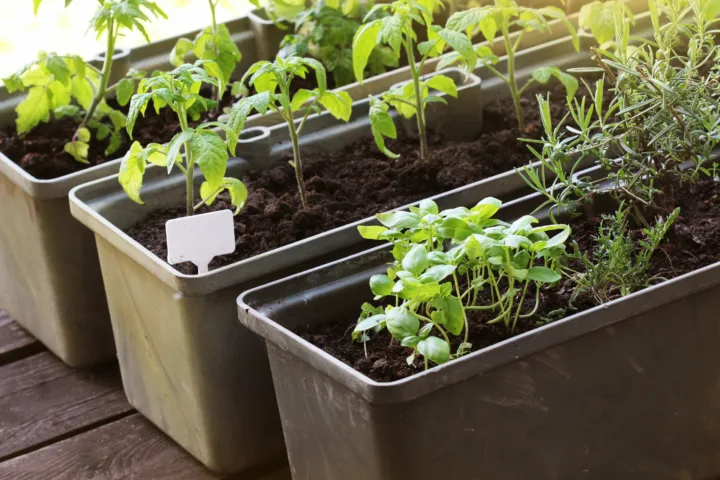
Go for at least 10 to 12 inches in diameter and the same in depth. Bigger is fine if you want a fuller look. I use 14-inch pots for mixed plantings now. Drainage holes are non-negotiable. I drill extra if the pot only has one. Water has to escape fast or the roots rot.
Material? Terracotta breathes and looks good. Plastic holds moisture longer, which helps on hot days. I mix both. Heavy ceramic works if the plant stays put. Lightweight plastic wins when I haul pots inside each fall.
Here’s what I check every time:
- At least three solid drainage holes
- Saucer only for indoor use (empty it after watering)
- Wide enough so the plant does not tip in wind
I once bought a tall skinny pot because it looked fancy. The plant grew leggy and top-heavy. Never again.
Before buying a decorative cachepot, measure the nursery pot's root ball; leave roughly 1 to 2 inches of fresh mix, rather than a huge empty reservoir.
Soil Mix That Keeps Roots Happy
Regular garden dirt kills this plant in a pot. I mix my own now.
My current recipe:
- 60 percent good quality potting mix (the kind with bark or coir)
- 30 percent composted bark or extra perlite
- 10 percent compost or worm castings
It holds moisture without turning to mud. The perlite keeps air around the roots. Persian shield likes rich but free-draining soil. Slightly acidic to neutral works best. I skip pure peat. It packs down too tight over time.
Fill the pot, set the plant at the same depth it sat in its nursery pot, and firm the soil gently. Water once thoroughly. Done.
Light and Placement That Make the Leaves Glow
Bright indirect light is the sweet spot. Direct afternoon sun scorches the leaves. Full shade washes out the purple. I place outdoor pots under a patio roof or near a wall that blocks the harshest rays. Morning sun is fine. Afternoon shade is better in hot climates.
Indoors I put them near an east window or a few feet from a south one. Sheer curtains help. If the leaves pale, I move the pot closer to the light. If they crisp, I pull it back.
Rotate the pot every week or so. The plant leans toward the brightest side otherwise. I learned this after one side grew lush and the other stayed sparse.
Temperature stays important. Keep it above 50°F at night. Below that and it sulks. Above 85°F it needs extra water and humidity.
Watering Without Drowning the Roots
This is where most people mess up. Overwatering kills more Persian shields than anything else.
I stick my finger in the top inch of soil. If it feels dry, I water. If it feels cool and damp, I wait. Outdoor pots in summer may need water every day. Indoor ones often go a week.
Water until it runs out the bottom. Then dump the saucer. Never let the pot sit in standing water. In winter I cut back. The plant rests and needs less.
Humidity helps a lot. Dry indoor air makes the leaf edges brown. I set the pot on a tray of pebbles and water. The pot sits above the water line. Evaporation does the rest. Grouping plants together also raises the local humidity. A small humidifier near my indoor collection works wonders on winter days.
Pebble trays raise humidity only modestly; they cannot compensate for a dry heated room, so keep foliage away from radiators.
Feeding and Pinching for Full, Bushy Growth
Persian shield grows fast in good conditions. It also gets leggy if you ignore it.
I feed with a balanced liquid fertilizer diluted to half strength every two weeks during active growth. Nitrogen helps the foliage stay rich. I stop feeding in fall when growth slows.
Pinching is my secret weapon. When stems reach 6 to 8 inches, I snip the tips right above a leaf node. Two new branches usually appear. I do this every few weeks early in the season. The plant stays compact and full instead of tall and sparse.
If it gets too woody or leggy later, I take cuttings and start fresh. The old plant can go. Cuttings root easily in water or moist mix under a plastic bag for humidity.
Move water-rooted cuttings into moist mix when roots reach about 1 inch, reducing transplant shock while they establish.
Companion Plants That Look Great Together
I rarely grow Persian shield alone. The purple shines brighter next to contrast.
My favorite combinations:
- Chartreuse sweet potato vine trailing over the edge
- Lime or yellow coleus for bright contrast
- Silver dusty miller or artemisia for cool tones
- White or pink begonias for soft flowers
- Caladiums in larger pots for extra tropical drama
All these like similar light and moisture. I plant the Persian shield in the center as the thriller. Trailers go around the rim. Fillers fill the gaps. The whole pot looks intentional instead of random.
In pure foliage pots I stick with three or four plants total. Crowding leads to poor air flow and pests.
Overwintering and Keeping It Going Year After Year
In my zone the plant dies outdoors at the first hard frost. So I treat it as a seasonal container plant or bring it in.
Before nights drop below 50°F I inspect for pests, give it a gentle shower, and move it inside. It sits near a bright window. Growth slows. Watering slows. Some lower leaves may drop. That is normal.
In spring I harden it off gradually and move it back out. Or I take cuttings in late summer and start new plants for the next year. Cuttings root in a couple weeks. I end up with more plants than I need. Friends get the extras.
Repot every year or two in spring. Move up only one pot size. Fresh soil wakes the plant up.
Quarantine the overwintered Persian shield from other houseplants for two weeks, even after inspection, because pests can hide beneath leaves.
Common Problems I Have Faced and Fixed
Spider mites show up indoors when the air is dry. I mist the undersides of leaves and use insecticidal soap if needed. Aphids appear sometimes. A strong spray of water knocks them off.
Yellow leaves usually mean too much water or not enough light. Brown crispy edges mean low humidity or underwatering. Faded color means the light is wrong or the plant needs feeding.
Root rot is the silent killer. If the plant wilts even when the soil is wet, check the roots. Black and mushy means trouble. Cut away the bad parts and repot in fresh dry mix. Prevention is easier: good drainage and careful watering.
Deer and rabbits leave it alone. That is a bonus I appreciate.
Frequently Asked Questions
How often should I water Persian shield plant container gardening setups?
I check the top inch of soil and water only when it feels dry. Outdoor pots in heat may need daily attention. Indoor ones usually last longer between drinks.
Can I grow Persian shield in a hanging basket?
Yes, but choose a sturdy basket and water more often. The plant gets heavy and the soil dries fast. I prefer solid pots for better stability and root space.
Why are my Persian shield leaves losing their purple color?
Low light or cool temperatures usually cause it. Move the pot to brighter indirect light and keep temps warmer. The color returns as the plant recovers.
Is Persian shield toxic to pets?
I have cats and dogs. The plant is generally considered non-toxic, but I still keep it out of reach of curious chewers just to be safe.
How do I make my Persian shield bushier in a container?
Pinch the tips regularly. Give it bright light and consistent moisture. Avoid oversized pots that encourage leggy growth. Those three steps have given me the fullest plants.
I keep coming back to this plant every spring. The first flush of new purple leaves still makes me stop and stare. Containers turned a finicky tropical into something I can manage and enjoy. Start with a solid pot, the right soil, and steady light. Pinch early. Water with care. The rest follows. Your patio or windowsill will look better for it. Grab a pot and try it this season. You might end up as hooked as I am.