
I never planned to grow food inside a metal box. Two years ago I was just a guy with a small yard, a love for fresh greens, and a deep frustration with store-bought lettuce that wilted in three days. That frustration led me straight into the world of the container farm. I bought a used 40-foot shipping container, spent months figuring out the systems, and now harvest enough leafy greens and herbs every week to feed my household plus a handful of neighbors.
Honestly? The learning curve was steeper than I expected. But the results keep me hooked.
What a Container Farm Really Is
A container farm is exactly what it sounds like. You take a standard shipping container and turn the entire interior into a controlled growing environment. Most people use hydroponics so the plants never touch soil. LED lights replace the sun. Climate systems keep the temperature and humidity steady no matter what the weather does outside.
I started with a used high-cube container because the extra height gave me more vertical space. Inside I installed racks, plumbing for nutrient solution, and a basic HVAC unit. The whole setup sits on a level gravel pad behind my garage. From the street it just looks like another storage unit. Walk through the door and you step into a bright, humid room filled with rows of living plants.
See, the beauty of this approach is the closed system. Water recirculates. Nutrients get measured and adjusted. Pests have almost no way in. I used to lose entire garden beds to aphids and sudden heat waves. That problem disappeared the day I locked the container door.
Plan for condensation control: a sealed, humid container can corrode racks and electrical components without drainage, vapor management, and GFCI protection.
Why I Chose a Container Farm Over Traditional Gardening
Traditional outdoor gardening always left me at the mercy of the calendar. In my climate the growing season is short. One late frost or two weeks of heavy rain and the whole effort feels wasted. I wanted reliable harvests. I also wanted something that fit in a tight urban-edge lot.
The container farm solved both issues at once.
Here is what sold me after months of research and a few site visits:
- Year-round production. I plant and harvest every single week. No off-season.
- Massive water savings. My system uses a tiny fraction of the water a soil garden needs. I top off the reservoir once or twice a week and that is it.
- Tiny footprint with serious output. One 40-foot container produces what used to take me multiple raised beds and still left me short.
- Portability. If I ever move, the whole farm can travel with me on a flatbed truck.
- Security. No deer, no rabbits, no curious neighborhood dogs.
I still keep a few outdoor beds for fun. But the container is where the real food comes from now.
Before buying, measure delivery access and verify zoning, utility capacity, and flatbed clearance; portability only helps if the container can legally leave and arrive.
The Day Everything Clicked
I remember the first time I walked in and the lights were on, the pumps were humming, and rows of baby lettuce were already two inches tall. I stood there for a full minute just staring. That quiet moment of “this actually works” is what keeps people like me going when the electricity bill arrives or a sensor fails at 2 a.m.
How the Systems Inside Actually Work
You do not need a degree in engineering, but you do need to understand the basic pieces. I learned most of this the hard way.
Lighting
LED bars hang above every rack. I run them on a timer for about 16 hours a day. Full-spectrum lights that lean a bit toward the blue and red end of the spectrum work best for leafy greens. Power draw is the biggest ongoing cost, so I chose efficient fixtures and never look back.
Climate Control
Temperature stays around 70 degrees. Humidity sits in a comfortable range that keeps the plants happy without encouraging mold. A small HVAC unit and a dehumidifier handle the heavy lifting. In winter the container barely notices the cold outside because of the insulation I added.
Water and Nutrients
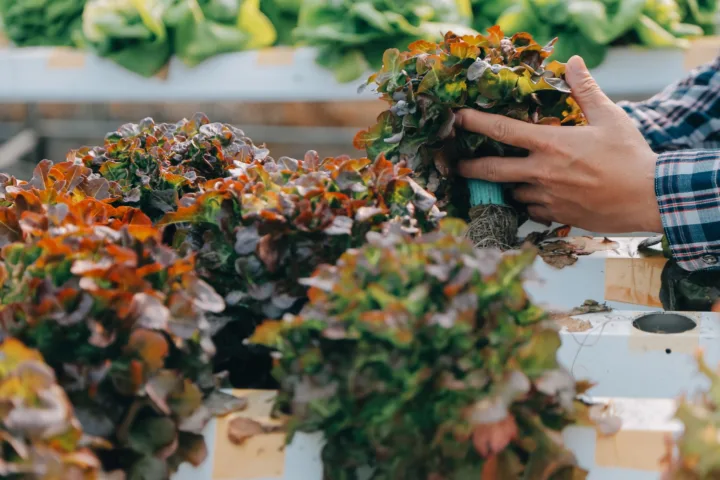
Everything is hydroponic. Roots sit in channels or towers while a pump pushes nutrient-rich water past them on a cycle. I test pH and nutrient strength twice a week. Once you get the numbers dialed in, the plants grow faster and cleaner than anything I ever pulled from soil.
Monitoring
I started with simple timers and a basic thermometer. Later I added a few sensors that send alerts to my phone. Nothing fancy, but it means I catch problems before they become disasters.
Real Costs I Faced and Still Face
Money talk is where a lot of people get nervous. I get it.
Upfront I spent roughly $28,000 on a used container plus all the conversion work. That number could easily climb higher if you buy a fully turnkey unit from a company. Some commercial models start around $80,000 and climb past $150,000. DIY is cheaper but eats time and patience.
Monthly operating costs for me land between $350 and $500. Electricity is the main culprit. Water is almost free by comparison. Nutrients and seeds run another $50 to $80 most months.
Is it worth it? For me, yes. I calculate the value of the produce I no longer buy at the store, plus the extra I sell to a local café. The numbers work. Your math will depend on local energy rates and how much you can sell or save.
Crops That Actually Thrive for Me
I stick to what the system loves. Leafy greens and herbs are the clear winners.
My current rotation includes:
- Butterhead and romaine lettuce
- Kale and Swiss chard
- Basil, cilantro, and parsley
- Occasional batches of microgreens for quick cash flow
I tried tomatoes once. The plants grew but the yield per square foot was not impressive enough to justify the space. Strawberries need more specialized care than I wanted to give. Stick with the crops that cycle fast and sell or eat easily. You will thank yourself later.
Challenges I Wish Someone Had Warned Me About
Nothing is perfect. The first six months tested my patience.
Power outages are the enemy. I now keep a small generator ready because one long outage can stress the plants hard. Learning the nutrient balance took repeated trial and error. I killed more seedlings than I care to admit. And the sheer amount of cleaning required still surprises me. Algae and mineral buildup love these systems if you get lazy.
Labor is lighter than outdoor farming once everything is set, but it is not zero. I still spend several hours a week harvesting, transplanting, and checking numbers. If you expect a fully hands-off machine, you will be disappointed.
Who This Setup Actually Makes Sense For
I think a container farm is ideal for a few specific people. Urban or suburban folks with limited land. Anyone living in a climate with short growing seasons. People who want hyper-local food for restaurants, CSAs, or just their own kitchen. Educators who need a teaching tool that works in any weather.
It is less ideal if your electricity is extremely expensive or if you only want a hobby garden with almost no investment. In those cases a few outdoor beds or a simple greenhouse might serve you better.
Frequently Asked Questions
How much does a basic container farm cost to start? I spent under $30,000 doing most of the work myself with a used container. Fully built commercial units usually start closer to $80,000 and go up from there depending on automation level.
Can I really grow food year-round in a container farm? Yes. Once the climate system is running, outside temperature becomes almost irrelevant. I harvest every week in January the same way I do in July.
Is the produce from a container farm organic? It depends on your inputs. I use approved nutrients and never spray pesticides because pests rarely appear. Certification is a separate process if you plan to sell under that label.
How much time does it take to run one? After the setup phase I spend about 6 to 10 hours a week on mine. That covers harvesting, planting new starts, and system checks. Automation can reduce that number further.
What is the biggest ongoing expense? Electricity for the lights and climate control. Everything else is minor by comparison.
Final Thoughts From Someone Still Learning
I started this project because store lettuce kept disappointing me and my outdoor garden kept failing me. Two years later I walk into a bright metal box and pull handfuls of perfect greens that taste better than anything I used to buy. The system is not magic. It requires attention, money, and a willingness to fix things when they break.
But every time I hand a neighbor a bag of basil I grew in January, I remember why I kept going. If you have the space, the curiosity, and a bit of stubbornness, a container farm might surprise you the same way it surprised me. Start small if you need to. Watch the plants respond. Then decide how far you want to take it.