
I spent years dumping kitchen scraps into a sad stationary pile that just sat there like a wet sock. Then I got my first compost bin tumbler and everything clicked. Honestly? That spinning drum changed how I handle waste forever. If you want faster compost, fewer pests, and less back-breaking work, this is the path I walked so you don’t have to fumble around like I did.
I started composting because my garden soil looked tired and my trash can reeked of onion peels. A compost bin tumbler solved both problems for me. It sits right outside my back door, takes the scraps I generate every day, and spits out rich, dark soil amendment in weeks instead of months. No pitchfork required. No open pile inviting raccoons. Just spin, wait, and harvest.
This guide walks you through everything I learned the hard way. From picking the right model to fixing the soggy messes I created early on. Stick with me and you will skip the mistakes that almost made me quit.
Why I Ditched My Old Pile for a Compost Bin Tumbler
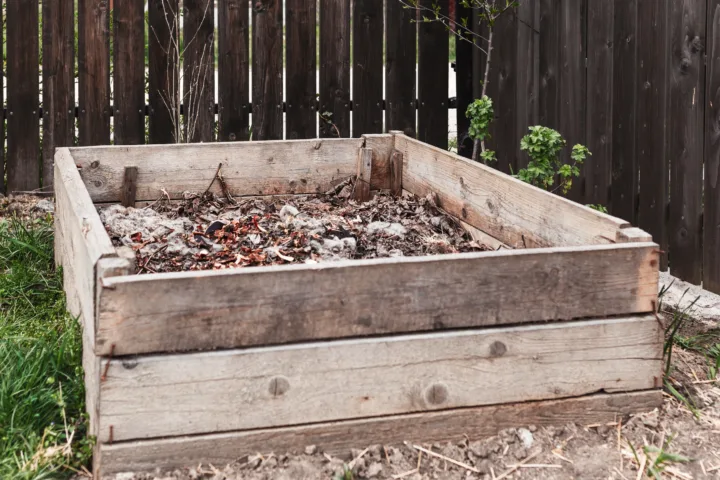
I used to think composting meant a big open heap in the corner of the yard. I was wrong. That pile attracted flies, smelled when it rained, and took forever to break down because I hated turning it with a fork.
See, a compost bin tumbler flips the whole process. You load the drum, close the door, and give it a few spins every few days. The rotation mixes everything and pulls in oxygen. Microbes go wild. Heat builds up. Scraps vanish faster.
I remember the first time I spun mine after a week. The contents looked like dark soil already. I was elated.
Here is what sold me for good:
- Easy turning: I spin it with one hand. No sweating over a pitchfork.
- Pest control: Sealed design keeps rats and raccoons out. My old pile was a buffet.
- Neat and compact: Fits on a small patio. Looks tidy instead of like a trash mountain.
- Faster results: I get usable compost in 6 to 8 weeks in warm weather. Stationary piles took me half a year.
IMO, if you generate regular kitchen waste and have even a tiny outdoor spot, a compost bin tumbler beats a static bin hands down for most people.
How a Compost Bin Tumbler Actually Works (My Simple Breakdown)
I am not a scientist. I just watch what happens when I feed the thing.
You add greens (nitrogen-rich stuff like veggie peels, coffee grounds, grass clippings) and browns (carbon-rich stuff like dry leaves, shredded cardboard, paper towels). The ideal mix sits around 3 or 4 parts brown to 1 part green. Too many greens and it turns slimy. Too many browns and it stalls.
The drum sits on a frame or rolls freely. When I turn it, the internal baffles or just the tumbling action mixes layers and introduces air. Oxygen keeps the good bacteria happy. Heat builds because the sealed space traps warmth. Moisture stays balanced if I check it.
Position matters. I put mine in a sunny spot so the sun helps heat the plastic. Cooler climates slow things down, but spinning still beats doing nothing.
I check moisture by grabbing a handful. It should feel like a wrung-out sponge. Dry? I add a splash of water or more greens. Wet? More browns and extra spins.
That is it. No magic. Just balance and movement.
Avoid spinning too often; daily turning can disrupt microbial colonies. Stick to every 3-5 days for best results.
Dual Chamber vs Single Chamber: The Choice That Saved My Sanity
I started with a single-chamber model. Big mistake for my household.
With one chamber I had to stop adding scraps once it filled. Then I waited weeks while it finished. Scraps piled up in the kitchen. Frustration mounted.
Then I switched to dual chamber. Game over. I fill one side while the other cooks. When the first finishes, I empty it and swap. Continuous flow. No backlog.
Here is my honest comparison from living with both:
Single chamber pros:
- Cheaper upfront
- Simpler design, fewer parts to break
- Good if you batch big loads of yard waste once in a while
Single chamber cons:
- Forces you to pause adding scraps
- Harder to keep a steady supply of finished compost
- I ended up with overflow bags in the garage
Dual chamber pros:
- Continuous composting matches real kitchen life
- One side finishes while the other accepts fresh stuff
- I harvest every 4 to 6 weeks like clockwork now
Dual chamber cons:
- Costs more
- Slightly bulkier
- Each chamber is smaller than a big single
I vote dual every time for families or anyone cooking regularly. The extra $30 to $50 pays for itself in convenience. FYI, most of my favorite models now come dual.
Don't assume dual chamber always means faster; each chamber is smaller, so you may need to combine batches for a full load.
Picking the Right Compost Bin Tumbler for Your Yard
I own three different ones over the years. Size, build, and features decide if you love it or curse it.
Capacity first. A 30 to 40 gallon unit works for a couple producing normal scraps. I run a 50 to 70 gallon dual now because I also dump coffee grounds from the office and fall leaves. Measure your weekly waste. Then size up a bit. Compost shrinks a lot as it breaks down.
Material matters. BPA-free plastic holds up and stays light. Metal frames rust if cheap. I avoid anything that feels flimsy. My current one has a solid steel stand that has survived two winters without wobbling.
Key features I look for now:
- Sliding doors: Easy to load without tipping the whole drum.
- Internal fins or bars: They mix better so I spin less.
- Good aeration holes: Enough for air but small enough to keep pests out.
- Height: Waist level saves my back. Ground-level rollers work but I prefer elevated.
- Locking mechanism: Stops it from spinning free in wind or when kids play nearby.
Budget reality. Cheap ones under $80 often crack or jam after a season. Mid-range $100 to $200 last years. Premium insulated ones run $300-plus and shine in cold climates because they hold heat.
I bought mine during a sale and never regretted spending a bit more. Cheap plastic that cracks after one freeze teaches expensive lessons.
A full 50-gallon tumbler can weigh over 200 pounds; ensure your stand is on level, solid ground to prevent tipping.
My Step-by-Step Routine for Fast Compost
I keep it dead simple so I actually stick with it.
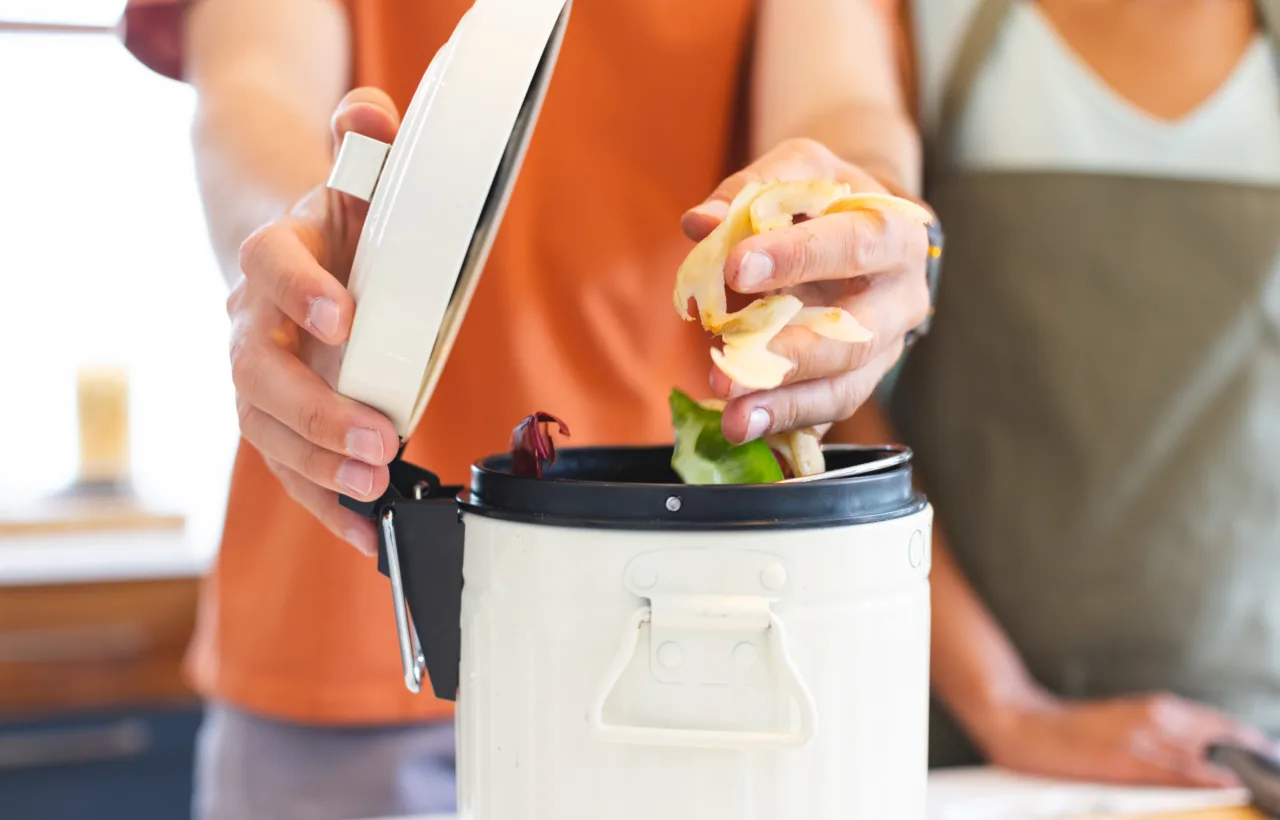
- Collect scraps: I keep a small countertop bin with a lid. Empty it into the tumbler every 2 or 3 days.
- Chop big pieces: Banana peels and melon rinds go in smaller. Faster breakdown. I just tear them by hand.
- Balance the load: Always add browns when I add greens. Dry leaves live in a bag next to the tumbler for this reason.
- Spin regularly: Every 3 to 5 days I give it 5 to 10 full rotations. More if it feels heavy or wet.
- Check and adjust: Open a door, peek, squeeze a handful. Adjust moisture. Done.
- Stop adding when full: Let that chamber finish. Switch to the other side.
- Harvest: When it looks dark, crumbly, and smells earthy, I dump it into a wheelbarrow. Sift if needed. Leave a little finished stuff as starter for the next batch.
In summer I get finished compost in about 6 weeks. Winter stretches to 10 or 12. I just keep spinning.
One tip that helped me: I add a handful of finished compost or garden soil as a microbial boost when starting a new chamber. Speeds things up.
Limit citrus peels and onions; their acidity can slow decomposition. Add them sparingly.
Common Mistakes I Made (And How You Can Skip Them)
I filled my first tumbler with nothing but coffee grounds and banana peels. It turned into black sludge that stank. Lesson learned the hard way.
Too many greens without browns creates anaerobic conditions. Smelly and slow. Always balance.
I also overfilled. The drum needs space to tumble. Leave about a quarter empty.
Another one: forgetting to spin. The whole point is aeration. Set a phone reminder if you are forgetful like me.
And location. I put my first one in deep shade. It stayed cold and slow. Sun helps.
Last big one: adding the wrong stuff. Meat, dairy, oils, and pet waste invite pests and smells even in a sealed tumbler. I stick to plant-based kitchen scraps and yard waste only.
See the pattern? Most problems come from imbalance or neglect. Fix those and the tumbler does the heavy lifting.
Real Results From My Garden
After six months with the dual chamber I had enough finished compost to top-dress every raised bed and pot. My tomatoes doubled in production the next season. The soil held water better. Weeds decreased because the healthy soil outcompeted them.
I give bags of extra compost to neighbors now. They ask what fertilizer I use. I just smile and say kitchen scraps.
That personal payoff keeps me going. Watching trash turn into plant food feels good every single time I harvest.
Frequently Asked Questions
How long does compost take in a compost bin tumbler? In warm weather with good balance and regular spinning I get finished compost in 6 to 8 weeks. Cooler months stretch it to 2 or 3 months. Chop scraps small and keep moisture right for best speed.
Do compost bin tumblers attract pests? Mine never has. The sealed design and elevated frame keep rodents and raccoons out better than any open pile I tried. Just avoid meat and dairy and you should be fine.
Can I use a compost bin tumbler in winter? Yes. I keep spinning through cold snaps. Decomposition slows but does not stop. Insulated models or sunny spots help. I still harvest usable compost by early spring.
What size compost bin tumbler do I need? For two people I recommend at least 40 gallons dual chamber. Larger households or heavy yard waste need 60-plus. Start where your weekly scraps fit comfortably with room to tumble.
Is a dual chamber compost bin tumbler worth the extra cost? For me, absolutely. Continuous adding without stopping the process matches real life. Single chamber works if you batch big and wait patiently. Most people prefer dual after trying both.
Final Thoughts From My Backyard
I almost gave up on composting after that first stinky pile. The compost bin tumbler pulled me back in. Easy spins. Fast results. Real garden payoff.
Start simple. Pick a solid dual chamber model that fits your space. Balance greens and browns. Spin regularly. Harvest and smile.
You will waste less. Your plants will thank you. And you might just get hooked like I did.
Go grab one this weekend. Your future garden soil is waiting in today’s scraps.