
I started how to make compost at home after staring at a trash bag full of vegetable peels and wondering why I kept paying for bagged soil. Honestly? My first pile was a disaster. It smelled like a swamp and attracted every raccoon in the neighborhood. But I stuck with it. Now I turn out rich, crumbly compost every few months without buying a single fancy gadget. If you want free fertilizer that makes your plants thrive and cuts your waste in half, this is the exact process I use.
Why I Bothered Learning How to Make Compost at Home in the First Place
I was tired of hauling heavy bags of soil amendment from the garden center. My tomatoes looked sad. My wallet looked sadder. Compost fixed both. It feeds the soil microbes that feed the plants. It holds water better than straight dirt. And it keeps food scraps out of the landfill where they release methane.
See, I live in a regular suburban yard. No fancy setup. Just a corner near the fence. The results still surprise me every time I dig in. My peppers doubled in size the first year I switched. That sealed the deal.
The Only Four Things Your Compost Pile Actually Needs
Forget complicated recipes. Compost needs four ingredients and nothing more.
- Greens (nitrogen stuff): fruit and veggie scraps, coffee grounds, fresh grass clippings, tea leaves.
- Browns (carbon stuff): dry leaves, shredded cardboard, newspaper, twigs, paper egg cartons.
- Water: enough to feel like a wrung-out sponge.
- Air: oxygen for the microbes. No air equals stink.
I aim for roughly two to three parts browns to one part greens by volume. Too many greens and it gets slimy. Too many browns and nothing happens. That ratio is the whole secret. IMO, most beginners mess this up first.
Fresh grass clippings can mat and become anaerobic. Mix with plenty of browns to prevent slime.
Picking Your Spot and Bin (Or No Bin at All)
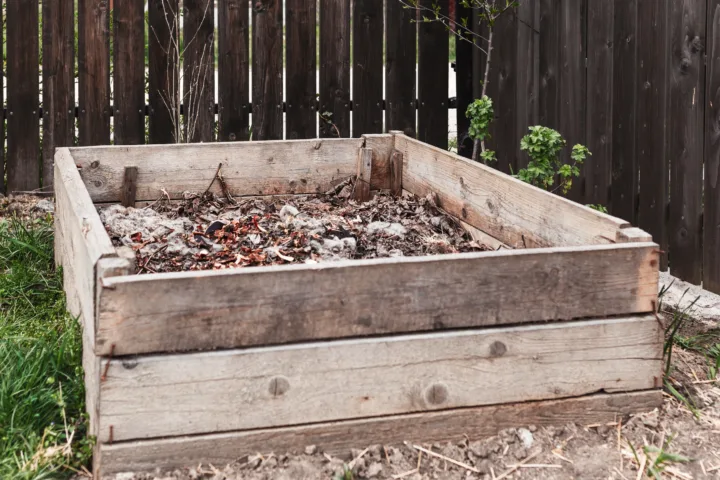
I put my pile on bare soil in a shady corner that still gets a little morning sun. Drainage matters. You do not want a mud puddle.
You have options here.
Simple Pile Method
Just heap everything on the ground. I did this for a year. Free. Easy. A bit messy. Cover with a tarp if heavy rain hits.
Wire or Wood Bin
I built mine from four free pallets. Zip-tied the corners. Works great. Air flows through the sides.
Tumbler
I tried one. Fun to spin. Holds less volume. Costs money. Fine for tiny yards.
Worm Bin for Apartments
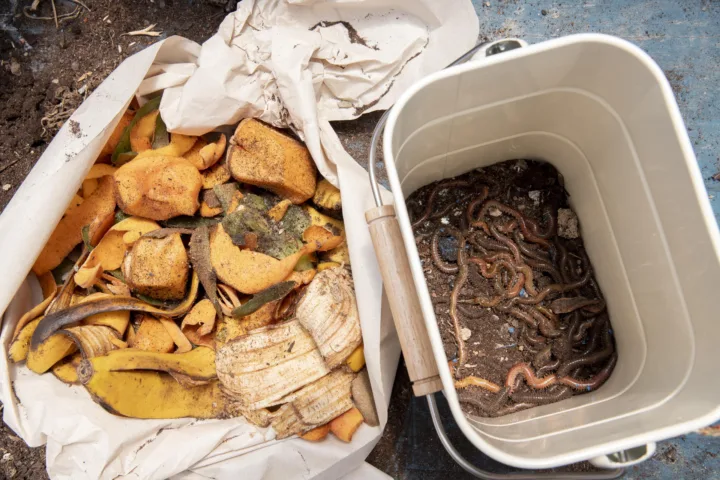
Red wigglers in a plastic tote under the sink. I keep one going indoors during winter. They eat my coffee grounds like candy.
Start with whatever you already have. A trash can with holes drilled in the sides works. No excuses.
What I Throw In (And What I Leave Out)
Here’s my actual list after years of trial and error.
Always yes:
- Fruit and vegetable peels and cores
- Coffee grounds and paper filters
- Crushed eggshells
- Dry leaves and grass clippings (untreated)
- Shredded cardboard and newspaper (no glossy stuff)
- Paper towels and plain tissues
- Plant trimmings (healthy ones)
Hard no:
- Meat, fish, bones
- Dairy, cheese, oils, grease
- Pet waste
- Diseased plants or weeds with seeds
- Treated wood or glossy paper
- Produce stickers (those never break down)
I chop big pieces with kitchen shears. Smaller bits break down faster. Banana peels take forever whole. Chopped they vanish in weeks.
My Exact Step-by-Step Process for How to Make Compost at Home
I do this every time I start a new batch.
- Layer twigs or wood chips on the bottom for drainage and airflow. About four to six inches.
- Add a thick layer of browns. Dry leaves work best.
- Dump greens on top. Cover them completely with more browns so pests stay away.
- Sprinkle water if it feels dry. Squeeze a handful. A few drops should come out. No more.
- Toss in a shovel of garden soil or finished compost. This introduces the good microbes.
- Repeat layers until the pile is at least three feet high and wide. Smaller piles struggle to heat up.
That’s it for building. Now the fun part.
Keeping the Pile Happy: Turning, Watering, and Watching
I turn the pile every one to two weeks with a pitchfork. Outside materials go to the center. Center goes out. This mixes air and moisture and speeds everything up.
Moisture check is simple. Stick your hand in. Feels like a damp sponge? Perfect. Bone dry? Water it and turn. Soggy? Add dry leaves and turn.
Temperature tells the real story. A hot pile hits 130–160°F in the middle. I stick an old compost thermometer in there. No thermometer? Your hand works. If it feels as hot as bathwater, the microbes are partying.
Hot compost finishes in two to three months. Cold compost (I just pile and forget) takes six to twelve months. Both work. Hot kills more weed seeds. I prefer hot when I have the energy.
Troubleshooting the Stuff That Goes Wrong
My pile stank once. Like rotten eggs. Too wet and not enough air. I added a big armload of dry leaves and turned it hard. Smell gone in two days.
Nothing heating up? Not enough greens or the pile is too small. I mix in fresh grass clippings or coffee grounds and build it bigger.
Fruit flies? I bury kitchen scraps deeper under browns and keep a tight lid on the kitchen caddy.
Rodents? Never add meat or dairy. Bury food scraps. Use a bin with a lid and small gaps only.
Slimy mess? Too many greens. Browns fix it every time.
Hot Compost vs Cold Compost: Which One I Use When
Hot compost is active. I build the whole pile at once, turn often, and harvest fast. Great when I need compost for spring planting.
Cold compost is lazy. I keep adding scraps all year and harvest the bottom once a year. Less work. Still excellent soil food.
I run both. One hot bin for speed. One cold pile for the overflow. Best of both worlds.
Worm Composting When Space Is Tight
I keep a worm bin in the garage. Red wigglers only. Never nightcrawlers from the bait shop.
Bedding is shredded newspaper soaked and wrung out. Fluff it up. Add worms. Feed them scraps buried in the bedding. They turn it into black gold castings in weeks.
Avoid citrus, onions, and spicy stuff in big amounts. Worms hate that. I harvest by dumping the bin on a tarp under light. Worms dive down. Scoop the top castings. Done.
Perfect for balconies or indoors.
How I Know When Compost Is Ready
It looks dark and crumbly. Smells like forest floor after rain. Original scraps are unrecognizable. Temperature matches the air. Volume shrank by half or more.
I sift it through a homemade screen of hardware cloth. Big leftover bits go back into the new pile. Fine stuff goes straight to the garden.
I mix it into beds at about 20–30% by volume. Or use it as mulch around plants. Or make compost tea by steeping a shovelful in a bucket of water for a couple days and watering with the liquid.
Real Results From My Own Garden
My first successful batch went on the tomato beds. Plants grew thicker stems. Fruit tasted sweeter. Fewer pests. Soil held water through a dry spell that killed my neighbor’s plants.
I stopped buying fertilizer. Saved maybe $80 that first year alone. Plus the satisfaction of closing the loop. Kitchen scraps become dirt become dinner again. Feels right.
Common Beginner Mistakes I Made So You Don’t Have To
I layered like lasagna and never mixed. Bad idea. Mixing works better.
I added whole corn cobs. They sat there for a year looking offended. Chop everything.
I put the pile against the house. Roots invaded. Move it out.
I got impatient and used unfinished compost. It robbed nitrogen from my seedlings. Wait until it finishes.
I overwatered during a rainy week. Instant swamp. Cover or add browns.
Frequently Asked Questions
How long does it take to make compost at home? Hot compost takes two to five months with regular turning. Cold compost takes six to twelve months. Temperature, size, and ingredients control the speed.
Can I make compost at home without a bin? Yes. A free-standing pile works fine. Just keep the ratio right and turn it. Many people start this way.
What is the best ratio for how to make compost at home? Aim for two to three parts browns to one part greens by volume. Adjust based on smell and moisture. Too wet or stinky means add browns.
Does compost attract pests? Only if you add meat, dairy, or leave food scraps uncovered. Bury greens under browns and skip animal products. A lidded bin helps a lot.
Can I compost in winter? Yes. The process slows but does not stop. I keep adding browns and greens. The pile freezes on the outside and keeps working inside. Spring thaw wakes it up fast.
Final Thoughts From Someone Who Almost Quit
I almost gave up after that first stinky raccoon magnet. Honestly? I thought composting was only for people with perfect systems and unlimited free time. I was wrong.
Start small. One bin. One bag of leaves. Your kitchen scraps. Turn it when you remember. Water when it looks dry. In a few months you will have black gold that your plants will thank you for.
The dirt under your fingernails is worth it. Your garden will look better. Your trash will weigh less. And you will feel weirdly proud every time you dump the compost caddy.
Go make a pile this weekend. Messy first attempts still turn into soil. I proved it. You will too.