
I spent two full years staring at my empty balcony before I finally planted anything. The concrete slab felt too small, too exposed, and honestly a little pathetic next to the lush yards I saw on social media. Then I started my urban balcony garden, and everything shifted. What began as a few struggling pots turned into the brightest part of my apartment life. Fresh herbs for dinner, a private green corner for morning coffee, and proof that city living does not mean giving up on growing things.
I live on the sixth floor of a mid-rise building. My balcony measures about four by eight feet. Wind hits it hard most afternoons. Sunlight arrives in patches depending on the season. Those limits shaped every choice I made. This is the story of what worked, what failed, and how I built something that still makes me smile every time I step outside.
Checking the Basics Before I Bought a Single Plant
I almost skipped the boring part. I wanted to run to the nursery and load up on tomatoes. That would have been a mistake. Building rules come first. My lease had a short section about exterior decorations. Plants were allowed as long as nothing dripped on the neighbors below and nothing hung over the railing in a way that blocked the view. I emailed management just to be sure. They confirmed the weight limit sat around sixty pounds per square foot, which is standard for most residential balconies.
Weight matters more than people think. Wet soil is heavy. A large ceramic pot full of saturated dirt can tip the scale fast. I switched to lightweight plastic and fabric grow bags after my first season. Those choices kept me well under the limit and made moving plants around much easier.
Sunlight came next. I tracked it for a full week with a simple notebook. Morning light hit the left side for about three hours. Afternoon sun stayed strongest near the outer railing. The back corner stayed shady most of the day. That map told me where to put the sun lovers and where the shade plants could live happily.
Wind was the biggest surprise. Gusts dried out soil in hours and knocked over my tallest pots twice. I learned to group containers against the wall and use low, wide planters for anything that might catch a breeze. A simple lattice panel later served as both windbreak and privacy screen.
Confirm whether the 60-pound-per-square-foot figure covers containers, saturated soil, furniture, and people, rather than treating it as a container-only allowance.
Choosing Containers That Actually Worked for My Urban Balcony Garden
Containers make or break the whole project. Heavy terracotta looked pretty in the store. On my balcony it became a liability. I switched to these options after some trial and error:
- Fabric grow bags: Super light, fold flat for storage, and drain well. I use five-gallon ones for tomatoes and peppers.
- Plastic or resin pots: Cheap, durable, and available in colors that match my outdoor chair. I drill extra drainage holes in the bottom of every one.
- Railing planters: These clamp on without tools. I fill them with trailing herbs and strawberries so the floor stays clear.
- Tiered stands: One metal unit holds six smaller pots in the same footprint as two floor pots. Vertical space is free real estate.
I avoid anything without drainage holes. Standing water kills roots faster than neglect. Saucers go under every pot to catch runoff. Neighbors downstairs stay dry, and I reuse the excess water on hotter days.
Soil is not optional dirt. Regular garden soil packs down and stays wet. I buy a quality potting mix made for containers. Sometimes I mix in a little perlite for extra drainage. Fresh mix every spring keeps the roots happy.
Before buying a railing planter, measure the railing width and confirm its clamp design cannot slide or damage the balcony edge.
Plants That Survived My Learning Curve
Not every plant belongs on a balcony. I killed a few before I figured that out. Here is what thrives for me now.
Herbs became my reliable backbone. Basil, mint, oregano, and thyme grow in small pots near the kitchen door. I snip what I need while cooking. Mint spreads fast, so it lives alone in its own container. FYI, a single mint plant can take over if you let it.
Leafy greens handle partial shade better than most vegetables. Lettuce, spinach, and Swiss chard give me salad fixings for weeks. I plant them in succession so something is always ready to pick.
Cherry tomatoes need the sunniest spot and consistent water. Determinate or patio varieties stay compact. I stake them early. One plant can produce more fruit than I expect.
Peppers love the heat that reflects off the building. Hot peppers especially. I grow two plants every year and still have dried flakes left over.
Flowers keep the space from looking like a pure food plot. Petunias, calibrachoa, and trailing nasturtiums cascade over the edges. They also attract pollinators that help the vegetables.
Shade corners get ferns, coleus, and a couple of hardy hostas in larger pots. Those plants forgive the limited light and still look full.
I skip large trees and deep-rooted perennials. Space and weight simply do not allow them. Dwarf citrus stays on the wish list for a future bigger balcony.
Watering Without Losing My Mind
Watering is the daily job that nearly broke me the first summer. Containers dry out faster than ground soil. Wind and reflected heat make it worse. On peak July days I water twice.
I keep a collapsible watering can in the bathtub. Filling it takes thirty seconds. Self-watering pots help for weekends when I travel. A simple drip system with a battery timer sits on my long-term list, but for now the can works fine.
I check soil with my finger before every watering. Dry an inch down means it is time. Overwatering causes more deaths than underwatering in my experience. Yellow leaves and soggy soil are the warning signs.
Rain helps, but city balconies often sit under overhangs. I still water after light showers if the soil feels dry underneath.
Place the tomato closest to the bathtub refill route, so its consistent watering does not become a daily obstacle.
Layout Tricks That Made the Space Feel Bigger
I treat the balcony like a tiny outdoor room. The layout matters as much as the plants.
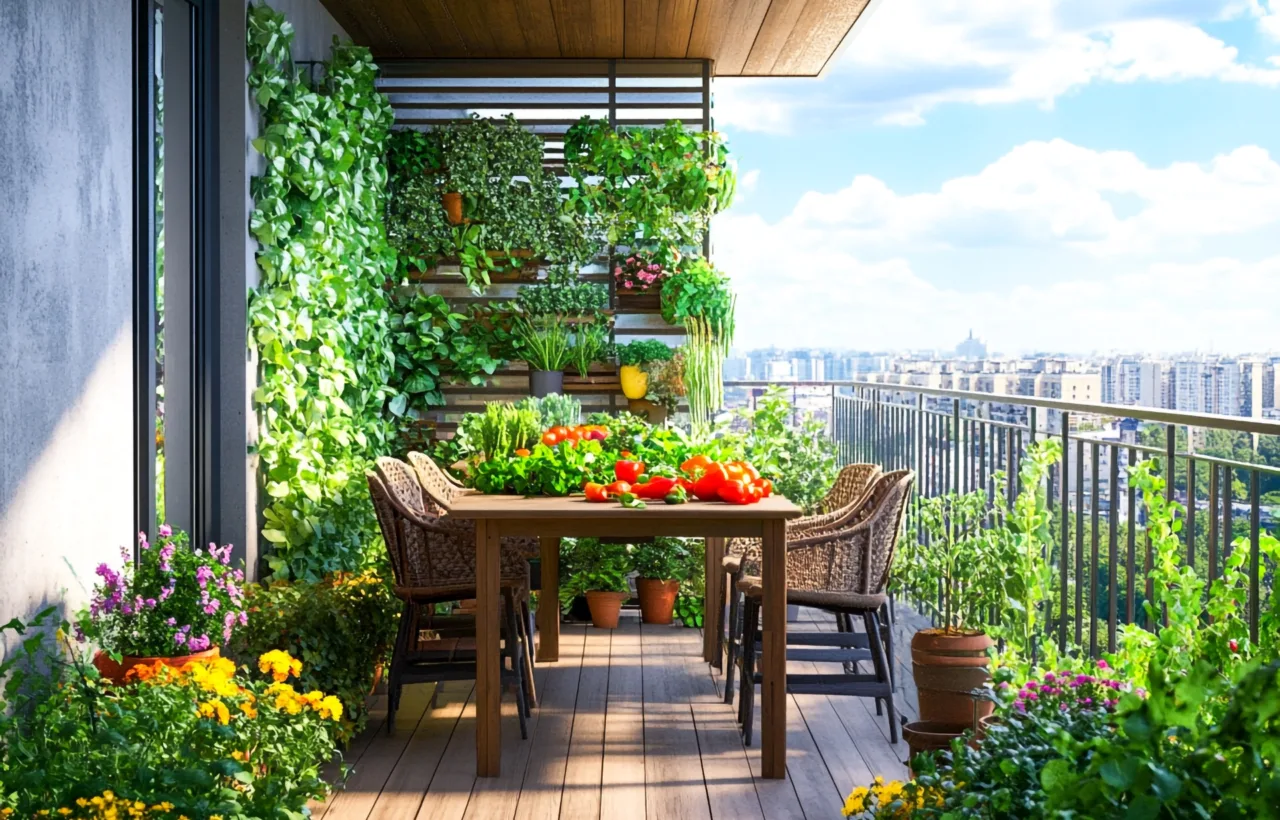
Larger pots sit along the outer edges. This spreads the weight and leaves a clear path to the railing. A small folding table and two chairs fit in the middle when I want to sit outside. When I need more growing space, the furniture folds and stores against the wall.
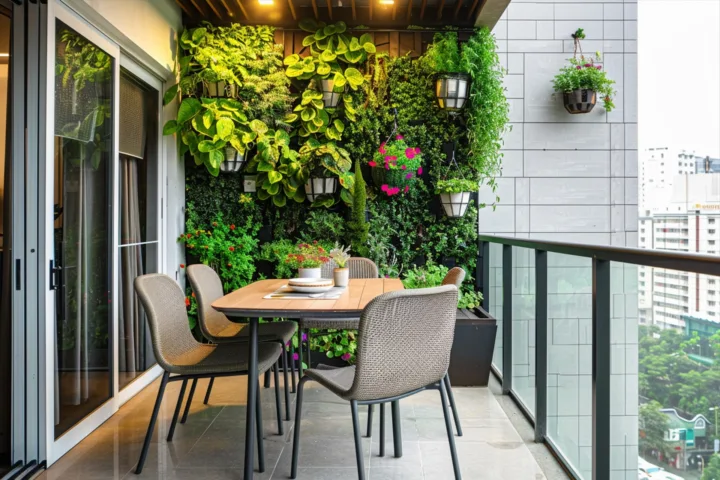
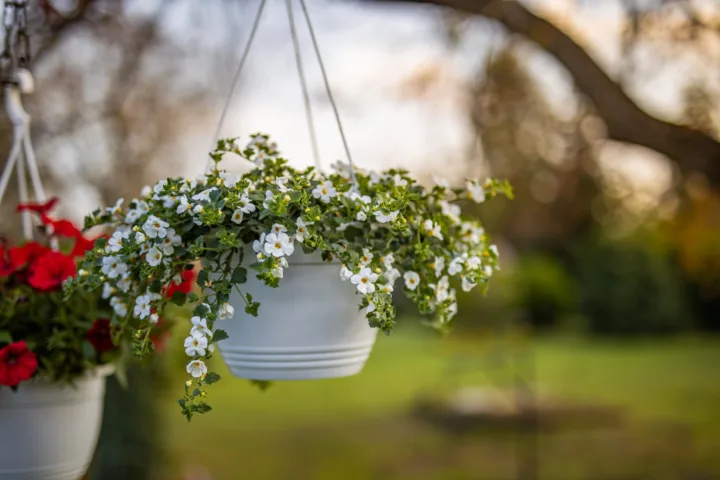
Vertical elements change everything. Wall-mounted shelves hold smaller herb pots. A trellis against one side supports a cucumber vine and a climbing jasmine. Hanging baskets fill the air above head height.
Color plays a quiet role. I stick to a simple palette of greens with pops of white and purple flowers. The limited colors make the space feel intentional rather than cluttered.
Lighting extends the hours I enjoy it. A string of solar lights along the railing turns the balcony into an evening retreat. No outlet required.
Keep one uninterrupted sightline from the doorway to the railing, making the narrow balcony feel less crowded.
Common Mistakes I Made So You Do Not Have To
I started too big. Twelve pots in the first week left me exhausted. Start with three or four. Add more only after you understand the light and your own schedule.
I ignored microclimates. A plant that thrives on a friend’s ground-level patio can struggle six floors up. Observe your own space for a week before buying.
I used the wrong soil. Cheap fill dirt compacted and stayed wet. Roots rotted. Good potting mix costs more up front and saves plants later.
I forgot about winter. Some of my pots cracked in freezing weather. Now I use frost-resistant containers or bring the tender plants inside when temperatures drop.
I watered on a fixed schedule instead of checking the soil. Consistency beats rigid routines every time.
Run one full watering test before expanding: check drainage, drying time, and whether runoff reaches the neighbor below.
Seasonal Rhythm of My Urban Balcony Garden
Spring means seed starting on the windowsill and gradual hardening off. I move seedlings outside for a few hours each day until they adjust.
Summer demands daily attention. Heat and wind keep me vigilant. Harvests peak in July and August. I freeze extra herbs in ice cube trays with olive oil.
Fall brings cooler temperatures and a second round of leafy greens. I pull spent tomato plants and replace them with kale and more lettuce.
Winter is quiet. Hardy herbs stay outside. Tender plants come indoors under a grow light. Empty pots get cleaned and stored. Planning for next year happens on cold evenings with a notebook and a cup of tea.
The cycle keeps me connected to the seasons even in the middle of the city.
Tools and Supplies I Actually Use
I keep the kit small on purpose.
- Hand trowel and pruners
- Lightweight watering can
- Soil moisture meter for the days I doubt my finger test
- Plant labels so I remember what I planted where
- A small bag of slow-release fertilizer
That is it. Fancy gadgets collect dust. Simple tools get used.
Budget stays reasonable when I buy starts instead of full-grown plants and save seeds from successful harvests. Friends trade cuttings. Yard-sale pots get a second life after a good scrub.
Frequently Asked Questions
How much sunlight does an urban balcony garden really need? Most vegetables want six hours of direct sun. Herbs and leafy greens tolerate less. Track your light for a few days and match plants to what you actually have.
Can I grow food on a shady balcony? Yes. Focus on lettuce, spinach, chard, mint, parsley, and shade-tolerant flowers. Skip full-sun crops like tomatoes and peppers unless you have a bright corner.
What is the biggest weight concern for balcony gardening? Wet soil and ceramic pots add up fast. Stick to lightweight containers and avoid overloading any single area. Check your building’s stated limit if you can find it.
How do I stop plants from drying out so quickly? Group pots together to create a humid microclimate. Use self-watering containers for the thirstiest plants. Water thoroughly when the top inch of soil feels dry.
Is an urban balcony garden worth the effort for a beginner? IMO yes. Start small, expect a few losses, and adjust. The first successful harvest of your own basil makes the learning curve feel worthwhile.
Final Thoughts From My Concrete Oasis
My urban balcony garden is not perfect. Some seasons the tomatoes sulk. Wind still wins occasionally. Yet every morning I step outside and the green hits me first. That small patch of growth changes how I experience the city. It turns a concrete platform into a place I actually want to spend time.
You do not need a big space or years of experience. You need a few containers, the right plants for your light, and the willingness to check the soil every day. Start with what fits your schedule. Expand when it feels natural.
I still catch myself smiling when I snip a sprig of thyme for dinner. That quiet satisfaction is the real harvest. Go plant something. Your balcony is waiting.