
I spent years staring at my empty concrete slab and feeling stuck. My tiny balcony garden apartment setup started as pure frustration. I wanted green. I wanted herbs I could snip for dinner. I wanted something that felt alive in a space the size of a closet.
That feeling of defeat hit hard the first summer. Everything I planted died or looked sad. Then I stopped chasing perfect and started testing what actually survives in limited square footage with strict rental rules. The results surprised me. Now I walk out every morning to a space that feeds me, calms me, and makes neighbors stop and stare.
You can do the same. This is everything I learned the hard way so you skip the expensive mistakes.
Why a Tiny Balcony Garden Apartment Setup Changed My Daily Routine
I used to treat my balcony like storage. Boxes. Old chairs. Dust. Then one spring I cleared it and decided to try again. The difference showed up fast. Morning coffee tastes better when basil leaves brush my arm. Evening light hits the tomatoes just right. Even watering became a five-minute reset instead of a chore.
Honestly? The mental shift mattered more than the plants. Looking at green every day lowered the background stress of city living. I noticed I stayed outside longer. I cooked more. I stopped scrolling so much. That tiny strip of outdoor space turned into the best room in my apartment.
See, most advice online assumes you have a backyard or unlimited cash. I don’t. I work with what the landlord allows and what my wallet can handle. That constraint forced better choices.
Track basil, mint, and tomato purchases for one month, then redirect those savings toward only the balcony upgrades you actually use.
Assessing Your Space Before You Buy a Single Pot
I measured everything first. Length. Width. Height of the railing. How much direct sun hits at different times. Weight limits matter too. Some balconies cannot handle heavy soil-filled containers without risk.
I stood out there for three days at different hours and just watched. Morning shade. Afternoon blast of heat. Evening cool down. That simple observation saved me from buying plants that would fry by July.
Check your lease. Many buildings ban soil on the floor or anything that could drip onto the unit below. I learned that the hard way after one overwatered tomato plant caused a complaint. Now I use saucers under every pot and stick to lightweight options.
Wind is the silent killer in high-rise apartments. Gusts dry out soil and snap tall stems. I started choosing shorter plants and heavier base pots after losing two promising peppers in one afternoon.
Secure railing planters with manufacturer-approved brackets, and verify they cannot shift during gusts before adding soil or plants.
Choosing Containers That Actually Work in Limited Space
I wasted money on cute pots that cracked or tipped over. Then I switched to a simple system that fits my tiny balcony garden apartment constraints.
Here’s what I use now:
- Fabric grow bags: Lightweight. Fold flat when empty. Roots stay cooler. Drainage is excellent.
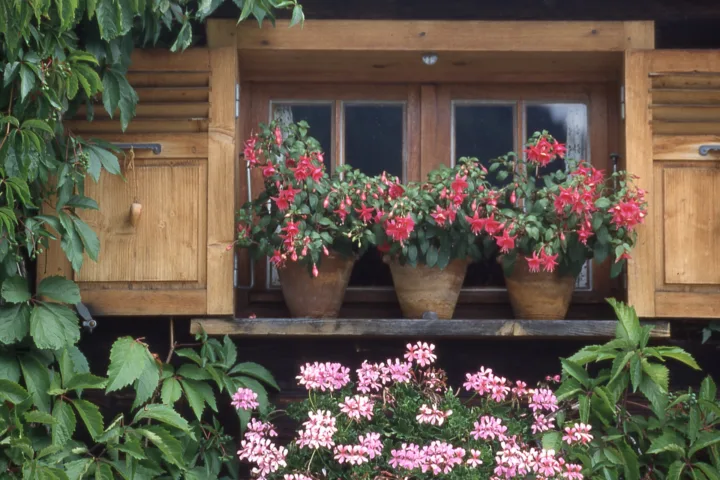
- Railing planters: These hang outside the rail so they steal zero floor space. I filled mine with trailing herbs and strawberries.
- Stackable vertical towers: One corner unit holds six different plants in the footprint of a single large pot.
- Self-watering containers: Game-free for busy weeks. The reservoir underneath keeps roots happy without daily attention.
I avoid ceramic and heavy terracotta. They look nice but add weight and break easier. Plastic and fabric win for renters every time.
Drainage is non-negotiable. I drill extra holes if needed and always line the bottom with a layer of rocks or broken pot pieces so soil does not clog the openings.
Skip the rock layer: it can raise the perched water table, leaving roots wetter. Use unobstructed drainage holes and a saucer instead.
Plants That Thrive in My Tiny Balcony Garden Apartment
I killed a lot of plants learning this list. Some just cannot handle the conditions. Others surprise me every season.
Herbs That Deliver Fast Wins
Basil, mint, chives, and parsley grow like weeds for me. I keep mint in its own pot because it takes over everything. One healthy basil plant supplies pesto all summer. I harvest often so it keeps producing instead of flowering and stopping.
Compact Vegetables Worth the Effort
Cherry tomatoes in determinate varieties stay manageable. I stake them early. Leafy greens like lettuce and spinach grow quick in cooler months. Peppers do well if they get enough sun. I skip large vines like full-size cucumbers. They need more room than I can give.
Flowers and Foliage for the Soul
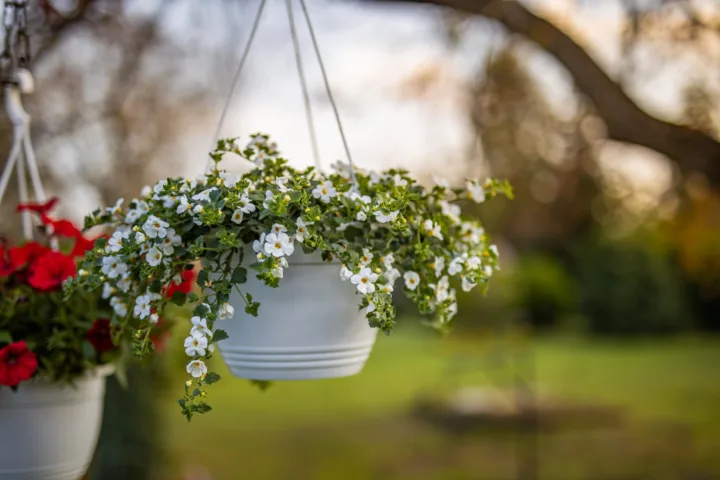
Marigolds keep pests away and add color. Petunias spill over the edges and make the whole space look fuller. Succulents handle neglect if I forget a watering. I mix in one or two trailing plants for movement when the wind hits.
I rotate based on season. Cool weather crops in spring and fall. Heat lovers in summer. That keeps the balcony productive year-round instead of empty for months.
Vertical Growing Techniques That Saved My Floor Space
Floor space is precious. I go up instead.
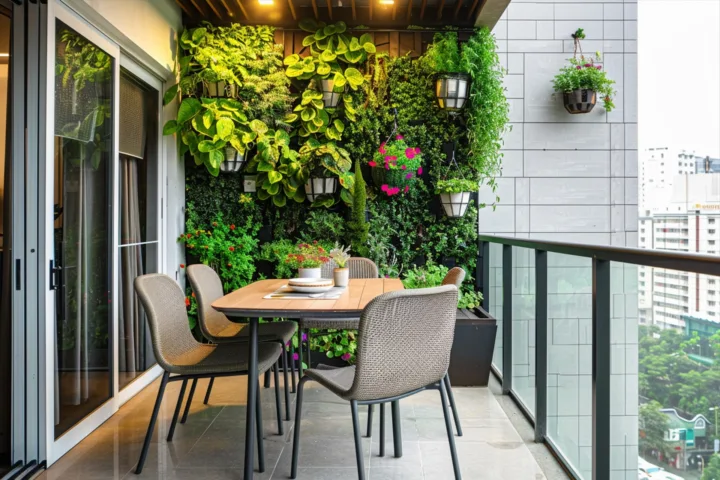
I installed a simple tension rod system against the wall for hanging pots. No drills. No permanent changes. Landlords love that. A freestanding vertical planter against the railing creates a living privacy screen without blocking light completely.
Trellises work for peas or small climbing beans. I lean them against the wall and train the plants upward. Suddenly the same square footage supports three times the greenery.
One of my best moves was a tiered plant stand. Three levels. Different heights. Everything gets light and I can still walk past without knocking pots over.
Watering, Feeding, and Daily Care That Fit Real Life
I used to overwater. Then I underwatered. Now I stick my finger in the soil. If the top inch feels dry, I water. Simple.
Morning is best. Plants take up water before the heat stresses them. I use a long-spout watering can so I can reach the back without leaning over the rail.
Fertilizer is light. A balanced liquid feed every two weeks during peak growth keeps things moving. I dilute it more than the bottle suggests. Too much salt builds up fast in containers.
Pests show up sometimes. Aphids love new growth. I spray them off with a strong water jet or use a mild soap solution. Ladybugs appear if I leave a few flowering plants nearby. Nature helps when I stop trying to control everything.
Check fabric bags, railing planters, and vertical towers separately, since wind exposure and container size can make their soil dry at different rates.
Furniture and Layout Tricks for a Usable Space
I keep seating minimal. One folding chair and a small side table that tucks against the wall. Anything bigger turns the balcony into an obstacle course.
An outdoor rug defines the space and hides the concrete. I chose one that drains quickly so it does not stay soggy after rain.
String lights transform the evening vibe. Soft, warm, battery-powered ones mean no outlet hunting. I hang them along the railing so they do not tangle with plants.
The goal is function first. Pretty follows. If I cannot move around easily or water everything without gymnastics, the setup fails.
Common Mistakes I Made and How You Can Avoid Them
I overcrowded pots early on. Plants competed for nutrients and light. Now I give each one room to breathe.
I ignored weight limits. One heavy ceramic pot later and I worried about structural issues. Lightweight materials fixed that.
I planted full-sun lovers in a mostly shady corner. They stretched and sulked. Matching plant needs to actual conditions works better than wishful thinking.
I bought too many plants at once. Overwhelm set in. Starting with five solid pots and expanding slowly keeps the process fun instead of stressful.
Seasonal Adjustments That Keep Things Going
Summer demands more water and shade cloth on the hottest days. I drape a light fabric over the railing during heat waves so leaves do not scorch.
Fall means cutting back and bringing tender plants inside or covering them on cold nights. Winter is quiet. I leave hardy herbs and add a few evergreens in pots for structure.
Spring is restart season. Fresh soil. New seedlings. The cycle feels good every year.
Budget Reality Check from Someone Who Spent Too Much at First
I blew money on fancy tools and rare plants. Most of it was unnecessary. Good soil, solid containers, and reliable seeds or starts matter more.
Hardware stores and online sales cover the basics. Seed packets cost almost nothing and teach patience. Sharing cuttings with neighbors multiplies the garden without extra cost.
IMO the best investment is time spent observing what works in your specific conditions. That knowledge compounds every season.
Frequently Asked Questions
How much sun does a tiny balcony garden apartment really need? Most productive plants want at least four to six hours of direct light. I map the sun pattern carefully and place sun-lovers where they get the most. Shade-tolerant herbs and greens fill the dimmer spots.
Can renters create a real garden without risking their deposit? Yes. I stick to freestanding and hanging systems that leave zero marks. Saucers catch every drop. When I move, everything comes with me and the balcony looks better than when I arrived.
What is the easiest plant to start with for complete beginners? Basil or mint. They grow fast, forgive mistakes, and deliver usable harvests quickly. Success builds confidence for the next round of plants.
How do I keep the balcony from looking messy once plants fill in? I stick to a simple color palette for pots and prune regularly. Dead leaves go in a small compost bin. Consistent care prevents the jungle-gone-wild look.
Is it worth growing vegetables in such a small space? For me, yes. Cherry tomatoes and salad greens give the best return. The flavor of something I grew myself beats store-bought every time, even in small quantities.
I started with almost nothing but a blank concrete square and a stubborn wish for green. Now that tiny balcony garden apartment corner is the part of home I protect most. It feeds me, grounds me, and proves that limited space does not mean limited results.
Go measure your railing today. Pick one pot and one plant. Start messy. Adjust as you go. The best version of your outdoor space is the one that actually exists, not the one waiting for perfect conditions.