
Building a pallet compost bin turned my backyard mess into black gold. I started with a pile of rotting pallets behind the shed and zero experience. Now I pull rich compost every spring without spending a fortune at the garden center.
Honestly? I felt defeated the first time I tried store-bought bins. They cracked. They smelled. They cost too much. A simple pallet compost bin fixed all that.
You want cheap. You want sturdy. You want something that actually works. This guide walks you through everything I learned the hard way.
Why a Pallet Compost Bin Beats the Fancy Ones
I bought two plastic tumblers before I wised up. One broke after one winter. The other turned into a slimy nightmare.
Pallets solve the money problem. Free wood shows up behind hardware stores and construction sites every week. Just ask. Most folks say yes.
A pallet compost bin breathes better than sealed plastic. Air flows through the slats. Your pile heats up faster. It finishes sooner.
I stack three or four pallets into a square. Done. No tools beyond a hammer and some screws.
See, the beauty sits in the simplicity. No fancy lids. No spinning drums. Just wood that holds your scraps and leaves.
My first pallet compost bin lasted four years. I still use the same design. It holds about one cubic yard. Perfect for a family of four.
Key win: Zero cost if you scavenge right. Compare that to $150 bins that fail.
Finding the Right Pallets for Your Compost Bin
Not every pallet works. Some carry chemicals. Some fall apart.
Look for HT stamps. Heat-treated. Safe. Avoid MB. Methyl bromide. Toxic stuff.
I hunt behind local feed stores and garden centers. Early morning works best. Wear gloves. Stack them carefully in the truck.
Size matters. Standard 48 by 40 inch pallets fit most yards. Smaller ones work for tight spaces.
Check for broken boards. Pull nails that stick out. Sand rough edges if kids play nearby.
Pro tip: Grab extras. You always need replacement boards later.
I once dragged home six pallets in one haul. Felt like a champion. Two became the base. Two the sides. Two the backup.
Tools and Materials You Actually Need
Keep it basic. No power tools required if you hate them.
- Four to six heat-treated pallets
- 3-inch wood screws or galvanized nails
- Heavy-duty landscape fabric or cardboard for the base
- Wire or bungee cords for the front gate
- Optional: hinges if you want a swinging door
I use a cordless drill now. Makes life easy. But a hammer and screwdriver work fine.
Grab gloves. Pallet wood splinters like crazy. I learned that after one bloody thumb.
Total spend for me: Under $20 for screws and fabric. Everything else free.
Building Your Pallet Compost Bin Step by Step
Clear a flat spot. Level ground stops tipping later.
Lay landscape fabric or cardboard first. Keeps weeds out. Lets worms in.
Stand two pallets upright for the sides. Screw them together at the corners. I drive three screws per joint. Solid.
Add the back pallet the same way. Now you have a U shape.
For the front, leave one pallet loose or cut it in half. That becomes your access door. Wire it shut or add hinges.
I prefer the wire method. Fast. Cheap. Easy to open when I turn the pile.
Stack a second layer if you want height. Screw the top pallets to the bottom ones. Boom. Taller bin.
My current pallet compost bin stands about four feet high. Perfect. I reach the top without a stool.
Build time: One Saturday morning. Coffee helps.
Test the stability. Shake it. If it wobbles, add diagonal braces from scrap wood.
Fill the bottom with sticks or coarse branches. Airflow starts there.
Attach hardware cloth inside the pallet gaps to keep rodents out and fine materials in.
Filling and Managing the Pallet Compost Bin
Layer green and brown. Greens mean kitchen scraps, grass clippings, coffee grounds. Browns mean leaves, cardboard, straw.
I aim for two parts brown to one part green. Keeps the smell down.
Chop big stuff. Banana peels go in whole. They take forever otherwise.
Water when it feels dry. Squeeze a handful. It should feel like a wrung-out sponge.
Turn the pile every two weeks. I use a pitchfork. Front gate makes this easy. Pull the wire. Scoop. Restack.
Honestly? Turning sucks at first. Then you see the steam. Magic.
In summer my pallet compost bin finishes in three months. Winter takes longer. I just add and wait.
Smell check: If it stinks like ammonia, add more browns. If nothing happens, add greens and water.
I keep a small bucket by the kitchen door. Daily dumps. No big trips.
Never add meat, dairy, or oily foods to a pallet bin they attract pests and smell bad.
My Real Results After Two Years
First batch gave me dark, crumbly gold. Tomatoes exploded. Peppers thrived. Roses never looked better.
I spread it two inches thick around plants. Watered. Walked away.
Neighbors asked what fertilizer I used. I pointed at the pallet pile. They laughed. Then they built their own.
One friend used cedar pallets. Fancy. Smelled nice. Mine still works the same.
See, the pallet compost bin does not care about looks. It cares about function.
I track volume now. One full bin equals roughly eight bags of store compost. Savings add up fast.
Personal favorite moment: Harvesting in March. Frozen fingers. Perfect soil. Worth every splinter.
Common Problems and Quick Fixes
Pile too wet? Add dry leaves or shredded paper. Stir.
Too dry? Hose it. Cover with a tarp if rain stays away for weeks.
Pests? Bury food scraps deep. Cover with browns. Raccoons hate the work.
Fruit flies? Same fix. Or sprinkle wood ash if you have a fireplace.
Boards rotting? Swap them. Keep extras ready.
I lost one side board last winter. Five minutes with the drill fixed it.
Biggest lesson: Start small. One bin teaches you more than any book.
Advanced Tricks I Wish I Knew Sooner
Add a roof. Scrap plywood or a tarp. Keeps heavy rain out. Speeds things up.
Paint the outside if you want. Exterior latex. Looks neater. Protects the wood a bit.
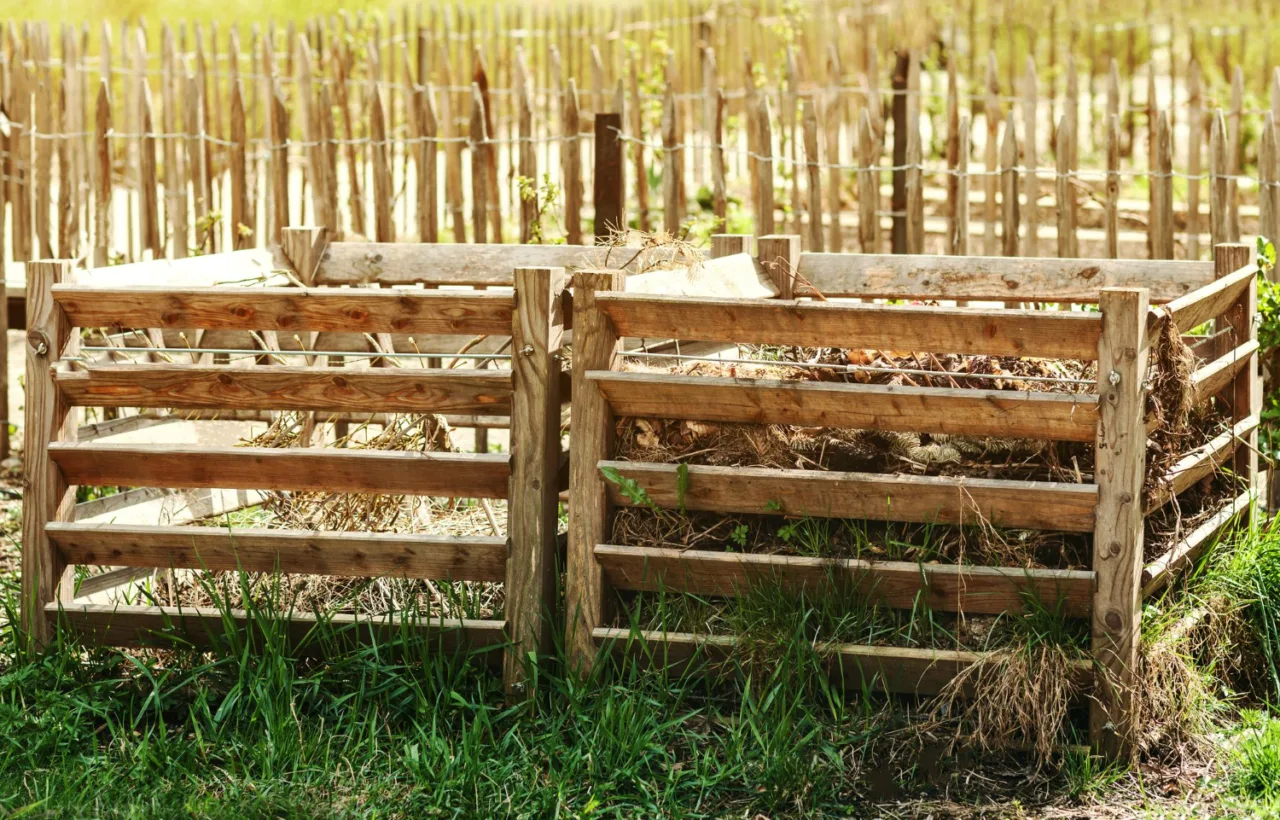
Build two bins. One filling. One finishing. Continuous supply.
I run two now. Side by side. Flip material between them.
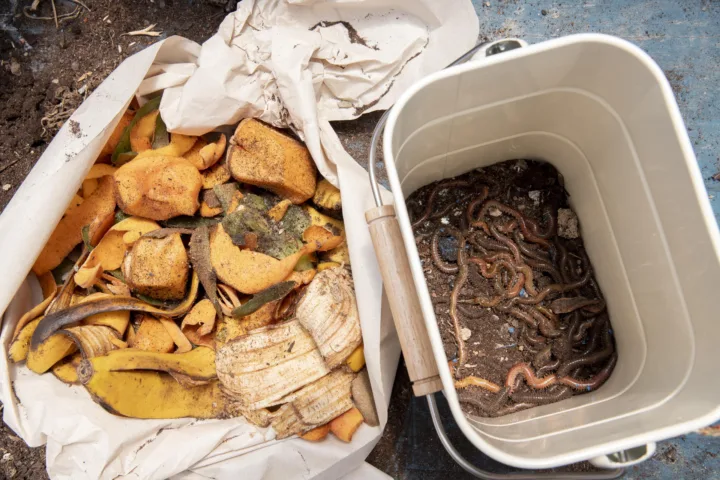
Worms love pallet bins. They show up on their own. Free labor.
Add crushed eggshells. Calcium boost. Tomatoes thank you.
IMO the dual-bin setup changed everything. No more waiting for one pile to finish.
Seasonal Care for Longevity
Spring: Empty finished compost. Inspect boards. Replace weak ones.
Summer: Keep moist. Turn often. Harvest mid-season if ready.
Fall: Load with leaves. Tons of browns. Balance with kitchen stuff.
Winter: Let it sit. Or keep adding. Cold slows it but does not stop it.
I tarped mine last January. Opened it in March to steam and happy microbes.
FYI snow on top acts like insulation. Leave it if the pile is hot inside.
Cost Breakdown and Value Over Time
Pallets: free. Screws: $8. Fabric: $10. Time: four hours.
Store bin: $120 plus shipping. Breaks in two years.
My pallet compost bin cost almost nothing. Produced compost worth $200 already. And counting.
I laugh every time I walk past the plastic graveyard in my shed.
Frequently Asked Questions
How long does a pallet compost bin last? Mine hit four years strong. Swap boards as needed and it goes longer. Heat-treated wood holds up well outside.
Can I use any pallets for a pallet compost bin? No. Stick to heat-treated ones marked HT. Avoid chemically treated. Safety first for your garden and food.
Do I need a lid on my pallet compost bin? Not required. A tarp or scrap wood roof helps control moisture. I use one in rainy seasons.
How big should my pallet compost bin be? Start with four pallets for a single bay. Expand later. One cubic yard works for most homes.
Will a pallet compost bin attract rats? Only if you leave food exposed. Bury scraps and cover with browns. I never had issues once I learned that.
Final Thoughts From My Backyard
A pallet compost bin gives you free fertilizer and a cleaner conscience. You turn trash into treasure. Simple as that.
I still smile when I open the front gate and see that rich soil. All from scraps and free wood.
Grab those pallets this weekend. Build one. Start small. Watch it work.
Your garden will thank you. Your wallet will too. And you might just get hooked like I did.
Now go make some dirt.