
I spent years tossing banana peels and coffee grounds into the trash. Honestly? It felt wasteful every single time. Then I set up my first compost system in the backyard, and everything changed. Now I turn those scraps into rich, dark soil that my tomatoes love. If you want a compost system that works without constant babysitting, I built one that fits real life. This is the exact path I took, mistakes and all.
I live in a regular suburban yard with a small garden and zero desire for extra chores. My compost system started simple and stayed that way. It handles my kitchen waste, grass clippings, and fall leaves. The result? Free fertilizer and less garbage. You can do the same.
Why I Finally Started a Compost System
I dragged my feet for too long. The idea seemed messy. Smelly. Complicated. See, I thought I needed fancy equipment or a huge farm.
I was wrong.
My neighbor handed me a bag of finished compost one spring. It smelled like fresh earth after rain. My plants perked up like nothing else. That moment hooked me. I researched every type of compost system I could find. Open piles. Bins. Tumblers. Worm setups. I picked what matched my space and energy level.
The benefits hit hard right away. I cut my trash bag use in half. My soil holds water better. Weeds struggle less. And I stop feeling guilty about food waste. IMO, every home gardener needs this.
Start small if you feel overwhelmed. One bin beats none.
Choosing the Right Compost System for Your Space
I tested a few options before landing on mine. Not every compost system suits every yard. Here’s what I learned through trial and plenty of error.
For small spaces, try a worm bin (vermicomposting) it processes kitchen scraps quickly and fits under a sink.
Open Pile: The No-Fuss Starter
I began with a simple heap in the back corner. Just layers of stuff. No walls. No lid.
It worked fine for leaves and grass. But raccoons visited. Rain soaked it. Turning felt like a workout. I moved on after one season.
Best for: Big yards and low budgets. Downside: Looks messy and attracts critters if you add food scraps.
Stationary Bins: My Everyday Winner
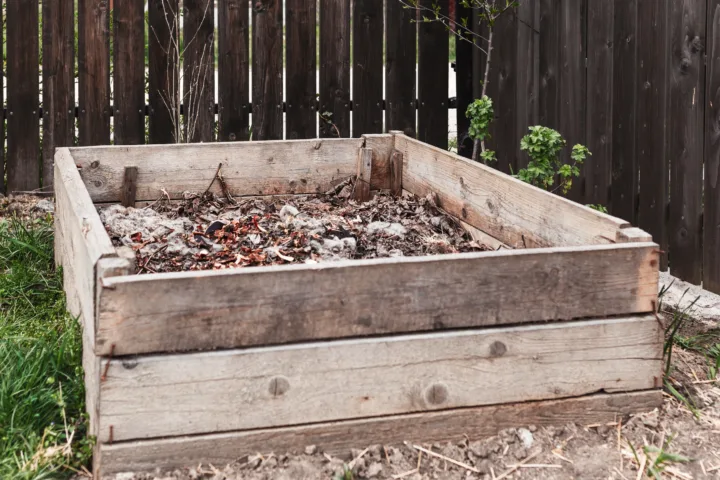
I built a two-bin wood system from free pallets. One side for fresh scraps. The other for finishing. Airflow stays good. I cover food with browns and walk away.
This compost system fits my rhythm. I add kitchen stuff daily. Turn every couple weeks. Harvest when dark and crumbly.
Key features I love:
- Cheap or free materials
- Easy to expand later
- Holds heat better than a pile
- Keeps things contained
Tumblers: The Spin Option
I borrowed a friend’s dual-chamber tumbler for a month. Spinning mixes air without a pitchfork. Nice for bad backs.
But capacity stays smaller. And cheap ones leak rainwater. Mine never got hot enough in winter. I passed on buying one.
Good if: You hate turning by hand and have limited space.
Worm Bins: Indoor Magic
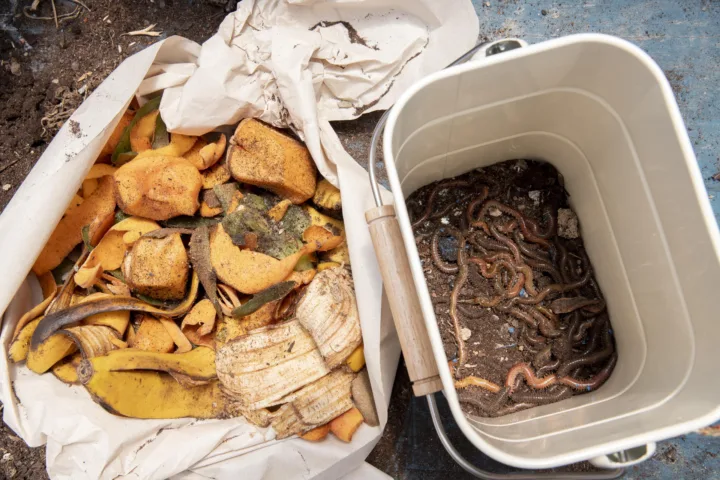
I keep a small worm bin under the sink for winter scraps. Red wigglers eat coffee grounds like candy. The castings go straight on houseplants.
No outdoor space needed. Zero smell if you balance it right. FYI, start with one pound of worms.
Perfect for: Apartments or cold climates.
I settled on the pallet bins plus a kitchen caddy. Hybrid approach wins for me.
How I Built My Backyard Compost System Step by Step
I kept it cheap and sturdy. Total cost under $50 because I scrounged pallets.
Step 1: Pick the Spot
I chose a flat, well-drained corner near the garden hose. Partial sun. Easy to reach from the kitchen. Far enough from the house that any temporary smell stays outside.
Avoid low spots that flood. Keep it away from neighbor fences if possible.
Step 2: Gather Materials
For my two-bin setup:
- Four wooden pallets (free from a local store)
- Wire mesh for the front
- A few screws and zip ties
- Cardboard for the base
I laid gravel first for drainage. Then stood the pallets in a U shape. Secured the corners. Added a removable front panel.
Done in one Saturday afternoon.
Step 3: Layer Like Lasagna
This part matters most. I start every new pile the same way.
- Thick base of twigs or wood chips for air.
- Six inches of browns: dry leaves, shredded cardboard, newspaper.
- Two to three inches of greens: veggie scraps, coffee grounds, fresh grass.
- Sprinkle of garden soil to introduce microbes.
- Light water until it feels like a wrung-out sponge.
Repeat the layers. Cover the top with more browns. Always bury fresh food scraps.
The magic ratio I stick to: Two or three parts brown to one part green. Too many greens and it gets slimy. Too many browns and nothing happens.
Step 4: Maintain Without Losing Your Mind
I check moisture every week or two. Stick my hand in. If dry, I water and turn. If wet and stinky, I add dry leaves and fluff.
Turning: I fork the outer material into the center. Takes ten minutes. I do it every two to four weeks. More often equals faster compost.
In summer my pile hits hot temperatures fast. In winter it slows. I just keep adding and wait.
What Goes In (And What Stays Out)
I keep a running list on my fridge. Helps the whole family.
Greens (nitrogen):
- Fruit and vegetable scraps
- Coffee grounds and filters
- Tea bags (no staples)
- Fresh grass clippings
- Crushed eggshells
- Plant trimmings
Browns (carbon):
- Dry leaves
- Shredded cardboard and paper
- Straw or hay
- Sawdust from untreated wood
- Twigs and small branches
- Paper towel tubes
Never add these:
- Meat, bones, or fish
- Dairy or grease
- Pet waste
- Diseased plants
- Weeds gone to seed
- Treated wood or glossy paper
I learned the hard way. One greasy pizza box attracted flies for weeks. Now I stay strict.
Chop big pieces. Smaller bits break down quicker. Banana peels? I them. Corn cobs? Smash them.
Troubleshooting the Messes I Made
My first pile turned into a stinky swamp. Too many coffee grounds. Not enough leaves. I fixed it by dumping in a bag of dry autumn leaves and turning hard. Smell vanished in two days.
Another time it just sat there cold. I added grass clippings and a scoop of finished compost. Heat kicked in.
Common fixes I use:
- Smelly: Add browns and turn for air.
- Dry and stalled: Water and add greens.
- Slimy: More browns, less water.
- Pests: Bury food deep and use a lid or wire bottom.
Patience helps. Compost takes time. My slowest batch still finished in eight months. Fastest took ten weeks.
How I Use the Finished Compost
When it looks dark, crumbly, and smells earthy, I sift it. Big bits go back into the active bin. Fine stuff goes on the garden.
I mix it into planting holes. Top-dress beds. Make compost tea for seedlings. My tomatoes doubled in size the first year. Roses bloomed longer. Even the lawn looked greener after a light spread.
I store extras in bags for next season. Never buy bagged soil anymore.
My Personal Tips for a Low-Effort Compost System
I almost quit twice when life got busy. Here’s what kept me going.
Keep a countertop caddy with a charcoal filter. Empty it every few days. No more fruit flies in the kitchen.
Collect leaves in fall and store them dry. Instant browns all year.
Use two bins so one always finishes while the other cooks.
Involve the kids. They love dumping scraps and watching worms.
Check local rules. Some cities offer free bins or pickup.
Honestly? The system runs itself once you build the habit. Five minutes a day max.
Frequently Asked Questions
How long does a compost system take to make finished compost? My well-tended pile finishes in two to five months. Untouched ones can take a full year. Heat, moisture, and turning speed it up.
Can I start a compost system in a small apartment? Yes. I recommend a worm bin or countertop electric unit. Or join a community drop-off. My sister does this and still gets great results for her balcony plants.
Does a compost system smell bad? A balanced one smells like forest dirt. Mine only stinks when I mess up the green-brown ratio. Fix it fast with browns and air.
What size compost system do I need? For a family of four, a 3x3x3 foot bin works great. I started smaller and expanded. Bigger piles heat better, but start with what fits.
Is a compost system worth the effort? Absolutely. I save money on trash bags and fertilizer. My garden thrives. And I sleep better knowing less waste hits the landfill.
Final Thoughts From My Backyard
I built my compost system on a whim one spring. Now it feels essential. Kitchen scraps become black gold. Yard waste disappears. Plants thank me every season.
You do not need perfection. Start with a pile or a free pallet bin. Add your scraps. Cover with leaves. Wait. Adjust as you go.
My garden soil improved more in two years than in the previous ten. That alone sold me forever.
Go set yours up this weekend. Your future plants will high-five you. And if you hit a snag, just add more browns. It almost always works.
I still smile every time I dig into a finished batch. That earthy smell? Pure satisfaction.