
I spent my first year with chickens dumping fresh poop straight into the garden beds. Big mistake. The plants yellowed. Some keeled over. I felt like a total rookie. That mess forced me to figure out how to compost chicken poop properly, and now I turn every scoop of coop litter into the best fertilizer my vegetables have ever seen.
Honestly? Once I got the hang of it, the process felt almost too easy. You clean the coop. You pile the stuff. You wait a bit. Then you spread black gold that makes tomatoes explode with flavor. I want to walk you through exactly what I do so you skip the plant-killing phase I lived through.
Why Chicken Poop Needs Special Treatment Before It Hits the Dirt
Chicken manure packs way more nitrogen than cow or horse stuff. Fresh droppings can scorch roots and leaves if you spread them raw. Pathogens hang out in there too. I learned that the hard way after one batch of lettuce tasted off and I got nervous.
See, birds dump urine and feces together. That ammonia hits hard. Composting breaks it down into stable nutrients plants actually love. Finished compost from chicken poop delivers nitrogen, phosphorus, and potassium in forms roots grab easily. It also builds soil structure and helps hold water. My sandy backyard soil turned darker and fluffier after two seasons of this stuff.
I keep a small flock of six hens. They produce about a cubic foot of manure every six months. That pile adds up fast if you ignore it. Turning it into compost solves the smell, the flies, and the waste problem in one go.
Fresh chicken manure may contain Salmonella and E. coli. Always hot compost before using on edible crops to eliminate these pathogens.
Gathering What You Need to Start Composting Chicken Poop
I keep it simple. No fancy gadgets required at first.
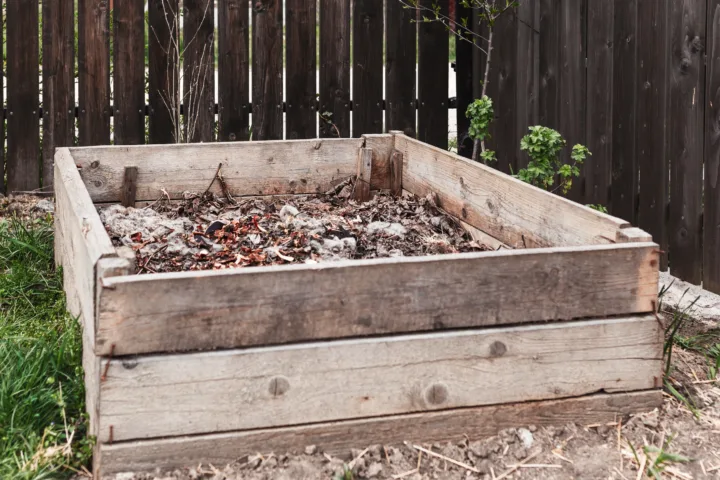
- A bin or pile space at least 3 feet by 3 feet by 3 feet. I built a three-bay system from leftover pallets. One bay holds fresh stuff. The middle one cooks. The last one cures.
- Bedding already mixed with the poop. Pine shavings, straw, or dry leaves work great. They count as the carbon side.
- A pitchfork or shovel for turning.
- A compost thermometer if you want to track heat. I bought a cheap one for about fifteen bucks.
- Water source. Rain does a lot of the work, but I hose the pile when it looks dry.
I clean the coop every week or two using the deep litter method. I just add fresh shavings on top until it gets deep, then scoop the whole mix out. That blend already balances greens and browns pretty well. Chicken poop is the green (nitrogen). Shavings and straw are the brown (carbon).
Not all pallets are safe for compost bins; look for HT (heat treated) stamp to avoid chemical contamination.
Getting the Carbon to Nitrogen Ratio Right
This part tripped me up early on. Ideal compost sits around 30 parts carbon to 1 part nitrogen. Chicken manure runs so hot on nitrogen that I aim for more browns.
I follow a rough 2:1 or even 3:1 brown-to-green mix by volume. For every scoop of pure manure I add two or three scoops of extra dry leaves or cardboard scraps. The bedding already in the coop usually covers most of it. If the pile smells like ammonia, I throw on more browns. If it sits cold and dead, I add a bit more fresh greens or kitchen scraps.
Moisture matters just as much. Squeeze a handful. It should feel like a wrung-out sponge. A drop or two of water is fine. Streams mean too wet. Dust means too dry. I spray it down and mix when needed.
Chicken manure has a carbon-to-nitrogen ratio of about 10:1, so add plenty of carbon-rich materials like straw or leaves to reach the ideal 30:1.
My Hot Composting Method for Faster Results
I prefer hot composting when I want usable fertilizer in a few months instead of almost a year. Hot piles kill pathogens and weed seeds. Cold piles work too, but they take longer and leave me less sure about safety.
Here is the exact sequence I use:
- Dump the coop clean-out into the first bay until I hit roughly one cubic yard.
- Layer in extra browns if the mix looks too heavy on poop.
- Wet it thoroughly and turn everything together.
- Stick the thermometer in the center. Within 24 to 36 hours it usually climbs to 130–150 degrees Fahrenheit.
- Keep it in that range for at least three days. Above 160 kills the good microbes, so I open it up a bit if it races too high.
- When the temp drops below 110, I turn the pile. Outer material goes to the center. Center goes out.
- Repeat the heat cycle two or three more times.
I turn every few days at first. Later I slow down. After the last heat, I let it sit and cure for 45 to 60 days. Ready compost looks dark, crumbly, and smells like rich forest soil. No poop chunks left. No ammonia bite.
My first hot pile took about three months start to finish. Later ones finished faster once I dialed in the moisture.
Place the compost thermometer in the center of the pile for accurate reading; outer edges are cooler.
Cold Composting When I Feel Lazy
Some seasons I just do not want the work. I dump everything in a bay, cover it loosely, and walk away. Rain and time handle the rest. Nine to twelve months later I get usable stuff. It never gets as hot, so I only use it on ornamentals or wait even longer before veggies. For a small clean flock like mine, cold composting feels safe enough. Larger or unknown sources make me stick to hot methods.
I still check moisture a couple times a season and turn once or twice if I feel ambitious. The pile shrinks a ton. What starts as a mountain becomes a modest mound of black gold.
Common Mistakes I Made and How You Can Dodge Them
I piled pure manure with almost no bedding once. The smell could knock you over. Flies threw a party. Lesson learned: always bulk it with carbon.
Another time I let the pile dry out completely in summer. Nothing happened for weeks. I rewet it, turned it, and it woke right up.
I also spread half-finished compost on lettuce once. Bad idea. Wait until you cannot recognize any original ingredients. Gloves stay on every time I handle fresh manure. I wash veggies well afterward too.
Size matters. Tiny piles never heat properly. Aim for that cubic yard minimum.
How I Use the Finished Compost in the Garden
I spread about an inch on beds in early spring or after harvest. I work it lightly into the top few inches or just leave it as mulch. Tomatoes, peppers, and leafy greens go crazy for it. Root crops get a lighter hand because they dislike too much fresh nitrogen even when composted.
I never put raw manure on food crops. Only the finished stuff. For flowers and lawn I sometimes sprinkle a little fresher material and let rain finish the job. It breaks down fast once soil microbes get involved.
My squash vines grew twice as big the year I started using this regularly. Beans set more pods. The difference shows up clear as day.
Extra Tips That Made My Process Smoother
I keep a separate pile of dry leaves and cardboard ready so I never scramble for browns. Kitchen scraps go in too, but I bury them in the middle to avoid pests.
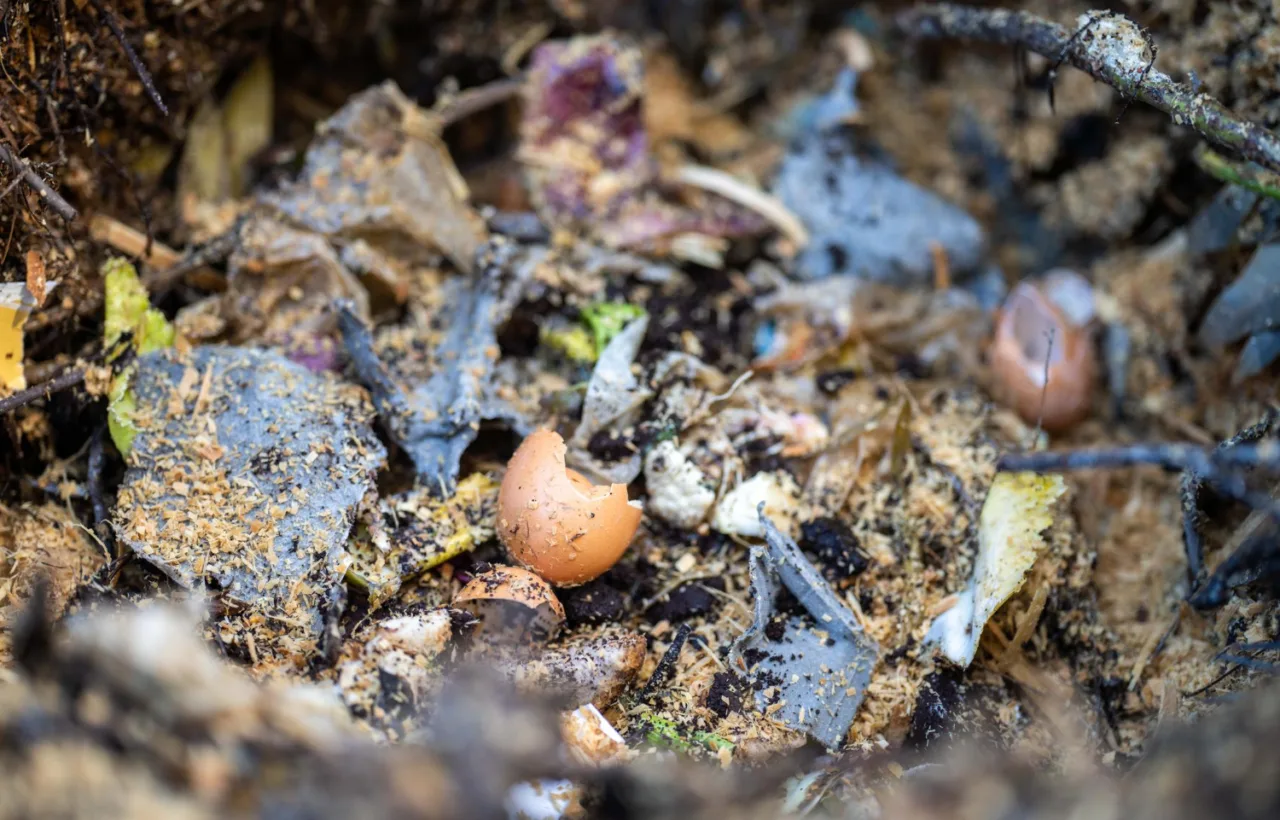
Egg shells stay out of the compost for the most part. I crush them and feed them back to the hens for calcium. They break down too slowly anyway.
Feathers from molting season count as greens. They disappear fine.
In winter the pile slows way down. I cover it with a tarp to hold heat and moisture. Spring restarts everything.
I track batches with a simple marker on the bin. That way I know which one is ready when planting time hits.
Frequently Asked Questions
How long does it take to compost chicken poop? Hot composting gets me usable material in three to six months with regular turning. Cold composting needs nine to twelve months. I always wait until it looks and smells like dark soil before I spread it.
Can I put fresh chicken manure straight on the garden? I avoid it for vegetables. A tiny sprinkle on empty beds weeks before planting can work if you water it in, but composting first keeps plants safer and happier.
What is the best bedding to mix with chicken poop for compost? Pine shavings and straw top my list. They absorb moisture, control odor in the coop, and supply the carbon the pile needs. Dry leaves work great as free extras.
Does composting chicken poop kill all the bad bacteria? Hot composting that hits 130–150 degrees for several days destroys most pathogens. I still wash produce well and never use unfinished material on food crops.
How do I know when the chicken poop compost is ready? It stops heating after I turn and moisten it. The color turns dark brown or black. Texture goes crumbly. Smell shifts to earthy. No recognizable poop or shavings left.
I started this whole process because my garden was dying and my coop stank. Now both problems disappeared. The chickens keep laying. The soil keeps improving. And I get free fertilizer that beats anything from a bag.
Grab that pitchfork. Clean out the coop this weekend. Build your first pile. In a few months you will stand there holding a handful of black gold and wonder why you waited so long. Your plants will thank you. Honestly, mine already did.