
I started making garden compost because my soil was pure trash. Seriously. My tomatoes looked sad. My herbs wilted. I was dumping bags of store-bought dirt and watching my wallet cry. Then I tried turning my kitchen scraps and yard waste into garden compost myself. Game over for the sad plants. This stuff transformed everything.
Honestly? I almost quit twice. The first pile stank like a forgotten gym bag. The second one attracted every raccoon in the neighborhood. But I stuck with it. Now I pull dark, crumbly black gold out of my bins every few months. My garden thrives. Yours can too. I’m walking you through exactly how I do it. No fancy gear required. Just real steps that work.
Why Garden Compost Beats Everything Else I’ve Tried
See, synthetic fertilizers give plants a quick sugar rush. Then they crash. Garden compost feeds the soil for the long haul. I learned this the hard way after years of chemical fixes that left my beds lifeless.
Compost builds structure. It holds water like a sponge. It packs in microbes that make nutrients available slowly. My clay soil used to bake hard every summer. Now it stays loose and moist. I water half as often.
Here’s what changed for me personally:
- Better plant growth. My peppers doubled in size the first season I used homemade stuff.
- Fewer pests and diseases. Healthy soil grows stronger plants. Simple as that.
- Less trash. I cut my kitchen waste by a third. Feels good.
- Free fertilizer. Bags at the store run $10-plus. Mine costs nothing but time.
I think people overcomplicate this. Garden compost isn’t magic. It’s just nature doing its job faster because you set the table right.
The Basics I Wish Someone Told Me About Making Garden Compost
Don’t be in a rush. Start small. I began with a simple pile behind the shed. Later I upgraded to a bin. Either works.
You need four things. Carbon. Nitrogen. Air. Water. That’s it.
Aim for a carbon-to-nitrogen ratio of about 30:1. Too much carbon slows decomposition, too much nitrogen causes odor.
Greens and Browns: The Ratio That Saved My Pile
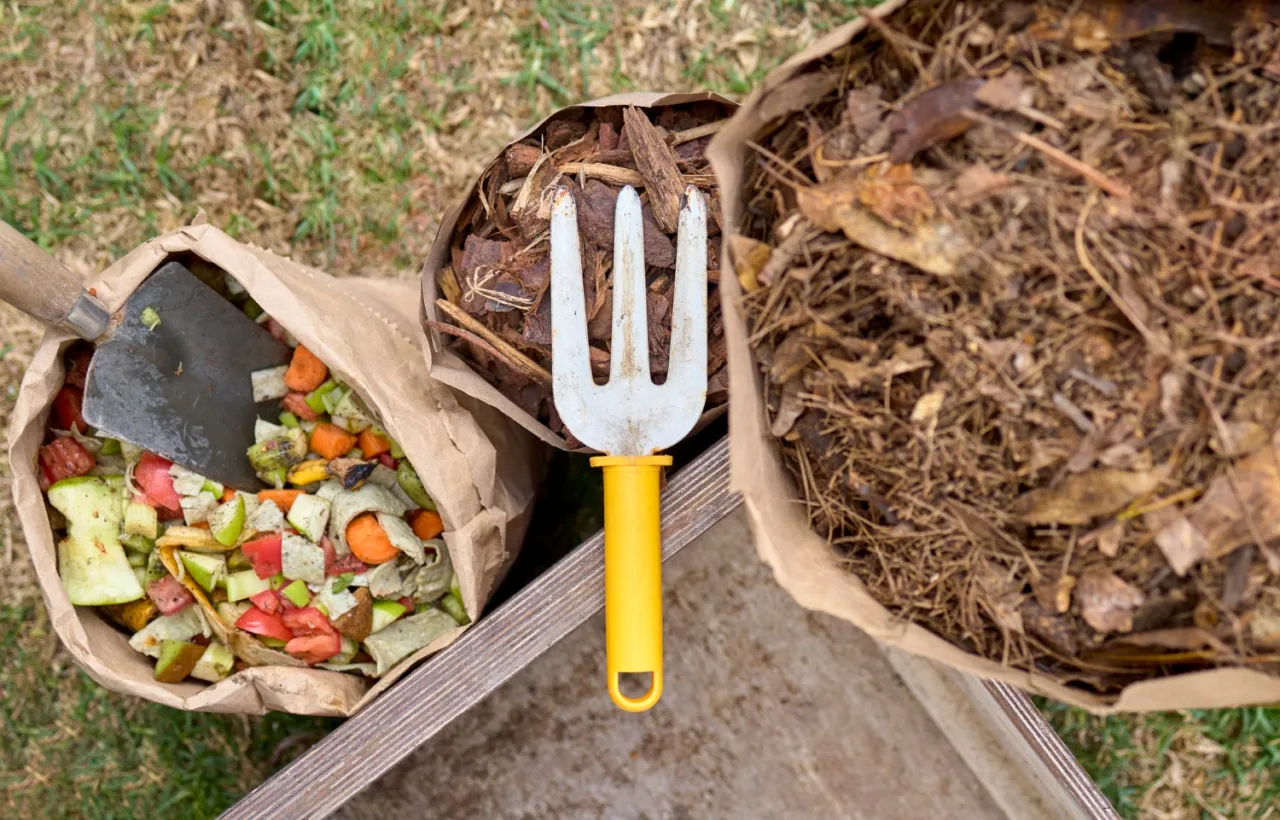
Greens are nitrogen-rich. Think fresh stuff.
- Fruit and veggie scraps
- Coffee grounds
- Grass clippings
- Fresh plant trimmings
Browns are carbon-rich. Dry and crunchy.
- Dead leaves
- Shredded cardboard or newspaper
- Twigs and small branches
- Straw or hay
I aim for two to three parts browns to one part greens by volume. Too many greens and it gets slimy and smelly. Too many browns and nothing happens. I measure roughly with a shovel. No scale needed.
Chop everything small. Big chunks take forever. I run kitchen scraps through a quick knife chop. Leaves go in whole if dry. Twigs get snapped.
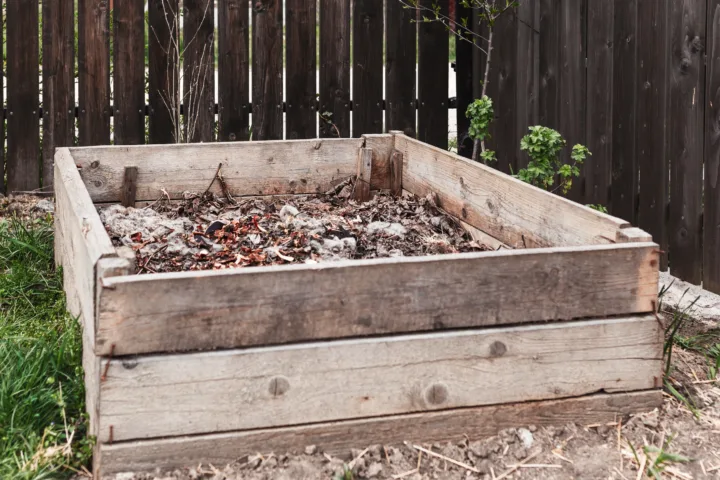
My Simple Setup for Backyard Garden Compost
I use a three-bin system now. One for fresh stuff. One cooking. One curing. You can start with one pile or a cheap tumbler.
Pick a spot with good drainage. Easy access to water. Not right against the house (trust me on the smell risk early on).
Layer like lasagna:
- Four to six inches of bulky browns at the bottom for air flow.
- Greens next.
- More browns on top to cover food scraps.
- A light sprinkle of water if dry.
- Repeat.
Moisture should feel like a wrung-out sponge. Squeeze a handful. A few drops. Not dripping.
Hot Composting vs Cold: What I Actually Use
I tried cold composting first. Just pile and wait. It works. But it takes a year. Sometimes two. And it never gets hot enough to kill weed seeds. I pulled bindweed for months after using that batch.
Hot composting is my go-to now. It finishes in two to four months if I stay on it. The pile hits 130-160°F in the center. Kills pathogens and seeds. Smells earthy, not rotten.
To go hot:
- Build the pile at least 3x3x3 feet. Smaller won’t heat up.
- Turn it weekly with a pitchfork. Outer stuff to the middle.
- Keep the moisture right.
- Add more greens if it cools too fast.
I check temp with a cheap compost thermometer. Or just stick my hand in (carefully). Warm is good. Hot is better.
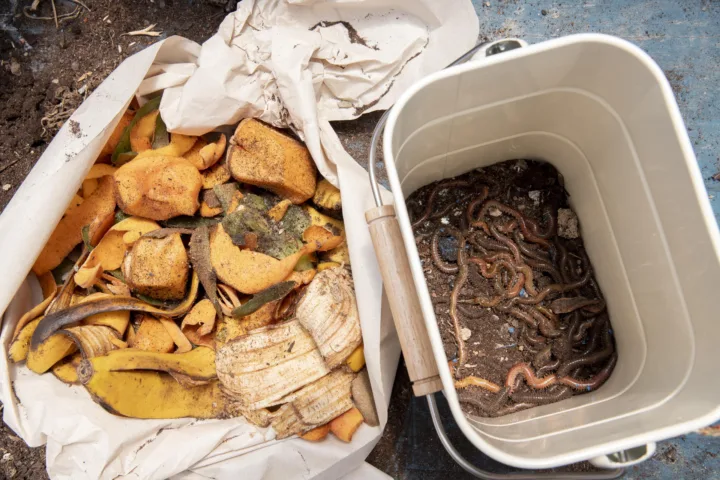
Vermicomposting with worms is another option I love for kitchen scraps only. Red wigglers in a bin under the sink. They make castings that are pure gold for containers. But for big garden beds, hot piles win for volume.
What I Add (And What I Never Touch)
Safe stuff goes in every day:
- Veggie peels, apple cores, banana skins
- Eggshells (crushed)
- Coffee filters and grounds
- Tea bags (no staples)
- Yard waste free of chemicals
- Shredded non-glossy paper
Never add these. I learned by watching my pile turn into a pest magnet:
- Meat, fish, bones
- Dairy and greasy foods
- Pet waste (dog/cat)
- Diseased plants
- Weeds gone to seed
- Treated wood or glossy paper
- Produce stickers (those little plastic nightmares)
Cover food scraps deep with browns every time. No free buffet for critters.
Troubleshooting the Messes I Made
My first pile smelled like death. Reason: too wet and no air. Fix: add dry leaves and turn hard. Smell gone in days.
Second pile just sat there cold. Too many browns. I mixed in grass clippings and coffee grounds. Heat kicked in.
Pests showed up once. I sealed the bin better and stopped adding anything questionable. Covered scraps religiously. Problem solved.
If it’s too dry: water and turn. Too wet: browns and turn. Not heating: more greens and turn. Pattern here? Turning fixes almost everything.
IMO, most beginners quit because of the smell or the wait. Fix the balance and the smell vanishes. The wait gets shorter with hot methods.
How I Use Finished Garden Compost in My Beds
Ready compost looks like dark chocolate cake. Crumbly. Smells like forest floor. No recognizable scraps left.
I harvest by sifting through a screen I made from hardware cloth. Big bits go back in the active pile.
Application methods I swear by:
- Soil amendment. Mix 2-4 inches into the top 6-9 inches before planting. I do this every spring.
- ** Mulch top-dress. Spread 1-3 inches around plants. Keep it off stems. Water retention skyrocketets.
- Side dressing. Mid-season boost. Handfuls around veggies a few inches out.
- Potting mix. Blend 1 part compost with 2 parts potting soil for containers.
- Lawn top-dress. Thin layer after aeration. Grass loves it.
I add it fall and spring. Fall lets it break down over winter. Spring gives an instant lift. My raised beds get a full refresh every year. Results: bigger harvests, less watering, happier soil tests.
One year I skipped it on half the garden as a test. The compost side crushed the control. Night and day.
Compost typically has a low NPK ratio (around 1-1-1), so it's not a high-nitrogen fertilizer.
Real Talk on Buying vs Making Your Own
I’ve bought bagged compost when I ran short. Some is decent. A lot is woody junk or half-finished. Homemade beats it every time for microbial life. Plus the satisfaction. Watching scraps become soil? Pure joy.
If you buy, look for dark, earthy product without big chunks or chemical smells. Local bulk from a reputable supplier often tops the bags.
But making it yourself? That’s the real win. You control every input. You close the loop on waste. And your plants get living soil, not dead stuff.
My Year-Round Garden Compost Routine
Spring: Empty cured bin into beds. Start new pile with last fall’s leaves and early greens.
Summer: Feed kitchen scraps daily. Turn weekly. Grass clippings go in carefully (thin layers or they mat).
Fall: Load up on leaves. Big browns haul. I bag extras for winter browns.
Winter: Keep adding. Pile slows but doesn’t stop. Insulate with straw if freezes hard. Or switch to indoor worm bin for scraps.
I keep a kitchen caddy on the counter. Empty it every couple days. Freezer works for meat-free scraps if I get behind.
Takes me 10 minutes a week once the habit sticks. Worth every second.
Common Mistakes I See (And How I Fixed Mine)
People make piles too small. Heat needs mass. Go big or go tumbler.
They forget to turn. Air is oxygen for the microbes. No air equals stink and slow.
Wrong ratio. I keep a leaf pile ready. Always have browns on hand.
Impatience. Finished compost takes time. Curing another month after it cools makes it even better.
I think that’s the wrong way to go about it. Focusing on speed isn’t the right question. Consistency is. Show up for your pile and it shows up for your garden.
Frequently Asked Questions
How long does garden compost take to finish? Hot method gives me usable stuff in 2-4 months. Cold takes a year-plus. Size, turning, and balance decide it.
Can I make garden compost in a small space or apartment? Yes. Worm bins under the sink or balcony tumblers work great. I started with a single bin in a tiny yard.
Does garden compost attract animals? Only if you add the wrong stuff or leave food exposed. Proper browns cover and a secured bin keep them out. Mine stays pest-free now.
How much garden compost do I need? Aim for 1-2 inches across beds yearly. New beds get more mixed in. I calculate by volume: a cubic yard covers a lot.
Is store-bought the same as homemade garden compost? Not really. Homemade has fresher microbes and exact ingredients you choose. Bags can be hit or miss. I use both but prefer mine.
I almost gave up on gardening once. Soil issues nearly broke me. Then garden compost entered the chat. Now I walk out every morning and smile at the green explosion. You can get there too. Start a pile this weekend. Throw in those banana peels and coffee grounds. Cover with leaves. Water lightly. Turn next week. Watch the magic.
Your plants are waiting. Go make some black gold.