I used to stare at my garden beds and feel defeated. The soil looked tired. Plants struggled. Tomatoes stayed small. Flowers faded fast. Then I discovered compost soil and everything shifted.
Honestly? That dark, crumbly stuff saved my gardening life. I started making my own compost soil years ago after one too many failed seasons. Now I mix it into every bed, pot, and lawn patch I touch. My plants grow stronger. They fight off pests better. Water lasts longer in the ground. And I waste way less kitchen scraps.
If your garden feels stuck or your soil just sits there like lifeless dust, this is for you. I will walk you through exactly what compost soil is, why it works so well, how I make mine at home, and the simple ways I use it every season. No fancy tools needed. Just real results from someone who learned the hard way.
What Compost Soil Actually Is (And Why It Beats Regular Dirt)
Compost soil is finished compost mixed with existing soil or used as a pure amendment. It is the end result of organic stuff breaking down into nutrient-rich, living material. Think kitchen scraps, leaves, grass clippings. Microbes do the heavy lifting. They turn waste into black gold that feeds plants slowly and improves the ground itself.
I remember the first time I held a handful. It smelled like a forest floor after rain. Dark. Crumbly. Alive. Regular garden soil can be sandy, clay-heavy, or just plain depleted. Compost soil fixes that.
See, compost soil does three big things:
- Adds organic matter that holds water like a sponge while still draining well.
- Feeds beneficial microbes and earthworms that keep the soil ecosystem humming.
- Releases nutrients slowly so plants get a steady supply instead of a fertilizer spike and crash.
I used to dump bags of chemical fertilizer and wonder why my soil got worse over time. Compost soil works with nature. It builds long-term health. IMO, that is the only way that lasts.
Compost Soil vs. Topsoil vs. Potting Mix: My Honest Breakdown
People mix these up all the time. I did too at first. Here is the clear difference from my own trials.
Topsoil is the upper layer of earth. It can be decent or garbage depending on where it came from. Some bagged topsoil is just scraped subsoil dyed dark. It lacks the living biology.
Potting mix is usually soilless. Peat, coir, perlite. Great for containers because it drains fast and stays light. But it has almost no long-term nutrients and zero soil life.
Compost soil sits in the middle and elevates both. I blend it into topsoil for beds. I mix it into potting mix for pots. Pure compost works as a top dressing.
I once planted side-by-side tomatoes. One bed got plain topsoil. One got my compost soil mix. The compost bed produced twice the fruit and needed half the water. Night and day.
Here is how I decide what to use:
- New raised beds: 70% topsoil + 30% compost soil
- Containers: 50% potting mix + 50% compost soil (or 1:1:1 with perlite)
- Existing tired beds: Work in 2-4 inches of compost soil
- Lawns: Thin 1/4-inch top dressing of screened compost soil
Never plant straight into pure compost. It can hold too much water or lack structure. Blend it. Always.
Avoid using compost with high clay content in containers; it can lead to waterlogging and root rot. Always mix with perlite or coarse sand.
The Real Benefits I See Every Season with Compost Soil
I keep a garden journal. The numbers do not lie.
After hold better in compost-amended soil. My clay beds used to crack in summer. Now they stay moist for days after rain. Sandy spots that drained too fast now retain water without turning to soup.
Plants resist disease more. I used to lose seedlings to damping off. Since I started using mature compost soil, that problem nearly vanished. The good microbes crowd out the bad ones.
Nutrient levels stay steady. No more yellowing leaves mid-season. Compost soil supplies nitrogen, phosphorus, potassium, plus micronutrients in slow-release form. I cut my fertilizer use by 70 percent.
Earthworms show up in droves. I dig a hole and find dozens. They aerate for free and leave castings that plants love.
Water bills dropped. I water less often because the soil holds moisture. In drought years that matters.
And the environmental win: I keep hundreds of pounds of food scraps and leaves out of the trash every year. Feels good.
One summer my neighbor’s tomatoes got blight. Mine next door stayed clean. Same weather. Same varieties. Different soil. Compost soil made the difference.
Compost soil can increase water holding capacity by up to 50% compared to unamended soil, reducing irrigation needs significantly.
How I Make Compost Soil at Home Without the Hassle
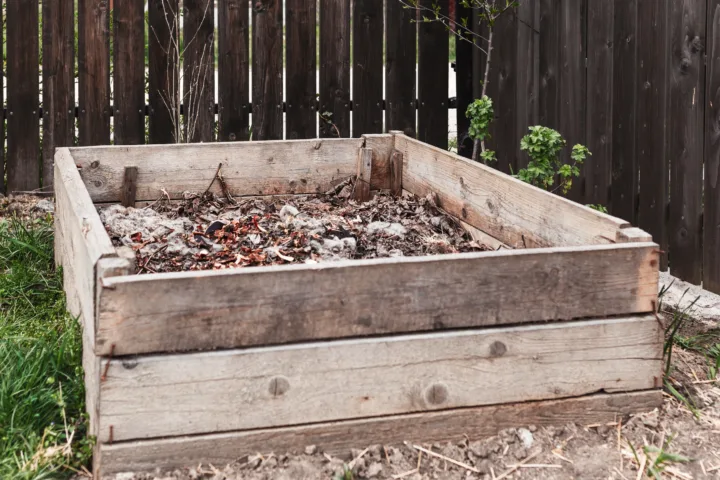
I started with a cheap wire bin. Now I run two systems: a hot pile for speed and a worm bin for kitchen scraps. Both give me finished compost soil.
My Simple Hot Compost Method
I aim for the classic greens-to-browns balance.
**Greens (nitrogen):****:
- Fruit and veggie scraps
- Coffee grounds
- Fresh grass clippings
- Green plant trimmings
Browns (carbon):
- Dry leaves
- Shredded cardboard or newspaper
- Twigs and wood chips
- Straw
I layer them like lasagna. Start with bulky browns for air flow. Add greens. Cover with more browns. Keep the pile as damp as a wrung-out sponge. Turn it every week or two with a pitchfork.
Temperature tells the story. A good pile hits 130-160°F in the center. That kills weed seeds and pathogens. I stick a compost thermometer in. When it cools and the material looks dark and earthy with no recognizable scraps, it is ready. Usually three to five months if I tend it. A year if I get lazy.
I screen the finished stuff through a 1/2-inch mesh. Big bits go back into the next pile. What falls through becomes my compost soil base.
Worm Bin for Indoor Scraps
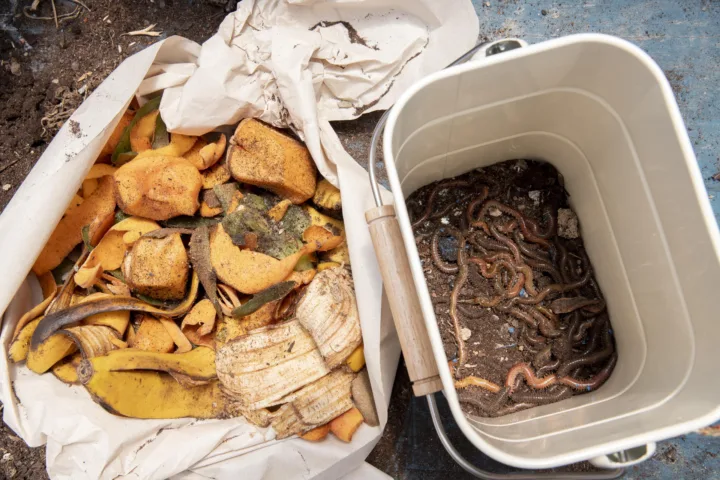
I keep a plastic tote under the sink. Red wigglers only. They eat my kitchen waste and turn it into rich vermicompost. Perfect for houseplants and seed starting. I mix the worm castings 1:4 with potting mix. Plants go nuts for it.
Pro tip: Chop scraps small. Bury them under bedding. Never add meat, dairy, or oily stuff. Keep it simple and the bin stays odor-free.
I have ruined piles by adding too many greens. It got slimy and stinky. Lesson learned. More browns fix almost every problem. FYI, that ratio is key.
Exactly How I Use Compost Soil in the Garden
This is where the magic happens. I treat compost soil like a daily vitamin for the ground.
For New Beds and Raised Planters
I spread 3-4 inches of compost soil across the surface. Then I fork or till it into the top 6-8 inches of existing soil. The mix becomes light, rich, and ready. Roots dive deep. Drainage improves overnight.
Last spring I built three new raised beds this way. Filled them with 2/3 local topsoil and 1/3 compost soil. Planted peppers, basil, and zinnias. By July the beds looked like a magazine spread. Zero fertilizer needed.
Top-Dressing Existing Plants
I do not dig up established perennials. I just spread 1-2 inches of compost soil around the base in spring or fall. Water it in. Worms and rain pull it down. The plants respond within weeks. Foliage greens up. Blooms last longer.
For veggies I top-dress mid-season after heavy feeders like tomatoes and squash. Instant boost.
Lawns and Ground Covers
I rent a spreader or just use a shovel and rake. Apply a thin 1/4 to 1/2 inch layer of fine compost soil. Rake it in. Water. The grass thickens. Bare spots fill. Moss disappears in shady areas. I do this once a year and my lawn stays green with less water and no chemicals.
Containers and Houseplants
I mix 30-50% compost soil into my potting mix. Containers dry out slower. Plants need fewer feedings. My indoor fiddle leaf fig went from dropping leaves to putting out new growth the size of dinner plates after I switched.
Seed Starting
I screen compost soil super fine and mix it 1:1 with coconut coir or peat-free starter mix. Seedlings get a gentle nutrient start without burning. Stronger transplants every time.
Common Mistakes I Made (So You Skip Them)
I overdid it once. Added six inches of fresh compost to a bed. Plants yellowed from too much nitrogen and poor drainage. Stick to 2-4 inches mixed in.
I used unfinished compost. It robbed nitrogen from the soil while finishing. Always wait until it smells earthy and looks uniform.
I ignored pH. Most compost soil lands around 6.5-7.5. Perfect for most plants. But if you grow blueberries, test and adjust.
I bought cheap bagged “compost” that was mostly wood chips still hot. It burned roots. Now I smell and feel every bag. Good compost soil feels cool, moist, and crumbly. No ammonia smell. No large wood pieces.
Buy local bulk when you can. Landscape yards often sell better quality than big-box bags. Ask what went into it. Manure-based, leaf-based, or food-scrap. All work if properly finished.
Grass clippings from lawns treated with herbicides can contaminate compost; avoid using such compost for edible crops.
Frequently Asked Questions
Can I use compost soil straight for a planting medium? No. Pure compost soil lacks the mineral structure plants need for stability and can stay too wet. I always blend it 20-50% with soil or potting mix depending on the job.
How much compost soil should I add each year? For established beds I add 1-2 inches as a top dressing every spring or fall. New beds get a heavier 3-4 inch incorporation once. Overdoing it can throw off nutrient balance.
Is homemade compost soil better than store-bought? Honestly? Homemade wins for me because I control the inputs and know it is fresh. Store-bought works fine if it is mature and screened. I use both. Quality matters more than origin.
Does compost soil attract pests? Finished compost soil does not. Unfinished piles with food scraps can if you leave them exposed. I keep my active piles covered and bury scraps deep. No rodent issues in years.
How do I know when my compost is ready to become compost soil? It looks dark and uniform. Smells like rich earth. Original materials are unrecognizable. Temperature stays near ambient. Squeeze a handful. It should hold shape briefly then crumble. That is ready.
Final Thoughts from My Garden
I started with dead dirt and zero confidence. Compost soil changed the entire game. My garden produces more food. Flowers last longer. The soil itself feels alive under my hands. And I spend less money on bags of amendments and fertilizers.
You do not need perfect conditions or expensive gear. Start small. Collect kitchen scraps. Gather fall leaves. Build one pile. In a few months you will hold your own compost soil and feel that quiet thrill I still get every time.
Go make some black gold. Your plants will thank you. And honestly? So will you every time you walk outside and see the difference.
I still get surprised by how much better everything grows. That first season after I committed fully felt like winning the lottery. Messy piles and all. Worth every muddy glove.