I spent years dumping bags of chemical stuff on my beds and wondering why the soil still felt dead. Then I discovered compost fertilizer and everything shifted. My plants started thriving. My water bill dropped. And I finally stopped fighting the dirt every spring. This is the story of how I turned everyday kitchen scraps and yard waste into the only fertilizer my garden needs now. If you’re tired of weak soil and constant feeding, stick with me. I’ll walk you through what actually works from my own messy backyard experiments.
Honestly? I almost gave up on gardening twice. The first time my tomatoes wilted no matter how much I watered. The second time I watched expensive fertilizer burn the roots of my peppers. See, I was treating the plants instead of the soil. Big mistake. Compost fertilizer fixed that by feeding the whole system.
What Compost Fertilizer Actually Is (And Why I Stopped Calling It Just Dirt)
Compost fertilizer is the dark, crumbly, earthy-smelling stuff you get after organic materials break down completely. Kitchen scraps. Leaves. Grass clippings. Coffee grounds. They all transform into a living soil booster packed with nutrients and microbes.
I used to think fertilizer meant those numbered bags from the store. NPK ratios. Instant green. But those feed the plant for a quick hit and leave the soil poorer. Compost fertilizer works differently. It improves structure. It holds water. It releases beneficial bacteria and fungi that keep delivering food over months.
Here’s the key difference I learned the hard way: chemical fertilizers feed plants directly. Compost fertilizer feeds the soil, which then feeds the plants steadily. IMO, that slow release is why my beds look better every single year instead of needing a full reset.
I remember the first batch I finished. It looked like rich chocolate cake. Smelled like a forest floor after rain. I mixed a few scoops into a sad raised bed and watched the lettuce explode. No yellow leaves. No stunted growth. Just steady, healthy plants.
How I Make Compost Fertilizer at Home Without Fancy Gear
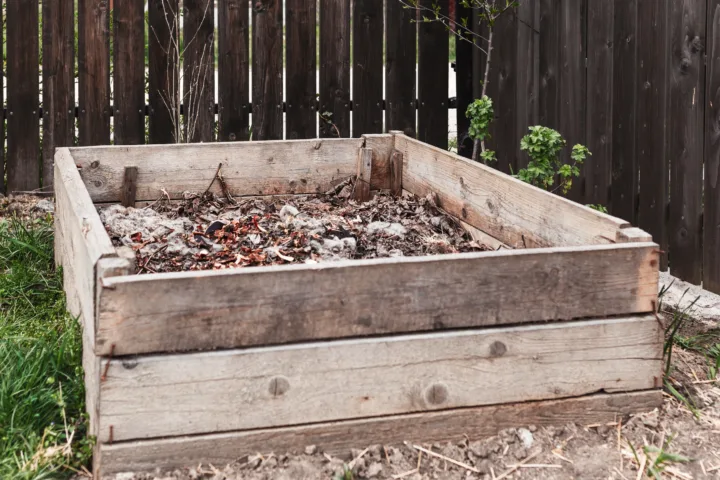
I keep it simple. No tumblers. No fancy bins at first. Just a corner of the yard and a pitchfork.
The Basics I Follow Every Time
I balance two types of materials:
- Greens (nitrogen-rich): fruit and veggie scraps, coffee grounds, fresh grass clippings, tea bags
- Browns (carbon-rich): dry leaves, shredded cardboard, newspaper, small twigs, straw
I aim for about three parts browns to one part greens by volume. Too many greens and it gets slimy and stinky. Too many browns and it just sits there forever.
Start with a base layer of chunky browns for air flow. Then layer like lasagna. Greens. Browns. Greens. Browns. Keep it damp like a wrung-out sponge. Not soaking. Not bone dry.
I turn the pile every week or two with my pitchfork. That keeps oxygen moving so the good microbes stay happy and the bad smells stay away. In summer my pile heats up to the point where I can feel the warmth when I stick my hand in (carefully). That heat kills weed seeds and pathogens. Perfect.
Finished compost fertilizer takes me three to six months depending on weather and how often I turn it. Cold weather slows everything. I just cover the pile with a tarp and wait. Patience pays off.
My Real-Life Shortcuts and Mistakes
I once added a bunch of citrus peels and onion skins without enough browns. The pile smelled like a garbage truck for two weeks. Lesson learned. Now I bury strong-smelling scraps deep and cover them well.
FYI, I never add meat, dairy, oils, or pet waste. Those attract animals and can harbor bad bacteria that my backyard pile never gets hot enough to kill.
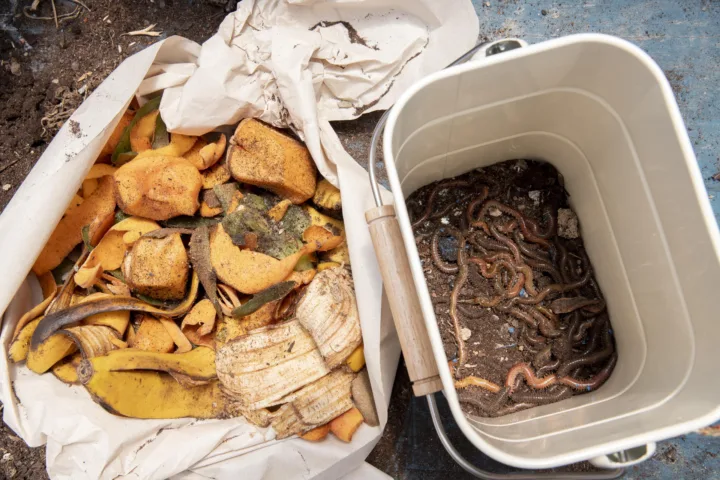
Worms showed up on their own after year one. I started a small vermicompost bin indoors for kitchen scraps in winter. Red wigglers turn food into pure black gold faster than anything else I’ve tried. I harvest the castings every couple months and mix them straight into potting soil. My houseplants have never looked happier.
Why Compost Fertilizer Beats Store-Bought Stuff in My Experience
I ran side-by-side tests for two seasons. Same tomato variety. Same water. Same sun. One bed got only compost fertilizer. The other got the usual 10-10-10 plus compost.
The compost-only bed produced just as many tomatoes. The fruit tasted better. The plants resisted blight longer. And the soil stayed loose and dark instead of packing down hard.
Here’s what I love most:
- It builds soil structure. Clay soil drains better. Sandy soil holds water longer.
- It feeds slowly. Nutrients release as microbes work. No burn. No sudden flush then crash.
- It suppresses disease. Healthy microbial life crowds out the bad guys.
- It saves money. Once you start, your “fertilizer” is basically free.
- It cuts water. My beds need less irrigation now because the organic matter acts like a sponge.
I still use a little organic nitrogen boost (blood meal or fish emulsion) on heavy feeders like corn and squash early in the season. But for everything else, compost fertilizer carries the load. See, the University folks say you need crazy amounts of compost to match the NPK of synthetic bags. True on pure numbers. But they miss the bigger picture. Healthy soil multiplies the nutrients that are already there. My yields prove it.
One year I skipped the store bags completely. My green beans climbed higher. My kale stayed sweet longer into the heat. I was elated.
Pair compost with a single organic nitrogen source like blood meal only for heavy feeders. This mimics nature's balance without synthetic spikes.
How I Apply Compost Fertilizer for Maximum Results
Timing and method matter. I don’t just dump and hope.
For New Beds and Raised Beds
I spread a 2- to 4-inch layer of finished compost fertilizer over the whole surface. Then I mix it into the top 6 to 8 inches of soil. That sets up a living foundation before anything goes in the ground.
For Established Gardens
I top-dress. In spring I sprinkle half an inch around plants and gently work it in with a hand fork. In fall I lay down a full inch as mulch. Winter freezes and thaws pull the goodness down naturally.
For Containers and Houseplants
I mix one part compost fertilizer with two parts potting mix. Or I make compost tea. Steep a shovelful in a five-gallon bucket of water for two days. Strain. Dilute until it looks like weak tea. Water with it every couple weeks. My pothos and monstera exploded after I started this.
I also use it as a seed-starting boost. A light sprinkle on top after sowing helps seedlings push through strong.
Don’t be in a rush to over-apply. Too much can make soil too rich for some plants or hold too much water. Start moderate. Watch your plants. They tell you everything.
Common Pitfalls I Fell Into (So You Don’t Have To)
I thought more was always better. Wrong. A three-inch layer mixed in once a year is plenty for most beds. Extra just sits there or can lock up nutrients temporarily.
I ignored the browns. My early piles were all kitchen scraps and grass. Slimy mess. Balance is everything.
I harvested too early. Unfinished compost can steal nitrogen from plants while it finishes breaking down in the soil. Wait until it looks uniform, dark, and smells sweet. No recognizable food scraps left.
I forgot to screen. Now I run finished compost through a simple hardware-cloth sieve. Chunks go back in the pile. Fine stuff goes on the garden. Cleaner application. Happier plants.
The Environmental Side That Keeps Me Hooked
Every banana peel and coffee filter I compost stays out of the landfill. That means less methane. Less truck traffic. More carbon locked in my soil instead of the atmosphere. My little pile feels like a tiny act of rebellion against waste.
Plus the wildlife. Birds hunt insects around the edges. Earthworms multiply. The whole backyard feels more alive. I notice it every time I step outside with my morning coffee.
Frequently Asked Questions
Does compost fertilizer really replace chemical fertilizer completely?
In my garden it mostly does for soil health and steady growth. I still give heavy feeders a light organic nitrogen boost early on, but the bulk of the work comes from the compost.
How long does homemade compost fertilizer last in the soil?
I see benefits for a full year or more. The microbes and organic matter keep working long after I apply it. That’s why my soil improves every season instead of resetting.
Can I use compost fertilizer on lawns?
Absolutely. I top-dress my grass with a thin layer in spring and fall. It greens up nicer and needs less water. Just rake it in so it doesn’t smother the blades.
Is store-bought compost fertilizer as good as homemade?
Some commercial ones are solid, especially the ones made from manure and properly aged. But I prefer homemade because I control every ingredient and know exactly what’s in it. Plus free is hard to beat.
What if my compost fertilizer smells bad?
It means the pile went anaerobic. Add more browns, turn it well, and check moisture. It should smell earthy, not rotten. Fix it quick and it recovers.
Wrapping This Up With Dirt Under My Nails
I started this journey frustrated and broke from buying bags every season. Now I make my own compost fertilizer and watch my garden get richer every year. The plants are stronger. The soil is darker. My wallet is happier. And I feel connected to the whole cycle instead of just dumping product and hoping.
If you take one thing from me, try this: start a small pile this week. Browns and greens. Keep it moist. Turn it when you remember. In a few months you’ll you will have black gold ready to transform whatever you grow.
Your garden will thank you. Mine sure did. Now go get your hands dirty. I already know you’ll love the results.