I started composting kitchen scraps years ago because I hated watching perfectly good peels and coffee grounds head straight to the trash. My first compost bin kitchen experiment was a total mess. Fruit flies everywhere. Weird smells after two days. I almost quit.
Honestly? The third try nearly stuck me in the “never again” camp. Then I figured out what actually works for a real home kitchen.
This article walks you through everything I learned about picking and using a compost bin kitchen setup that fits normal life. No fancy outdoor space required. Just practical stuff that keeps the counter clean and the process simple.
Why I Bothered With a Compost Bin Kitchen in the First Place
I cook a lot. Vegetable scraps pile up fast. Eggshells. Banana peels. Coffee grounds. That stuff used to fill my trash bag and make the whole kitchen smell by midweek.
A good compost bin kitchen setup changed that. I cut my garbage volume by about half. The bin sits right on the counter or under the sink. Scraps go in immediately. No more slimy bags waiting for trash day.
See, the real win is not just the planet stuff. Though that feels good too. The bigger deal is how much cleaner my kitchen stays. Trash smells less. Fruit flies stay away if I handle the bin right.
I live in a regular apartment with zero yard. So my outdoor compost happens at a community drop-off. The kitchen part is what makes or breaks the habit.
What I Look for in a Compost Bin Kitchen Setup
Not every bin works the same. I tested plastic ones, stainless steel, fancy electric gadgets, and even DIY versions. Here’s what actually mattered after months of daily use.
Capacity that matches my cooking. I need at least 1 to 1.5 gallons. Smaller ones fill up too fast. Bigger ones get heavy and start smelling if I wait too long to empty.
Odor control that works. Charcoal filters help. Tight lids help more. Freezing scraps helps the most. More on that later.
Easy cleaning. If it is a pain to wash, I stop using it. Removable inner buckets are gold. Dishwasher-safe lids seal the deal.
Looks that do not scream “rotting food.” Stainless steel blends in. Some plastic ones look like trash cans. I leave mine out, so appearance counts.
One-hand operation. Cooking gets messy. I want to flip the lid open with a knife or free hand while holding scraps.
I think chasing the “perfect” high-tech bin is the wrong way to go about it. A solid basic one that you actually empty beats a $500 electric unit that sits unused.
My Current Favorite Compost Bin Kitchen Options
After years of switching, these are the ones that stuck in my kitchen.
The Stainless Steel Workhorse
I landed on a classic stainless steel countertop model with a charcoal filter. It holds about 1.3 gallons. The lid seals tight. Filters last a few months if I keep things dry.
It looks decent enough to leave out. Handles make carrying it to the freezer or drop-off easy. Cleaning takes two minutes under the faucet.
Price sits around $30–40. Worth every cent for how long it lasts.
The Plastic Stay-Open Champ
For busy prep days I keep an OXO-style plastic bin nearby. The lid stays open while I chop. Wide mouth makes scraping the cutting board simple.
No filter, so I empty it daily in warm weather. Super easy to clean. Cheap enough that I do not stress if it gets stained.
The Freezer Bag Hack for Tiny Spaces
Some weeks I skip the bin entirely. I line a reusable bag or just use a zip-top and stash scraps in the freezer. Zero smell. Zero flies. Empty it once a week on drop-off day.
This works great in apartments. FYI, freezer space is the only limit.
Electric Options I Tried and Mostly Skipped
I tested a couple of those plug-in composters that claim to turn scraps into dirt overnight. They mostly dry and grind. Real compost still needs outdoor time. They cost a lot and take counter space. Cool for some people. Not for me.
How I Keep My Compost Bin Kitchen Smell-Free and Fly-Free
This is the part that almost made me quit. Fruit flies love kitchen scraps. So do weird smells after day three.
Here’s my exact system.
Empty often. Every two to three days max. Daily in summer. I set a phone reminder at first.
Layer with browns. I toss in a handful of shredded paper, cardboard, or used paper towels with every scrap dump. Absorbs moisture. Cuts smell. Keeps flies from breeding.
Freeze when possible. If the bin is filling up and I cannot empty soon, the whole thing goes in the freezer. Or I keep a bag of scraps frozen and add to the outdoor pile later.
Wipe the lid and rim. Every empty. Sticky residue attracts flies.
Vinegar trap nearby. If flies show up anyway, a small jar with apple cider vinegar and a drop of dish soap kills them overnight. Place it next to the bin.
I used to think fancy filters were magic. They’re helpful but not enough alone. Consistency beats gear every time.
Fruit flies complete their life cycle in about 8-10 days. Emptying every 2 days prevents eggs from hatching and stops infestations.
Setting Up Your Own Compost Bin Kitchen Station
Do not overthink the location. Put it where you prep food.
Countertop near the cutting board works for most people. Under the sink if space is tight. Some folks build pull-out drawers. I just use the spot next to the trash can.
I keep a small scoop of dry leaves or shredded newspaper right beside the bin. Makes layering automatic.
Compostable bags line the bin if you want zero mess. I skip them most days to cut plastic. A quick rinse handles the rest.
Real-Life Wins and the Occasional Fail
My first stainless steel bin lasted four years before the handle wobbled. Still worked. I replaced the filter twice a year and it never smelled bad once I got the browns habit down.
One summer I got lazy. Left it four days full of melon rinds. Fruit fly party. Lesson learned the hard way. I scrubbed everything with vinegar and started freezing again.
The best part? Dropping off a full bin at the community garden feels like a tiny victory. My plants love the finished compost. Tomatoes taste better. Soil holds water longer.
I once gifted a simple plastic bin to a friend who swore she could never compost. She uses it daily now. Same system. Empty often. Freeze when needed. Layer browns.
Common Mistakes I Made So You Do Not Have To
Putting meat or dairy in. Big no. Attracts pests and smells worse. Stick only. Coffee grounds and filters are fine. Eggshells too if you crush them.
Buying the tiniest bin. Fills too fast. Leads to forgetting.
Ignoring moisture. Wet scraps equal smell city. Browns fix it.
Leaving the lid off “just for a minute.” Flies find it in seconds.
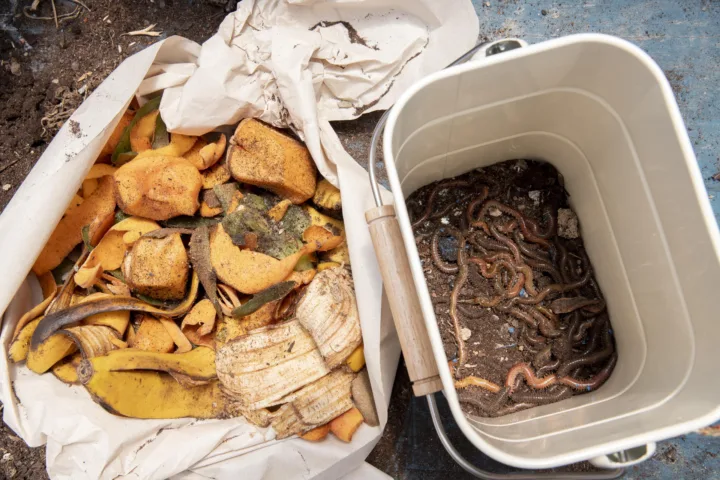
Thinking you need an outdoor pile to start. Community drop-offs or worm bins work great for apartments.
Frequently Asked Questions
What size compost bin kitchen should I buy first? Start with 1 to 1.5 gallons. It holds enough for a couple of days without taking over the counter. Bigger only if you cook huge meals daily.
How do I stop fruit flies in my compost bin kitchen? Empty every two days, add dry paper or cardboard with scraps, keep the lid sealed, and freeze if needed. A vinegar trap nearby finishes the job.
Do I need a charcoal filter for a compost bin kitchen? Helpful but not required. Tight lids and frequent emptying matter more. Filters buy you an extra day or two of odor control.
Can I put cooked food in my compost bin kitchen? I stick to raw scraps only. Cooked food attracts more pests and breaks down slower. Save it for outdoor piles if your program allows.
Is a compost bin kitchen worth it in a small apartment? Yes. I do it with zero yard. Freezer bags or a small stainless bin plus a weekly drop-off keep everything clean and useful.
Final Thoughts From My Counter
A solid compost bin kitchen setup turned a chore into something I barely notice. Scraps go in. Bin gets emptied. Soil gets better. Trash smells less. That is the whole loop.
I still mess up sometimes. Forget to layer browns. Leave it too long. Then I reset and keep going. Messy consistency beats perfect quitting.
Grab a simple bin this week. Start with vegetable peels and coffee grounds. Empty it often. You will figure out your own rhythm fast.
Honestly? Once it clicks, you will wonder why you waited so long. Your kitchen (and the planet) will thank you. Now go throw those peels somewhere better than the trash.