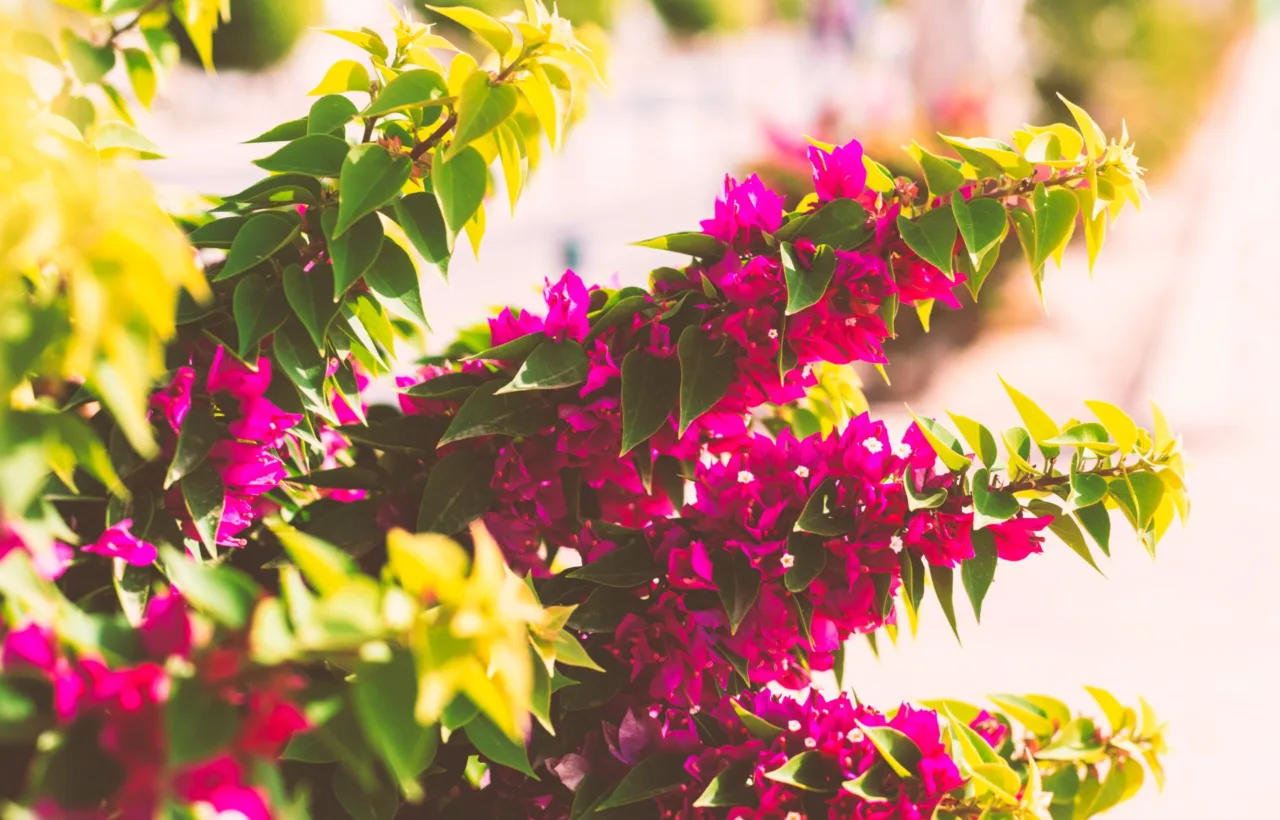

Bougainvillea planting ideas work when you match the plant’s habit to the spot, then give it full sun and fast-draining soil. The color you pin is not a true flower. It is a paper-thin bract, and those bracts form on new growth in bright light. Plant a vigorous climber against a sturdy fence, a compact shrub in a pot, or a low grower on a hot slope, and you get the tropical punch people save. Plant the same vine in shade, soggy clay, or a tight walkway, and you get thorns, leaf drop, and almost no color.
Match the Plant to the Job Before You Dig
Most planting problems start at the nursery, not in the hole. Bougainvillea is sold as one plant, but it behaves like three different plants depending on the variety.
Vigorous climbers such as ‘Barbara Karst’ can reach 15 to 30 feet with support. Compact shrubs such as ‘Torch Glow’, ‘Helen Johnson’, and ‘Miss Alice’ stay closer to 3 to 6 feet and hold a rounded shape. Trailing or dwarf types such as ‘Pink Pixie’, Sunvillea selections, and ‘Raspberry Ice’ are the ones that look good spilling from a basket or a tight patio pot.
Choose the job first. Color second. A magenta climber on a rental balcony is a future moving-day crisis. A dwarf pink in a terracotta pot is a plant you can actually keep.
Check your climate next. In USDA Zones 9 to 11, bougainvillea can live in the ground if frost is light and drainage is good. Zone 9 is the shaky edge. A hard freeze can knock the top back or kill a young plant. In Zone 8 and cooler, keep it in a container you can move to a frost-free garage, greenhouse, or bright indoor spot.
Plant It Where Color Can Happen
Full sun is the rule, not a suggestion. Aim for at least six hours of direct light. University of Florida Extension notes that a plant parked in shade will grow leaves and resist blooming no matter how often you fertilize it. You will still have thorns. You just will not have the show.
In the hottest desert summers, a little afternoon shade can spare scorched leaves. Deep shade under a tree will not.
Drainage matters as much as light. Bougainvillea wants slightly acidic, gritty soil in the pH range of about 5.5 to just over 6.0. It will live in many soils if water moves through fast. It will sulk in a low spot that stays wet after rain. If your yard holds water, plant on a berm, in a raised bed, or in a pot.
Keep large plants several feet back from gates, decks, and sidewalks. The thorns catch clothing, pets, and kids. The Old Farmer’s Almanac also warns against packing plants too tightly. Large types usually need 6 to 9 feet of elbow room. Compact hedge or groundcover types can sit closer, often 3 to 5 feet apart.
How to Plant Bougainvillea Without Shocking the Roots
The roots are thin, fibrous, and easily broken. That is why so many new plants sit still for weeks, drop leaves, or die after a sloppy transplant. Do not tease the root ball the way you would with a tomato.
Wait until spring, after the last frost, so the plant can settle before summer heat. Water the nursery pot first so the soil holds together.
- Dig a hole as deep as the root ball and two to three times as wide. Mix a little compost into heavy soil, but do not turn the hole into a soggy sponge.
- Set the plant at the same depth it grew in the pot. The crown should sit level with the surrounding soil, never buried.
- If you want the safest start, cut slits in the sides and bottom of the nursery pot and plant the whole pot. Roots can grow out. The root ball stays intact.
- Backfill gently, water once to settle air pockets, then add a thin mulch ring that never touches the stems.
- Install the trellis, wires, or ties on planting day. Shoving a support in later is how people spear those fragile roots.
Water weekly through the first season while roots establish. After that, deep, infrequent watering beats daily sipping. Established plants bloom more when the soil dries a bit between drinks. Overwatering is a common reason a healthy-looking vine refuses to color up.
For pots, use a cactus, palm, or other fast-draining mix. Terracotta dries faster than plastic, which helps in humid climates. Choose a container only a little wider than the current root ball. Slightly crowded roots often mean more bracts. A giant pot full of wet mix often means leafy growth and a long wait for color.
Bougainvillea Planting Ideas That Work in Real Yards
This is the part people pin. Use the idea that fits the space you actually have, not the villa in the photo.
Climbing walls, fences, and pergolas
Bougainvillea does not cling like ivy. It leans, hooks with thorns, and still needs tying. Plant it 6 to 12 inches in front of a sturdy trellis, wire grid, or fence, then loosely tie the main canes as they grow. Soft ties beat wire. Wire cuts bark as stems thicken.
Guide some canes sideways instead of sending every stem straight up. Horizontal wood makes more side shoots, and side shoots carry the color. Leave a little air behind a wall planting so you can prune and so the house can still be painted later.
A chain-link fence will disappear under a vigorous variety. A flimsy decorative trellis will not survive the weight. If you want a doorway arch, plant one climber on each side and train them toward the center. Keep the base clear of foot traffic.
Pots, hanging baskets, and patio color
Container planting is the smart move for cool winters, rentals, and small patios. Dwarf and compact plants stay in scale. A large climber in a 20-inch pot can still work if you prune hard and accept that it will never become a 30-foot wall.
Put the support in the pot before the plant. Set the pot on feet so drain holes stay open. In summer heat, hanging baskets dry fast, so check them more often than in-ground plants. In winter, move the whole pot inside before nights drop near freezing.
Groundcover, hedges, and slope plantings
On a sunny bank, low types such as ‘Temple Fire’ or ‘Rosenka’ can tumble downhill and hold soil better than thirsty turf. Give them a raised, well-drained start. In a frost-free garden, a row of shrubs spaced 3 to 5 feet apart can become a thorny, colorful hedge if you shear after bloom flushes.
Do not use this plant as a polite edging along a play area. The same thorns that make a security hedge useful make it a poor neighbor to bare ankles.
| Planting idea | Variety type | Setup that works | Main limitation |
|---|---|---|---|
| Wall, fence, or pergola | Vigorous climber | In-ground at the base of a strong support, tied as it grows | Heavy, thorny, and hard to remove later |
| Patio or balcony color | Compact or dwarf shrub | Slightly snug pot with cactus-style mix | Needs winter shelter outside Zone 9–11 |
| Hanging basket | Trailing dwarf | Fast-draining mix and a sunny hook | Dries out quickly in heat |
| Slope or groundcover | Low, spreading shrub | Raised, well-drained soil in full sun | Can smother nearby plants |
| Colorful hedge | Medium shrub, pruned | 3–5 feet apart, sheared after bloom | Regular pruning or it turns into a tangle |
Companions That Can Share the Same Dry, Sunny Bed
Pair bougainvillea with plants that also like heat, sun, and soil that dries between waterings. Garden Design treats it as a hillside cover, wall plant, and container specimen for that same reason. Wet-loving neighbors fight the watering schedule and lose.
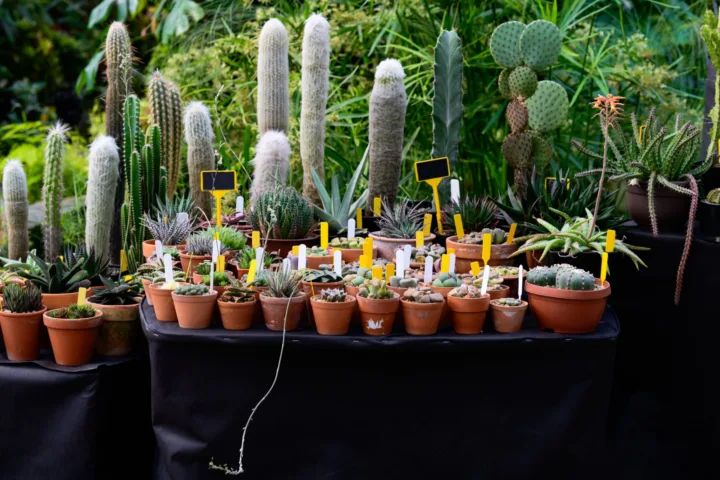
Good partners include plumbago for cool blue contrast, lantana for a long bloom season, lavender or rosemary for silver foliage and scent, agapanthus at the base of a wall, and succulents such as sedum or agave in the front of a pot. White ‘Miss Alice’ looks sharp against dark green citrus or a pale stucco wall. Hot pink or red climbers pop against cream masonry and look calmer next to blue plumbago.
Keep companions far enough out that the vine cannot swallow them. Bougainvillea is not a team player once it gets moving.
Mistakes That Steal Blooms After You Plant
A plant that looks “fine” but never colors up usually has one of these problems.
Too little sun is first. Next is soil that stays wet, especially in a decorative pot with no drainage. Third is a pot that is far too large, so the plant grows roots instead of bracts. Fourth is planting against a walkway, then discovering you cannot prune without getting scratched. Fifth is expecting the vine to attach itself. It will flop into a thorny mound if you never tie it.
High-nitrogen lawn food makes lush leaves and fewer bracts. Feed lightly during the growing season with a balanced fertilizer, then ease off as weather cools. Prune after a bloom flush, not right before you want color, because flowers form on new wood.
See, this plant is not fussy about rich soil. It is fussy about light, drainage, and root handling. Get those three right and the planting ideas start to look like the photos.
Frequently Asked Questions
Can bougainvillea planting ideas work in pots in cold climates?
Yes. In Zone 8 and cooler, a container is the practical route. Grow a compact variety in a pot you can move. Bring it into a frost-free place before nights near 30°F. Water sparingly in winter. Leaves may drop. That is dormancy, not a death sentence, as long as the roots do not freeze or sit in water.
How far apart should you plant bougainvillea?
Large climbers usually need 6 to 9 feet between plants, and at least 4 feet away from paths. Compact hedge or groundcover types can go 3 to 5 feet apart. Closer spacing covers a fence faster, but you will spend more time pulling the plants out of each other later.
Does bougainvillea need a trellis?
It does not need one to live. It needs one if you want a wall of color instead of a sprawling thicket. The plant will not twine on its own like jasmine. Tie the canes to a fence, wires, arbor, or sturdy trellis, and keep adding ties as new stems lengthen.
Can you plant bougainvillea in shade?
You can plant it there. You should not expect much color. Shade gives you a green, leggy, thorny vine. If the only open spot gets less than four hours of direct sun, choose a different flowering plant.
When is the best time to plant bougainvillea?
Plant in spring after frost danger has passed, or in early summer in warm climates. That window lets roots settle before heat or before the next cold season. Fall planting in a marginal zone leaves a tender plant facing winter before it is established.
Choose the Sunniest Dry Corner You Own
Pick one spot that already gets all-day sun and sheds water. Decide whether you need a climber, a pot shrub, or a low spreader. Then plant without breaking the root ball, tie what you want to climb, and keep the hose on a short leash after the first season.
The memorable version of this plant is not the one you overwater in a shady corner. It is the one you park in heat, give a job, and let get a little thirsty.