
A planted berm works when you treat the mound as three beds, not one. The crest dries out first, the slope sheds water quickly, and the toe stays damper after rain. Match plants to those zones and you get a mound that holds together instead of going bald on top and slumping at the bottom.
Useful berm planting ideas start with that moisture split, then add height, texture, and enough roots to lock the soil in place. Keep the mound low, usually 18 to 24 inches after settling, with long, gentle sides so water can soak in. After that, pick one clear look, screen, prairie mix, rock garden, or layered flowers, and plant densely enough that mulch is backup, not the only thing standing between you and a muddy walk.
Treat the Crest, Slope, and Toe as Separate Beds
Water does not linger evenly on a raised mound. That is the whole point of a berm, and it is also why random “pretty mix” planting fails.
Put drought-tolerant plants on the crest. Lavender, sedum, prairie dropseed, little bluestem, thyme, and many junipers can handle the faster drainage up there. Mid-slope plants need strong roots more than they need constant bloom. Grasses, spreading perennials, and compact shrubs do that job. At the toe, choose plants that can take extra moisture after a storm, such as switchgrass, daylilies, or moisture-tolerant natives suited to your region.
South and west faces run warmer and drier. North and east faces stay cooler. Use that extra split if one side of the berm cooks in afternoon sun while the other sits in shade from a fence or house.
Leave a slightly flattened crown instead of a sharp peak. A flatter top gives irrigation and rainfall a chance to soak before they race downhill. A pointed peak looks tidy for a week and then sheds every drop you apply.
Pick a Berm Style Before You Shop
A berm looks intentional when every plant supports one job. Mixing a privacy hedge, a cactus collection, and cottage flowers on the same small mound usually reads as leftover plants, not a design.
Use this comparison to choose a direction before you fill the cart.
| Style | Best use | Crest plants | Slope and toe plants | Upkeep |
|---|---|---|---|---|
| Privacy screen | Soften a road, AC unit, or neighbor view | Compact evergreens, large grasses | Mid-size shrubs, dense groundcovers | Prune for size, water in year one |
| Prairie mix | Low water, four-season texture | Little bluestem, dropseed, coneflower | Sideoats grama, black-eyed Susan, aster | Cut back in late winter |
| Rock garden | Dry soil, strong shape, less mulch wash | Sedum, thyme, small agave where hardy | Creeping phlox, dwarf shrubs, alpine perennials | Weed early, keep gravel in place |
| Flower berm | Curb appeal from the street | Drought-tolerant perennials | Mid-height bloomers, trailing plants at the edge | Deadhead, divide every few years |
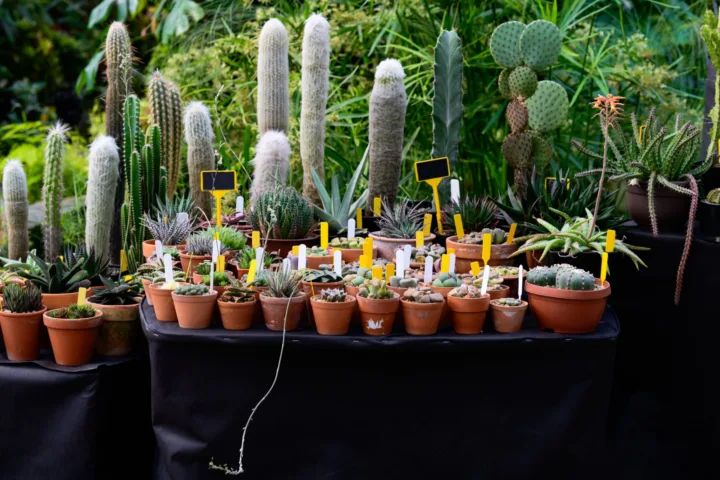
| Dry-climate mound | Hot sites and poor irrigation | Cacti, succulents, sage | Low juniper, buckwheat, gravel mulch | Light watering after establishment |
Keep the shape irregular. Kidney and crescent forms settle into a yard more easily than a perfect oval. Put the high point toward one end, not dead center, so the mound reads like land, not a buried balloon.
Privacy and screening berms
Evergreens give year-round cover, but a 24-inch berm cannot support a future forest. Choose compact arborvitae, upright juniper, inkberry, or a small holly, then stagger them instead of lining them up like fence posts. Fill the gaps with ornamental grasses so the screen works in year two, not year eight.
Deciduous shrubs help in summer and leave you exposed in winter. That is fine if you only need cover during patio season. If the view is ugly in January too, keep at least one evergreen layer.
Prairie and pollinator berms
Native grasses earn their keep here. Little bluestem, prairie dropseed, and sideoats grama send fibrous roots through the slope and still look good after frost. Weave in butterfly weed, purple coneflower, and black-eyed Susan for color that can handle a dry crest.
Plant in drifts of odd numbers, not one of everything. A berm with three dropseed clumps and a ribbon of coneflower looks designed. A berm with twelve single specimens looks restless.
Rock garden berms
Rocks help only if they are set into the soil, not parked on top. Sink at least a third of each stone, keep the rock type consistent, and let plants spill across the joints. Fine Gardening’s rock-garden guidance is useful here: a berm can create the fast drainage alpine and Mediterranean plants want, as long as the mound is high enough after settling and the rocks actually hold the grade.
Skip thirsty annuals in the rock joints. They leave bare soil every fall, which is when erosion starts.
Plants That Anchor a Berm Without Looking Sparse
Start with plants that have a job besides looking cute in May.
Grasses and groundcovers that hold soil
Fibrous roots are your insurance policy. Little bluestem, prairie dropseed, fountain grass in climates where it is not invasive, blue fescue, and sideoats grama cover a lot of ground without turning into a hedge. On the slope itself, creeping thyme, creeping phlox, sedum, and compact juniper knit the surface together.
Avoid ivy and vinca unless you already manage them well. They hold soil, yes, but they also wander into lawn, beds, and neighboring yards.
Shrubs for structure without a hedge wall
Ninebark, potentilla, compact spirea, dwarf hydrangea on the damper toe, and smaller junipers give the berm a backbone. Rose of Sharon adds summer bloom if you want height without a tree. Leave room for mature width. Crowded shrubs shade out the groundcovers that were supposed to stop erosion.
Flowers that survive a dry crest
Black-eyed Susan, coneflower, false indigo, hummingbird mint, lavender, and yarrow handle heat better than most catalog “border mixes.” Put the tallest bloomers toward the back if the berm is viewed from one side, or toward the off-center high point if people walk around it.
If deer are an issue, lean on grasses, sedum, lavender, and strongly scented herbs first. Pretty and browsed is still a failed planting.
How to Plant a Berm So It Does Not Wash Out
Construction mistakes show up as plant failures. A planted berm needs a planting layer of decent topsoil, generally 6 to 12 inches for perennials and more for shrubs. The core can include heavier soil for bulk. The surface should stay loose enough for roots and water.
Keep the side slope gentle. A common working ratio is about 4:1 or 5:1, meaning the mound spreads four to five feet for every foot of height. Steeper sides look dramatic in photos and then peel.
- Set the largest plants first and check mature height from the main viewing spot.
- Plant on a slight shelf or in a small basin on the slope so water pauses at the root ball instead of racing past it.
- Space densely enough that foliage will touch within a couple of seasons.
- Mulch 2 to 3 inches deep, keeping it off crowns, and use shredded bark, gravel, or stone on steeper faces because nuggets roll.
- Water slowly with drip or a soaker line. Overhead spray is an erosion machine on new soil.
Water more often the first growing season, then taper off for drought-tolerant plants. Frequent shallow sprinkling trains roots to stay near the surface, which is the opposite of what a dry crest needs.
If the berm sits in lawn, decide on an edge now. A planted skirt of low sedum, thyme, or a tight stone line keeps mulch out of the mower path. Edging is optional on a low, well-planted mound. It becomes useful the first time a storm drags bark into the grass.
Berm Planting Mistakes That Show Up After the First Storm
The usual problem is not a lack of plants. It is a mound built like a pyramid and planted like a flat flower bed.
A peak in the center sheds water in every direction and looks artificial. A berm taller than about two feet is harder to keep planted without extra rockwork or a short retaining edge. A full-size shade tree on a small berm runs out of soil volume, dries out, and can lean as the mound settles.
Mixing thirsty hydrangeas on the crest with sedum at the toe fights the way the land actually works. Put the hydrangea at the bottom or skip it. Bare soil between plants is another quiet failure. Weeds take the gaps, then the next hard rain takes the soil.
One more practical issue: a berm can send runoff toward a foundation, sidewalk, or neighbor if you ignore existing drainage. Walk the yard during a storm before you build. If water already pools in the wrong place, moving dirt around can make that worse.
Frequently Asked Questions
What plants work for berm planting ideas in a typical suburban yard?
Start with a drought-tolerant crest of ornamental grass, sedum, or compact juniper, then add mid-size shrubs and a groundcover on the slope. Coneflower, black-eyed Susan, and thyme cover a lot of climates without much fuss. Check your USDA zone and local native lists before you copy a desert or prairie plant that cannot handle your winter or humidity.
How high should a landscape berm be before planting?
Most home berms should finish around 18 to 24 inches high after the soil settles. Build a little taller than you want, because new fill drops. Stay lower if the yard is small. A short, wide mound looks natural. A tall, skinny one looks like leftover excavation.
Can you plant trees on a berm?
Small trees and large shrubs can work if the berm is wide enough and the slope stays gentle. Think serviceberry, redbud, or a compact evergreen, not a future oak. Stagger the plants and keep the high point off-center. A single tree stuck on the summit is the fastest way to make a berm look like a display stand.
How do you keep a new berm from washing away?
Use a gradual slope, plant densely, mulch immediately, and water slowly. Groundcovers and grasses do more long-term work than decorative rock alone. If a side is still shedding soil, add a few set-in stones and fill the gaps with spreading plants instead of piling on more bark.
Does berm soil need to be special?
The planting layer should be workable topsoil, not raw subsoil or a pile of construction fill. A heavier core can add bulk, but roots need a looser surface. If your native soil is heavy clay, the berm can improve drainage for plants that hate wet feet, as long as you do not compact the top layer into a brick.
How long before a planted berm looks finished?
Expect a thin first season and a much better second one. Grasses and groundcovers close gaps fastest. Shrubs take longer to read as a screen. Plan for that lag and resist the urge to add one more impulse plant every weekend, which is how mixed-up berms happen.
Plant One Zone Completely Before You Add Accents
Finish the crest first. Get the dry-side plants in, mulched, and watered so that part of the mound stops moving. Then clothe the slope with grasses or a spreading groundcover. Save the showy flowers and feature shrubs for last, after the structure is already holding.
That order keeps you from decorating a pile of dirt that still wants to travel. A berm should look like the land rose up a little and grew something worth keeping, not like a flower arrangement balanced on a hill.