A garden trough planting idea works when the plants, the soil mix, and the container depth all want the same conditions. That is the whole trick. A shallow stone trough can look lush with alpines and succulents, while a deep galvanized stock tank can hold herbs, salad leaves, or compact vegetables if you give it drainage and the right soil. Pick one clear job for the trough first. Then plant to that job instead of stuffing in every pretty thing from the nursery bench.
The ideas below are meant to be used, not just admired. Start with the trough you already have, or the one you can actually move into place.
Start With Depth, Sun, and What the Trough Is Made Of
Depth decides more than style does. A trough that is 6 to 10 inches deep suits compact alpines, hens-and-chicks, and many succulents. Around 12 inches is enough for most culinary herbs and leafy greens. Tomatoes, beans, squash, and potatoes need closer to 16 to 18 inches of soil, according to University of California Marin Master Gardeners. If the tank is 24 inches tall and you only need 12 inches of root room, you do not have to fill every inch with soil.
Sunlight is the second filter. Fruiting crops and most Mediterranean herbs want at least six hours of direct light. Leafy salad plants can handle a little afternoon shade. Classic alpine troughs prefer an open, sunny spot away from dripping trees, as the RHS sink and trough guide notes.
Material changes the day-to-day care. Stone, concrete, and hypertufa stay cooler and look settled. Galvanized metal heats up along the sidewalls in full sun, so heat-sensitive plants do better toward the center. Plastic or rubber tanks stay lighter, which matters on a deck.
Place the trough before you fill it. Wet soil is heavy, and a long metal tank can buckle if it sits on two skinny supports. Level it. Raise it on bricks, pavers, or stout timber so water can leave the base instead of pooling underneath.
Set Up Drainage and Soil Before You Buy Plants
Livestock troughs are built to hold water. That is the opposite of what roots want. Drill several holes across the base, not just one plug. A half-inch bit, holes every 6 inches or so, eye protection, and gloves are the unglamorous part that saves the planting later. Cover the holes with mesh or a scrap of shade netting so soil does not wash out.
Skip a thick gravel layer at the bottom. The RHS points out that a pebble layer can hinder drainage rather than help it. Water still has to pass through the soil first. A perched wet zone at the bottom is a common way trough plantings rot.
Use a mix that matches the plants:
- Alpines and succulents: equal parts soil-based, peat-free compost and coarse grit, then a grit mulch on top.
- Herbs and vegetables: a quality potting mix blended with compost, never dense garden topsoil that collapses into sludge.
- Deep tanks you want to keep lighter: bulky, slow-to-rot filler in the unused lower third, landscape fabric over it, then the growing mix on top.
Fill the trough, water it, and let the mix settle before planting. Soil drops. If you plant to the rim on day one, you will have a sunken, splashy surface by week two.
| Trough type | Useful soil depth | Strong plant fit | Watch-out |
|---|---|---|---|
| Stone or hypertufa sink | 6–10 in | Alpines, sempervivums, dwarf dianthus | Winter wet if drainage is poor |
| Shallow metal or wood trough | 8–12 in | Herbs, lettuce, trailing annuals | Dries fast in wind and sun |
| Standard stock tank | 12–18 in | Salad mixes, peppers, bush tomatoes | Metal edges run hotter |
| Tall livestock tank | 16–24 in | Potatoes, squash, mixed kitchen beds | Heavy when full; do not overfill unused depth |
| Shaded courtyard trough | 8–12 in | Hostas, ferns, heuchera, impatiens | Crowding and slugs |
Garden Trough Planting Ideas You Can Copy This Season
Think in small, complete scenes. One trough with a clear theme looks more intentional than a mixed jumble, and it is easier to water.
Shallow alpine and succulent landscapes
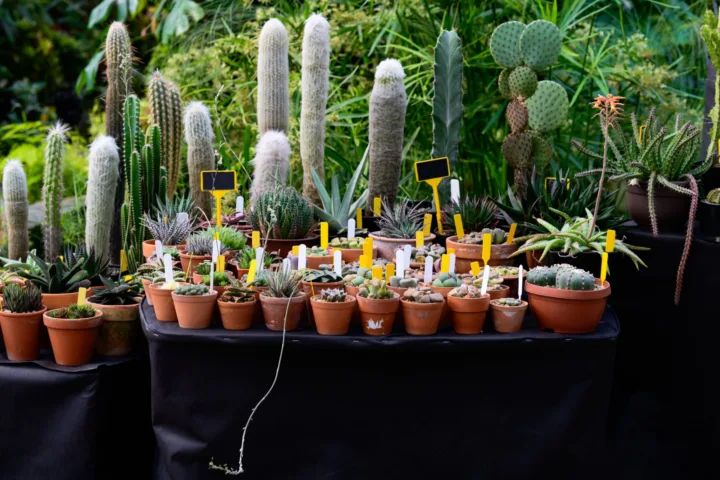
This is the classic trough look, and it still earns its keep. Plant a few small rocks first so they look embedded, not perched. Add one upright accent, two mounding plants, and something that spills over the rim. Sempervivum, compact sedums, saxifrage, thrift, and tiny thyme handle lean, gritty soil. Keep rampant spreaders out, or they will smother the slow growers.
After planting, leave a collar of sharp grit. It keeps leaves off wet compost, cuts splash, and makes the whole thing look finished. Water thoroughly at first, then let the mix dry a little between drinks. Alpines dislike sitting wet in winter more than they dislike summer drought.
Kitchen troughs for herbs and salad leaves
A trough by the back door earns its space if you can snip from it twice a week. Pair plants that like similar moisture. Rosemary, thyme, sage, and oregano want sharp drainage. Basil, parsley, cilantro, and chives want a richer, more even mix. Those two groups do not make great roommates in one small trough.
A practical salad mix is loose-leaf lettuce, radishes, spinach, and one compact cherry tomato only if the trough is deep and sunny. Keep mint in its own pot inside the trough if you must have it. Otherwise it will annex the whole container.
Deep stock tanks for vegetables and mixed displays
Use the extra depth for plants that actually need it. Bush tomatoes, peppers, eggplants, and compact squash belong in the center, with calendula, nasturtiums, or trailing herbs along the rim. Flowers are not decoration here. They pull in pollinators and soften the metal line.
A themed tank stays useful: a pizza mix of tomato, pepper, basil, and oregano, or a brassica grouping that you can net as one unit. Do not plant a full-size cordon tomato next to shallow lettuce and expect both to be happy for long. The tomato will shade, hog water, and make the salad crop bitter or sparse.
Pair Plants by Water Need, Not Just Color
Color is the last decision, not the first. A trough is a shared root zone. If one plant wants bone-dry grit and its neighbor wants damp compost, somebody loses.
Group by these three questions. Do they want the same amount of sun? Do they want the same watering rhythm? Will the tallest plant still leave light for the others in eight weeks? If the answer to any of those is no, split the idea into two troughs or swap a plant.
That rule also keeps you from mixing succulents with thirsty annuals, blueberries with ordinary vegetable mix, or shade ferns with lavender. Blueberries are a special case in metal containers anyway. Low-pH soil can increase zinc movement from galvanized surfaces, which is why University of Maryland Extension advises against growing them in galvanized beds.
Mistakes That Ruin a Trough Garden Fast
These are the problems that show up after the pretty planting photo.
- One lonely drain hole in a stock tank. Water sits, roots suffocate, and the mix turns sour.
- Filling a deep tank entirely with bagged soil you did not need. You spend more, add crushing weight, and still have plants that only use the top layer.
- Planting to the rim, then watching soil slump and stems sit in mud after the first hard rain.
- Putting cool-season lettuce against a west-facing metal wall in July. The edge cooks first.
- Leaving a trough tight on decking with nowhere for runoff to go. The plants suffer, and the boards do too.
Water in the morning. Check the top few inches with a finger, not a schedule. Metal and shallow stone both dry faster than in-ground beds, especially in wind.
Frequently Asked Questions
Do garden troughs need drainage holes?
Yes. A trough without enough open holes becomes a tub. Drill multiple holes in the base, cover them with mesh, and lift the container so water can escape. Side holes alone leave a stagnant layer underneath. That wet layer is where root rot starts.
What plants grow well in a shallow garden trough?
Choose compact plants that like sharp drainage: hens-and-chicks, small sedums, saxifrages, alpine pinks, creeping thyme, and many rock-garden campanulas. Shallow troughs also work for lettuce and low herbs if you water more often. Skip deep-rooted crops. They stall, then sulk.
Are galvanized troughs safe for vegetables?
For ordinary vegetable soil in the pH 6 to 7 range, extension guidance treats galvanized containers as generally acceptable. Zinc is a plant micronutrient, and leaching stays low in near-neutral soil. Keep the mix from going very acidic, use a new tank of known origin when you can, and line the sides if you want extra separation.
How deep should a trough be for tomatoes?
Look for 16 to 18 inches of actual soil for standard tomato plants. Compact bush or patio types can manage a little less. Plant them in the center of a metal tank, give them a cage early, and keep thirsty salad crops from sitting in their shade.
Can you put a planted trough on a deck or patio?
Yes, if you plan for weight and runoff. Raise the trough on feet or bricks, keep drain water off the boards, and remember that wet soil is far heavier than the empty container. If you might need to move it later, add the wheels before you fill it.
Choose One Trough Job and Plant It Completely
Pick the trough that already matches your light and your patience. Give it drainage, a soil mix the plants can live in, and one coherent planting instead of five competing ones. A single well-planted trough by the door will teach you more than a row of half-finished ideas.
Then, if you still want another, you will know exactly which depth and which plant list to repeat.