
I spent two summers staring at a sad concrete slab and calling it outdoor space. My balcony measured about six by eight feet. Wind whipped through it. Sun hit hard in the afternoon. I wanted a beautiful balcony garden more than I wanted almost anything else that year. I got one. Not overnight. Not by buying every trendy planter on the internet. I got it by trial, a few plant deaths, and finally figuring out what actually stays alive up here.
This is the version I wish someone had handed me before I wasted money on the wrong pots and the wrong plants.
Assessing the Space Before You Buy a Single Plant
I used to skip this step. Big mistake.
First thing I did the second time around was stand out there at different hours. Morning light. Noon light. Late afternoon. My balcony faces west. It gets brutal sun from about 1 p.m. onward. Wind tunnels through the gap between buildings. That combination kills delicate leaves fast.
I measured everything. Length. Width. How much railing I could hang things from without the neighbors complaining. Weight mattered more than I expected. Wet soil is heavy. One big ceramic pot filled with wet mix can tip the scales harder than people realize. I switched to lightweight resin and fabric grow bags after my first attempt left me worried about the structure.
See the pattern? The space decides what lives. You don’t force plants into conditions they hate and then wonder why they sulk.
Verify balcony load limits and landlord rules before adding wet containers, especially railing planters that concentrate weight at the edge.
Choosing Containers That Don’t Fight You
I went through a phase of pretty pots that had zero drainage. Don’t do that.
Every container needs holes at the bottom. Water has to escape. Saucers catch the runoff so you don’t rain on the people below. I learned that the hard way after a particularly enthusiastic watering session.
Here’s what worked for me:
- Fabric grow bags: Lightweight. Roots get air. Easy to move.
- Resin planters with built-in reservoirs: Less daily watering. Huge help on hot weeks.
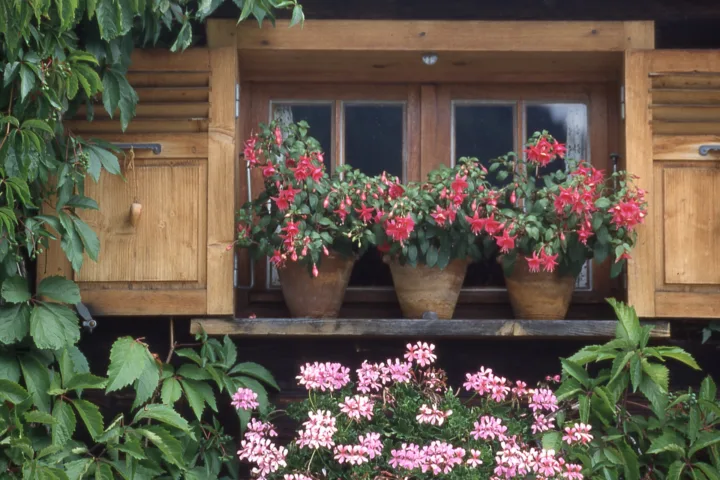
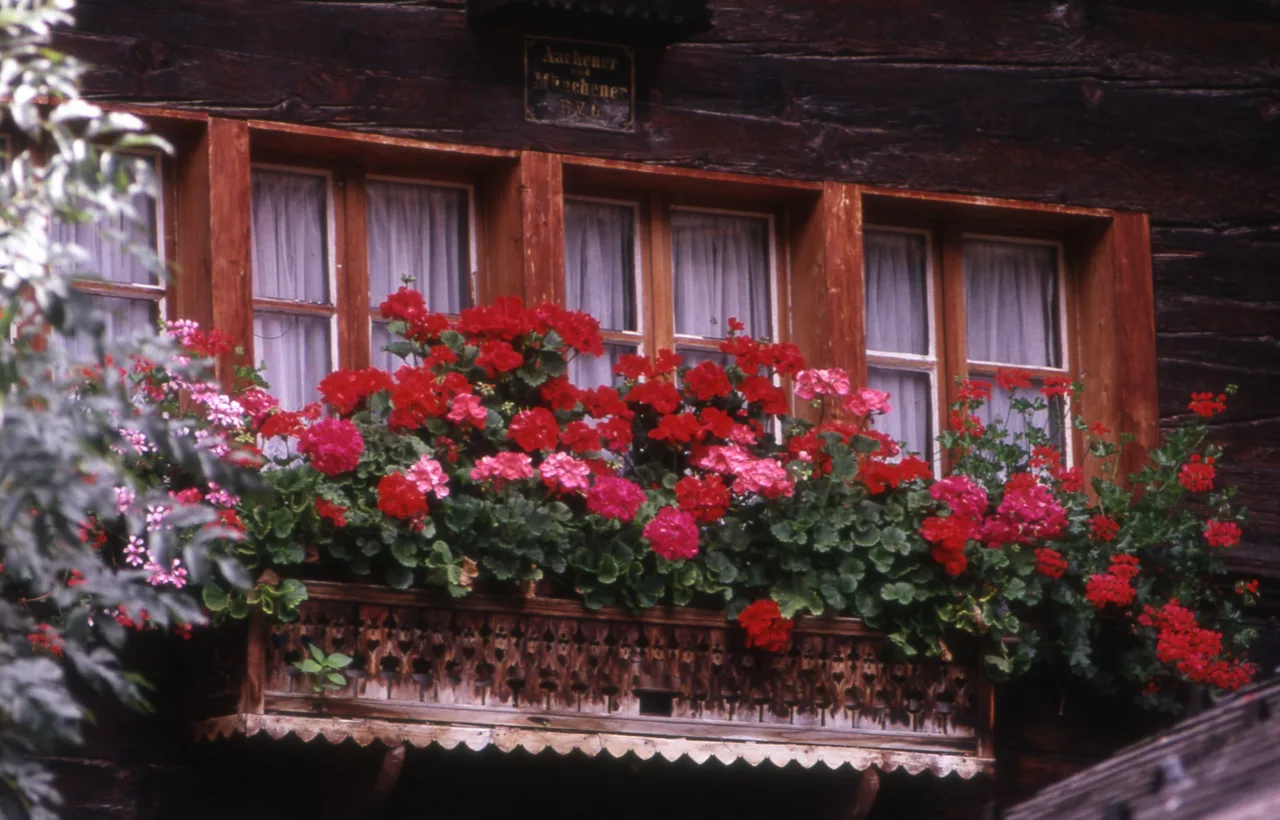
- Railing planters: They free up floor space and look intentional instead of cluttered.
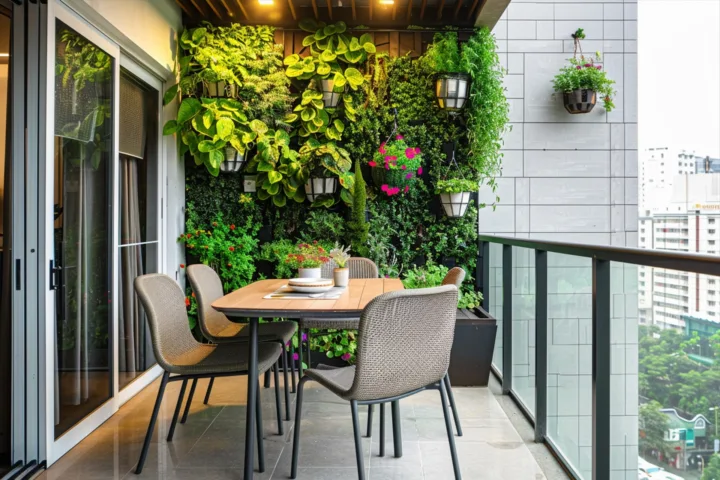
- Vertical wall pockets: I hung three of these and suddenly had room for herbs without losing walking space.
I mixed heights and textures on purpose. Tall pots in the back. Lower ones in front. Hanging ones above. The result looks fuller without feeling packed.
Cheap plastic works fine if you don’t care about looks. I cared. So I spent a bit more on ones that wouldn’t fade or crack after one season.
Before installing railing planters, fill them outside, confirm brackets stay level, then check runoff reaches the saucer rather than the balcony below.
Picking Plants That Match the Conditions
This part nearly broke me the first year. I bought whatever looked pretty at the garden center. Half of them fried. The other half stayed stunted.
Now I match the plant to the light and the wind.
For my sunny west-facing spot I lean on:
- Trailing petunias and calibrachoa: They spill over the edges and keep flowering if I deadhead.
- Herbs like basil, rosemary, and thyme: They love the heat and I actually use them.
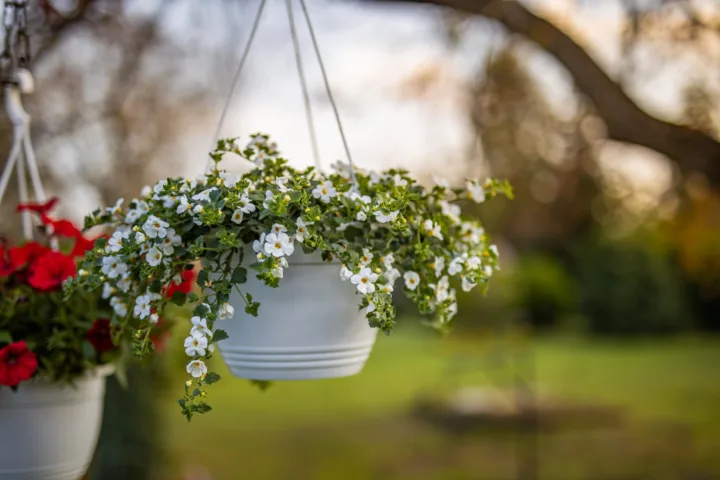
- Cherry tomatoes in hanging baskets: Compact varieties only. Full-size ones take over.
- Succulents and sedums: Almost bulletproof once established.
Shadier corners get:
- Ferns and hostas (if the light is soft enough)
- Begonias
- Mint (contained, always, or it tries to escape)
I keep the plant list short. Ten strong performers beat twenty struggling ones. IMO, restraint looks better than a jungle of half-dead stems.
I also mix annuals for color with a few perennials that can overwinter in protected pots. That way the bones of the garden stay even when the showy flowers finish.
Building Vertical Interest Without Looking Chaotic
Floor space disappears fast. Vertical is the only way I made a beautiful balcony garden feel abundant.
I attached a simple trellis to one wall and let a climbing nasturtium and a cucumber vine go up. Bamboo stakes and soft ties keep everything tidy. Railings hold cascading plants. Wall-mounted shelves hold smaller pots at eye level.
One trick that changed the look: I clustered pots in groups of three instead of lining them up like soldiers. Odd numbers feel more natural. Different heights create depth. A small stool or plant stand lifts a couple of pots so the eye travels up.
Privacy came as a side benefit. Once the vines filled in, the neighboring building faded a bit. I still wave, but now I wave through leaves.
Secure cucumber vines and trellises for peak wind, and inspect ties as stems thicken so a gust cannot turn vertical growth into a hazard.
Watering and Feeding Without the Drama
Containers dry out faster than ground beds. In peak summer I water most things every morning. Some need a second check in the evening. I stick my finger in the soil. Top inch dry? Water. Still damp? Leave it.
Overwatering kills more plants than underwatering in my experience. Roots sit wet and rot. Good drainage plus a light touch solves most of that.
I feed with a balanced liquid fertilizer every two weeks during active growth. Diluted. Half strength. Strong doses burn roots in small pots. Fabric bags and resin planters with reservoirs cut down on the daily chore. Worth the extra cost.
Mulch helps too. A thin layer of fine bark or even gravel on top of the soil slows evaporation and keeps soil from splashing.
Reservoir planters still need occasional flushing, because fertilizer salts can accumulate in small containers during repeated half-strength feedings.
Design Choices That Make It Feel Like a Real Garden
I treat the balcony like a small outdoor room now. Not just a plant shelf.
A small folding chair and a side table sit in the corner that gets the best evening light. A cheap outdoor rug softens the concrete and defines the space. String lights go up in warmer months. They make the whole thing feel finished after dark.
Color matters. I stick to a loose palette so it doesn’t look random. Greens of every shade. Soft pinks and purples for flowers. Terracotta and charcoal pots. Occasional white for contrast. Too many bright colors fighting each other make a small space feel busy instead of calm.
I rotate a couple of pots every few weeks just to keep things interesting. Moving one trailing plant to a different railing changes the whole view.
Mistakes I Made So You Don’t Have To
I killed a lot of plants. Here’s the short list of what not to repeat:
- Ignoring weight limits and drainage rules for the building
- Buying plants without checking sun needs
- Cramping too many plants into one pot
- Forgetting that wind dries leaves and soil faster than you expect
- Skipping regular deadheading and pruning
- Using heavy ceramic everything
The biggest one? Waiting for perfect conditions. There is no perfect balcony. Start with three pots. See what thrives. Add from there.
Keeping It Going Through the Seasons
Summer is the easy season. Everything grows. Fall means pulling annuals that are done and protecting anything tender. I move the most sensitive pots against the wall or indoors if a hard freeze hits. Winter is quiet. I keep a couple of evergreens and some hardy herbs going. Spring starts the cycle again with fresh soil and new seedlings.
I replace the top few inches of soil each year and refresh the fertilizer schedule. Plants in containers use up nutrients faster than plants in the ground.
Honestly? The quiet satisfaction of watching something green and alive on a city balcony never gets old. Even on the days when two plants look sad and I have to figure out why.
Frequently Asked Questions
How do I start a beautiful balcony garden if I have almost no experience? Start with three easy plants that match your light. Get pots with drainage. Water when the soil feels dry. That’s enough for the first month. You’ll learn the rest by watching what happens.
What plants work best for a sunny balcony? Trailing petunias, herbs like rosemary and basil, compact tomatoes, and most succulents handle strong sun and heat well. Check the tag for full sun requirements before you buy.
How often should I water balcony plants? Most need daily checks in hot weather. Stick your finger in the soil. Water thoroughly when the top inch is dry. Self-watering containers cut the frequency.
Can I grow vegetables in a beautiful balcony garden? Yes. Stick to compact varieties of tomatoes, peppers, lettuce, and herbs. Give them enough sun and consistent water. Yields won’t feed a family, but they taste better than store-bought.
What if my balcony has strict weight or dripping rules? Use lightweight fabric or resin pots. Always place saucers under everything. Choose smaller containers and vertical systems so the total load stays reasonable. Check with building management if you’re unsure.
I still walk out there some mornings and feel surprised that it works. The same concrete slab that used to feel empty now holds color, scent, and a place to sit with coffee. It didn’t happen by magic. It happened by matching the plants to the conditions, using the vertical space, and refusing to give up after the first round of failures.
Your balcony is different from mine. The light is different. The wind is different. The rules of your building might be stricter. Start where you are. Pick three pots. Put something living in them. Adjust. The rest follows.
Go make yours.