
I started my balcony cactus garden three years ago after moving into a small apartment with zero yard space. The only outdoor area I had was a narrow balcony that got harsh afternoon sun and almost no protection from wind. I wanted plants that would not demand constant attention or die the moment I forgot to water them for a week. Cacti checked every box.
My first attempt looked sad. A couple of random pots from the grocery store sat on the railing and promptly got scorched. I almost gave up. Then I slowed down, researched what actually works in containers, and rebuilt the whole setup. Now that same balcony feels like a little desert corner I look forward to every morning.
Honestly? The biggest shift came when I stopped treating cacti like regular houseplants and started treating them like the tough desert survivors they are.
Choosing the Right Cacti for a Balcony Setup
Not every cactus belongs on a balcony. Some grow too tall or need more root space than a pot can give. I learned that the hard way when a tall columnar type tipped over in a strong breeze and nearly took out the neighbor’s laundry line.
I stick to compact varieties that stay manageable in containers. Here are the ones that have performed best for me:
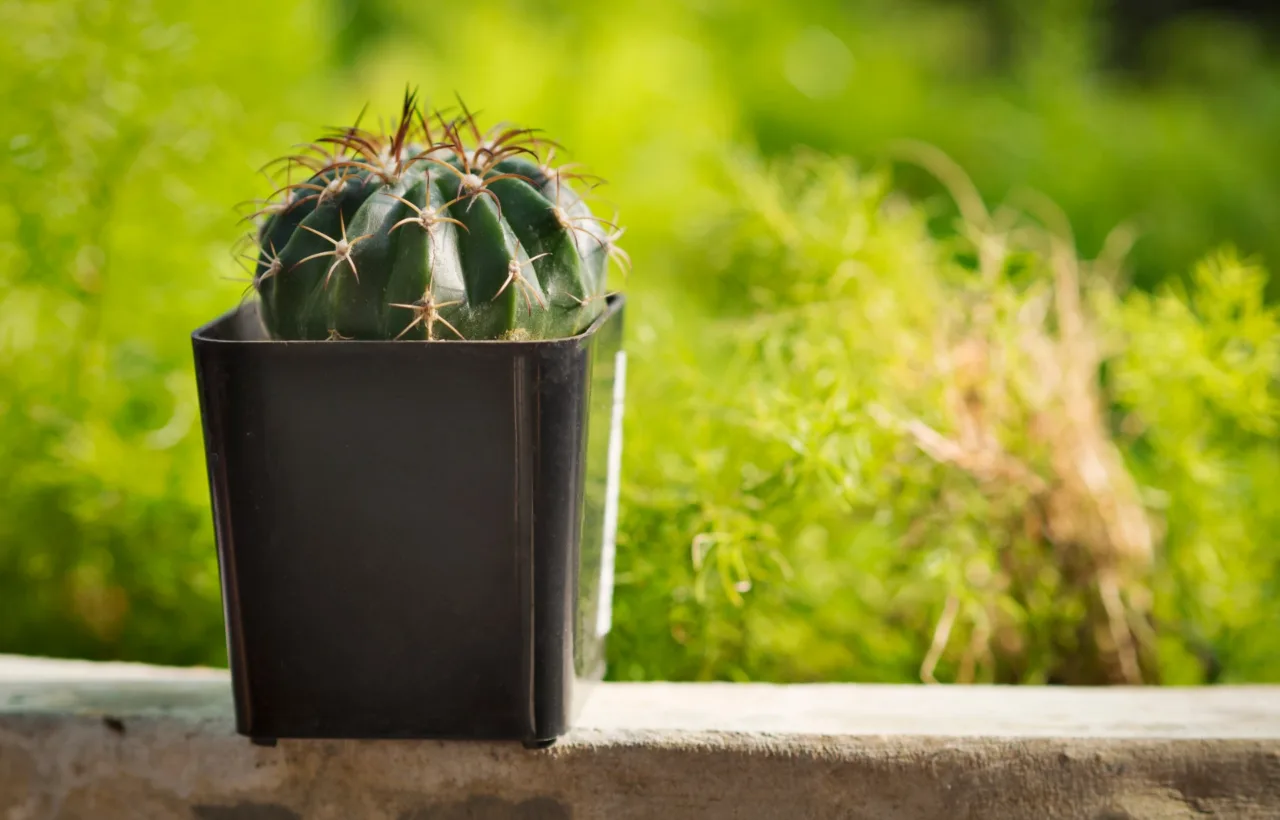
- Golden barrel cactus: Round, cheerful, and slow-growing. It handles full sun without complaint and looks sculptural even when young.
- Bunny ears cactus: Flat pads with soft-looking glochids (watch those, they stick). It spreads sideways rather than up, so it fits tight spaces.
- Pincushion cactus: Small and tidy. It blooms reliably with little pink flowers if you give it enough light.
- Pencil cactus: Thin stems that add height without bulk. I keep mine in a tall narrow pot near the railing.
- Star cactus: Low and wide. Perfect for the front of a shelf where you still want to see the plant.
I also mix in a few hardy succulents that play well with cacti. Aloe and echeveria fill gaps and soften the overall look. The key is matching light and water needs so nothing gets stressed.
See, the wrong plant choice turns a fun project into a weekly rescue mission. Pick the right ones and the care stays simple.
Setting Up Containers and Soil That Actually Drain
Balcony pots face extra challenges. Rain can dump water fast, then the sun bakes everything dry. Regular potting soil holds too much moisture and leads to rot. I switched to a gritty mix early on and never looked back.
My basic recipe is one part regular cactus soil, one part perlite or pumice, and a handful of coarse sand. Everything drains within minutes after watering. I also drill extra holes in the bottoms of plastic pots if they only come with one or two.
Container material matters. Terra cotta breathes and dries out faster, which I prefer in humid summers. Plastic holds moisture longer and works better if your balcony stays in partial shade. I use both. Heavy ceramic pots stay put in wind; lightweight ones need anchoring or I risk finding them on the sidewalk below.
I group pots by size and water needs. Larger ones go in the back. Smaller ones sit on a tiered metal stand I bought secondhand. That stand turned a cluttered floor into vertical space. Suddenly I had room for twice as many plants without feeling crowded.
Don’t skip the saucers or trays. Water that runs through still needs somewhere to go so it does not stain the balcony floor or drip on people below. I empty trays after every watering. Standing water invites fungus and mosquitoes. Neither belongs in a cactus setup.
Check your apartment’s balcony load limit before grouping heavy ceramic pots, wet soil, and water-filled trays in one area.
Light, Water, and the Real Care Routine
Most cacti want full sun. My balcony faces southwest, so they get intense afternoon light from spring through fall. In winter the sun sits lower and the plants get less intensity. I rotate the pots every few weeks so every side gets equal exposure. Uneven light produces lopsided growth that bothers me more than it should.
Watering is where most people go wrong. I water deeply but infrequently. In summer that means once every 10 to 14 days depending on heat. In winter I stretch it to once a month or even longer. I stick my finger into the soil. If it feels dry two inches down, I water. If it still feels damp, I wait.
I always water in the morning so any moisture on the stems evaporates before night. Evening watering in cool weather risks rot. FYI, I learned that lesson after losing two plants to black soft spots that appeared overnight.
Fertilizer stays light. I use a diluted cactus fertilizer once in early spring and once in midsummer. Too much nitrogen makes soft, weak growth that attracts pests. I would rather have slower, stronger plants.
Pests do show up. Mealybugs hide in the crevices. I wipe them off with a cotton swab dipped in rubbing alcohol. Scale insects get the same treatment. I check new plants carefully before adding them to the group. One infected plant can spread fast in a tight balcony space.
Acclimate newly purchased cacti to your southwest balcony gradually, increasing direct sun over one to two weeks to reduce scorching.
Design Tricks That Make the Space Feel Intentional
A random collection of pots looks messy. I wanted something that felt designed. I started by choosing a limited color palette for the containers. Terra cotta, matte black, and a few weathered gray pots keep the focus on the plants.
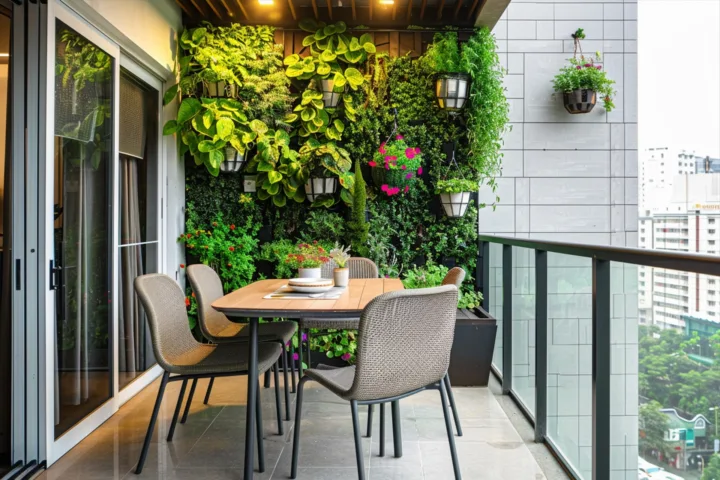
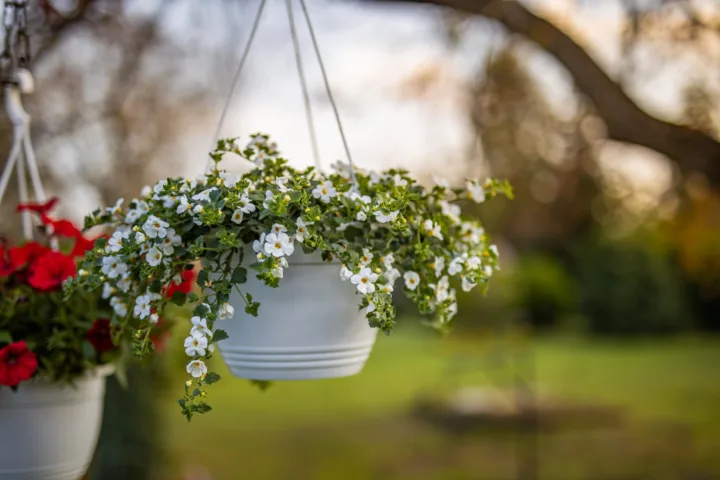
Height variation helps. Tall pencil cactus in the back, medium barrels in the middle, and low star cactus or echeveria in front create layers. I also use a couple of hanging planters for trailing types that soften the hard edges of the railing.
I added a few rocks and a piece of weathered wood as accents. Nothing fancy. Just enough to suggest a natural desert scene without turning the balcony into a theme park. A small outdoor light string lets me enjoy the shapes at night without harsh overhead lighting.
Space is limited, so I measure everything before buying new pots. I leave walking room and make sure I can still open the door fully. Nothing kills the joy faster than constantly bumping into plants every time I step outside.
Keep spiny cacti away from doorways, railings, and seating paths, especially where guests or laundry might brush against them.
Common Mistakes I Made and How I Fixed Them
I overwatered in the beginning. The soil stayed wet and roots rotted. Switching to the gritty mix and strict finger-test watering fixed that.
I also placed pots too close together. Airflow suffered and a few stems developed soft spots. Spreading them out and using the tiered stand solved the crowding.
Wind was another surprise. Tall pots tipped. I started placing heavier containers as anchors and used plant ties for the more top-heavy ones. A simple bungee cord around a group of pots works in a pinch during storms.
Winter protection depends on your climate. In mild areas most of these cacti stay outside year-round. In colder spots I move the most sensitive ones against the wall or under a temporary cover when frost threatens. I never bring them all indoors if I can help it. Indoor light is usually too weak and the plants stretch.
For frost protection, use breathable frost cloth and keep it off the cactus surface; sealed plastic can trap condensation and worsen cold damage.
Expanding Without Overwhelming the Balcony
Once the main setup felt solid I started adding one or two plants each season. I look for interesting shapes or reliable bloomers. A new pincushion that flowered the first spring made me happier than it probably should have.
I also experiment with companion plants that share the same conditions. A few drought-tolerant herbs like rosemary and thyme sit at the edges. They do not compete for water and they smell good when I brush past them.
Propagation keeps costs low. I take pads from the bunny ears cactus and root them in dry soil. Most take within a few weeks. Giving extra plants to friends turns into a quiet way to share the hobby.
Frequently Asked Questions
How often should I water a balcony cactus garden? I water only when the soil is dry a couple of inches down. In hot weather that is every 10 to 14 days. In cooler months it stretches much longer. Overwatering kills more balcony cacti than underwatering ever will.
Can I grow a balcony cactus garden in partial shade? Some varieties tolerate less sun, but most prefer full light. If your balcony gets only morning sun, stick to the tougher types like certain pincushions and watch for stretched growth. Full sun remains the ideal.
What soil mix works best for container cacti? A fast-draining mix of cactus soil, perlite or pumice, and coarse sand. Ordinary potting soil holds too much water and leads to root problems. Good drainage is non-negotiable.
Do balcony cacti need fertilizer? Light feeding twice a year is enough. I use a diluted cactus formula in spring and midsummer. Heavy feeding produces weak growth that struggles in outdoor conditions.
How do I protect my balcony cactus garden from strong wind? Heavy pots, grouping, and simple ties help. I also keep taller plants closer to the wall where the building blocks some of the gusts. Prevention beats chasing pots across the balcony after a storm.
Building this balcony cactus garden taught me patience and observation more than any other plant project. The plants reward neglect better than most living things I have tried to keep alive. They ask for sun, sharp drainage, and restraint with the watering can. In return they give structure, quiet color, and the occasional unexpected bloom that makes me stop and stare for a minute longer than planned.
If you have a sunny balcony and a willingness to start small, you already have everything you need. Pick a few tough varieties, give them the right soil, and resist the urge to hover. The rest takes care of itself. My setup still evolves, but the core has stayed the same for three years: simple, resilient, and surprisingly satisfying.