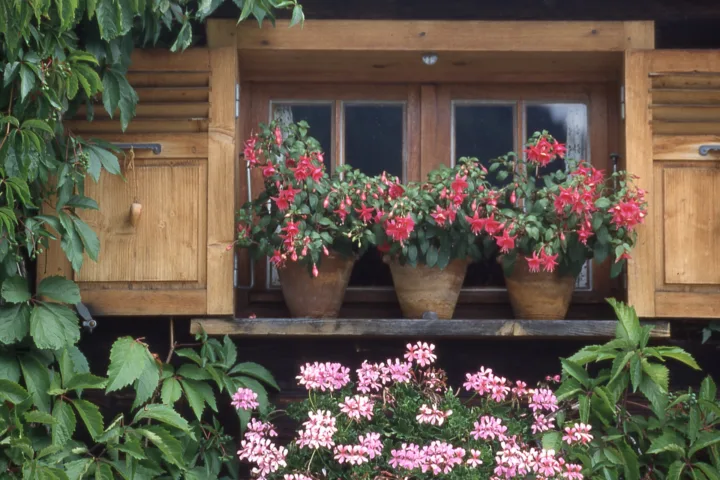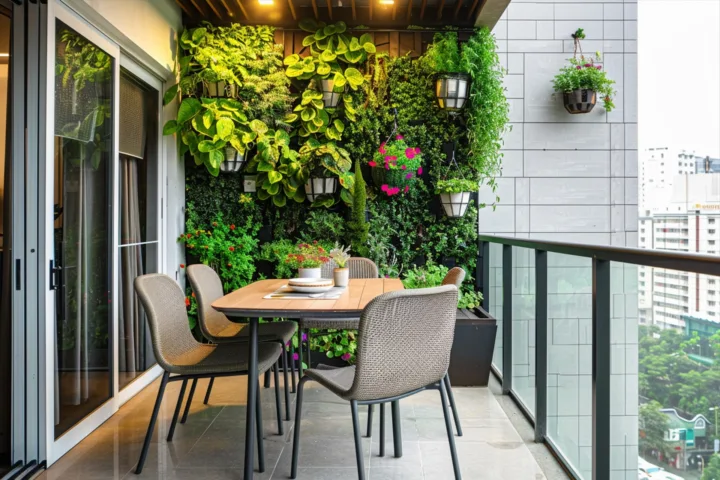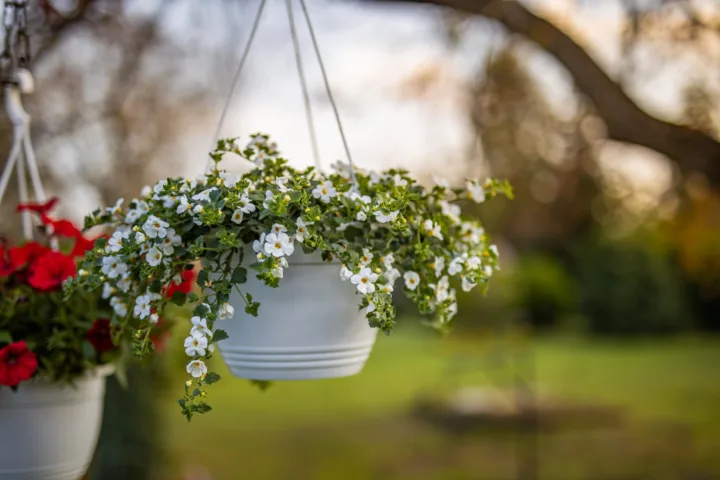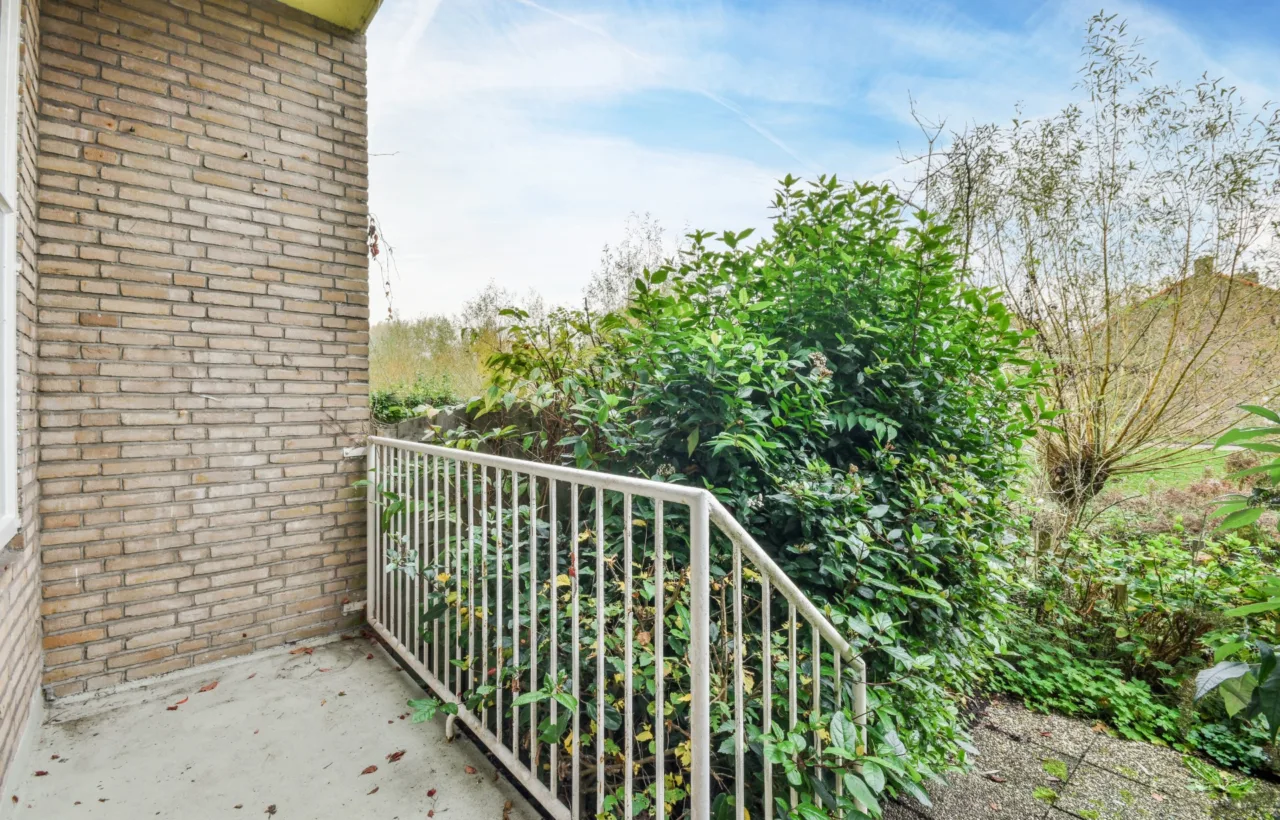

I never thought a simple balcony railing garden would change how I use my outdoor space. My apartment balcony measures maybe six feet deep. For years I stared at the bare metal rails and felt stuck. Then I started hanging planters and filling them with plants that spill over the edge. Now I step outside every morning and feel like I own a private green nook.
Honestly? The first attempt looked sad. A couple of plastic boxes, some half-dead petunias, and soil that turned to dust by noon. I almost quit. See, I kept chasing perfect magazine photos instead of starting with what I actually had. Once I switched to practical steps and plants that forgive mistakes, everything clicked.
This guide walks through exactly what worked for me. You get the real choices I made, the plants that survived my neglect, and the safety checks I wish someone had told me sooner. If your balcony feels too small or your railing looks too plain, keep reading. I figured it out the hard way so you don’t have to.
Why a Balcony Railing Garden Makes Sense for Small Spaces
Floor space on a balcony vanishes fast. Chairs, a tiny table, maybe a drying rack. The railing sits there unused. Turning that horizontal bar into planting space felt like finding free real estate.
I love how the plants sit at eye level. They frame the view without blocking it. Trailing vines soften the hard metal lines. Herbs stay close enough that I snip basil while the pasta water boils. FYI, the privacy boost surprised me most. Dense plantings create a soft screen between me and the neighbors without building anything permanent.
Weight matters more than I expected. A fully watered planter holds more mass than dry soil. I checked my building rules first. Most allow railing planters as long as they stay secure and do not overhang the sidewalk below. I stuck to lighter plastic and resin boxes instead of heavy ceramic. That choice kept the landlord happy and my back happier.
Choosing the Right Planters for Your Balcony Railing Garden
Not every planter works on a railing. I tried three styles before settling on what stays put.
Measure the railing width and profile before shopping: choose adjustable brackets with locking screws, then test-fit each empty planter before adding soil.
Over-the-Rail Boxes
These straddle the top rail like a saddle. No drilling required. Mine fit standard 2×4 and 2×6 rails. I simply drop them on and adjust the width with the built-in brackets. They feel stable even when the wind picks up. The downside: they sit high, so watering means reaching up a bit more.
Hanging Side Planters
These clip or hook onto one side of the rail. They keep the top clear for leaning or setting a drink. I use them on the outer face so the plants cascade toward the street. Installation stays tool-free on most models. Just make sure the hooks grip tight. I once watched a cheap set swing in a storm and learned my lesson.
Bracket-Mounted Options
If your railing allows screws, metal brackets give the strongest hold. I avoided this route because my lease frowns on holes. Still, friends with private decks swear by them for heavier wooden boxes.
Key features I now demand:
- Drainage holes that actually work
- Lightweight material that will not bake the roots in summer sun
- Secure mounting that does not rely on hope alone
- Enough depth for roots (at least 6–8 inches)
I skip pure metal boxes. They heat up fast and can rust. Wood looks warm but needs a liner or it rots. Heavy-duty plastic or resin wins for me every time. It stays cooler, lasts longer, and costs less than the fancy options.
Plants That Actually Survive in a Balcony Railing Garden
I wasted money on delicate specimens that hated wind and heat. Now I stick to tough performers that match my light conditions.
My balcony faces west. Afternoon sun hits hard from noon onward. Full-sun plants thrive. If yours faces north, lean toward shade lovers instead.
Flowers That Keep Blooming
- Petunias and calibrachoa: They cascade beautifully and rebound after a dry spell.
- Geraniums: Classic for a reason. Bright blooms and sturdy stems.
- Zinnias and marigolds: Cheap, cheerful, and they attract pollinators.
- Coleus: Grown for foliage color more than flowers. Fills gaps fast.
Herbs I Reach for Daily
Basil, thyme, oregano, and mint live right outside my kitchen window now. Mint spreads, so I give it its own box. I harvest leaves most evenings. The flavor beats anything from the store.
Compact Edibles
Cherry tomatoes in a deep railing planter produced more fruit than I expected. Lettuce and spinach grow well in cooler months. Peas climb a short trellis I clipped to the rail. I keep expectations realistic. These stay small-scale harvests, not full grocery runs.
Trailing Stars
Sweet potato vine, creeping Jenny, and ivy spill over the edges and soften the whole look. They hide the planter itself after a few weeks. I mix one trailer with two upright plants in every box. The contrast makes the display feel fuller.
Rule I follow now: Match plants that share the same water needs. A thirsty basil next to a drought-tolerant lavender creates constant conflict. Group the drinkers together and the tough guys together.
How I Plant and Maintain My Balcony Railing Garden
Soil choice decides success more than any other factor. Garden dirt from the ground packs too tight and stays wet. I use a lightweight potting mix made for containers. It drains fast yet holds enough moisture.
I fill each planter about three-quarters full, mix in a slow-release fertilizer, then plant. Leave an inch of space at the top so water does not spill over the sides every time I water. A thin mulch layer on top cuts evaporation.
Watering happens more often than ground gardens need. Wind and sun dry the boxes quickly. I check the top inch of soil with my finger. Dry means water. In peak summer I water most mornings. Self-watering models help on busy weeks, but plain boxes work fine if I stay consistent.
Fertilizer every four to six weeks keeps growth steady. I prefer liquid feed for quicker results in small volumes of soil. Deadheading spent blooms pushes more flowers. Pinching herbs encourages bushier growth.
Wind protection matters on higher floors. I place taller plants toward the center of longer boxes and use short stakes when needed. A sudden gust once flattened a tomato. Lesson learned.
Water until a little drains, then empty any catch tray; this confirms the root ball is moistened beyond the surface.
Common Mistakes I Made (So You Can Skip Them)
I overcrowded the first boxes. Roots fought for space and everything stayed stunted. Now I follow a simple count: three to four plants in a 12-inch box, four to six in a 16-inch one.
I ignored weight limits. One rainy week the boxes felt twice as heavy. I redistributed plants and switched to lighter mix. Check your railing strength and building guidelines before loading up.
I chose plants for looks alone. Pretty but fragile varieties died in the first heat wave. Tough and forgiving always wins for railing life.
I forgot about drainage. Standing water killed roots fast. Every planter now has open holes, and I empty saucers if I use them.
Safety and Building Rules You Should Not Skip
Railing gardens hang over public space in many apartments. Secure every planter so nothing can fall. I double-check the brackets after strong winds. Some cities require planters to sit fully inside the railing line. Mine stay centered.
Weight adds up. Wet soil plus plants plus water can exceed what a flimsy rail expects. Stick to modest sizes and light materials. If the railing feels loose already, fix that first or skip the project.
Pets and kids change the equation. I keep toxic plants like certain lilies off the list. Trailing vines stay high enough that curious paws cannot reach easily.
Frequently Asked Questions
How much sun does a balcony railing garden need? Most flowering and edible options want at least four to six hours of direct light. I track the sun pattern for a few days before buying plants. Shade-tolerant choices exist if your balcony stays dim.
Can I grow vegetables successfully in a balcony railing garden? Yes, as long as you pick compact varieties. Cherry tomatoes, leafy greens, and herbs produce well for me. Larger crops like full-size tomatoes struggle with limited root space.
How often should I water railing planters? Check daily in hot weather. The small soil volume dries faster than ground beds. Morning watering works best so leaves dry before night.
Do railing planters damage the railing? Quality over-the-rail models with soft pads leave no marks. Screwed brackets leave holes. I prefer the tool-free styles to protect the existing structure.
What is the easiest starter plant for beginners? Petunias or geraniums. They forgive missed waterings better than most and reward you with constant color.
Final Thoughts from My Own Tiny Green Rail
My balcony railing garden started as an experiment and turned into the best part of my apartment. I step outside, snip herbs, watch the vines grow longer each week, and feel more connected to the seasons even in the middle of the city.
You do not need a big budget or perfect conditions. Start with one or two solid planters, choose plants that match your light, and keep the soil draining well. Adjust as you learn. Mistakes taught me more than any perfect plan ever could.
Go hang those first boxes this weekend. Water them, watch them settle in, and enjoy the change. Your railing will thank you, and so will your mood every time you open the door.