I started my first balcony garden with three sad pots and a whole lot of hope. The space measured maybe six feet by four. Concrete floor. Metal railing. Zero soil. I wanted herbs and color and something that felt alive. What I got was wilted basil and a growing sense that tiny outdoor spots just could not support real plants. That feeling stuck around longer than it should have.
Then I stopped treating the balcony like a failed backyard and started treating it like a puzzle. Vertical space. Railings. Walls. Lightweight pots. Suddenly the same few square feet held more life than I expected. Those early experiments taught me what works when the ground is not an option. Today I want to share the 14 mini balcony garden ideas that finally clicked for me. These are the setups I actually use, the ones that survive wind and limited light and the occasional forgotten watering day.
You do not need a big budget or professional design skills. You need a willingness to try small experiments and adjust as you go. Honestly? That is half the fun.
Why Mini Balcony Gardens Matter More Than You Think
I used to believe a proper garden required dirt underfoot and room to spread out. My balcony proved me wrong. A few well-chosen plants changed how I used the space. Morning coffee felt different with green nearby. Evenings felt calmer. The air even smelled better once the herbs kicked in.
Small balcony gardens force creativity. They make you notice light patterns and wind directions. They teach you which plants forgive neglect and which ones demand attention. I learned more about growing things in two seasons on that tiny platform than I did in years of backyard attempts.
The key is matching the idea to your actual conditions. South-facing gets hot and dry. North-facing stays cooler and shadier. Railings offer free vertical real estate if your building allows it. Floor space is precious, so anything that climbs or hangs earns its keep.
Getting Started Without Overwhelm
I made the classic mistake of buying every pretty pot I saw. Bad move. Start simple. Check your building rules first. Some places limit weight or hanging items. Measure the sunlight you actually get. Note the wind. Those two factors decide more than any Pinterest board.
Lightweight containers matter. Heavy ceramic looks nice until you try to move it or worry about the structure underneath. Fabric grow bags and plastic pots became my go-to. They drain well and do not add unnecessary pounds.
Soil choice counts too. Regular garden dirt packs down and stays wet too long in pots. I use a mix made for containers. It stays lighter and roots breathe better. Water carefully. Balconies dry out fast, especially in wind. Self-watering pots saved me more than once during busy weeks.
Now for the ideas themselves. These 14 mini balcony garden ideas grew out of trial, error, and a few plants that refused to quit.
Fabric grow bags usually dry faster than plastic pots because air reaches their sides, especially on a windy balcony.
Vertical Wins: Growing Up Instead of Out
Floor space is limited. Walls and railings are not. Vertical growing became my biggest shift.
1. Railing Planters for Instant Greenery
I clipped simple trough planters to the top of my railing. They hold trailing petunias or cascading herbs. The plants spill over the edge and soften the metal look. Installation took minutes. Just make sure the clips are secure and the weight stays reasonable. Trailing nasturtiums worked especially well for me. They flowered hard and asked for little.
2. Wall-Mounted Pocket Planters
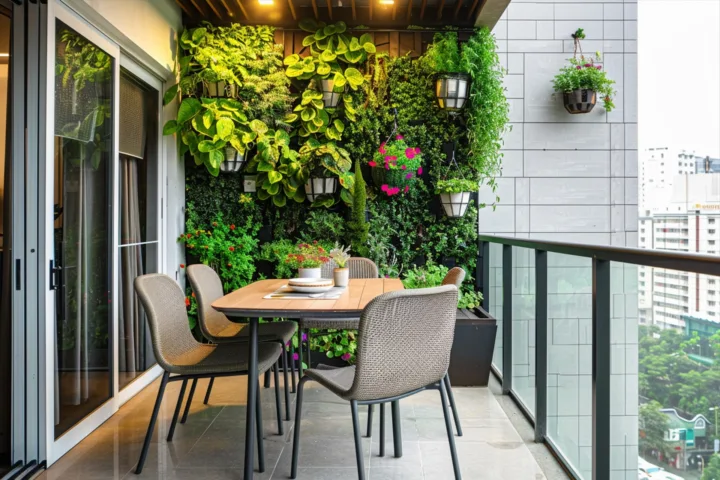
Fabric pocket systems hang flat against the wall. Each pocket gets one plant. I filled mine with lettuce, strawberries, and thyme. Watering takes care because the pockets share moisture a bit. The whole thing looks like living wallpaper. Space-wise it is unbeatable.
3. Trellis with Climbing Vines
A simple freestanding trellis leaned against the wall supports beans or morning glories. I started with scarlet runner beans. The flowers attracted hummingbirds I never expected in the city. The vines create a privacy screen at the same time. Bonus points for that.
4. Hanging Basket Clusters
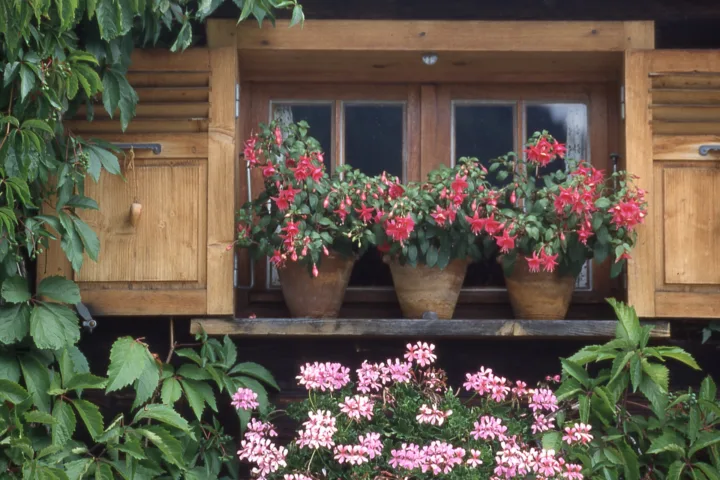
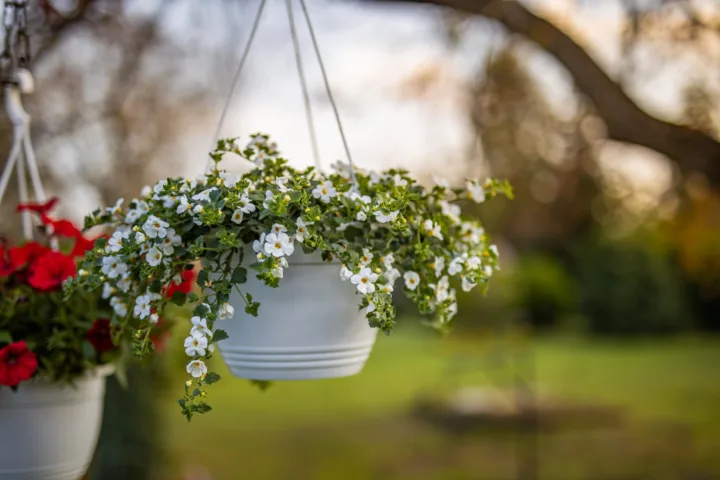
Three baskets at different heights from a ceiling hook or strong bracket change the whole feel. I use them for trailing tomatoes or fuchsias. The key is staggered heights so each plant gets light. Watering is a bit messier, but the visual payoff is worth it.
Container Combinations That Pull Their Weight
Single pots look lonely. Groupings feel intentional.
5. Herb Trio in Matching Pots
Basil, mint, and oregano side by side. I keep them near the door so I grab handfuls while cooking. Mint wants its own pot eventually because it spreads, but the first season they shared space fine. Fresh herbs taste better when you grow them yourself. That is not marketing talk. That is just true.
6. Succulent Bowl Arrangement
A shallow wide pot filled with different succulents creates a low-maintenance centerpiece. I mixed echeveria, sedum, and a small aloe. They handle heat and skip a few waterings without drama. Perfect for the hottest, driest corner of the balcony.
7. Tiered Plant Stand
A three-level metal stand multiplies floor space. Bottom level holds a larger pot with something bushy. Middle and top get smaller plants. I put a dwarf pepper on the bottom and herbs above. Everything stays accessible and the whole unit still fits in a tight footprint.
8. Window Box Style on the Floor
Long rectangular planters mimic classic window boxes but sit on the ground against the railing. I filled one with a mix of flowers and leafy greens. The linear shape makes the balcony feel wider somehow. Color and texture do the rest.
Edible Options for Real Harvests
Pretty is nice. Food is better.
9. Cherry Tomato in a Cage
Determinate cherry tomatoes stay compact. One plant in a sturdy pot with a small cage produces more than enough for salads. I water consistently and feed every couple of weeks. The first ripe tomato from that plant tasted better than anything from the store. I still remember it.
10. Leafy Greens in Shallow Trays
Lettuce, arugula, and spinach grow fast in wide shallow containers. I sow a few seeds every two weeks for a steady supply. Cut leaves as needed and the plants keep producing. Cooler months work best, but with some shade cloth even summer can work.
11. Pepper Plant Duo
Two compact pepper plants side by side give color and heat. One mild, one hotter. They like sun and consistent moisture. The fruits start green and turn bright. Watching them ripen feels like a small daily win.
Low-Effort Beauty That Still Feels Special
Not every plant needs to feed you. Some just need to look good and ask little.
12. Fern and Shade Combo
For the shadier side of the balcony I grouped a few ferns with a hosta in matching pots. They thrive with less light and higher humidity. The texture softens hard surfaces. Water when the top of the soil feels dry. That is about the only rule.
13. Flowering Annual Mix
Petunias, calibrachoa, and a trailing verbena in one large pot create a continuous color show. Deadhead the spent blooms and they keep going. I choose colors that match my outdoor chair cushions so everything feels pulled together.
14. Mini Citrus or Olive Tree
A dwarf lemon or olive in a large pot becomes the focal point. These stay small enough for balconies yet feel substantial. The olive handles wind better than I expected. The lemon needs more water and winter protection if your climate dips low. Both make the space feel intentional rather than temporary.
Practical Tips I Learned the Hard Way
Weight adds up fast once soil is wet. Keep total load reasonable. Move heavier pots toward structural supports if possible.
Wind dries plants and knocks over tall ones. Group pots together for mutual protection. Use heavier bases or secure lightweight containers.
Watering is the biggest ongoing job. Collect rainwater if you can. A collapsible watering can stores flat when not in use. Self-watering pots reduce the frequency of trips with the can.
Fertilizer helps in containers because nutrients wash out. I use a balanced liquid feed every two to three weeks during active growth. Less is more in cooler months.
Pest issues stay smaller on balconies than in ground gardens, but aphids still show up. A strong spray of water or insecticidal soap handles most problems early.
Keep fertilizer runoff off neighboring balconies and building walls; concentrated liquid feed can stain surfaces and affect plants below.
Frequently Asked Questions
What are the best 14 mini balcony garden ideas for complete beginners? The ones that forgive mistakes work best at first. Start with succulents, herbs in individual pots, and simple railing planters. Those three alone can transform the space without much risk.
How much sunlight do most of these 14 mini balcony garden ideas need? It varies. Herbs and tomatoes want at least six hours. Succulents and many flowers handle four to six. Ferns and leafy greens tolerate less. Match the plant to the light you actually have instead of forcing sun lovers into shade.
Can I grow vegetables successfully with these mini balcony setups? Yes. Cherry tomatoes, peppers, lettuce, and bush beans all produce well in containers. Choose compact varieties and keep the soil consistently moist. Harvest often to encourage more growth.
How do I keep pots from looking cluttered on a small balcony? Stick to a limited color palette for the containers themselves. Group plants in odd numbers. Leave some open floor space so the eye can rest. Vertical elements help by drawing attention upward.
What is the biggest mistake people make with mini balcony gardens? Overloading the space with too many plants at once. Start with fewer pots than you think you need. Add more only after you see how the first ones perform. Crowding makes watering harder and air circulation worse.
Final Thoughts From My Own Tiny Green Spot
Those 14 mini balcony garden ideas turned my concrete platform into the place I actually want to spend time. Some seasons the harvest is generous. Other seasons the flowers do most of the work. Either way the space feels alive.
I still lose a plant now and then. That is part of it. The ones that thrive make up for the losses. Start with one or two ideas that fit your light and your schedule. Expand when you are ready. The balcony does not need to look perfect on day one. It just needs to grow with you.
Go pick a pot. Fill it with something that makes you smile when you walk outside. That first plant is the real beginning. The rest follows naturally.