
I started keeping chickens mostly for the eggs. Then the manure piled up. Fast. I stared at that smelly mountain in the coop and thought about dumping it. Bad idea. Fresh chicken manure compost burns plants and carries risks. I learned the hard way after one sad tomato patch. Now I turn every scoop into chicken manure compost that feeds my beds better than any bagged stuff I ever bought. You can do the same. This is the exact process I use, the mistakes I made, and why it works so well for a backyard gardener like me.
Honestly? The first time I tried this I almost quit. The pile stank. It stayed cold. My neighbors gave me looks. But once I got the hot composting right, everything changed. My soil went from tired clay to dark, crumbly heaven. Plants exploded with growth. Yields jumped. And I stopped buying fertilizer. Completely.
Why Chicken Manure Compost Beats Everything Else I Have Tried
Chicken manure packs serious punch. It holds more nitrogen, phosphorus, and potassium than cow or horse manure. Plus calcium, magnesium, and a bunch of micronutrients. Fresh stuff runs roughly 1.1-0.8-0.5 NPK, but that varies with bedding and diet. Once composted, it becomes steady-release black gold.
I love how it improves soil structure. My sandy spots hold water better. My clay spots drain and breathe. Organic matter feeds the microbes. Everything just works harder.
See, other manures feel weaker by comparison. Cow manure is milder and safer to use sooner, but it lacks the nitrogen kick. Horse manure can bring weed seeds. Chicken manure compost wins for nutrient density if you handle it right. IMO, nothing comes close for heavy feeders like tomatoes, peppers, and squash.
The downside hits hard if you skip steps. Fresh manure is hot. High ammonia burns roots. Pathogens like Salmonella and E. coli hang around. You cannot just dump it. I learned that after wilting a whole row of lettuce. Painful lesson.
My Step-by-Step Process for Making Chicken Manure Compost
I keep it simple. No fancy equipment beyond a compost thermometer and a bin or two. Here is exactly how I do it every time.
Collecting the Goods
I clean the coop weekly. Scoop the manure plus the bedding. Straw, wood shavings, or leaves all work. That mix already gives a decent carbon-nitrogen start. Each hen drops about a cubic foot every six months. With six birds I fill a bin fast.
I store extras under cover so rain does not leach nutrients. Gloves stay on. Always.
Getting the Carbon to Nitrogen Ratio Right
Chicken manure runs high in nitrogen. Too much green and the pile goes slimy and smelly. Too much brown and it sits cold forever.
I aim for roughly 2 parts brown (bedding, leaves, shredded paper) to 1 part green (manure). Sometimes I push 1:1 if the bedding is already heavy. The ideal overall C:N sits around 30:1, but I never measure that precisely. I just watch the pile.
Moisture matters. I squeeze a handful. It should feel like a wrung-out sponge. Dry? I add water or fresh greens. Soggy? I toss in more dry leaves or shavings.
Building the Hot Pile
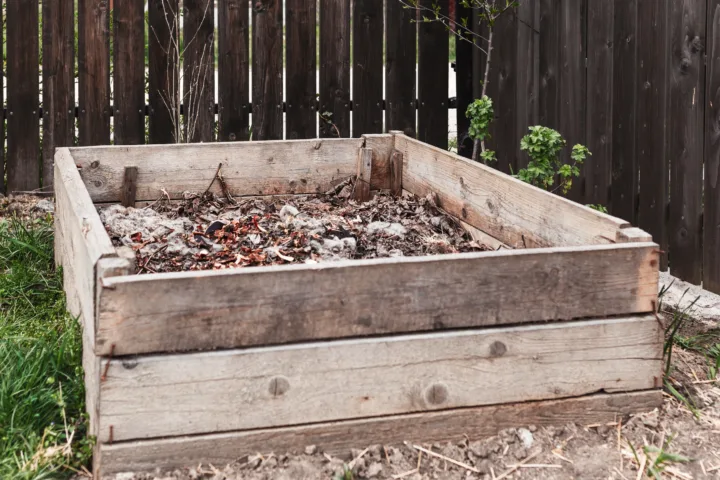
Size counts. I build at least one cubic yard. Smaller piles struggle to heat. I layer or dump everything at once into a bin or free-standing heap. Then I mix well with a pitchfork.
Within 24 to 36 hours the center climbs. I stick in the thermometer. Target: 130 to 150 degrees F. Hold it there for at least three days. That heat kills pathogens and weed seeds. Above 160 and I risk cooking the good microbes, so I turn sooner if it spikes.
I turn the pile when temps drop below 110. Outer material goes to the middle. Middle goes out. I do this three or four times minimum. Each turn restarts the heat.
Some folks chase a three-week super-hot method with extra browns and daily turns. I tried it once. Worked, but felt like a second job. My regular pace takes longer and still delivers great results.
Curing Time
After the last hot phase I let the pile sit. Loosely cover it. Wait 45 to 60 days, sometimes longer in cool weather. Finished chicken manure compost looks dark, crumbly, and smells like rich earth. No ammonia stink. No recognizable poop or bedding chunks.
If it reheats after a turn and moisture check, it is not done. Patience pays.
How I Use Finished Chicken Manure Compost in the Garden
I spread it in late winter or early spring. About 20 to 45 pounds per 100 square feet works for me. I work it into the top 6 to 8 inches. For heavy feeders I go heavier. For light feeders or new beds I go lighter.
Timing rules matter for food safety. Root crops and leafy greens that touch soil need 120 days between application and harvest. Staked tomatoes or beans need 90 days. I plan plantings around that. No shortcuts.
I also make compost tea. Fill a pillowcase with finished compost. Steep in a 5-gallon bucket of non-chlorinated water for a week or two. Stir daily. Dilute the brew until it looks like weak tea. Water plants with it. Instant boost without burning.
Top-dressing established beds works too. Just a thin layer and water it in. My roses and perennials thank me every season.
Bagged commercial chicken manure compost exists if you lack birds. It is convenient and pathogen-free. But nothing beats the free stuff from my own flock. Fresher nutrients. Zero packaging waste. And I know exactly what went into it.
For compost tea, aerate with an aquarium bubbler during steeping. This boosts beneficial bacteria and prevents anaerobic odors in just 24 hours.
Common Mistakes I Made (So You Skip Them)
I once skipped the hot phase. Cold composting takes forever and pathogens linger. Not worth the risk.
I overdid the manure ratio early on. Pile turned into a stinky anaerobic mess. Flies loved it. Neighbors did not. More browns fixed it fast.
I applied unfinished material. Plants yellowed and stalled. Lesson burned into my memory. Wait until it is truly finished.
Rain-soaked piles leach nitrogen. I keep a tarp handy for wet weeks. Dry spells need a hose. Balance is everything.
And never add dog, cat, or pig manure. Different risks. Stick to poultry or herbivore stuff.
Safety First Every Single Time
Gloves. Always. Wash hands after. Keep piles away from play areas and water sources. Wash all produce thoroughly. People with weak immune systems should stay extra careful with manure-amended gardens.
Hot composting handles most pathogens when temps hit and hold. Curing finishes the job. I still treat every batch with respect.
Comparing My Homemade Stuff to Store-Bought Options
Homemade chicken manure compost costs nothing beyond my time and the birds I already keep. Nutrient levels stay high and variable in a good way. Soil life loves it.
Bagged versions like Espoma or Back to Nature give consistent NPK and zero smell. Great for apartments or small spaces. But they cost money and lack the living biology of a fresh pile.
I use both. Homemade for main beds. Bagged for containers and quick fixes. Best of both worlds.
Extra Tips That Made My Results Better
Add kitchen scraps and grass clippings for more greens if manure runs short. Fall leaves stock for free carbon. I shred them with the mower first.
Two-bin system changed everything. One active hot pile. One curing. I never run out.
Thermometer is non-negotiable. Guessing temps fails. Mine cost under $20 and paid for itself the first season.
In winter the process slows. I build bigger piles or wait for spring. No big deal.
My garden soil test last year showed big jumps in organic matter and available nutrients. Plants resist stress better. Watering needs dropped. That alone sold me forever.
Frequently Asked Questions
How long does chicken manure compost take to make? Hot composting with regular turns can finish the heating phase in weeks, then I cure another 45-60 days. Cold composting stretches to six months or a year. I prefer hot for safety and speed.
Can I use fresh chicken manure directly on plants? No. It burns roots and carries pathogens. Always compost or age it fully first. I ruined a bed once doing that. Never again.
What is the best carbon material to mix with chicken manure for compost? Straw, wood shavings, dry leaves, or shredded cardboard all work. I use whatever bedding the coop already has plus free fall leaves. Aim for that 2:1 brown-to-green feel.
Is chicken manure compost safe for vegetable gardens? Yes once properly hot-composted and cured. Follow the 90- or 120-day wait rules before harvest. Wash produce well. I grow all my food this way with zero issues.
How much chicken manure compost should I add per square foot? I use 20-45 pounds per 100 square feet depending on soil needs and plant hunger. Start lighter if unsure and watch the response. Soil tests help fine-tune later.
I never look at coop clean-out the same way. That pile of waste became my favorite free resource. My garden thrives. My wallet stays happier. And I get a weird sense of pride every time I fork finished black gold into a bed.
Start small if the process feels big. One bin. One scoop of manure mixed with browns. Watch the thermometer. Turn when it cools. Cure. Use. You will get hooked. I sure did. Your plants will thank you next season. Go make some chicken manure compost. Your garden is waiting.