
I spent years tossing banana peels and coffee grounds straight into the trash. Then I tried kitchen compost the wrong way and nearly quit. Fruit flies. Weird smells. A bin that looked like it belonged in a horror movie. Honestly? I felt defeated. But I stuck with it, tweaked everything, and now my kitchen compost setup runs so smoothly that I actually look forward to scraping dinner scraps into it.
This is the guide I wish someone handed me on day one. No fluff. Just what worked in my real, messy kitchen.
Why Kitchen Compost Clicked for Me (After Multiple Fails)
I started kitchen compost because my trash bag filled up too fast and smelled like a dumpster by Wednesday. I wanted less waste and free fertilizer for my sad little balcony plants. Simple goals.
The first bin I bought sat on the counter like a pretty stainless-steel promise. I dumped everything in. Apple cores. Onion skins. That one mystery leftover. By day four the lid barely contained the funk. Fruit flies threw a party. I almost chucked the whole thing.
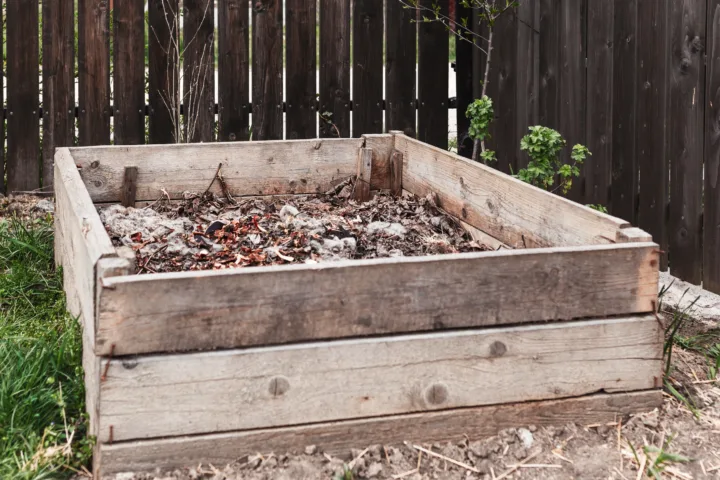
See, most people treat kitchen compost like a trash can with better branding. That mindset fails. Kitchen compost is just temporary storage. You collect scraps. You empty them into a real outdoor pile, a municipal drop-off, or an electric unit. The countertop piece is the easy middleman.
Once I got that through my head, everything changed. I stopped my scraps. I emptied every two or three days. I stopped adding the wrong stuff. The smell disappeared. The flies left. My plants got happy. I saved money on store-bought soil amendments. Win.
The Gear That Actually Survives Daily Kitchen Chaos
I tested cheap plastic buckets, fancy filtered pails, and even one electric gizmo. Not all kitchen compost setups are equal. Here’s what earned a permanent spot in my routine.
Countertop Bins That Don’t Betray You
I landed on a simple stainless-steel caddy with a tight lid and a charcoal filter. Capacity sits around 1.3 to 1.5 gallons. Perfect for two people who cook most nights.
Key features I refuse to live without:
- Hinged lid that opens with one hand or a dirty wrist while I’m chopping.
- Removable inner bucket so I can dump without wrestling the whole unit.
- Charcoal filter that actually works for three to four weeks before I swap it.
- Stainless steel body that doesn’t absorb odors like plastic does.
Plastic bins look cute until they stain and hold smells forever. Stainless cleans up with hot water and a scrub. I wipe mine every empty. Takes thirty seconds.
I also keep a backup freezer bag method for big cooking days. Scraps go in a reusable silicone bag. Straight into the freezer. No smell. No flies. Thaw and dump when I’m ready. FYI, this trick saved me during holiday meal prep.
Electric Options If You Have Zero Outdoor Space
I tried a countertop electric unit for six months when I lived in a tiny apartment. It ground and dried scraps into something that looked like coffee grounds. Volume dropped by 80 percent. Smell stayed locked in.
But let’s be real. Most of these machines don’t make true compost. They make dry, sterile bits you still need to age or mix into soil. My unit cost more than I want to admit. It used electricity. Filters needed replacing. IMO, only worth it if you have zero yard access and hate carrying bags to a drop-off.
If you go electric, pick one that at least uses microbes instead of pure heat and grind. The difference shows in the final dirt-like output.
What Belongs in Kitchen Compost (And What Ruins Everything)
I learned this the hard way. Wrong scraps turn your bin into a science fair disaster.
Greens I add freely:
- Fruit and vegetable peels, cores, scraps
- Coffee grounds and paper filters
- Tea bags (remove the staple)
- Eggshells (I crush them first)
- Fresh herb stems
Browns I balance with:
- Shredded newspaper or plain cardboard
- Dry leaves if I have them
- Paper towels that only wiped veggies
Hard no’s that I never touch:
- Meat, fish, bones
- Dairy
- Oils and greasy leftovers
- Cooked food with sauces
- Pet waste
- Diseased plants
Meat and dairy attract pests and create anaerobic slime. I made that mistake once. Never again. Stick to plant stuff and your kitchen compost stays manageable.
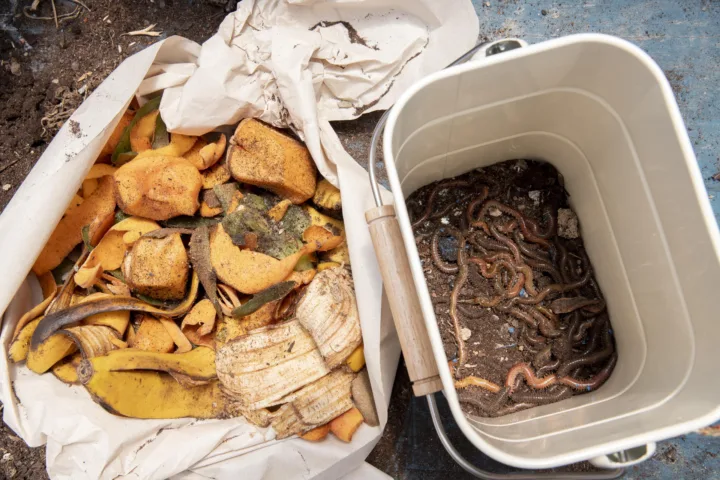
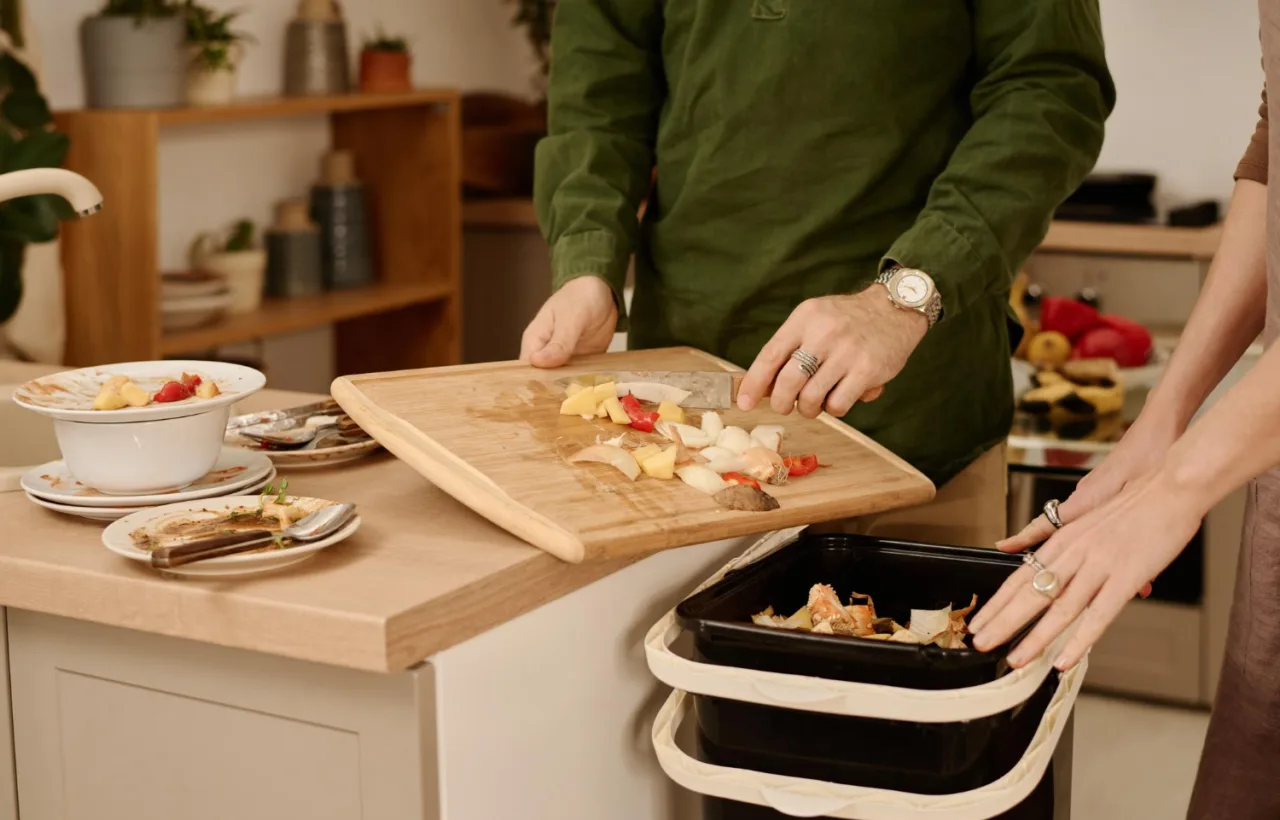
I keep a small cutting board scrap bowl next to my main prep area. Everything slides in during cooking. End of meal, the bowl empties into the main bin. One smooth motion. No extra dishes.
Even plant-based cooked food with oil or salt can attract pests and slow decomposition in your outdoor pile.
My Exact Daily and Weekly Kitchen Compost Routine
Consistency beats perfection. Here’s the rhythm that finally stuck.
Every cooking session I scrape peels and ends straight into the bin. Lid closes. Done. Takes five seconds.
Every two to three days I empty. Summer heat means every other day. Winter I stretch to four. I line the bin with a compostable bag or just go bare and rinse. I carry the full liner or bucket to my outdoor tumbler or the city drop-off spot two blocks away.
Once a week I wipe the bin with vinegar water. Filter gets checked. If it smells faint even when empty, I replace it.
I keep a small notebook for the first month. Noted what filled the bin fastest. Adjusted portion sizes. After that the habit locked in.
Emptying feels satisfying. Like clearing a tiny debt. My trash bag now lasts twice as long. Bonus.
Freeze small bags of kitchen scraps in your freezer to reduce emptying frequency and stop odors completely.
Common Kitchen Compost Mistakes I Made So You Don’t Have To
I collected a full set of fails. Learn from mine.
Mistake one: Waiting too long to empty. Scraps ferment. Smell explodes. Flies arrive. Empty early. Always.
Mistake two: Skipping the brown materials. All greens turn slimy. I now toss in a handful of shredded paper every couple of days. Balance restored.
Mistake three: Using a bin with a loose lid. Fruit flies found every gap. Tight seal or freezer method only.
Mistake four: Adding citrus peels in huge amounts. They slow the outdoor pile. I still add them but sparingly.
Mistake five: Expecting the countertop bin to “compost.” It doesn’t. It’s storage. The real magic happens outside or in a proper system.
Fix those and kitchen compost becomes boringly easy. Boring is the goal.
How Kitchen Compost Changed My Kitchen and My Plants
Six months in I noticed real shifts. Trash volume dropped. The bag stopped smelling like old fish by midweek. My balcony tomatoes doubled in size once I mixed the finished outdoor compost into their pots.
I also started seeing food differently. Wasted half an onion? That goes into the bin instead of guilt. Coffee grounds become plant food instead of landfill methane. Small daily wins add up.
Neighbors noticed my plants. Asked what I was doing. I showed them the bin. Two of them started their own kitchen compost setups the next week. Quiet ripple effect.
Frequently Asked Questions
Does kitchen compost attract pests even with a good bin? Not if you empty every few days and keep the lid sealed. I had zero fruit flies after switching to a tight stainless caddy and the freezer backup.
Can I do kitchen compost in a tiny apartment with no outdoor space? Yes. Use a countertop bin plus freezer bags, then drop at a community site or farmers market. Or go electric if budget allows. I did the drop-off route for a year with zero issues.
How often do I really need to empty a kitchen compost bin? Every two to three days in warm weather. Stretch to four or five in winter if your kitchen stays cool. Smell is your early warning system. Trust it.
What’s the cheapest way to start kitchen compost? A clean yogurt container or mixing bowl with a plate on top. Free. Works until you decide you want something prettier. I started exactly there.
Will kitchen compost make my whole kitchen smell? Only if you ignore it. A solid bin plus regular emptying keeps everything contained. My kitchen smells like coffee and garlic. Not compost.
The Simple Next Step That Makes All the Difference
I almost quit three times. The third time nearly stuck. Then I stopped chasing the perfect bin and just started collecting scraps in whatever I had. Messy first version beat no version.
Grab any container today. Start tossing peels in. Empty it before it complains. Adjust as you go. Kitchen compost rewards the people who just begin.
Your trash will thank you. Your plants will thank you. And you might even start looking at banana peels with weird affection. I do.