
I used to toss every banana peel and coffee ground straight into the trash. Then my garden soil turned into sad, lifeless dirt. I knew I needed better dirt. So I started learning how to make compost. Now I turn kitchen scraps and yard waste into rich, crumbly black gold that makes my tomatoes explode with flavor. You can do the same. This guide walks you through exactly what I do in my backyard. No fancy gadgets required. Just simple steps that actually work.
Honestly? I messed it up the first three times. The pile smelled like a eggs. Flies showed up. I almost quit. But once I nailed the basics, everything clicked. Messy first attempts beat no attempts. Every single time.
Why I Bother Making Compost (And Why You Should Too)
I garden because I want food that tastes real. Store-bought dirt and chemical fertilizers never delivered that. Compost does. It holds water better. It feeds the tiny soil critters that feed my plants. It cuts my trash bag count in half.
See, every time I add finished compost to a bed, the plants just look happier. Greener leaves. Stronger stems. Fewer pests. I save money on bags of soil amendment too. FYI, one good pile gives me enough for a whole season of raised beds.
The process feels like magic at first. You throw in junk. Nature turns it into treasure. But it is not magic. It is biology. Microbes eat the scraps. They need the right food, air, and water. Give them that and they work overtime for you.
The Only Four Things Your Compost Pile Actually Needs
I keep it dead simple. Four ingredients. That is it.
- Greens (nitrogen stuff): Fresh kitchen scraps, grass clippings, coffee grounds, fresh plant trimmings.
- Browns (carbon stuff): Dry leaves, shredded cardboard, paper, twigs, straw.
- Water: Enough so the pile feels like a wrung-out sponge.
- Air: Oxygen. The microbes need to breathe.
I aim for roughly two to three parts browns for every one part greens by volume. Not perfect science. Just close enough. Too many greens and it gets slimy and stinky. Too many browns and nothing happens.
Chop everything small if you can. Bigger pieces take forever. I run leaves through the mower. I tear cardboard into bits. Kitchen scraps get a rough chop with a knife. Surface area matters.
How to Make Compost: My Exact Backyard Setup
I started with a free pile. Then I upgraded to a simple bin. Both work. Pick what fits your space.
Pick Your Spot and Container
Choose a flat spot with decent drainage. Close enough to the kitchen that you actually use it. Near a hose helps. Partial shade is fine. Full sun works too.
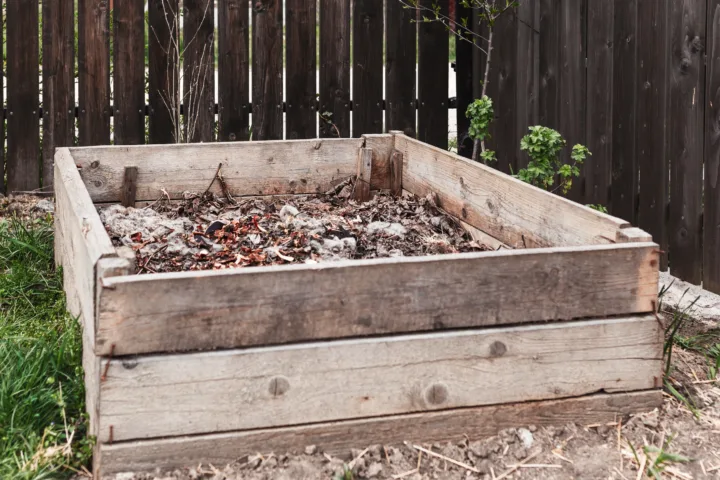
My first bin was four wooden pallets zip-tied into a square. Three feet by three feet by three feet minimum. That size holds heat. Smaller piles stay cold and slow. Wire fencing works great too. Or just a free-standing heap. Fancy tumblers cost money and I never loved them. They dry out too fast for me.
Place a base layer of twigs or wood chips right on the ground. Four to six inches. Airflow starts from the bottom.
Build the Pile Like Lasagna
I layer it.
- Start with a thick brown layer.
- Add a thinner green layer.
- Sprinkle a little finished compost or garden soil if you have it. That jumps the microbes.
- Lightly water.
- Repeat until the pile hits at least three feet high.
Cover every green addition with browns. That stops smells and pests. I keep a big stash of dry leaves next to the bin so I never run out.
Moisture check: Grab a handful. Squeeze. One or two drops should come out. Not dripping. Not dusty dry. Rain usually handles it, but I hose it down in dry spells.
Keep It Cooking
A good pile heats up in a few days. Center can hit 130 to 160 degrees Fahrenheit. That heat kills weed seeds and bad stuff. I stick a cheap compost thermometer in the middle. When it peaks and starts dropping, I turn the pile.
Turning mixes everything. Outside material goes to the middle. I use a pitchfork. Every one to two weeks is ideal if I want fast results. Less often still works. It just takes longer.
IMO, the thermometer is worth the ten bucks. Guessing temperature led me astray more than once.
What Goes In and What Stays Out
I keep two mental lists.
Yes, pile it in:
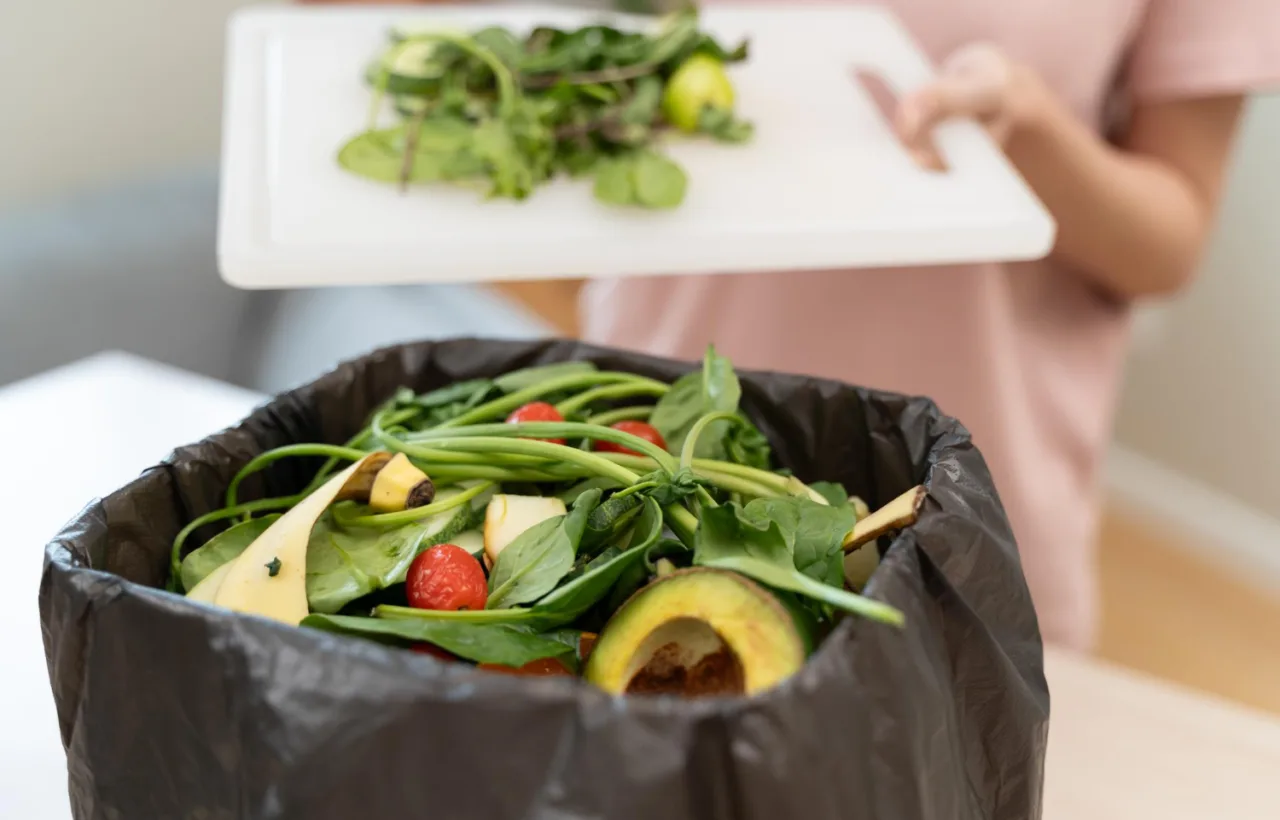
- Fruit and veggie scraps
- Coffee grounds and filters
- Tea bags (no staples)
- Crushed eggshells
- Grass clippings (thin layers)
- Dry leaves
- Shredded newspaper or cardboard (no glossy or colored ink)
- Twigs and small branches
- Untreated wood chips
- Herbivore manure (chicken, horse, rabbit)
Hard no:
- Meat, fish, bones
- Dairy
- Oils and grease
- Pet waste (dog or cat)
- Diseased plants
- Weeds with mature seeds
- Treated wood
- Glossy paper or stickers
I learned the meat lesson the hard way. Raccoons threw a party. Never again. Stick to plant stuff and you avoid most drama.
Hot Compost vs Cold Compost: Which One I Use
I do both depending on the season.
Hot composting is my go-to when I want finished material fast. Build a big pile all at once. Balance greens and browns carefully. Turn often. Water as needed. Usable compost in one to three months.
Cold composting is the lazy version. Just keep adding scraps and leaves over time. No turning schedule. No temperature stress. It finishes in six to twelve months. Perfect for busy stretches. I run a cold pile alongside my hot one.
Both give great results. Hot just feels more satisfying when you need black gold sooner.
Troubleshooting the Stuff That Used to Drive Me Nuts
Piles go wrong. Mine did. Here is how I fix the common ones.
It smells like rotten eggs or ammonia. Too wet or too many greens. Add dry browns. Turn it well. Give it air.
Nothing is happening. Too dry or too many browns. Add water and some greens. Turn it. Patience. Cold weather slows everything.
Pests show up. Cover food scraps completely with browns. Use a bin with a lid and no big gaps. Skip the meat and dairy forever.
It is slimy. Too much moisture or greens. Browns and turning fix it fast.
I check the pile once a week now. Five minutes. That habit prevents most problems.
How I Know the Compost Is Ready
Finished compost looks dark and crumbly. It smells like fresh forest soil. You cannot recognize the original scraps anymore. The pile no longer heats up after turning.
I let it cure another few weeks after it looks done. Then I screen it through a homemade sifter (hardware cloth on a frame). Big bits go back into the next pile. Fine stuff goes into the garden.
Yield shrinks a lot. A three-foot pile finishes at about one-third the size. That is normal. The microbes ate most of the bulk.
How I Actually Use the Finished Stuff
I mix it into planting holes. Top-dress beds in spring and fall. Make potting mix: equal parts compost, topsoil, and something light like perlite. Brew compost tea by steeping a shovel-full in a bucket of water for a day or two, then watering plants with the liquid.
My containers love a handful mixed into the soil. Seedlings get a light sprinkle. Lawns get a thin top dressing. Everywhere benefits.
Extra Tips That Made My Life Easier
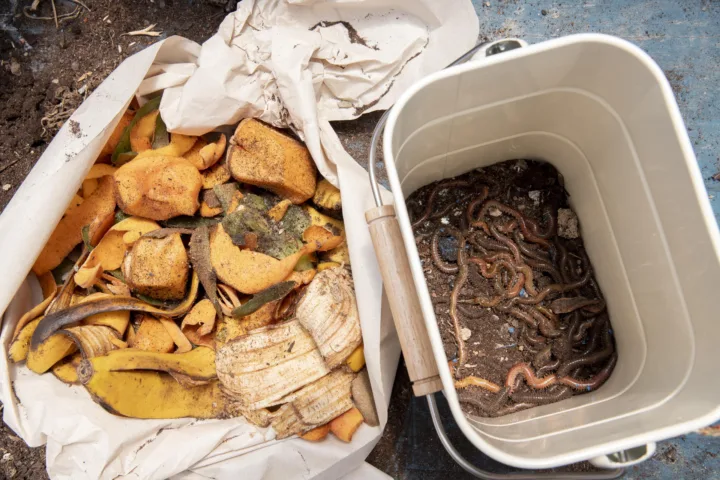
Keep a small countertop pail with a lid for kitchen scraps. Empty it every couple days. Freeze scraps if you cannot get outside often. That stops fruit flies.
Store browns in a dry corner or bag. Fall leaves are gold. Bag them when they drop.
Start small if space is tight. Even a single trash-can bin with holes drilled in the sides works for apartment balconies (as long as your landlord is cool with it).
Winter slows the process. I still add scraps. The pile wakes up hard in spring.
I once left a pile untouched for eight months. It still turned into decent compost. Nature is forgiving if you give it the basics.
Frequently Asked Questions
How long does it take to make compost? With hot composting and regular turning I get usable material in one to three months. Cold piles take six to twelve months. Chop materials small and keep the balance right and you speed things up.
Can I make compost if I live in an apartment? Yes. Use a small enclosed bin on a balcony or try vermicomposting with red wiggler worms indoors. Keep it balanced and covered and neighbors will never notice.
What is the best ratio for how to make compost? I stick to two or three parts browns to one part greens by volume. Close enough works. Perfect ratios are overrated. Consistency matters more.
Does compost attract rats? Only if you add meat, dairy, or leave food scraps exposed. Bury greens under browns and use a solid bin. My piles stay pest-free.
Can I compost citrus and onions? Yes in moderation. Big dumps of either can slow things or make the pile too acidic. Mix them in with plenty of browns and you are fine.
Final Thoughts From My Messy Backyard
I started learning how to make compost because my soil sucked. Now I cannot imagine gardening without it. The process taught me patience. It cut my waste. It made my plants stronger than any bagged fertilizer ever did.
You do not need perfect conditions. You do not need expensive gear. Start with what you have. A corner of the yard. A few pallets. Kitchen scraps and leaves. Build the pile. Keep it moist. Give it air. Turn it when you remember.
The first finished batch feels like winning. Dark. Earthy. Alive. Spread it around and watch what happens next season. Your garden will thank you. Your trash bags will thank you. And you will wonder why you waited so long.
Go start a pile this week. Messy is allowed. Just begin.