
I spent my first year of composting tossing stuff in and hoping for the best. Spoiler: it smelled bad and attracted every raccoon in the neighborhood. Now I keep a simple compost list taped inside my kitchen cabinet, and my piles turn into rich black gold every single season. This compost list covers the greens, the browns, the surprises that work, and the stuff I learned the hard way to leave out. If you want less trash and better soil without the guesswork, stick with me. I will walk you through exactly what I do.
Honestly? I almost gave up after that first stinky summer. See, I thought every food scrap was fair game. Wrong. Once I built a clear system, everything clicked. Messy piles stopped being a problem. Let’s break it down the way I wish someone had done for me.
Why I Rely on a Solid Compost List Every Single Day
A good compost list saves time and headaches. I used to stand over the bin debating every banana peel and coffee filter. Now I glance at my list and move on. The goal stays simple: balance nitrogen-rich greens with carbon-rich browns so the microbes stay happy and busy.
I keep my ratio around roughly two to three parts browns for every one part greens. That balance keeps the pile from turning into a slimy mess. Water and air matter too, but the materials form the foundation. FYI, I check moisture by grabbing a handful. It should feel like a wrung-out sponge. Too dry? I add a splash of water. Too wet? More browns.
My personal rule: if it grew and it is not diseased or treated with chemicals, it probably belongs. But I still double-check against my list because some things cause more trouble than they are worth.
The Greens Side of My Compost List: Nitrogen Powerhouses
Greens give the pile its heat and energy. I collect them in a small countertop bin that I empty every couple of days. Here is what always goes in from my kitchen and yard.
Keep a small bag of shredded paper in your countertop bin to absorb moisture and reduce odors between empties.
Kitchen Greens I Never Skip
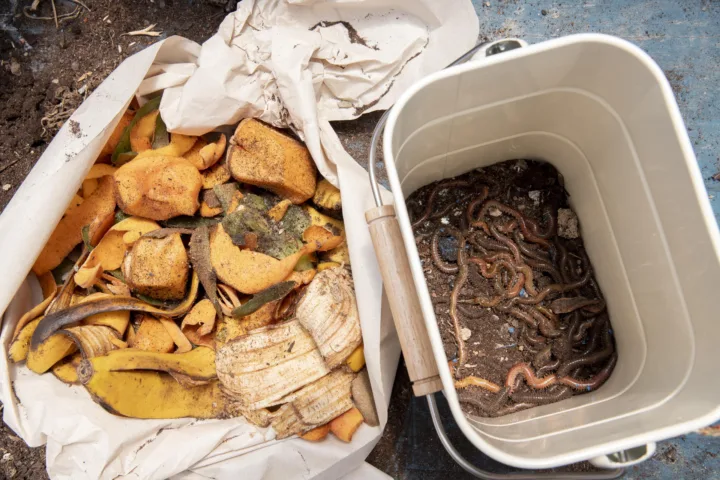
- Fruit and vegetable scraps: peels, cores, rinds, ends. I chop bigger pieces so they break down faster.
- Coffee grounds and paper filters: every morning dump. The grounds pack nitrogen and the filters count as a light brown.
- Tea bags and loose tea: I remove any staples first. Paper bags only.
- Eggshells: I rinse and crush them. They add calcium and take forever otherwise.
- Grass clippings: fresh ones from mowing. I mix them right away so they do not mat into a slimy layer.
I also toss in leftover plain cooked rice or pasta in small amounts. No heavy sauces. Stale bread and cereal crumbs join the party too. Moldy produce? Straight in. The microbes love that stuff.
One time I filled half the bin with watermelon rinds after a big picnic. The pile heated up beautifully. Just remember to bury those wet greens under browns so pests stay away.
Yard and Garden Greens
Fresh plant trimmings, spent flowers (no seeds if I can help it), and houseplant clippings make the cut. I avoid anything that looks diseased. Better safe than sorry.
The Browns Side of My Compost List: Carbon Builders
Browns keep the pile airy and prevent odors. I stockpile them in a dry corner of the garage. Dry leaves are my absolute favorite. In fall I rake bags full and store them for the whole year.
Everyday Browns I Use Constantly
- Dry leaves: oak, maple, whatever falls. I shred some with the mower for faster breakdown.
- Shredded cardboard and paper bags: no glossy stuff, no tape, no shiny ink. I tear pizza boxes into strips after scraping off cheese.
- Newspaper and plain office paper: shredded. Black ink only.
- Twigs, small branches, and untreated wood chips: I break them into short pieces.
- Paper towels and napkins: used ones that only touched food or water. No cleaning chemicals.
- Sawdust from untreated wood: a little goes a long way.
I also add toilet paper rolls, paper egg cartons, and pencil shavings. Hair from my brush and pet fur from herbivores (rabbits, horses) count as browns too. Nail clippings? Yes. Dryer lint from natural fabrics only.
See, browns feel boring at first. Then you realize they make the whole system work. Without them the greens just rot and stink. I layer like lasagna: browns on the bottom, then greens, then more browns on top. Always cover fresh food scraps.
Surprising Items That Made My Compost List After Trial and Error
I used to play it safe. Then I started testing. Here are keepers that shocked me.
Natural wine corks: real cork, not plastic. They break down slowly but add nice texture. Nut shells: most of them. Black walnut is the exception. Toxic to plants. Seaweed and kelp: if I visit the beach I rinse the salt off and toss it in. Great minerals. Fireplace ashes: tiny amounts from plain wood fires. Too much raises pH. Cotton balls, cotton swabs with cardboard sticks, and 100 percent cotton rags: cut up first. Old spices that lost their punch: straight into the bin. Jack-o-lanterns and gourds after Halloween: chopped.
I once composted an entire natural fiber stuffed animal after removing the plastic eyes. Worked fine. Just cut it small. IMO, if it is plant-based or animal fiber without chemicals, give it a shot in small doses.
Old spices can attract ants if not buried in the pile. Mix them well into the center to deter pests.
What Never Makes My Compost List: The Hard No Items
I learned these the smelly way. Backyard piles do not get hot enough to handle everything commercial facilities can.
- Meat, fish, bones, and seafood shells: they attract raccoons, rats, and flies. The smell alone will haunt you.
- Dairy products: milk, cheese, yogurt, butter. Same pest and odor problems.
- Oils, fats, and greasy leftovers: they coat everything and slow microbes down.
- Pet waste from dogs and cats: possible pathogens. Herbivore manure is fine.
- Diseased plants or weeds with mature seeds: I do not want those spreading.
- Treated wood, painted wood, or glossy paper: chemicals do not belong in my soil.
- Produce stickers and plastic of any kind: pick them off. Always.
- Coal or charcoal ash: different chemistry. Skip it.
I still check my local service rules if I drop off extra scraps. Some places take meat and dairy. My backyard bin does not. That distinction matters.
Backyard piles rarely reach the 140°F needed to kill pathogens in meat. That's why meat is a hard no for home composting.
How I Build and Maintain a Pile Using This Compost List
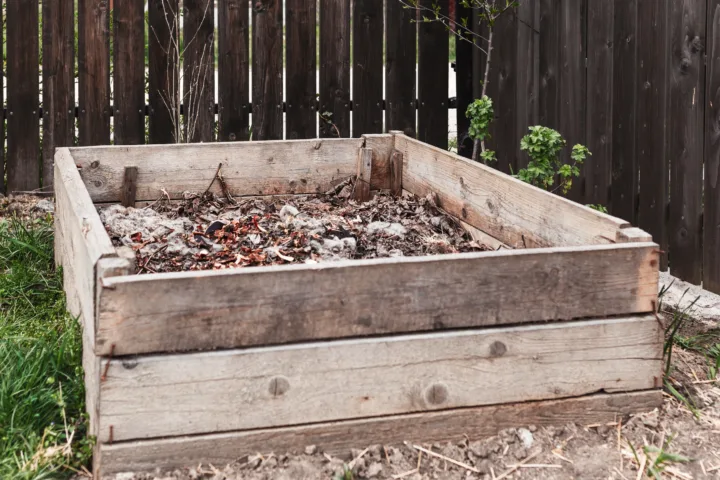
I start with a four-to-six-inch layer of chunky browns for drainage and air. Then I alternate greens and browns. I turn the pile every week or two with a garden fork. Heat builds in the center. When it cools and looks dark and crumbly, I let it cure for a month.
Chop big items. Cover food scraps. Keep the pile moist but not soggy. That is the whole routine. My first finished batch went on tomato plants. They doubled in size compared to the control bed. I was elated.
If the pile smells rotten I add browns and turn it. If nothing is happening I add greens and moisture. Simple fixes.
Real-Life Lessons From My Own Composting Failures and Wins
Year one: too many greens. Slimy disaster. Year two: I overdid dry leaves and the pile sat cold for months. Now I keep a running mental inventory. Kitchen scraps go in a lidded bin. Yard waste gets sorted on the spot.
I compost year-round. Winter slows things down, so I stockpile browns and add greens in smaller batches. Spring brings the payoff. Fresh compost feels like velvet. I sift out any stubborn eggshells or twigs and toss them back into the next pile.
One funny win: my kids started competing to fill the countertop bin. Less food waste overall. Who knew composting could turn into a family game?
Frequently Asked Questions
Can I compost citrus peels and onion scraps? Yes, in moderation. They are acidic and strong-smelling, so I chop them small and bury them deep under browns. Too many can slow the pile or bother worms if you vermicompost.
What about cooked foods with a little sauce? Small amounts of plain leftovers are fine on my compost list. Heavy oils or creamy sauces stay out. I scrape plates first.
Do I need a fancy bin or can I just pile it on the ground? I started with an open pile and switched to a simple wire bin for better airflow and pest control. Either works if you follow the compost list and turn regularly.
How long until I get usable compost? With good balance and turning I see finished material in three to five months. Untended piles take closer to a year. Patience pays off.
Is it okay to compost weeds? Only if they have not gone to seed and show no disease. I hot-compost aggressive ones carefully or leave them out.
Final Thoughts From My Backyard
I keep my compost list short enough to remember and complete enough to cover almost everything that leaves my kitchen and yard. Greens for energy. Browns for structure. A few surprises for fun. Hard nos for sanity. That balance turned a frustrating chore into one of my favorite habits.
Grab a scrap of paper and start your own version today. Tape it where you will see it. Toss the next banana peel with confidence. Your soil will thank you, your trash can will feel lighter, and you might even brag a little when the tomatoes explode next summer. I still do. Now go make some dirt.