
I have enough verified guidance to draft the article now. The next pass is the finished piece only.
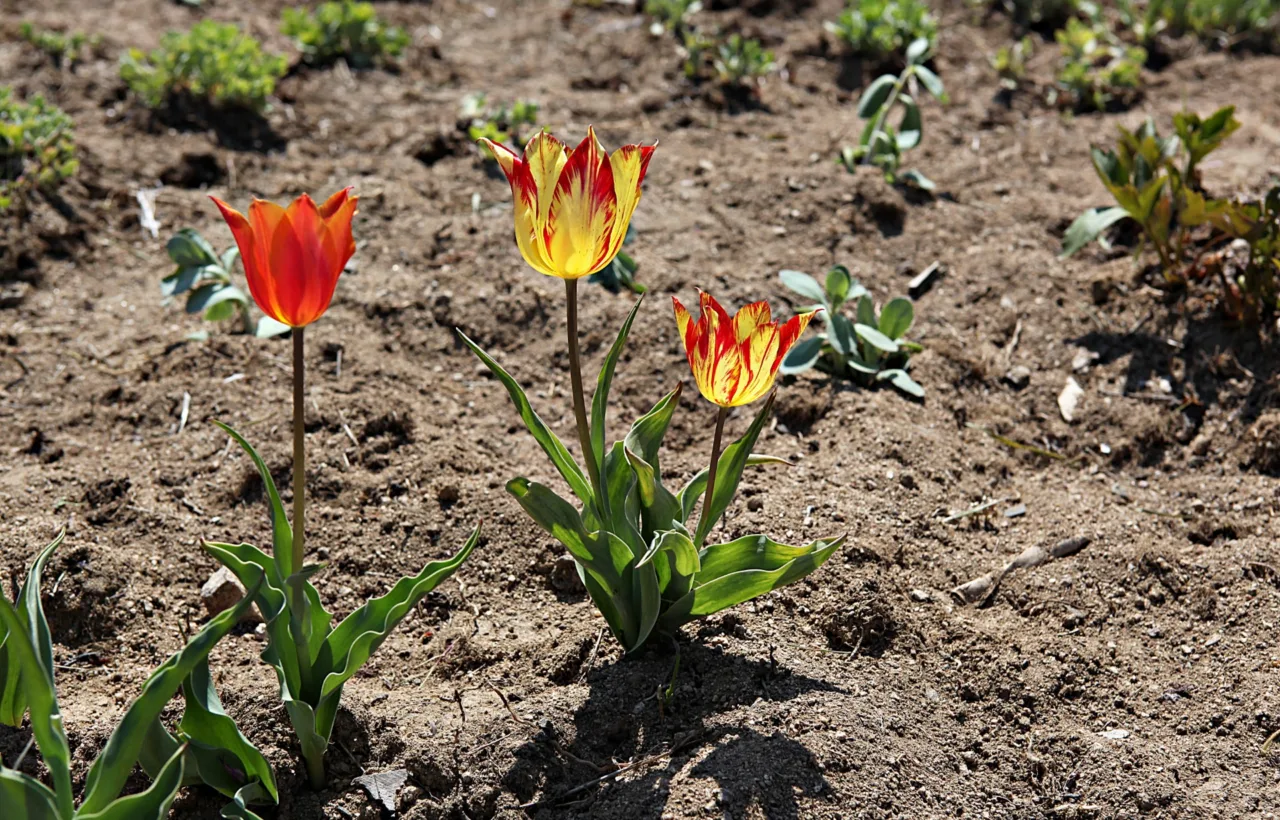
The tulip planting ideas that actually look lush start with groups, not lonely dots. Plant firm bulbs in fall once the soil has cooled, set them 6 to 8 inches deep with the point up, and cluster at least 7 to 10 of one color so the display reads from the sidewalk. That simple combination is what turns a bag of bulbs into a spring scene worth pinning.
Most disappointment comes from planting too few, too shallow, or too early. The rest of this guide walks through layouts that work in beds, along paths, and in pots, plus the timing and variety choices that keep those layouts from fading after year one.
Match the Idea to Your Space Before You Buy Bulbs
Start with the view, not the catalog photo. A front walk needs a tight ribbon of color. A mixed border needs smaller clumps tucked between plants that will hide dying leaves. A patio needs one or two packed pots, not a thin ring of stems around the rim.
Decide now whether you want a one-season spectacle or a planting that can return. Big hybrid tulips give the classic cup on a tall stem, then often dwindle. Species tulips and some early groups stay shorter and keep coming back in well-drained soil. That choice changes how densely you plant and whether you leave room for summer annuals after bloom.
Sun still matters. Tulips want a bright spot in spring. Under deciduous trees works because the canopy is bare when they flower. Heavy, wet clay does not. If water sits after rain, use a raised bed or a pot, or skip the in-ground plan.
Plant Tulips at the Right Time, Depth, and Spacing
Buy bulbs in late summer while the plump ones are still available. Store them cool and dry, then wait to plant. Warm soil is the enemy here, not a late calendar date.
When soil is ready, not when the calendar says so
Plant after soil at bulb depth stays cool, generally under 60°F, and before the ground freezes hard. In cold zones that often means September to early October. In milder zones it slides into November or even December. The Royal Horticultural Society plants dry tulip bulbs in autumn while they are dormant, and many UK gardeners wait until November on purpose.
That delay is not fussiness. Cooler soil lowers the risk of tulip fire, a Botrytis disease that scorches leaves and twists growth. Daffodils can go in earlier. Tulips do better once nights have turned reliably chilly.
Warm-winter gardeners in roughly USDA Zone 8 and warmer need a different sequence. Most hybrids want about 12 to 16 weeks of cold near 35 to 45°F. If winter will not supply that, pre-chill bulbs in a ventilated paper bag in the refrigerator, away from ripening fruit, then plant into cool soil in late December or January. Colorblends publishes zone-by-zone pre-chill intervals for the South and Southwest if you want a starting number rather than a guess.
Depth and spacing that change the look
A standard hybrid bulb is about 2 inches tall. Plant it so the base sits 6 to 8 inches below the surface. Deeper planting, closer to 8 inches in free-draining soil, keeps the bulb cooler in summer, reduces splitting into tiny offsets, and puts it below the zone squirrels usually bother with.
Space bulbs 4 to 6 inches apart in the ground for a full but healthy stand. In pots you can pack them almost shoulder to shoulder as long as they do not touch. Isolated singles look accidental. Groups of odd numbers look planted on purpose.
Water once after planting if the soil is dry. Then leave them. Fall rain usually finishes the job.
Tulip Planting Ideas for Borders, Walkways, and Rock Gardens
Think in scenes, then buy enough bulbs to finish each scene.
A walkway ribbon works when you pick one or two colors and repeat them. Soft apricot or pale pink reads elegant beside brick. Dark purple against chartreuse wallflowers reads graphic. Keep the strip at least 12 inches wide so it does not vanish against the paving.
In a mixed border, dig dinner-plate holes between emerging perennials and drop 5 to 7 bulbs in each hole. Those little bouquets pop in April, then hostas, daylilies, or catmint cover the yellowing leaves. Planting tulips in one straight row along the front edge looks stiff and leaves nowhere for later plants to hide the mess.
Rock gardens and gravel paths suit species tulips. Tulipa clusiana (lady tulip), T. tarda, T. greigii, and Kaufmanniana types stay low, open in sun, and look right among stones. Scatter them in informal drifts rather than grids. They need sharp drainage more than rich soil.
Underplant taller hybrids with a living carpet. Forget-me-nots, pansies, primroses, and wallflowers fill the bare ankles of tulip stems and keep the bed from looking like a vase sitting on dirt. Grape hyacinths add a blue layer that photographs well from above, which is how most Pins get viewed.
For a longer season in the same bed, mix bloom times: an early Kaufmanniana or Emperor, a midseason Triumph, and a late Single Late or viridiflora. Plant those at the same depth if they are the same size so they come up evenly.
Container Ideas That Photograph Well on a Small Patio
Pots are the friendliest tulip planting ideas for renters, tiny yards, and anyone who wants the flowers next to the door. Use a container at least 12 inches deep with open drainage holes. Mix peat-free multipurpose compost with grit so winter rain cannot sit around the bulbs.
An 18-inch pot can hold a dozen bulbs easily and closer to 20 if you want a packed head. Pointy ends up, a finger’s width between bulbs, and about an inch of mix below the rim for watering.
Set finished pots where they get spring sun. In squirrel country, cover the surface with chicken wire or a taut mesh until shoots push through. A gravel mulch helps too and looks finished in photos.
How to stack a bulb lasagna
Layering stretches one pot across more of spring. Late tulips go deepest, midseason bulbs in the middle, early miniatures on top.
- Add drainage material and a few inches of gritty compost.
- Set late tulips 6 to 8 inches below the rim, cover with 2 inches of mix.
- Add midseason hyacinths or compact daffodils, offset from the layer below.
- Finish with crocus, muscari, or miniature iris an inch or two under the surface, water once, and protect the top.
Do not pile on extra compost between layers. The lower shoots need a short trip to the light. After the early layer finishes, snip those stems at the soil line and let the next wave take over.
Choose Varieties That Match How Long You Want Them
Treat most large-flowered hybrids as a glorious annual unless you are willing to plant deep, keep summers dry, and leave the foliage alone until it yellows. That is not a failure. It is how those bulbs were bred.
If you want less replanting, shift the shopping list. Species tulips, Greigii, Kaufmanniana, Fosteriana (Emperor), and many Darwin hybrids return more reliably in zones with a real winter and soil that drains. Lily-flowered and viridiflora types also have a reputation among gardeners for holding on better than ruffled parrots.
| Type | Look and height | Return habit | Best use |
|---|---|---|---|
| Species / botanical | Slim or starry flowers, often 4–12 in | Often multiplies in grit and sun | Rock gardens, slopes, gravel |
| Kaufmanniana / Greigii | Early bloom, many with marked leaves | Frequently returns | Front of borders, shallow pots |
| Darwin hybrid | Large cups on 18–24 in stems | Can last several years if planted deep | Massed beds, cutting rows |
| Triumph / Single Late | Classic mid to late cups | Strong first year, then variable | Formal beds, walkway ribbons |
| Parrot / Double | Frilled or packed petals | Plan on one season | Feature pots in a sheltered spot |
Leave foliage in place for about six weeks after flowering so the bulb can recharge. Deadhead the spent bloom so energy does not go into seed. If you need that ground for summer vegetables, lift the bulbs when leaves yellow, dry them, and replant the firmest ones in fall. Many gardeners skip that chore and buy fresh stock. Both approaches are honest.
Stop Squirrels, Deer, and Rot Before They Ruin Spring
Wildlife and wet soil wreck more tulip dreams than “wrong color” ever will.
Squirrels and chipmunks dig. Look for holes and chewed tunics in fall. Deer tear buds and flowers in spring. Rabbits leave a clean 45-degree clip close to the ground. Diagnose the culprit before you buy another spray.
Physical barriers beat folklore. Lay hardware cloth or chicken wire over newly planted ground and pin it down so shoots can grow through. Cover pots the same way. Plant 8 inches deep where drainage allows. Interplant with daffodils, which rodents usually refuse. In deer country, a cage from spear to petal drop, or moving the show to a porch pot, beats hoping a catalog tag means “deer ignore these.”
Rot is quieter and just as final. Skip soggy sites. Plant later rather than into warm, humid soil. Discard soft or badly molded bulbs. If tulip fire shows up as scorched, twisted leaves and fuzzy gray mold, remove the plant, do not compost it, and rest that patch from tulips for several years.
A few planting mistakes show up every spring:
- Six bulbs dotted across a wide bed, which reads as weeds with good posture
- Planting in September heat, then watching shoots freeze or disease take hold
- Cutting leaves the week after bloom, which starves next year’s flower
- Using garden soil in pots, which stays wet and rots the basal plate
Frequently Asked Questions
Can I plant tulip bulbs in spring?
Ordinary dry bulbs planted in spring usually make leaves and skip a proper flower because they missed the long winter chill. The exception is a pre-chilled bulb that already had 10 to 16 weeks of cold. Even then, plant as soon as the soil is workable. For a reliable show, fall remains the standard window.
How many tulips should I plant together?
Plant at least 7 to 10 of one variety in a clump, and closer to 10 to 12 per square foot if you want a dense entryway. A 12-inch pot needs a dozen bulbs to look finished. Sparse planting is the fastest way to make expensive bulbs look accidental.
Do tulips come back every year?
Some do. Species tulips and several early groups can naturalize in sun and sharp drainage. Most big hybrid tulips put on their strongest show the first spring, then split and fade. If return blooms matter, plant deeper, let the foliage ripen, and choose types known to persist.
How do I keep squirrels from digging up tulip bulbs?
Cover the bed or pot with wire mesh at planting time, plant on the deep side of the range, and mix in daffodils. Disturbed soil and the scent of fresh bulbs attract diggers, so protection belongs in the same afternoon as planting, not after the first hole appears.
Which tulip planting ideas work in a warm climate?
Use pots or the coolest, best-drained bed you have, pre-chill hybrids, and plant in midwinter once soil has cooled. Some species, including Tulipa clusiana and T. saxatilis, handle milder winters better than tall bedding hybrids. Treat the big cups as a planned annual if your winter stays soft.
Pick One Planting Plan and Order the Bulbs
Choose a single scene you can finish. A packed pot by the door. A 10-foot walkway ribbon in two colors. Three bouquet holes in an existing border. Count the square footage, buy enough bulbs to fill it, and wait until the soil feels cold in your hand.
Spring color is not mysterious. It is last fall’s decision, planted deep enough that the squirrels lose interest and dense enough that your future self smiles at the photo.