
A planting pot idea only works if the container can drain, hold enough soil, and match the plant’s thirst. Pretty shapes help, but they do not rescue soggy roots or a tomato jammed into a six-inch cup. The useful planting pots ideas start with three checks: a real drainage hole, a size that fits the mature plant, and a material that either holds water or lets it go. After that, you can group pots, paint them, or pack a single wide bowl with herbs. Get the container right first, and the styling part becomes the easy, satisfying bit.
Match the Pot to the Plant Before You Shop
Skip the “cute first” habit. Decide what the pot has to do, then hunt for a vessel that can do it.
Ask four questions in order. What lives in it (herbs, salad greens, a tomato, flowers, a houseplant)? How much sun does the spot actually get? How often will you water on a hot week? Will the pot stay outside through frost?
Size is not a vibe. University of Maryland Extension recommends about a half-gallon for leaf lettuce, 2 to 5 gallons for many herbs, 5 gallons for peppers and a standard tomato, and 10 gallons for summer squash. Cherry tomatoes can work in 2 gallons if the variety is compact, but they still want depth and sun. A shallow window box can look lush with lettuce and thyme. It will starve a full-size tomato.
Drainage is non-negotiable for almost every plant people actually want. Illinois Extension is blunt about it: roots need air, and wet soil favors rot they rarely recover from. If the pot has no hole, drill one, or treat the pretty vessel as a cover (a cachepot) and keep the plant in a nursery pot you can lift out to water.
One more quiet rule from NC State Extension: skip garden soil. It packs tight in a pot, stays heavy, and can bring pests along. Use a potting mix made for containers. Leave about an inch of space at the rim so water does not sheet off the sides.
Pot Materials Compared for Everyday Use
Material changes how often you water, how hot the roots get, and whether the pot survives winter. Use this as a shopping filter, not a style quiz.
| Material | How it handles water | Strong use | Main limitation |
|---|---|---|---|
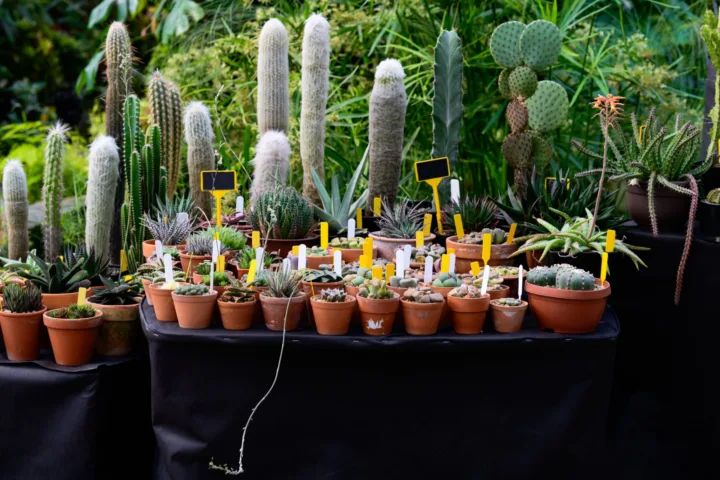
| Unglazed terracotta | Dries quickly through the walls | Mediterranean herbs, succulents, plants that hate wet feet | Cracks in freeze-thaw weather; needs more watering in heat |
| Plastic or resin | Holds moisture longer | Flowers, vegetables, forgetful waterers | Dark colors can overheat roots in full sun |
| Fabric grow bag | Dries fastest; roots get more air | Tomatoes, peppers, potatoes, plants you move seasonally | Looks utilitarian; needs frequent water in summer |
| Glazed ceramic | Holds moisture; decorative | Indoor plants or a cachepot over a grow pot | Heavy; many “pretty” versions have fake or clogged holes |
| Untreated wood (cedar, similar) | Moderate; insulates roots | Large mixed planters and patio boxes | Can rot if it stays soaked; avoid old treated lumber for food |
University of California garden notes make the same point in plainer language: lightweight plastic tips in wind, terracotta dries fast, fabric bags store flat, and wood is a better winter choice than clay in freeze-prone spots.
If you live where pots sit on hot concrete, light-colored plastic, wood, or terracotta usually treats roots more kindly than a black metal tub. If you live where winter cracks clay, either buy frost-rated containers or empty terracotta and store it dry.
Planting Pots Ideas for Porches, Patios, and Tight Corners
You do not need a matching set of twenty pots. You need a few that earn their square footage.
A kitchen-door herb cluster
Three pots beat one crowded bowl when the plants want different water. Put basil in a 2- to 3-gallon plastic pot so it stays evenly moist. Give rosemary and thyme their own terracotta pots so the soil can dry between drinks. Set all three where you actually cook, not across the yard “for the look.”
Small-stature herbs such as basil, cilantro, thyme, mint, and oregano generally fit 2- to 5-gallon containers, while rosemary, sage, lavender, and parsley want more room. Keep mint in its own pot. It will take over a mixed planter and then look innocent about it.
One large pot that actually feeds you
If you want food from a single container, go bigger than your first instinct. A 5-gallon pot with one determinate or patio tomato, a cage, and basil tucked at the rim is a classic that works because the tomato gets the soil volume. Underplanting does not replace gallons.
Peppers also want about 5 gallons. Leaf lettuce, arugula, and radishes can share a wide, shallow pot at least 6 to 8 inches deep. Cut-and-come-again greens are the closest thing container gardening has to instant gratification, and they tolerate part sun better than fruiting crops.
Fabric grow bags shine here if looks matter less than harvest. They fold after frost, and the sides let roots “air prune” instead of circling. Pair them with a nicer cachepot only if you can still water the bag freely.
A shade pot built on leaves, not flowers
Shady stoops kill a lot of sun-hungry Pin ideas. Switch the brief. Use one 12-inch-wide pot and build it from foliage: a caladium or upright fern as the tall piece, a heuchera or coleus in the middle, and a trailing ivy or creeping Jenny over the edge. Shade pots look expensive when the leaves contrast. They look tired when you force petunias into four hours of light and hope.
Group odd numbers of pots, and vary height. An upside-down spare pot under a smaller one is a cheap riser. That stacked look is not just Pinterest fluff. It keeps foliage from hiding behind a single squat bowl.
How to Plant a Container So It Looks Full
The thriller-filler-spiller recipe exists because it solves a visual problem. A tall plant (thriller) gives a spine. Mounding plants (fillers) hide bare soil. Trailers (spillers) soften the rim. Use it when the pot will be seen from one side or all sides, then adjust placement: thriller in the back for a stoop, in the center for a table you walk around.
Do not treat the recipe as permission to cram six plants into a pot that only holds three root systems. Full on day one often means yellow by week six.
Plant it in this order:
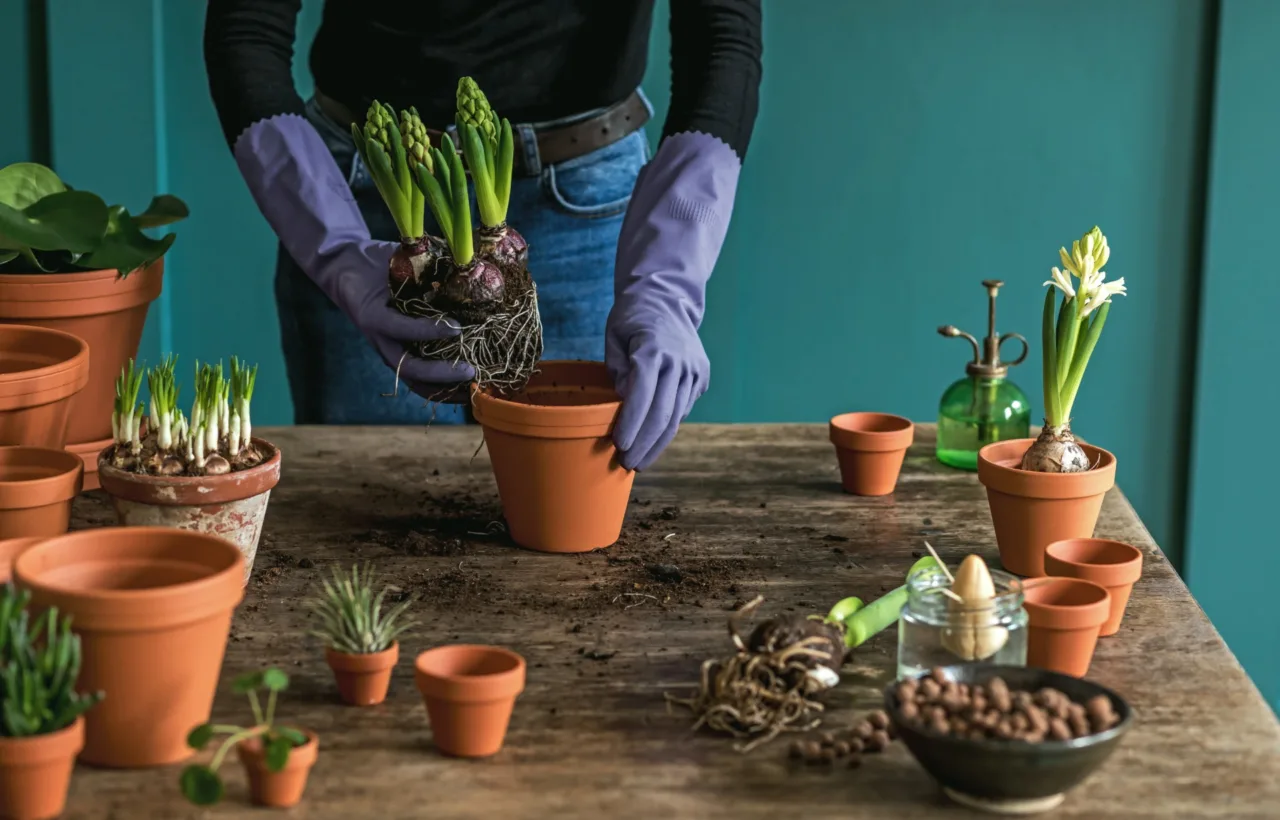
- Confirm holes, then raise the pot on feet, bricks, or slats so water can leave. A pot sitting flat on a deck can seal its own drain.
- Fill with pre-moistened potting mix. Do not tamp it into concrete.
- Set the thriller first, then fillers, then spillers near the rim. Keep the original soil line of each plant even with the new mix.
- Water until it runs out the bottom. Empty the saucer so the pot is not sitting in a puddle.
Same-sun, same-water plants belong together. Lavender and a fern will look charming for a weekend and then fight. If you fall for a mixed recipe at the nursery, check tags before you pay.
A single-species pot is still a strong idea. One color of geranium, a bowl of pansies, or a terracotta of lavender reads calmer than a mixed pot that is trying too hard. Great Dixter-style grouping (many pots, one plant each) also makes watering honest, because each pot can dry on its own schedule.
Mistakes That Ruin Otherwise Good Planting Pots
These are the quiet ones. They show up after the photo.
- Gravel in the bottom does not improve drainage. Water sits in the soil above the stones until that layer is saturated. Illinois and Maryland Extension both warn that this “perched” water can keep roots wetter, not drier.
- A decorative pot with a glued-on saucer may look like it drains and still trap water. Test before you plant. Run a hose into the empty pot.
- Dark pots in full sun cook roots. NC State notes that dark containers heat up outdoors and can burn fragile roots.
- Tiny pots dry out by noon, then you overwater at night. If you cannot water daily in July, buy fewer, larger containers.
- Reusing last year’s potting mix without refreshing it leaves you with compacted, salt-heavy stuff. At least blend in a generous share of fresh mix, and start the season with clean containers.
If you only remember one fix: lift the pot. Free-flowing water from the hole is the whole game.
Frequently Asked Questions
Do planting pots ideas work if the pot has no drainage hole?
Only if you treat that pot as a cover. Keep the plant in a nursery pot with holes, water it in a sink, let it finish dripping, then drop it back in. Planting directly into a sealed pot turns every watering into a guess. Aquatic plants are the exception, and most porch plants are not aquatic.
How big should a pot be for tomatoes and herbs?
Plan on about 5 gallons for a standard tomato and 2 gallons as a bare minimum for a compact cherry type. Many everyday herbs are fine in 2 to 5 gallons. Rosemary and lavender want the larger end. When in doubt, size up. Extra soil volume buffers heat and missed waterings better than a smaller pot ever will.
Can I use garden soil in planting pots?
You can, and it usually disappoints. Garden soil is dense, drains poorly in a closed container, and may carry weeds or disease. A bagged potting mix is built to stay lighter and keep air around roots. That is the job.
What can I plant in pots on a shady balcony?
Choose foliage first: ferns, caladiums, coleus, heuchera, and trailing ivy. Impatiens and some begonias can add bloom if the light is bright shade, not a cave. Skip tomatoes, most herbs that want Mediterranean sun, and anything tagged “full sun” unless you have six or more honest hours.
Should I bring terracotta pots inside for winter?
If your winters freeze and thaw, yes, or at least empty them and keep them dry. Water in the clay expands when it freezes and splits the pot. Frost-rated composites, wood, and many plastics handle that cycle with less drama.
How do I keep a mixed pot from looking sparse?
Start with a pot at least 12 inches wide for a mixed planting, use the thriller-filler-spiller layout, and choose plants that will bulk up in weeks, not years. Then feed and water on a schedule. A hungry, dry pot never fills in, no matter how clever the plant list sounded.
Choose the Next Pot Like You Mean It
Pick one job for the next container: herbs by the door, salad greens on the rail, or a single showy pot for the steps. Match the material to that job, give the plant the gallons it needs, and keep the drain hole honest.
The Pin you saved was selling a feeling. The pot that lasts is the one that can get wet, dry out, and still look good after a messy Tuesday watering. Start there, and the rest of the display has somewhere real to grow.