
I spent years staring at a bare concrete slab outside my apartment door and feeling slightly defeated about it. That empty balcony taunted me every morning. I wanted greenery, a bit of calm, and something that looked intentional rather than cluttered. So I started building my own modern balcony garden one container at a time, and it changed how I use that tiny outdoor square.
My goal was never a full backyard replacement. I just needed a clean, stylish setup that fit the space, survived the wind, and made me happy to step outside. What follows is exactly how I did it, the mistakes I made, and the choices that stuck.
Assessing the Real Limits of Your Balcony
Most people skip this part. I did at first. Big mistake.
I measured the floor space, checked the railing height, and spent a full week tracking sunlight. My balcony faces east. It gets solid morning light and then dappled shade after lunch. That single detail decided half the plants I could grow.
Weight matters more than you think. Wet soil in large pots adds up fast. I checked my building rules first. Some places limit what you can hang or how heavy the containers can be. FYI, a quick email to the management office saved me from buying the wrong planters.
Wind is the silent killer on upper floors. It dries soil faster and knocks over tall pots. I learned that the hard way when a favorite fern took a tumble. Now I keep heavier bases near the walls and use lower containers for anything top-heavy.
Sunlight, wind, weight, and water access. Those four factors set the boundaries. Once I respected them, everything else got easier.
Use saucers or sealed drip trays under every pot to prevent runoff staining, neighbor complaints, and moisture damage to balcony surfaces.
Tracking Light the Simple Way
I used my phone compass and a notebook. No fancy apps needed. I noted hours of direct sun each day for a week. Morning light means different plants than afternoon blaze. Shade-tolerant options thrive where sun-lovers would crisp up.
Choosing Plants That Fit a Modern Look
I wanted a modern balcony garden that felt calm and current, not like a jungle explosion. Clean lines. Mix of textures. Some edible stuff mixed with foliage.
I stuck to plants that stay relatively compact and look good in simple pots. Here’s what worked for me:
- Herbs like basil, thyme, and rosemary. They stay useful and look structured. I keep mint in its own pot because it takes over otherwise.
- Succulents and small cacti. They handle neglect better than I expected and add that sharp, geometric vibe.
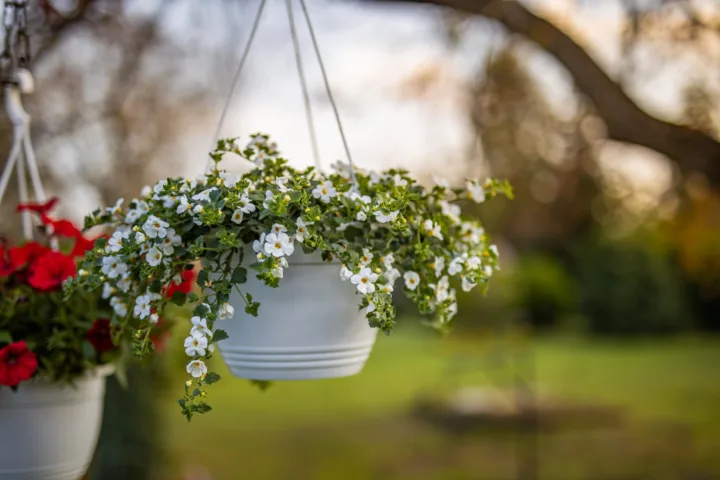
- Trailing plants such as string of pearls or ivy. They soften hard edges without making the space feel messy.
- Compact vegetables. Cherry tomatoes in a cage and a couple of leafy greens. Nothing that needs six feet of sprawl.
- One or two statement plants. A dwarf olive or a small citrus in a larger pot gives height without bulk.
I tried full-size tomatoes once. They flopped over and blocked the door. Never again. Stick to determinate or patio varieties if you grow food.
Color stays limited in my setup. Mostly greens with touches of silver foliage and the occasional white flower. It keeps the modern feel instead of turning into a carnival.
Keep rosemary, succulents, and cacti away from basil and leafy greens, since their watering needs differ sharply in compact containers.
Containers and Layout That Actually Look Intentional
This is where the modern part really shows. Matching pots make a huge difference. I went with matte black and concrete-finish containers in two sizes. They look current and hide dirt better than bright colors.
Lightweight options win on balconies. Plastic, fiberglass, and fabric grow bags weigh far less than ceramic once you water them. I use a few heavier pots only for anchors against wind.
Drainage is non-negotiable. Every pot needs holes. I add a layer of gravel or broken pottery at the bottom and always use saucers so water doesn’t drip on neighbors below.
Vertical Moves That Free Up Floor Space
Floor space is precious. I claimed the walls and railings instead.
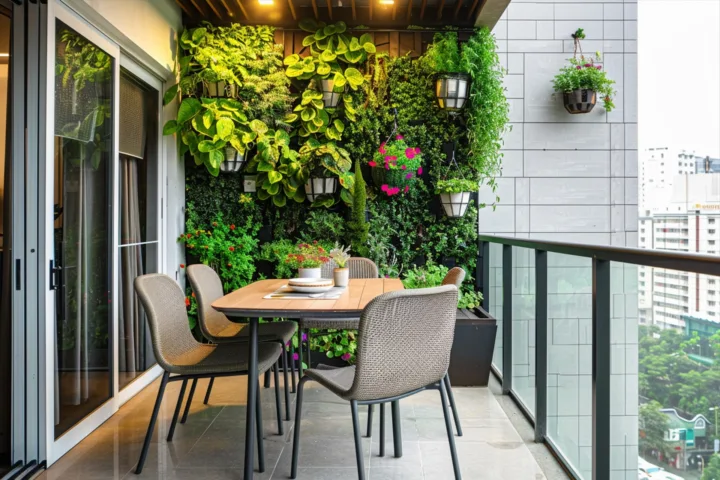
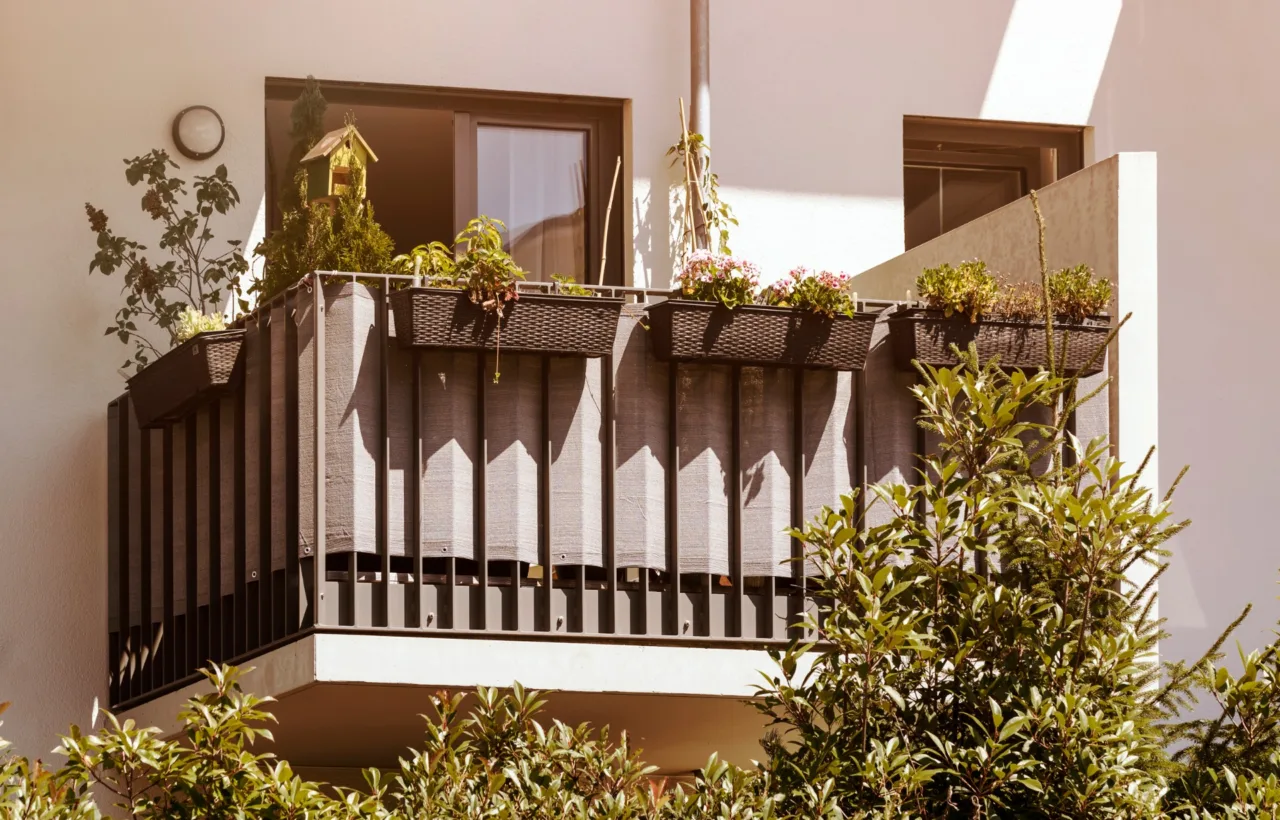
Railing planters hold herbs right where I can grab them for cooking. Wall-mounted shelves hold smaller pots. A simple trellis against one side supports a climbing vine. Hanging baskets from the ceiling (where allowed) add another layer without touching the floor.
I once tried cramming everything on the ground. It looked like a plant sale gone wrong. Vertical layers fixed that. Suddenly the balcony felt open again.
Tiered stands work well too. One narrow stand holds three levels of small pots and takes up almost no footprint.
Furniture and Finishing Touches for Daily Use
A modern balcony garden still needs a place to sit. I added a slim metal bistro set that folds when I need the space. One outdoor cushion in a solid color. That’s it.
An outdoor rug in a neutral tone defines the seating area and hides the concrete. Solar lights along the railing give a soft glow at night without cords.
Privacy screens made from bamboo or simple fabric panels help on open sides. They also cut wind a bit. I keep them low enough that I still get light and views.
I avoid anything that screams “temporary.” Cheap plastic chairs look temporary. Solid, simple pieces feel permanent even if the whole setup is containers.
Watering and Care Without the Daily Drama
Balcony soil dries out faster than ground beds. Wind and sun speed that up. I water most pots every other day in summer, sometimes daily during heat waves.
Self-watering containers helped a lot. I fill the reservoir once and the plants draw what they need. A collapsible watering can stays tucked in a corner for the rest.
Fertilizer stays light. A balanced liquid feed every two weeks during the growing season is enough. Overfeeding creates leggy growth that looks messy.
I check for pests weekly. Aphids showed up on the basil once. A quick spray with soapy water handled them. Good air flow from the height of the balcony keeps most problems away.
Winter prep depends on your climate. I move tender plants inside or against the building wall and wrap the larger pots. Hardier ones stay put.
Flush self-watering reservoirs monthly to remove stagnant water and mineral buildup, especially when balcony heat increases evaporation.
Common Mistakes I Made and How I Fixed Them
I overcrowded the pots at first. One plant per container is the rule I follow now. Roots need room and the arrangement looks cleaner.
I ignored the wind. Tall plants need staking or lower placement. I learned that after replacing two snapped stems.
Cheap soil was another error. Garden soil from the bag compacted and stayed soggy. Quality potting mix with good drainage changed the health of everything.
I also tried too many different styles of pots. The mix looked chaotic. Matching finishes brought the whole modern balcony garden together.
Frequently Asked Questions
How much sun does a modern balcony garden really need? Most productive plants want at least four hours. Full sun lovers need six or more. I match plants to the actual light my balcony gets instead of forcing the wrong ones.
Can I grow vegetables successfully in a modern balcony garden? Yes, if you choose compact varieties and give them deep enough containers. Cherry tomatoes, peppers, lettuce, and herbs have all worked for me without taking over the space.
What containers work best for weight limits? Lightweight plastic, fiberglass, and fabric grow bags. I avoid heavy ceramic unless the pot is small or acts as a wind anchor.
How do I keep a modern balcony garden from looking cluttered? Limit the color palette of pots, stick to similar sizes, and use vertical space. Negative space matters as much as the plants.
Is a modern balcony garden high maintenance? It doesn’t have to be. Self-watering pots, the right plant choices, and a consistent but simple routine keep mine under control with about twenty minutes a few times a week.
Final Thoughts From My Own Small Space
I still walk out there some mornings and feel surprised that the concrete slab became this green, calm corner. It didn’t happen overnight. I started with three pots and added more only when the first ones thrived.
A modern balcony garden works best when you respect the limits of the space and choose pieces that look intentional together. Clean containers, plants that suit the light and wind, and a layout that leaves room to actually sit and enjoy it.
Start small if the whole project feels overwhelming. One railing planter of herbs. One good pot with a trailing plant. See how it feels. Then expand.
Honestly? The best part is stepping outside with a cup of coffee and realizing the view now includes something I grew myself. That never gets old.