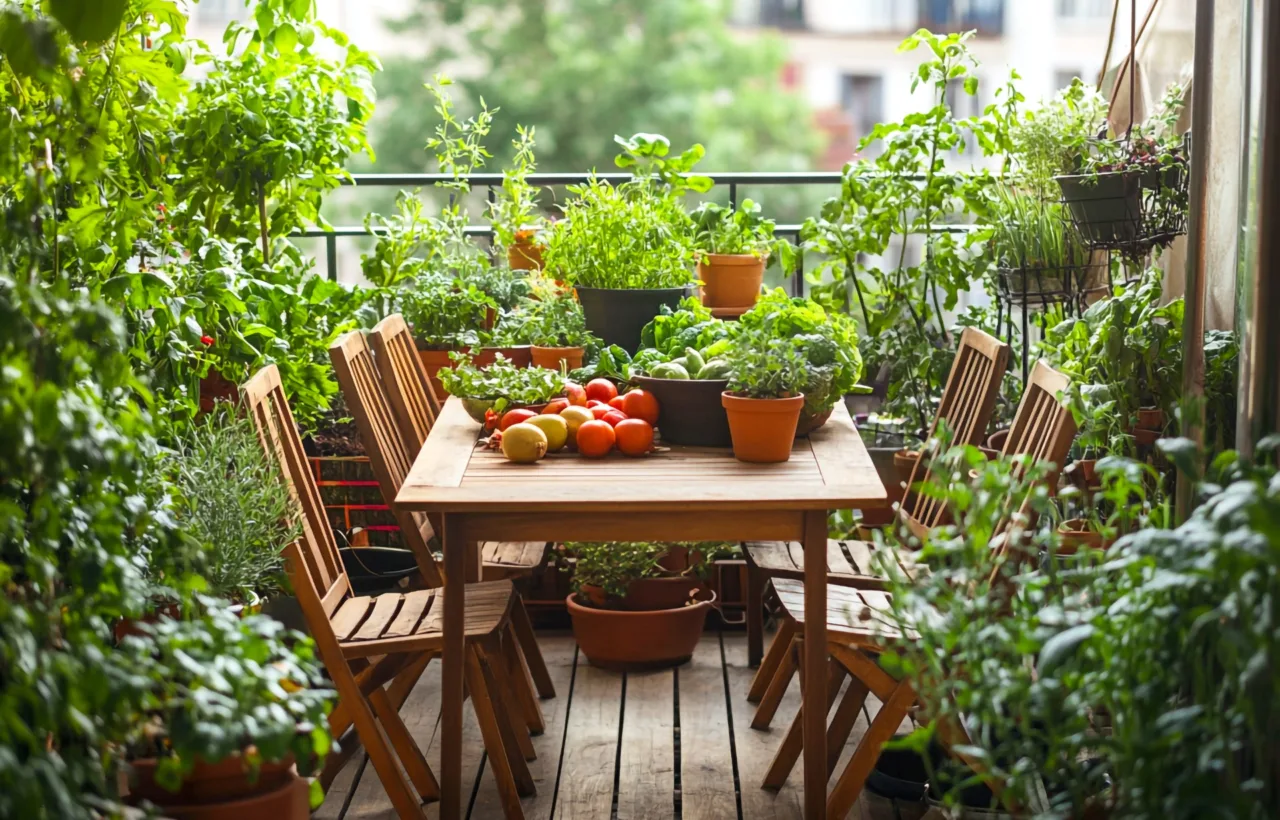

I never thought a few pots on a tiny apartment balcony could feed me real meals. Yet here I am, three seasons later, snipping basil for pasta and pulling cherry tomatoes straight off the vine. My balcony food garden started as a messy experiment. It turned into the most rewarding habit I keep.
I live in a third-floor walk-up with a balcony that measures about six by eight feet. No yard. No fancy setup. Just containers, soil, and a stubborn desire to grow something edible. If you have any outdoor ledge at all, you can do this too. I made every beginner mistake so you do not have to.
Why a Balcony Food Garden Makes Sense Right Now
City living leaves little room for traditional gardening. I used to stare at grocery produce and wonder how long it sat in transit. Freshness mattered more once I tasted something I grew myself. A balcony food garden solves that in the smallest footprint possible.
Sunlight rules everything. Most fruiting plants need six to eight hours of direct light. Leafy greens forgive less. I mapped my balcony’s light first. Morning sun on one side. Afternoon glare on the other. That simple observation saved me weeks of disappointment.
Containers change the game. Roots stay contained. Soil stays controllable. I can move pots when weather turns. Weight matters on upper floors, so I stick to lighter options whenever possible.
Choosing the Right Containers and Setup
I started with whatever cheap plastic pots the hardware store sold. Big mistake. They dried out fast and cracked after one winter. Now I choose carefully.
Fabric grow bags stay my top pick. They breathe. Roots prune themselves instead of circling. I use 5-gallon bags for tomatoes and peppers. Smaller 2-gallon ones handle herbs and greens.
Self-watering planters help on busy weeks. A reservoir at the bottom keeps soil evenly moist. I still check them daily in summer heat, but they forgive a missed watering better than regular pots.
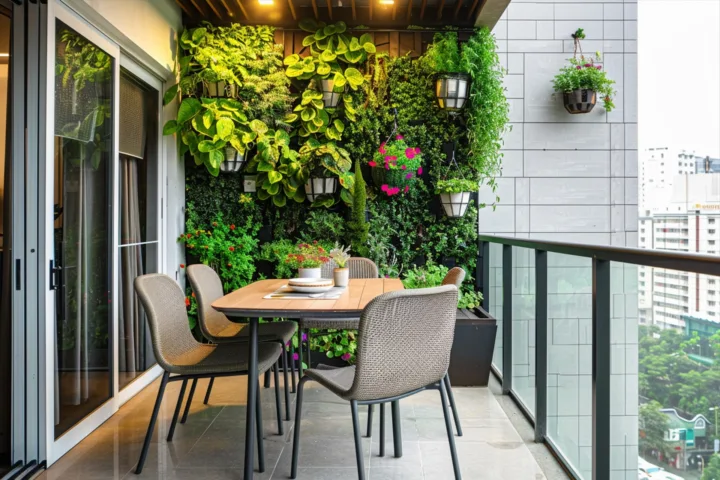
Vertical space is pure gold. Railing planters hang outside the railing (check building rules first). Stackable towers or simple wall-mounted pockets let me grow up instead of out. I once fitted twelve lettuce plants into a single vertical unit that took less floor space than a chair.
Drainage holes are non-negotiable. I drill extra ones if needed. Standing water kills more plants than anything else I have seen.
Before filling multiple five-gallon bags, verify your balcony’s load limit. Water-saturated potting mix becomes substantially heavier than dry containers.
Soil and Fertilizing That Actually Work
Bagged garden soil from the big-box store felt convenient. It compacted into concrete after a month. I switched to a proper mix and never looked back.
My go-to blend:
- Two parts high-quality potting mix
- One part compost
- A handful of perlite for drainage
I top-dress with compost every few weeks during the growing season. Liquid seaweed or fish emulsion every ten to fourteen days keeps plants fed without salt buildup. Tomatoes especially love the extra potassium once they start flowering.
Honestly? I over-fertilized once and burned a whole tray of seedlings. Less is more until you know your plants.
Best Plants for a Balcony Food Garden
I learned the hard way that not every vegetable belongs in a pot. Deep-rooted crops or sprawling vines need more room than most balconies offer. I stick to compact, high-yield winners.
Leafy Greens That Keep Giving
Lettuce, spinach, arugula, and Swiss chard thrive in partial sun. I sow them every two weeks for a continuous harvest. Cut-and-come-again varieties let me snip outer leaves while the center keeps growing. One 12-inch pot of mixed greens feeds me salad for days.
Herbs I Cannot Live Without
Basil, mint, parsley, chives, and thyme sit right by my kitchen door. Mint spreads like crazy, so it gets its own pot. Basil wants heat and consistent water. I pinch the tops regularly to keep it bushy instead of leggy. Fresh herbs transform plain meals. I use them almost daily.
Fruiting Favorites
Cherry tomatoes outperform everything else for pure joy. Bush or patio varieties stay manageable. I stake them early. Determinate types finish in one flush. Indeterminate keep producing until frost. One healthy plant can give me handfuls of fruit every few days in peak season.
Peppers (sweet or hot) love the heat that balconies often trap. Compact varieties fit perfectly in 3- to 5-gallon containers. I grow two or three plants and still have more than I need for cooking.
Radishes and baby carrots work in deeper pots. They mature fast. I pull them young for the best texture.
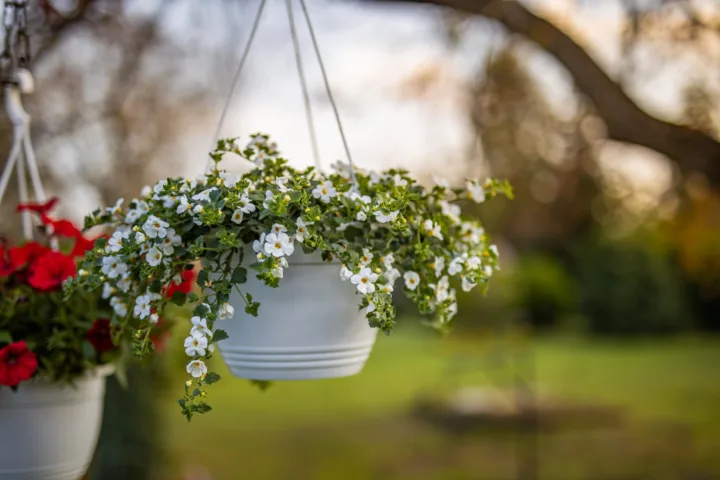
Strawberries in hanging baskets look pretty and taste better than store-bought. Day-neutral varieties fruit all season.
Plants I Skip Now
Full-size cucumbers and zucchini take over. Pole beans need serious vertical support and still flop. Large root crops like full carrots or beets struggle unless the container is deep enough. I tried once. Results disappointed me.
Daily Care Without the Overwhelm
Watering is the biggest daily task. Containers dry faster than garden beds. I stick my finger two inches into the soil. Dry? Water thoroughly until it runs out the bottom. Morning is best. Leaves stay dry overnight and disease stays lower.
Wind hits balconies hard. I group pots together for mutual protection and use heavy saucers or bricks to keep taller plants from toppling. A simple trellis or tomato cage makes a huge difference.
Pests still show up. Aphids love new growth. I blast them with a strong water spray first. Neem oil follows if needed. Hand-picking works for larger bugs. I check undersides of leaves every few days. Catching problems early keeps them small.
Heat can stress plants on south-facing balconies. Afternoon shade cloth or simply moving pots a few feet helps on the hottest days. I learned this after watching lettuce bolt in July.
Test every container’s runoff after watering, then add drip trays or redirecting mats to prevent stained floors and conflicts with neighbors below.
My Real Timeline From Empty Balcony to First Harvest
Week one: I measured the space, noted sun hours, and bought four fabric bags plus potting mix. I planted a mixed lettuce tray and two basil pots. Instant gratification.
Week three: Lettuce ready for first harvest. Basil already fragrant. I added two cherry tomato seedlings and a pepper plant.
Month two: Tomatoes flowered. I started fertilizing weekly. Railing planters went up with more greens and strawberries.
By mid-summer I harvested almost every day. Not huge amounts. Enough to feel proud and eat better. Fall brought cooler weather and another round of leafy crops. I overwintered hardy herbs indoors under a cheap grow light.
I almost quit after a heatwave killed half my seedlings. Honestly? The third set of plants nearly stuck. What changed everything: I stopped trying to grow everything at once. Three reliable plants beat ten struggling ones.
Messy beats empty. Every time.
Common Mistakes I Made (So You Skip Them)
I overcrowded pots at first. Plants competed for light and nutrients. Now I follow spacing guidelines on the seed packet and leave room for airflow.
I ignored weight limits. A friend on a higher floor got a warning from management. Check your building rules before loading the railing with heavy ceramic.
I watered on a schedule instead of by need. Soil stayed soggy after rain. Roots rotted. Now I test every time.
I chased exotic varieties before mastering the basics. Stick to proven performers until you know your microclimate.
Expanding Without Taking Over the Whole Balcony
Once the basics clicked, I added a few more tricks. Companion planting works even in pots. Basil near tomatoes seems to help both. Marigolds deter some pests and look cheerful.
Succession planting keeps the harvest steady. When one lettuce crop finishes, I sow the next right away. Empty space is wasted space on a small balcony.
I save seeds from the best tomato plants each year. Open-pollinated varieties stay true enough for home use. It costs nothing and feels satisfying.
Frequently Asked Questions
How much sun does a balcony food garden really need? Most fruiting plants want six or more hours of direct sun. Leafy greens and many herbs manage with four. Observe your space for a full day before buying plants.
Can I grow a balcony food garden if my balcony faces north? Yes, but stick to shade-tolerant crops like lettuce, spinach, parsley, and mint. Fruiting plants will struggle without enough light.
What size containers work best for beginners? Start with 2- to 5-gallon pots or bags. Herbs and greens need less. Tomatoes and peppers prefer the larger end. Always choose ones with drainage holes.
How often should I water in hot weather? Daily checks become necessary in summer. Some pots need water every day. Others hold moisture longer. Test the soil rather than guessing.
Is a balcony food garden worth the effort for a small harvest? For me it is. The flavor alone justifies it. The mental reset of tending plants after work seals the deal. Even a handful of fresh herbs improves meals more than I expected.
I still walk out to my balcony most mornings with a coffee and just look. The plants grow. The harvest comes. The space feels alive. You do not need a big yard or perfect conditions. You need a few pots, some decent soil, and the willingness to start messy.
Start with two or three plants you actually want to eat. Keep them alive. Then expand. That is how my balcony food garden began, and it is still the best advice I can give.