
The garden planting ideas that work are the ones that match your sun hours, soil, and the space you will actually tend. Pretty photos come second.
If a bed gets six or more hours of direct light, you can grow tomatoes, peppers, beans, and most summer flowers. With three to five hours, lean on lettuce, kale, herbs, and shade-tolerant foliage instead of fighting for fruit.
Start with one small layout, plant in groups, and leave room for mature size. That choice beats a cart of mismatched seedlings every time.
Start With Sun Hours, Not a Shop List
Walk the yard at 8 a.m., noon, and 4 p.m. before you buy plants. Note where fences, trees, and the house throw shade.
Morning sun is kinder than hot afternoon glare. An east-facing strip often outperforms a west-facing patch that looks brighter at lunch.
Your USDA plant hardiness zone tells you which perennials can survive winter. It does not tell you when to plant tomatoes. For that, look up your last and first frost dates and treat them as the real calendar.
Fruiting, root, and leaf crops need different light
North Carolina State Extension draws a line most pretty lists skip. Leaf crops such as lettuce, spinach, chard, and kale can manage with about three to six hours of sun.
Root crops such as carrots, beets, and radishes want closer to five or six. Fruiting crops such as tomatoes, peppers, cucumbers, squash, and beans need six or more hours.
That is why a shady side yard can still look generous if you plant salad greens and hostas. It is also why a sunny patio tomato can outproduce a bigger bed that only sees slivers of light.
Soil matters almost as much. Clay holds water and nutrients but can drown roots after rain.
Sandy soil drains fast and needs compost so plants do not dry out between waterings. Work two to three inches of compost into the top of a new bed rather than trying to rebuild the whole profile in one weekend.
Garden Planting Ideas for Beds, Pots, and Tight Yards
Choose the layout that matches how you move through the space. A four-foot-wide bed you can reach from both sides stays weeded. A six-foot-wide bed that looks grand on paper becomes a muddy hopscotch by July.
| Layout | Works well when | Watch-outs |
|---|---|---|
| 4×8 raised bed | You want mixed vegetables and flowers in a small yard | Wider than four feet and you cannot reach the center without stepping on soil |
| Square-foot grid | You want many crops in one box | Overcrowding still happens if you ignore mature size |
| In-ground rows | You have a larger plot and crops that sprawl | Paths eat space, and walking on beds compact roots |
| Containers | You garden on a patio, rental, or poor native soil | Pots dry out fast and need drainage holes plus enough mix |
| Vertical trellis | You grow peas, pole beans, cucumbers, or climbers | Needs sturdy support and extra water because plants sit in more wind |
A 4×8 raised bed is the workhorse for most first gardens. Keep the mix loose, and put the tallest crops on the north side so they do not shade everything else.
Square-foot planting skips wasteful rows. Mel Bartholomew’s spacing puts one extra-large plant such as a tomato or pepper in a square, four leaf lettuces, nine spinach or bush beans, or 16 carrots or radishes.
Treat those numbers as a ceiling. Compact varieties can sit tighter. A sprawling heirloom needs more room than the chart suggests.
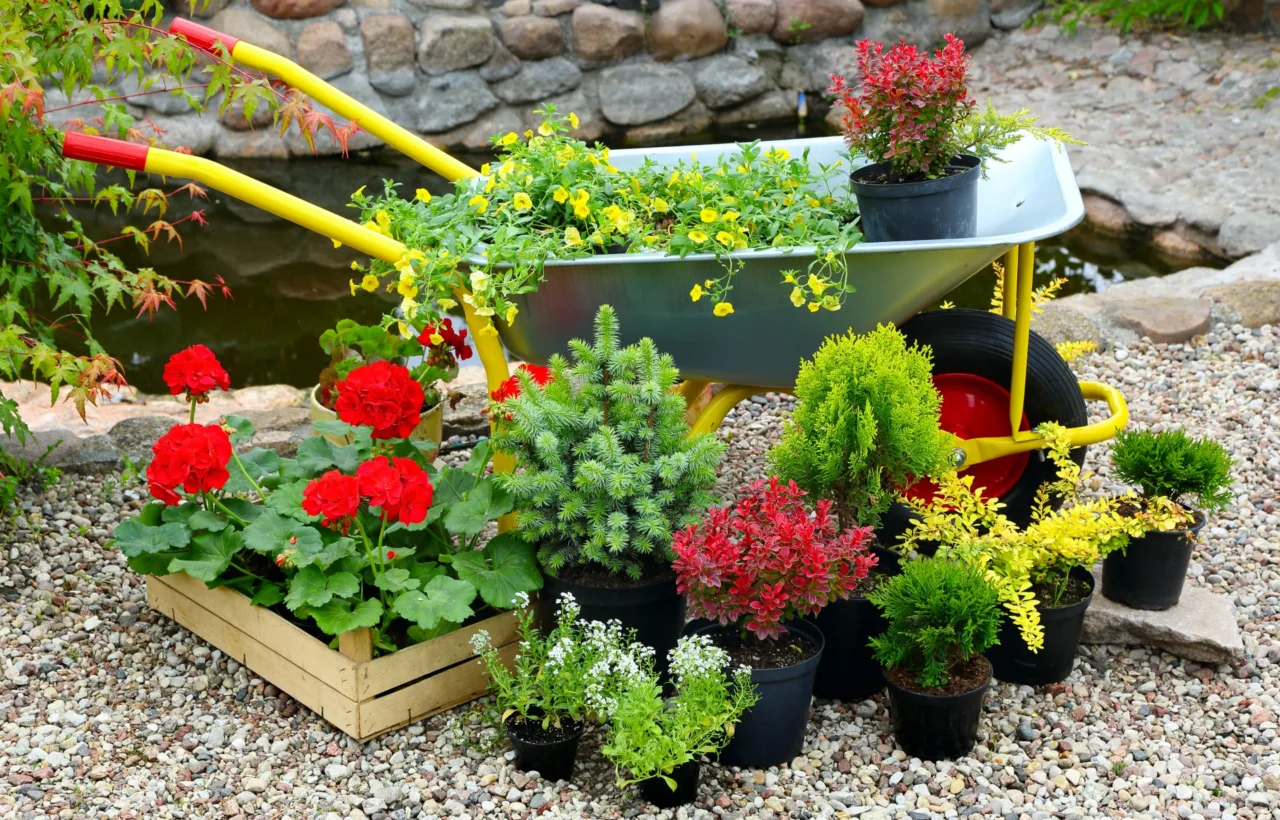
Containers work when the ground does not. Use a pot at least 12 inches wide for herbs and greens, and 18 to 24 inches wide and deep for tomatoes or peppers. Fill it with potting mix, not backyard dirt.
Plant Combinations Worth Copying
Companion charts can look like secret codes. Some pairings have a clear reason. Others are folklore that got copied until they sounded official.
University of Maryland Extension treats companions as plants that share water and light needs, mature on different schedules, or attract helpful insects.
Pair plants that share water and height first
Put thirsty fruiting crops together and keep drought-tolerant herbs in a drier corner. Mixing a constantly wet tomato with Mediterranean rosemary in one pot usually means one plant is unhappy.
A few combinations earn their space:
- Tomato, basil, and marigold in one sunny bed. They like similar heat, and the flowers feed pollinators while you wait for fruit.
- Lettuce under taller tomatoes or peppers once summer heat arrives. The shade slows bolting, and you harvest greens before the big plants take over.
- Carrots with spring onions or chives. Different root depths mean less shoving underground.
- Pole beans up corn, with squash at the base, if you have heat and room for a Three Sisters grouping. Corn is the pole, beans add nitrogen over time, and squash leaves shade soil.
- Kale or chard with nasturtiums at the edge. You get color, edible flowers, and a livelier border than a lonely row of greens.
Avoid stuffing every square with a different crop just because a chart says they get along. Crowding cuts airflow, invites mildew, and makes harvest a wrestling match.
Use flowers as working partners, not extras
Zinnias, cosmos, alyssum, and sunflowers pull in bees and hoverflies that help fruit set on cucumbers and squash. French marigolds add color and can help with root-knot nematodes when grown densely. They are not a force field against every pest.
In ornamental beds, plant in clumps of three or five, then repeat those clumps. One of each plant in a line looks like a catalog display. Tall plants in back, mid-height bloomers in the middle, and a low edge of lady’s mantle, hardy geranium, or creeping thyme keep the bed from going bald in July.
For pots, use a tall center plant, mounding plants around it, and a trailer over the rim. Swap the tall plant for a cherry tomato and you have supper and a centerpiece in the same pot.
A 4×8 Bed Plan You Can Plant This Season
Think of a 4×8 box as 32 squares if you like grids, or as four zones if grids make you twitch.
Put a trellis along the north eight-foot side. Plant two indeterminate tomatoes and two cucumbers, or eight pole beans, along that fence.
Give each tomato its own square and a sturdy cage. In front of them, plant basil and leaf lettuce. Those shorter plants use leftover light and keep the soil from baking.
On the south side, sow carrots and radishes in two squares, bush beans in two more, and a square of marigolds or zinnias at each end. Leave two squares for peppers. That mix gives you fruit, crunch, herbs, and flowers without turning the bed into a jungle.
If the bed has to look good from the kitchen window, swap one pepper square for rainbow chard and edge the front with alyssum. You still eat from it. It just stops looking like a farm plot that wandered into the yard.
Cool-season crops go in first. Lettuce, peas, spinach, kale, radishes, and onions can handle chilly soil in early spring and again in late summer.
Wait until nights stay mild, after your last frost, to set out tomatoes, peppers, basil, beans, and squash. Planting warm crops too early does not make you ahead. It makes you buy replacements.
When radishes come out, drop in bush beans. When spring lettuce bolts, tuck in basil or late beets.
Mistakes That Waste a Whole Season
These errors look harmless on planting day and expensive by August.
Starting too big is the classic. A 4×4 or 4×8 bed you can water in ten minutes beats a long plot that turns into weeds the first week you travel.
You can add a second bed next year. You cannot get May back.
Ignoring mature size is a close second. Seedlings look tiny. A zucchini plant does not.
One squash plant can cover nine square feet. Two “just in case” plants can swallow the lettuce you meant to pick for weeks.
Planting only what looks good at the nursery, rather than what you cook, leads to a glut of one crop and a sad bowl of store salad. Grow what you slice, the herbs you snip twice a week, and one experimental flower.
Water the soil in the morning, not the leaves at dusk. Wet foliage overnight is a gift to fungal disease.
Skipping a soil test in urban or older yards can matter more than people admit. Compost improves structure. It does not tell you if the pH is off or if lead is present.
Frequently Asked Questions
What are the easiest garden planting ideas for beginners?
Start with a 4×4 or 4×8 sunny bed and a short list: leaf lettuce, radishes, bush beans, one cherry tomato, basil, and zinnias. Those crops forgive uneven watering and still look lively. Add peppers or cucumbers only after that first list is in the ground and watered.
How do I plan garden planting ideas in a small yard?
Go vertical and mixed. One raised bed plus two large pots can feed two people if you trellis beans and cucumbers and replant empty squares. Keep paths about 18 inches wide so you can kneel without crushing plants. Plant the tallest crops against a fence so the rest of the yard still gets light.
Can I mix vegetables and flowers in the same bed?
Yes, and the bed usually looks better for it. Use flowers as the front edge and as gaps between slower crops. Choose blooms that like the same sun and water as the food plants beside them. Zinnias with tomatoes, alyssum with lettuce, and nasturtiums with kale are easy starting points.
What should I plant if my garden only gets afternoon shade?
Treat it as a leaf-and-texture garden. Lettuce, spinach, chard, parsley, contained mint, hostas, ferns, heuchera, and impatiens will look intentional.
Skip tomatoes and squash there. They will grow leaves and little else, which is a frustrating way to spend a summer.
When should I start planting a spring garden?
Cool-season seeds can go in a few weeks before your last frost if the soil is workable and not soggy. Warm-season transplants wait until after that frost date, when nights are no longer dipping into the 40s. Check a local frost calendar rather than copying a neighbor two towns away.
Do I need a companion planting chart to succeed?
No. Charts are optional extras. Match plants by sun, water, and height, leave air around the leaves, and tuck in a few flowers for pollinators. That covers more real problems than memorizing which herb is said to dislike which root crop.
Plant One Clear Idea, Then Repeat It
Pick the constraint that bothers you most this week. Too little space? Plant a vertical 4×8. Too little sun? Fill a shady strip with greens and foliage.
Too much chaos? Repeat three plants down a border instead of buying twelve singles. Write the plan on paper, including mature height, then buy only what fits.
Gardens get generous when you stop asking one bed to be a farm, a cutting garden, and a cottage fantasy at once. Give each idea a job and the light it asked for.