
The useful cucumber planting ideas start with two decisions: how much space you actually have, and whether the soil is warm enough to germinate seed. Plant after frost danger has passed and the soil is near 70°F at a one-inch depth, then choose a layout that matches the plant type. Vining cucumbers belong on a sturdy trellis. Bush types belong in a pot or a tight bed. Hills work when you have open ground and no interest in training vines. Get those two choices right and the rest of the season gets simpler.
Match the Planting Method to Your Space
A pretty Pin of hanging fruit is not a plan. The method has to fit the footprint, the hours of sun, and how much you want to fuss with ties and thinning.
Cucumbers need full sun and rich, well-drained soil with a pH around 6.0 to 6.8. They also need consistent moisture once fruit starts forming. That is true in a 4×8 raised bed and in a single patio pot. What changes is spacing and support.
Use this comparison to pick one layout and stop second-guessing yourself in the seed aisle.
| Layout | Space it needs | Plant type that fits | Why choose it |
|---|---|---|---|
| Back-of-bed trellis | One row along a 4- to 8-foot bed | Vining slicers or picklers | Saves floor space and keeps fruit clean |
| Open hills | 4 to 6 feet between mounds | Vining types left to sprawl | Fast to plant if you have room |
| Large container | One 5-gallon pot or bigger | Bush or compact vines | Works on a patio or balcony |
| Cattle-panel arch | Two beds or one wide bed | Vigorous vines | Creates a walk-through harvest path |
| Teepee in a grow bag | 2 to 3 square feet | One compact vine | Cheap support for a single plant |
If you only have a railing and a bag of potting mix, skip the hill method. If you have a long sunny fence, skip the tiny tomato cage. The cage looks tidy on day one and disappears under a six-foot vine by July.
Plant Only After the Soil Is Warm Enough
Cold soil is the quiet killer of cucumber plantings. Seeds sit, rot, or crawl up as weak seedlings. Transplants sulk and never catch up.
Wait until nights stay above about 50°F and the soil itself is in the mid-60s at minimum. University of Minnesota Extension aims for 70°F at one inch deep before sowing. A cheap soil thermometer beats a calendar every time.
Black plastic mulch can warm a bed a week or two earlier. Cut planting holes after the plastic has sat in the sun. Floating row cover adds another layer of warmth and keeps cucumber beetles off young plants. Remove the cover when female flowers appear so bees can reach them, unless you chose a seedless greenhouse type that does not want pollination.
Starting seed indoors is optional and easy to overdo. Sow in biodegradable pots two to three weeks before transplant day. Cucumbers resent root disturbance, so plant the pot and all. Hardened-off seedlings with two to four true leaves settle in better than lanky six-week plants.
In long-season regions, a second sowing in midsummer can replace tired vines. In short-season zones, one well-timed planting of an early variety is more reliable than two rushed ones.
Five Cucumber Planting Ideas You Can Copy
These setups show up on Pinterest for a reason. They work when you follow the spacing, not just the photo.
Grow vines up a back-of-bed trellis
Place a 5- to 6-foot trellis along the north edge of a raised bed so the vines do not shade the rest of the bed. Plant two or three seeds every 12 inches at the base, half an inch to one inch deep, then thin to the strongest seedling. Install the trellis on planting day. Waiting until the vines flop is how you snap stems.
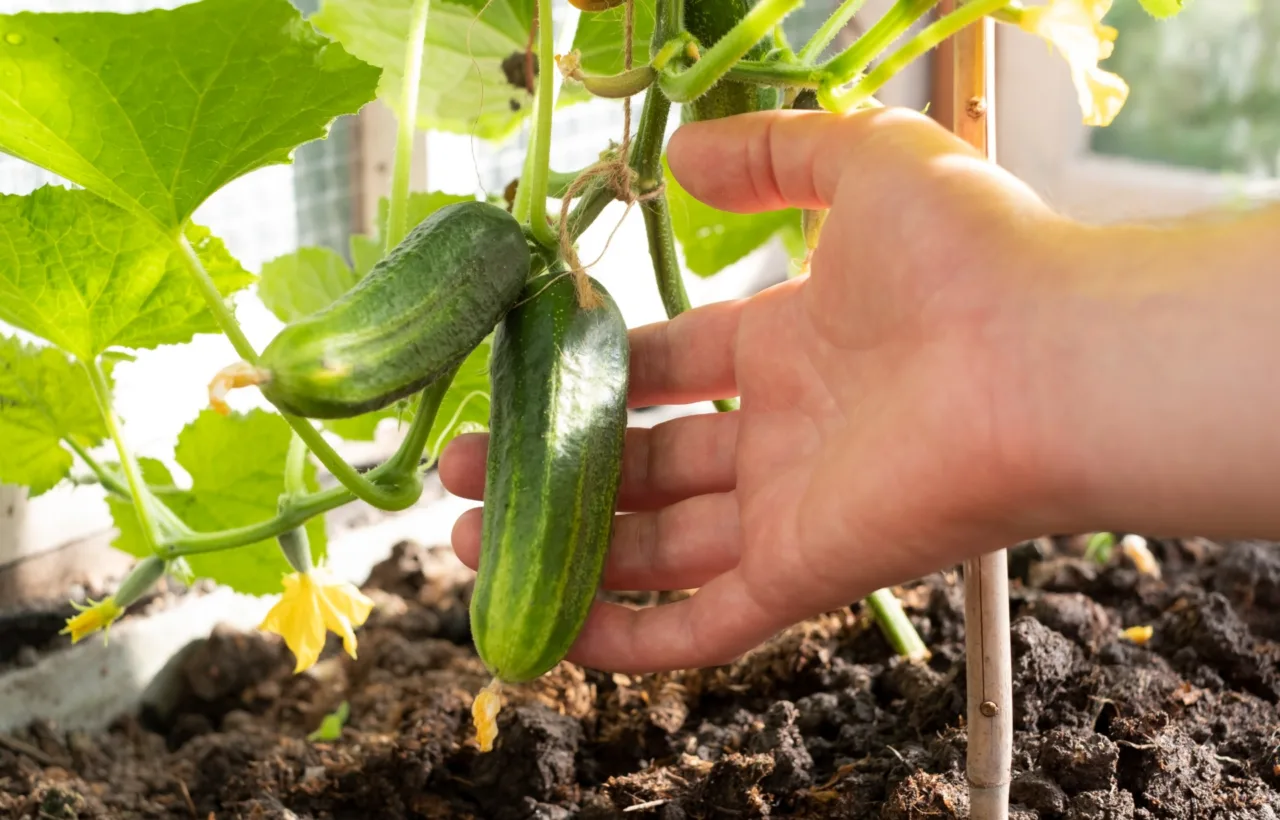
Cattle panel, welded wire, or sturdy netting all work if the frame will not lean under wet fruit. Soft ties in a figure-eight help the first foot of stem find the grid. After that, tendrils usually take over. Straight hanging fruit is the payoff, plus fewer soil-splashed diseases.
Plant in hills if you have open ground
A hill is a low, broad mound, not a volcano. Mix compost into a mound a couple of feet across, plant four or five seeds about one inch deep, and leave 4 to 6 feet between hills. Thin to two or three plants once seedlings have true leaves.
Hills drain faster in heavy soil and warm a little sooner than flat ground. They also turn into a snarl if you plant them too close. Leave walking room. You will be picking every other day once fruit starts.
Use one large pot per bush plant
A bush cucumber in a container that is at least 12 inches wide and 10 inches deep can feed a small household if you water without skipping. Almanac guidance on container cucumbers favors roomy pots because these plants drink hard and flop when the mix dries out.
Sow two or three seeds, thin to one, and add a short cage or three bamboo poles tied at the top. Vining types can live in a pot too, but only if the container is large and a tall support is fixed in place from the start. One plant per typical pot. Two plants in a 12-inch pot is how you get two stressed vines and misshapen fruit.
Two more layouts worth copying: a cattle-panel arch between two beds, with vines planted on both sides, and a fence-line planting where seeds go 12 inches apart at the foot of existing wire. Both keep cucumbers off the path and make harvesting a two-minute job.
How to Sow Seeds and Set Transplants
The mechanics are simple. The timing and handling are what people rush.
- Work 2 inches of compost into the top of the bed or fill a pot with a high-quality potting mix, not garden soil.
- Sow seed 1/2 to 1 inch deep. Set two seeds per spot, then thin. For transplants, keep the root ball intact and plant at the same depth the seedling grew in its pot.
- Water the soil, not the leaves, and keep the surface evenly moist until sprouts appear in about 5 to 10 days.
- Thin with scissors instead of yanking, so neighboring roots stay put.
- Mulch after the soil is warm to lock in moisture. Straw or shredded leaves work once the ground is no longer chilly.
Clemson Extension notes that trellised rows can sit closer together than sprawling rows. That is the whole point of going vertical. Air still needs to move through the canopy, so resist the urge to pack plants at 6-inch spacing “just in case.”
Water deeply and regularly once fruit sets. Uneven moisture is a common reason fruit turns bitter or curves. About 1 inch of water a week is a starting point. Containers need more frequent checks because they dry from every side.
What to Plant Under a Cucumber Trellis
The strip of dappled shade under a climbing vine is wasted if you leave it bare. Short, fast crops belong there.
Radishes are the practical pairing. They germinate in cool spring soil, loosen the surface a little, and come out of the ground before the cucumber canopy closes. Many gardeners also tuck them nearby as a living distraction for flea beetles. Lettuce, spinach, and arugula like the afternoon shade a trellis throws in June. Bush beans add a modest nitrogen contribution and stay low enough not to wrestle the vines.
Flowers earn their keep at the edges. Nasturtiums can pull aphids away from tender tips. Marigolds along the border make the bed look finished and may discourage some soil pests. Young dill brings in beneficial insects. Keep mature dill from crowding the cucumbers if the patch gets dense.
Skip potatoes next to cucumbers. They compete for the same real estate and can share pest pressure. Other sprawling cucurbits on the same trellis turn the structure into a humidity trap. Mint belongs in its own pot, not in the cucumber root zone.
Tomatoes can share a garden with cucumbers if each plant has its own support and at least a couple of feet of air. They like similar warmth and water. They also share fungal problems when leaves stay wet and crowded. Separate trellises beat one tangled jungle.
Planting Mistakes That Cost You Fruit
Planting too early looks ambitious and then looks like a bare row. Wait for warm soil.
Overcrowding looks abundant and then looks like powdery mildew. Thin. One strong vine on a trellis out-yields three weak ones fighting for light.
Choosing the wrong flower type causes quiet failure. Most garden cucumbers are monoecious, with male flowers first and female flowers later. That delay is normal. Gynoecious packets often include a few pollinator seeds. Do not thin out the odd-looking seedling if the packet told you a pollinator is in the mix. Parthenocarpic greenhouse types set fruit without bees and can turn seedy or off-tasting if they get heavily pollinated in a mixed, enclosed space. Read the packet before you mix varieties in one small greenhouse.
Inconsistent watering and heat stress push bitterness into the fruit. The compound sits near the stem end and just under the skin. Even moisture and a variety labeled bitter-free reduce the problem more than peeling after the fact.
A flimsy 3-foot decorative trellis is not a cucumber plan. Vines commonly run 6 feet or more. Give them height or train them back down the other side. Harvest small and often. A hidden yellowing fruit on the vine tells the plant to slow down.
Frequently Asked Questions
How many cucumber plants does a household need?
Two healthy vining plants on a trellis can keep a small household in slicing cucumbers during peak season if you pick every other day. Add a third plant or a pickling variety if you can fruit or share. One bush plant in a large pot is enough for salads if you stay on top of water and harvest.
Can I plant cucumber seeds directly in the garden?
Yes, and many gardeners prefer it. Direct sow after frost and once soil is warm, about 1/2 to 1 inch deep. Keep the bed moist until sprouts appear. Direct-sown plants skip transplant shock, which cucumbers feel more than tomatoes do.
What cucumber planting ideas work on a balcony?
Use one compact or bush plant in a pot at least 5 gallons, with a teepee or wall-mounted grid. Place the pot where it gets 6 to 8 hours of sun. Water daily in hot weather. A saucer helps, but empty standing water so roots do not sit overnight.
Do I need two cucumber plants for pollination?
Not always. Standard outdoor varieties carry male and female flowers on the same plant, though bees still have to move pollen. All-female packets usually include a pollinator seed. Seedless greenhouse types do not need bees. Check the variety description instead of planting extras “just in case.”
How far apart should I plant cucumbers?
On a trellis, thin to about 12 inches. In hills, keep 4 to 6 feet between mounds and two or three plants per hill. Bush types can sit 18 to 24 inches apart. Tight spacing looks efficient until leaves stay wet and fruit hides.
When will I get the first cucumber?
Most varieties are ready 50 to 70 days after sowing, sooner from transplants in warm weather. Harvest at the size listed for that variety. Leaving giants on the vine slows the next flush.
Put the Trellis In Before the Seeds Go Down
Pick one layout from the table, warm the soil, and plant fewer vines than the packet tempts you to sow. A single well-spaced cucumber on a tall support will outproduce a crowded patch that looked generous on planting day. Set the structure first, sow into warm ground, and leave a little shade at the base for a row of radishes or lettuce. That is the whole trick, and it is prettier than the Pin once the fruit starts hanging.