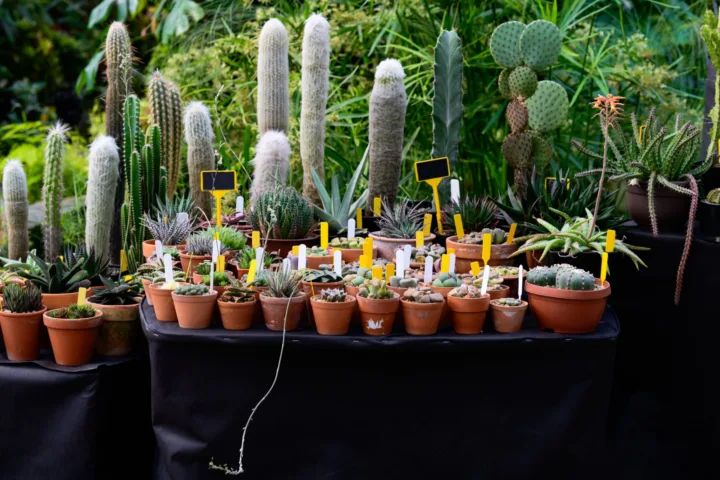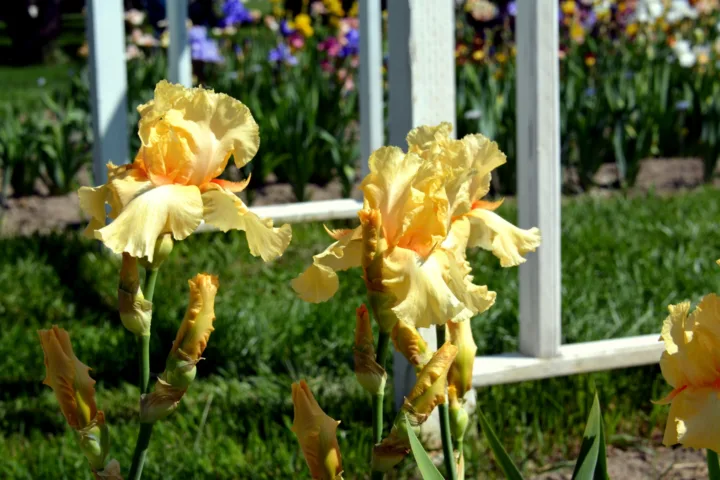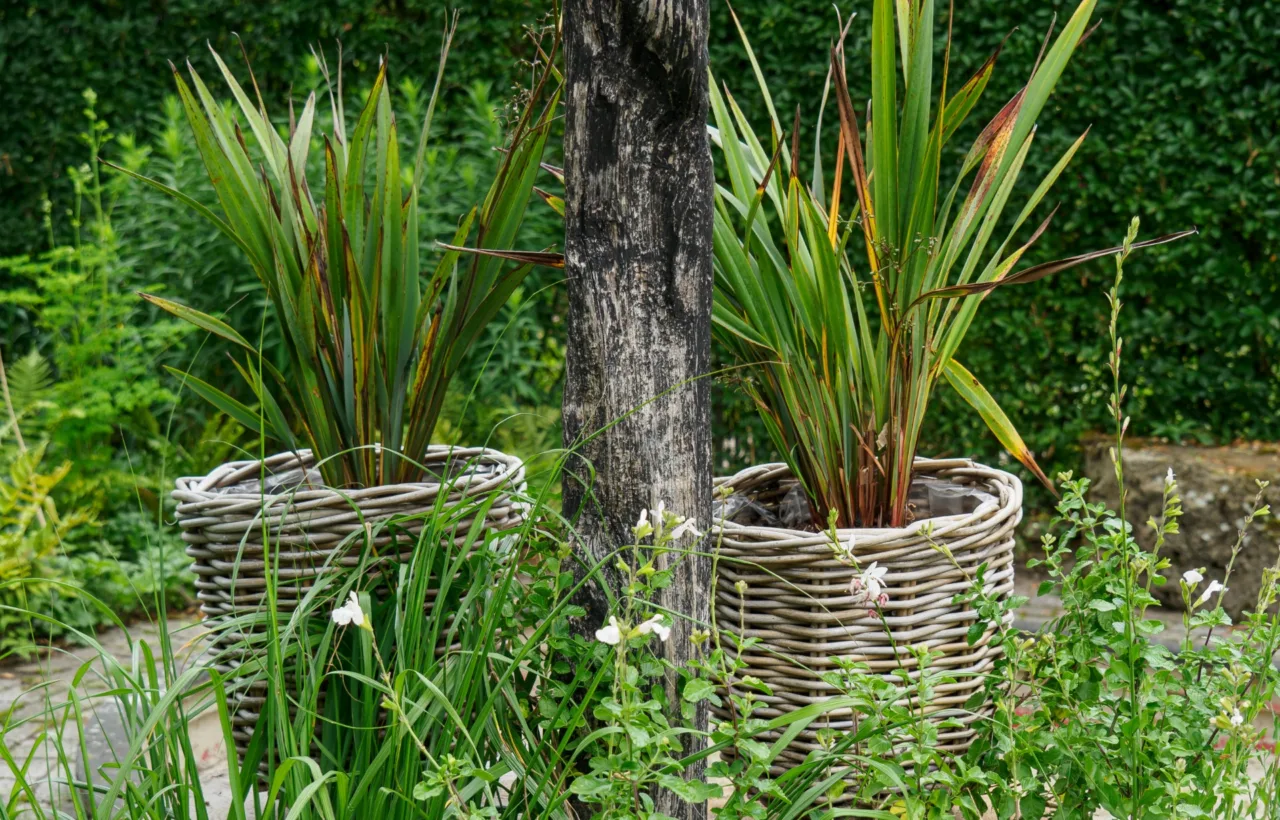

A front garden looks finished when evergreen structure holds the space in January, and flowers are a bonus rather than the whole plan. Start with plants that match your light, the space left after parking, and the time you will actually spend weeding. Then add one climber or wall shrub so the house itself does some of the work.
That is the practical core of most good front garden planting ideas. Pretty pots and a riot of annuals look wonderful in a Pin. They also collapse the first time you skip a weekend of watering. Build the bones first, then dress them.
Decide the job before you buy a single plant
Stand across the street and look at your house the way a stranger would. That view is the one that matters. Windows, the door number, and a clear path should stay readable. Plants that hide those things make the house feel smaller, not prettier.
Write down four constraints before you shop. Aspect tells you sun or shade. Parking tells you how much soil you really have. Soil type and drainage tell you what will live. Maintenance time tells you whether lavender edging is a joy or a weekly trim you will resent.
A north-facing plot is not a failure. It is a different plant list. Lavender and most salvias sulk there. Sweet box, fatsia, skimmia, and climbing hydrangea do the opposite. Fighting the aspect is how front gardens end up with bare stems every spring.
Keep the path generous. If a shrub will be 1.5 metres wide in five years, it cannot sit 40 centimetres from the paving now, even if the nursery pot looks modest.
Build planting in layers so winter does not look empty
Think of the bed as a stack, not a shopping list. Height against the house, mid-sized shrubs in the middle, low plants at the path. Repeat a small number of plants. Repetition is what makes a tiny plot look designed.
Aim for a backbone of evergreens, around two thirds of the planting, so the garden still reads as a garden in February. Flowers then sit on that frame instead of trying to carry the whole year.
Evergreen structure that does not swallow the windows
Choose compact shrubs whose mature height sits below the sill. Mexican orange blossom (Choisya ternata) is a workhorse for sun or light shade, with glossy leaves and scented white flowers. Yew can be clipped into a low hedge or simple mounds and only needs one cut a year. Sarcococca (sweet box) earns its keep beside a shady door because the winter scent hits you on the way in.
Skip anything sold as “fast privacy” if it wants to become a tree. Photinia and leylandii look lush for two seasons, then they block light and demand a ladder. If you need a screen, keep it chest height so the house still reads from the street.
Seasonal colour that returns without replanting
Once the evergreens are in, add perennials that come back. Hardy geraniums such as ‘Rozanne’ tumble over path edges. Catmint and salvia give a long summer run in sun. Japanese anemones carry late colour in shade. Tuck snowdrops and early narcissus under deciduous shrubs for the quiet months.
Leave grass seed heads standing until late winter. They keep the bed looking occupied after perennials die back. Cut them as new growth shows, not in autumn when you will stare at stubble for months.
Climbers when the ground is already spoken for
If the soil is mostly path and parking, go up. Train climbers on wires or a trellis rather than letting them glue themselves into render. Star jasmine stays leafy in a sheltered sunny spot. Clematis and a repeat-flowering climbing rose give colour without stealing the last square metre of bed.
On a north wall, climbing hydrangea is the reliable choice. It is slow at first, then it covers. Wisteria looks romantic and needs twice-yearly pruning. Only plant it if you will do that work.
Front garden planting ideas for sun, shade, and paved plots
Match the recipe to the site instead of copying a cottage border that wants six hours of sun you do not have. The table below is a starting palette, not a shopping mandate. Swap cultivars to suit your soil, but keep the roles the same: one structural evergreen, one seasonal performer, one low edge.
| Plot type | Structural plant | Colour and texture | Edge or gap filler |
|---|---|---|---|
| Sunny path to the door | Lavender or clipped yew | Salvia, geum, stipa grass | Thyme or erigeron in cracks |
| North-facing or shady | Sarcococca or fatsia | Hydrangea, ferns, Japanese anemone | Bergenia or hardy cyclamen |
| Tiny paved frontage | Bay or choisya in a large pot | Seasonal window box | Ivy or heuchera at the rim |
| Driveway with planting strips | Hebe or compact pittosporum | Euphorbia, hardy geranium | Creeping Jenny or bugle in pockets |
| Want a small tree | Multi-stem amelanchier | Spring blossom, autumn colour | Hakonechloa or geranium beneath |
A small tree only belongs here if the crown will stay clear of windows and cables. Amelanchier earns a front-garden place with spring blossom, berries for birds, and autumn colour. Plant it away from foundations and keep the understorey low so the trunk stays visible.
Pots work when there is no soil. Use the largest container you can water. One bay either side of the door reads as an entrance. Eight mixed pots read as clutter.
Plant around a driveway without losing the parking
You can keep the car and still have plants. Use the dead corners first: the triangle by the gate, the strip against the house, the sliver a bumper never reaches. Those pockets do more work than a thin ribbon stretched the full length of the tarmac.
Keep plants next to parking low and tough. Thyme, bugle, and creeping Jenny survive the occasional tyre if they sit in real soil, not dust over hardcore. The RHS advice on front gardens is blunt: leave planting pockets with soil, and choose plants short enough that a car does not comb them.
In England, paving rules matter as much as plant choice. You do not need planning permission for a new or replacement front driveway of any size if the surface is permeable, or if rainwater runs into a lawn or border on your own land. You do need permission if you lay more than five square metres of impermeable surfacing that drains to the road. The Planning Portal sets that out clearly. Gravel, permeable block paving, or a planted soakaway strip is the simple way to stay legal and still grow something.
A planted gravel garden is often kinder than a lawn you will not mow. Set wheel tracks, then let drought-tolerant plants fill the gaps. The look is looser than clipped box, and it handles the heat that bounces off a parked car.
Mistakes that make a front garden look neglected
These are the errors that show from the pavement even when you have spent real money.
- Buying plants at nursery height and ignoring the label’s mature size, so shrubs cover windows within three years.
- Planting one of each colour, which looks busy in week one and incoherent by July.
- Leaving a thin foundation strip of soil against the wall, then stuffing it with shrubs that need air and a path behind them for painting and damp checks.
- Choosing only summer flowers, then wondering why February looks like a skip.
- Blocking the door, the house number, or sightlines from the pavement. Pretty should never make the entrance feel unsafe.
Overcrowding and underplanting are both problems. A few plants marooned in bark look sparse. A packed bed of mismatched shrubs looks like a closing-down sale. Plant in odd-numbered groups of the same thing, closer than feels comfortable, then edit after the first year.
Water new planting through the first summer. “Low maintenance” starts after roots are in, not on the day you tear the pot off.
Frequently Asked Questions
What are the easiest front garden planting ideas for beginners?
Start with three evergreens that stay below the windows, one climber on wires, and a strip of the same perennial along the path. Choisya, yew, and hardy geraniums cover a lot of ground with little decision fatigue. Add bulbs in autumn. Resist the extra impulse plants at the till.
What can I plant in a small shady front garden?
Use foliage first. Fatsia, skimmia, sarcococca, ferns, and bergenia hold the shape. Climbing hydrangea covers a dull wall. For flowers, try Japanese anemones, hellebores, and hardy cyclamen rather than sun plants that will stretch and sulk.
How do I keep planting when I still need to park?
Plant the unused corners and a permeable strip that also handles rain. Keep the wheel tracks clear. Choose low, resilient plants at the edge and put height against the house, not in the turning circle. If the whole front is already sealed, switch to large pots and a climber so you are not fighting the tarmac.
Which plants give year-round interest without constant pruning?
Evergreen shrubs with a natural rounded habit beat anything that only looks good after you clip it weekly. Add one plant with winter scent by the door and one deciduous shrub or small tree with autumn colour. Leave grass seed heads standing until late winter. That mix covers more months than a bed of petunias ever will.
Can I plant a tree in a compact front garden?
Yes, if you choose a small or multi-stem form and site it where the mature crown will not hit the roof or the pavement. Amelanchier and compact holly are typical front-garden sizes. Do not plant a forest tree because it is cheap this weekend.
Do front garden plants need to match the house style?
They need to match the architecture more than a trend. A formal path can take clipped evergreens. A cottage front can take a looser mix, but it still needs an evergreen frame so it does not look abandoned in winter. Copy the house, not a Pin from a different climate.
Plant one corner first
Do not redesign the entire frontage in a single Saturday. Pick the ugliest unused corner, improve the soil, and plant one evergreen, one seasonal plant, and one low edger. Live with it for a month. If the scale feels right from the street, repeat that same trio along the next stretch.
The garden people remember is the one that still looks cared for in November, not the one that peaked for a single photograph. Give the plants a job, give them room, and stop when the door is still easy to find.