
A patio looks finished when the pots look full, not when they hold one lonely geranium and a ring of bare soil. Useful flower pot planting ideas for a patio start with three checks: how many hours of sun the spot actually gets, how large the container is, and how often you will water when the paving heats up. Get those right, then plant one tall plant, a couple of bushy plants, and something that trails over the rim.
Most patio displays fade because the plants want different amounts of water, the pot is too small to stay moist, or the mix turns dense and sour. Copy a combination that matches your light, plant it in the right order, and skip the habits that quietly kill a pot by midsummer.
Start With Sun Hours, Pot Size, and Honest Watering
Color comes last. A petunia that needs a full day of sun will sulk under an overhang. A hosta in reflected heat will scorch. Walk the patio at 9 a.m., noon, and 4 p.m. before you buy a single plant.
Count the hours of direct sun
Full sun means six or more hours of direct light. Part sun or part shade is roughly three to six hours. Full shade is less than three hours of direct sun, often with bright indirect light. A west-facing patio can feel like full sun even if the morning stays dim, because afternoon heat on stone or concrete cooks the root ball.
If you are unsure, treat the hottest hours as the deciding ones. Afternoon glare through a heat wave is harder on pots than a gentle morning.
Pick a pot that can hold water through a hot afternoon
Small pots look cute on a Pin. They also dry out first. A container about 12 inches wide and at least as deep gives roots room and buys you time between waterings. Larger is kinder on a sunny patio.
The pot must have drainage holes. Garden soil packed into a container compact, drains poorly, and pulls away from the sides when it dries. Use a lightweight potting mix made for containers, not dirt from a bed.
Terracotta looks warm and lets extra moisture evaporate, which helps in cool, wet climates and hurts on a blazing patio. Plastic, fiberglass, and glazed ceramic hold water longer. If you love the look of clay, a plastic nursery pot dropped inside a prettier cachepot gives you both, as long as the inner pot can drain.
Patio Flower Pot Planting Ideas You Can Copy
Designers use a simple formula: one thriller for height, fillers for bulk, and spillers to soften the rim. That formula works only when every plant in the pot wants the same sun and the same watering rhythm.
Use this as a shopping list, not a law. If a plant tag says “keep evenly moist” and another says “let dry between waterings,” they do not belong together.
| Patio situation | Thriller (height) | Filler (bulk) | Spiller (over the rim) |
|---|---|---|---|
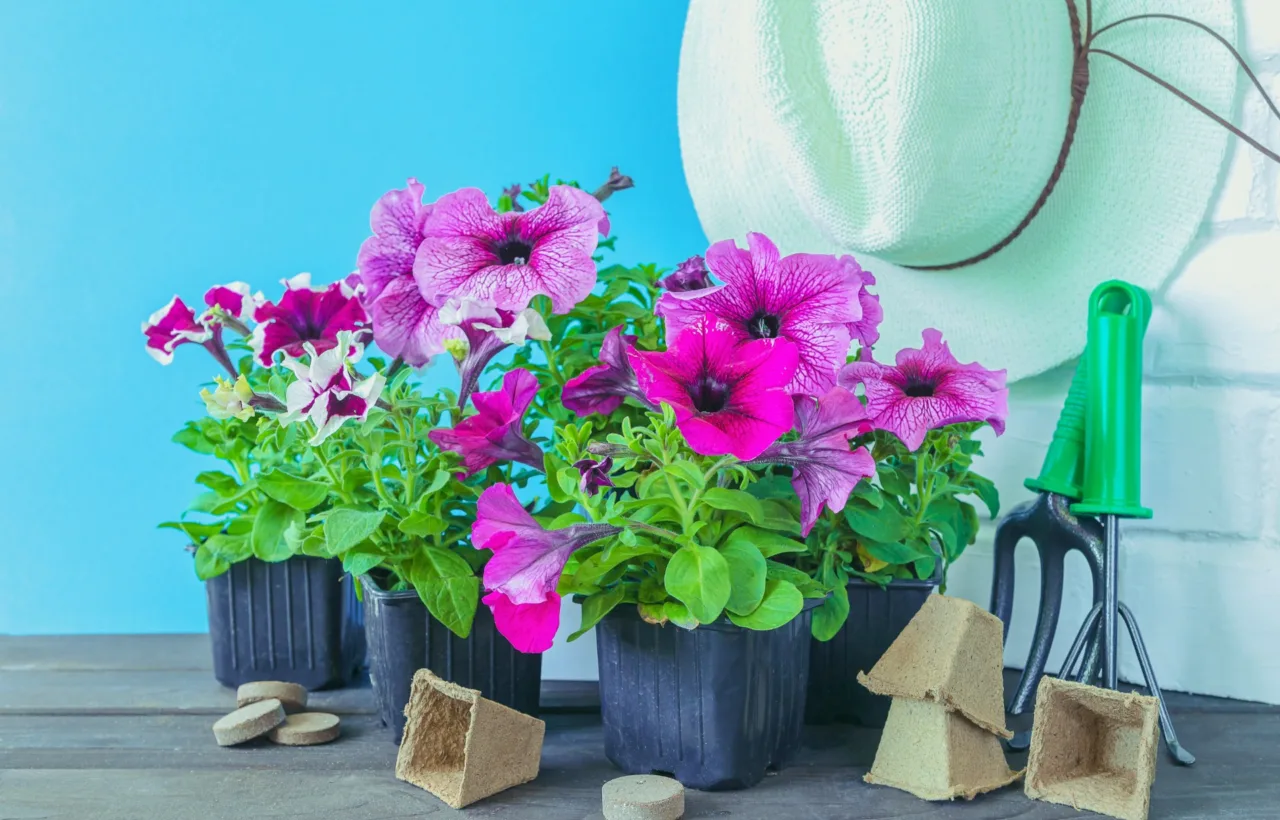
| Full sun, 6+ hours | Zonal geranium or dwarf ornamental grass | Salvia, marigold, or compact zinnia | Calibrachoa or trailing petunia |
| Hot, dry paving | Lavender or upright rosemary | Lantana or heat-tough coleus | Trailing verbena or portulaca |
| Shade or north wall | Dwarf hosta or upright fern | Coleus, begonia, or heuchera | Trailing fuchsia, ivy, or creeping Jenny |
| Kitchen-door pot | Upright rosemary | Basil and chives | Nasturtium or thyme |
| Pollinator grouping | Agastache or tall verbena | Coneflower or compact salvia | Trailing verbena |
A 12-inch pot usually holds three to four plants from 4-inch nursery pots: one thriller, one or two fillers, one or two spillers. A 16-inch pot can take five or six. Crowd them a little so the pot looks finished in two weeks, but leave a finger of space between root balls so they can grow.
Single-plant pots work too. A row of matching terracotta bowls, each with one thing such as lavender, white petunias, or alpine strawberries, looks intentional when you group them. Mixed pots look lush. Grouped simple pots look calm. Both read as a plan if the pot colors stay in the same family.
Plant the Pot in an Order That Keeps Roots Alive
Skip the gravel layer at the bottom. Water does not move easily from fine potting mix into a coarse layer of stones, so moisture can sit in the soil above the rocks. Washington State University Extension has been clear about this for years: drainage holes plus a good mix beat a rock layer. Cover the holes with a scrap of mesh or a coffee filter if you want to keep mix from washing out.
- Set the empty pot where it will live, then fill it with moistened potting mix to about two-thirds full.
- Place the thriller first, in the center if the pot will be seen from all sides, or toward the back if it sits against a wall.
- Add fillers around it, then tuck spillers near the rim so they face the view you care about.
- Fill in mix until it sits 1 to 2 inches below the rim. That lip keeps water from running over your feet.
- Water until it drains from the holes, then press gently to collapse air pockets and top up the mix.
Leave the pot in place after planting if you can. A freshly filled 16-inch container is heavy, and dragging it across pavers scuffs both the pot and the patio.
During the growing season, container flowers need more frequent watering than plants in the ground. Check the top inch of mix with a finger. If it is dry, water until runoff appears. In a heat wave, a small pot in full sun may need that check every morning, and sometimes again in late afternoon. Feed with a liquid fertilizer about every two weeks while plants are actively growing, following the label.
Ideas for Shade, Scorching Heat, and Tiny Patios
A shaded patio is not a lost cause. It is a different plant list. Impatiens, fibrous begonias, coleus, caladium, fuchsias, and dwarf hostas give you color without begging for six hours of blaze. Ferns and heuchera add texture when blooms are sparse. Keep the mix evenly moist, not soggy.
A shade combo that still looks like flowers
In a 14-inch pot against a north wall, plant one upright fern or a bold caladium in the back, two coleus or wax begonias in the middle, and one trailing fuchsia or creeping Jenny at the front. The foliage carries the pot on days when blooms pause. That matters in deep shade, where flowers are fewer.
Heat is the opposite problem. Paving reflects light and stores warmth, so roots cook even when the air feels only warm. Choose plants that already tolerate drought: lavender, rosemary, lantana, portulaca, zinnia, and many salvias. Use a larger pot, a lighter-colored container, and a thin layer of mulch on the mix to slow evaporation. Group pots so they shade one another’s sides.
On a tiny patio, go vertical before you add another floor pot. A ladder shelf, a railing planter, or two hanging baskets frees walking space. Keep floor pots near the edges so chairs still pull out. Light-colored pots bounce heat and make a small space feel less crowded than a cluster of dark urns.
Edible pots earn their footprint. Basil, chives, and rosemary by the kitchen door get used. Nasturtiums give you peppery leaves and flowers. Strawberries in a hanging pot keep fruit off the ground and away from some pests. Do not jam a slicing tomato into a 10-inch pot and hope. Cherry tomatoes want something closer to a 5-gallon container and a stake.
Mistakes That Make Patio Pots Look Tired by July
Mismatched roommates fail first. A fern and a succulent in one pot force you to drown one plant or parch the other. Read the tags for sun and water, then build the pot around the strictest need.
Underfeeding shows up as pale leaves and fewer blooms once the starter charge in the mix runs out. Overfeeding burns roots and makes floppy, sappy growth that pests love. Follow the fertilizer label and flush the pot with plain water once a month if you see a white crust on the surface.
Sitting the pot in a full saucer after watering keeps the drainage holes underwater. Empty the saucer once the pot has drained. Raise pots on feet if they sit on a solid patio so water can escape instead of pooling underneath.
Skipping a midsummer haircut is how petunias go leggy. Shear trailing petunias back by about a third if they get thin, then water and feed. They usually flush new growth. Deadhead geraniums, marigolds, and zinnias so the plant keeps making flowers instead of seed.
Frequently Asked Questions
How many plants should go in a patio flower pot?
A 12-inch pot usually takes three to four small plants: one tall, one or two mounding, and one trailing. A 16-inch pot can hold five or six. Start with that range, then adjust if a variety is labeled as vigorous. Super-sized petunias and sweet potato vines need extra elbow room.
Can I use garden soil in patio pots?
No. Garden soil packs down in a container, drains poorly, and can harbor weeds or disease. Use a potting mix sold for containers. It stays lighter, holds air around the roots, and wets more evenly after a dry spell.
How often should I water patio flower pots in summer?
Check daily in hot weather. Water when the top inch of mix feels dry, and keep watering until it runs from the holes. Small terracotta pots in full sun may need two checks on the hottest days. Larger plastic or glazed pots in part shade can go longer.
Will perennial flowers survive winter in patio pots?
Sometimes, and only if your climate and the pot size cooperate. Roots in containers freeze harder than roots in the ground. In cold-winter regions, move hardy perennials to a sheltered spot, cluster pots, or treat tender plants as annuals. Bring true tropicals indoors before frost.
What should I put in the bottom of a flower pot for drainage?
Drainage holes, not a layer of gravel. Fill the pot with potting mix from bottom to top. A scrap of mesh over the holes keeps mix from washing out without raising a wet zone in the root ball.
Which flowers last longest in full-sun patio pots?
Geraniums, calibrachoa, lantana, zinnias, and many salvias keep blooming through heat if you water deeply and feed on a schedule. Trailing petunias last if you cut them back when they stretch. Pair them with plants that want the same dry-to-moist cycle.
Build the Patio One Finished Pot at a Time
Buy one container large enough to matter, one bag of potting mix, and three plants that share the same sun and water needs. Plant it tonight, set it where you actually sit, and live with it for a week before you add the next one.
A patio does not need a dozen half-empty pots. It needs a few that look like someone meant them. Start with the pot you will walk past every morning, and let that one teach you the watering rhythm before you spend another weekend at the garden center.