
Useful backyard planting ideas start with the conditions you already have, not a mood board of overflowing cottage borders. Most yards mix hot afternoon sun, fence shade, compacted soil, and a burst of weekend energy that fades by July. Match plants to those limits first, and a small bed, a row of pots, or a fence trellis can look finished instead of abandoned.
If you want a result you can use this season, pick one sunny or partly sunny patch, start smaller than you think, and plant things that earn their keep quickly. Add longer-lived shrubs and perennials after you see where water, shade, and foot traffic actually go.
Read the Yard Before You Buy a Single Plant
A plant that looks gorgeous at the nursery can sulk in the wrong corner of your yard. Spend one afternoon watching the light before you spend money.
Full sun means six to eight hours of direct light. Tomatoes, peppers, cucumbers, most herbs, zinnias, and sunflowers need that kind of exposure to produce well. Partial sun or light shade is enough for lettuce, kale, spinach, and many foliage plants. Deep shade under a dense evergreen is a different problem. Treat it as a foliage garden, not a secret tomato plot.
Your USDA plant hardiness zone tells you which perennials and shrubs are likely to survive winter. The current map, updated in 2023, is based on average extreme minimum temperatures. It does not tell you when to set out warm-season crops. For that, use your local last spring frost date and wait until nights stay reliably mild.
Soil decides the rest. If rain sits in puddles or the ground feels like packed clay, annual flowers will not fix it by charm. Mix compost into garden beds. For a clearer picture of pH and nutrients, send a sample to your county extension office instead of guessing with a bag of lime.
Choose a Planting Method You Can Maintain
The method matters as much as the plant list. Pick the setup you can water and weed in a normal week, not the one that looks most impressive in a photo.
| Method | Use it when | Keep this in mind |
|---|---|---|
| In-ground bed | You can dig and the soil drains after rain | Loosen and enrich a wide area. Leave paths so you never step on roots. |
| Raised bed | Soil is poor, compacted, or hard to work | Keep the bed no wider than 4 feet so you can reach the center. |
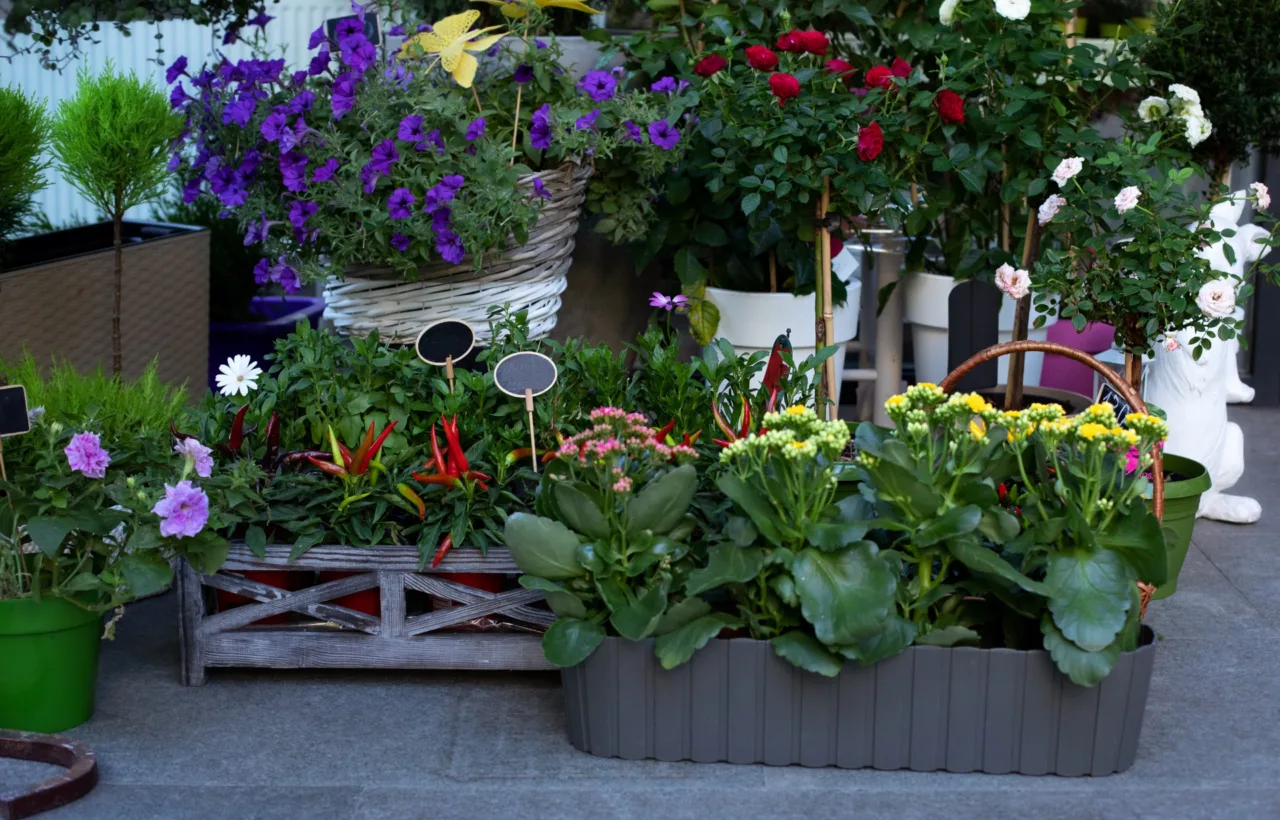
| Containers | You rent, have a patio, or need to move plants toward the sun | Pots dry out fast. They need drainage holes and a real potting mix, not yard dirt. |
| Vertical or fence planting | The yard is tiny or the only decent light hits a wall | Vines need sturdy support and consistent water at the base. |
A 4-by-4 or 4-by-8 raised bed is enough for a first food garden. A pair of large pots can hold herbs and a compact tomato. A fence can carry pole beans or a flowering vine without eating the lawn. Start with one of those. You can add a second bed next year when you know what you actually harvest.
Backyard Planting Ideas by What You Want From the Space
Pretty is fine. Pretty that matches the job is better. Decide what the patch should do, then plant for that outcome.
A small food patch that actually gets eaten
Grow what you already cook. In a sunny 4-by-8 bed, a practical first mix is lettuce and radishes along the front, bush beans in the middle, one zucchini with room to sprawl, and two caged tomatoes on the north side so they do not shade everything else.
Radishes and loose-leaf lettuce give you an early harvest. Beans and zucchini produce heavily once the soil is warm. Tomatoes and peppers belong in after frost danger has passed, and they need more space than the nursery pot suggests. Leave 18 to 24 inches around a tomato plant if you want air to move through the leaves.
Tuck basil or marigolds at the edges if you want herbs and a bit of color in the same footprint. Skip corn and sprawling melons until you have extra ground. They ask for space that a small backyard rarely has to spare.
A shady corner that still looks intentional
A north fence or the shadow of a house is not a failed garden. It is a different garden. Leafy crops such as lettuce, kale, spinach, and chard can handle a few hours of sun, especially morning light. Fruiting crops will not.
For a planted look that does not demand weekly deadheading, use layers. Put a small shrub or a hydrangea that tolerates part shade toward the back. Fill the middle with hostas, coral bells, or ferns. Edge with a groundcover or a low, shade-tolerant annual such as impatiens or begonia.
Keep the soil a little richer and a little more consistently moist than you would in full sun. Tree roots already compete for water. A 2-inch layer of mulch helps, as long as it stays off plant crowns.
A low-fuss border for color and pollinators
If you want the yard to look cared for without a second job’s worth of maintenance, plant in clumps, not singles. Three or five of the same perennial reads as a design. One of each reads as a leftover sale table.
In full sun and average soil, coneflower, black-eyed Susan, coreopsis, yarrow, and catmint carry color for a long stretch and feed bees and butterflies. Add an ornamental grass for winter structure. In hotter, drier ground, lean toward plants that shrug off missed waterings once they are established, then water deeply while they settle in.
Native plants suited to your region usually ask for less fuss than a plant chosen only because it looked good in a catalog. Check the tag for mature height. A plant labeled “18 inches” at the store may be 3 feet wide by year three.
Plant So New Roots Can Settle
Good planting is quieter than good shopping, and it saves more plants.
- Water the pot before you slide the plant out. Dry root balls shed water like a brick.
- Dig a hole as deep as the root ball and wider than it is. For trees and shrubs, make the hole at least twice as wide and do not plant deeper than the plant sat in the pot. University of Georgia Extension also advises loosening circling roots so they grow outward.
- Backfill with the soil you dug out. For flower and vegetable beds, mix in compost across the whole bed. For individual trees and shrubs, skip the rich pocket of potting mix in the hole. Roots need to move into native soil.
- Water slowly until the area is soaked, then mulch 2 to 3 inches deep. Leave a small gap around stems and trunks.
After planting, water deeply a few times a week when rain is scarce, not with a daily sprinkle that wets only the surface. Shallow watering trains roots to stay near the top, which is the first place summer heat dries out.
First-Season Mistakes That Cost You Plants
Most disappointing yards fail for ordinary reasons.
Planting too much is the classic one. A packed 10-by-20 plot looks ambitious in April and exhausting in June. One well-tended bed beats three weedy ones.
Ignoring mature size is a close second. Crowded tomatoes trap moisture and invite leaf disease. A cute shrub against the house becomes a pruning problem when it reaches the window.
Watering on a calendar instead of checking the soil is next. Stick a finger an inch down. If it is moist, wait. If it is dry, water at the base until the root zone is wet.
Timing still catches people. Cool-season crops such as peas, spinach, and lettuce belong in early spring and again in fall. Warm-season crops wait for warm soil. A tomato planted into cold ground does not get a head start. It sits there.
Skip the daily tour of every new trend and walk the yard twice a week instead. Look under leaves. Harvest greens before they bolt. Pull weeds while they are small. That habit does more than another decorative pot.
Frequently Asked Questions
How much sun do backyard planting ideas really need?
It depends on the plant. Fruiting vegetables and most flowering annuals want six to eight hours of direct sun. Leafy greens and many shade perennials can work with three to five hours, especially if some of that light comes in the morning. If a spot gets less than three hours, plant for foliage and texture rather than tomatoes or big blooms.
What can I plant in a shady backyard?
Think greens and structure. Lettuce, kale, spinach, and chard are the edible options that tolerate light shade. Hostas, ferns, coral bells, astilbe, and shade-tolerant groundcovers handle the rest. Shade-tolerant vegetables still need some direct light. A dark, dry patch under a large evergreen is a poor place for food crops.
When should I plant vegetables in the backyard?
Plant cool-season crops as soon as the soil can be worked in spring, and again in late summer for a fall harvest. Plant warm-season crops after your last frost date, when nights stay consistently mild. Your frost date is an average, not a promise, so keep a cover handy for a late cold snap.
Can containers replace a garden bed?
Yes, if you choose the pot size for the plant. Lettuce and herbs are happy in a 12-inch container. A tomato or pepper needs a much larger pot and regular feeding because nutrients wash out with watering. Use potting mix, not soil from the yard, and never let a pot sit in a saucer of stale water.
What should a beginner plant first?
Start with a short list you will eat or look at often: loose-leaf lettuce, radishes, bush beans, and one easy flower such as zinnias or marigolds. Add a tomato only if you have full sun and a cage ready. Beginner vegetable guidance keeps coming back to the same advice for a reason. Fast crops teach you watering and timing before the ambitious plants arrive.
Do I need raised beds for a backyard garden?
No. Raised beds help when soil is compacted, poorly drained, or full of roots. They also make tending easier. In-ground planting works when you can improve the existing soil and the site drains. Containers work when you cannot dig at all. Choose the method that solves your soil problem, not the one that looks most finished on day one.
Plant One Patch You Can Finish This Weekend
Do not redesign the whole yard because one Pin made the fence look bare. Mark a single rectangle you can reach from both sides, or line up three large pots where you already walk with the hose.
Put the tallest plants where they will not steal light from everything else. Leave space that looks empty on planting day. That empty space is tomorrow’s healthy plant.
A backyard gets better when you treat it like a small, repeatable project. Finish one patch well, learn what the light and water actually do, and let next season’s planting ideas grow from that, not from a cart full of hopeful extras.