
I started with a bare concrete slab and zero confidence. My first attempt at a balcony garden failed hard. Plants dried out, pots tipped in the wind, and I nearly gave up. Then I figured out what works for real terraces and small balconies. These 13 balcony garden ideas for terraces saved me from another season of dead leaves and empty pots. You get practical moves that fit tight footprints, respect weight limits, and still look good enough to sit outside with a coffee.
I live in a place where outdoor space means a narrow terrace. Sun shifts fast. Wind hits hard. Water comes from the kitchen sink. I learned by doing it wrong first. Now I keep things simple and vertical whenever I can.
Why Most Balcony Setups Fall Flat
People buy big ceramic pots and call it done. The weight stacks up. Drainage fails. Soil bakes in the afternoon heat. I made every one of those mistakes.
See, the real issue is not space. It is how you use the edges, the railings, and the walls. Floor space stays free for a chair. Everything else climbs or hangs.
I check building rules first. Weight limits matter. So do rules about what you can attach to railings. Once I had those clear, the rest got easier.
13 Balcony Garden Ideas for Terraces That Work
Here is the list I actually use. Some ideas cost almost nothing. Others take a Saturday afternoon. All of them stay light enough for most apartments.
Before choosing containers, verify your terrace’s load limits and building rules, especially for wet soil, ceramic pots, and concentrated planters.
1. Railing Planters That Clip On
I hang simple plastic railing planters along the top rail. They hold herbs or trailing flowers. No tools needed for most models. Water drains straight down, so I put a tray or mat underneath if the balcony below is close.
These free the floor completely. I grow basil, thyme, and nasturtiums this way. The plants sit at eye level when I stand outside. Easy to water and even easier to harvest.
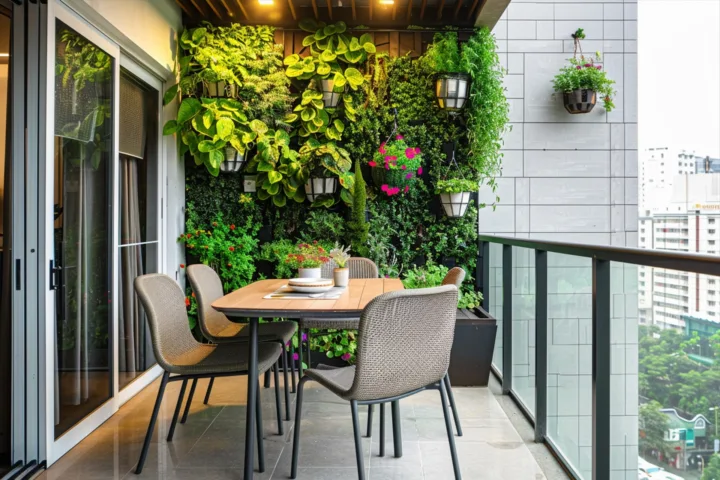
2. Vertical Wall Planters
I mounted a few fabric pocket planters on the wall that gets the most light. Each pocket holds one plant. Soil stays light. Roots stay contained.
Honestly? This one changed the whole look. Suddenly the blank wall became a living panel. I plant lettuce, strawberries, and small herbs. They grow out, not up too tall, so they never block the view.
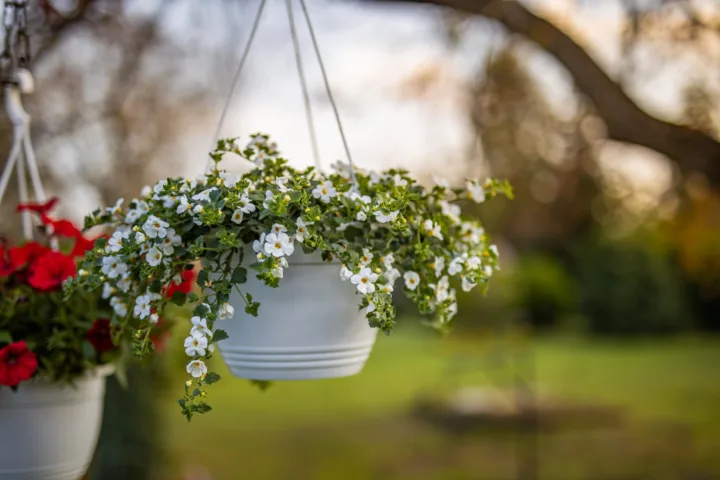
3. Hanging Baskets from the Ceiling or Overhead Beams
If your terrace has a roof or beams, hang baskets. I use coconut-lined ones for better airflow. Trailing petunias or sweet potato vines spill over the edges.
One basket near the door gives instant color when I step outside. I water them with a long-spout can so I do not drip on everything below.
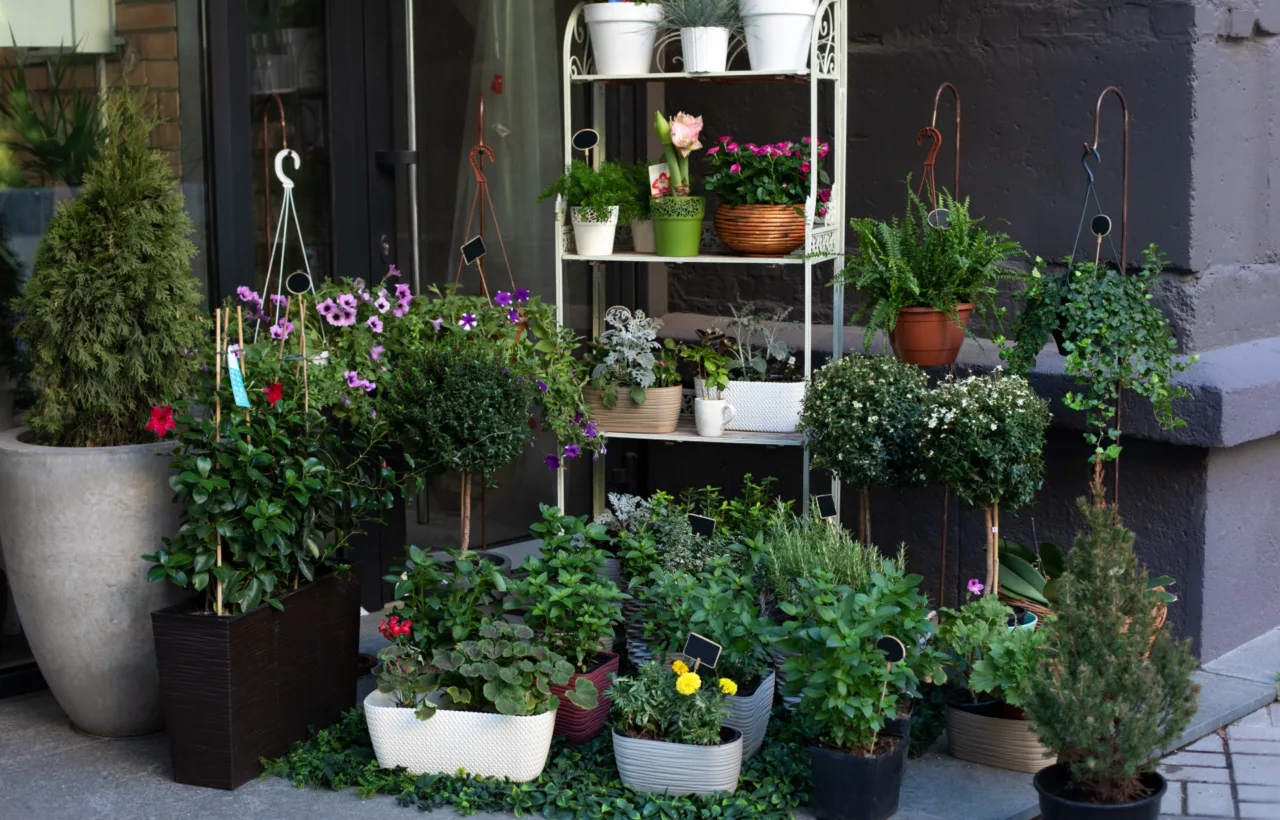
4. Tiered Plant Stands
A simple metal or wood tiered stand holds three or four pots in the same footprint as one. I keep the heaviest pot on the bottom shelf. Lighter ones go up top.
This works great for a mix of heights. Short herbs on the middle level. A taller pepper plant on top. Everything stays reachable.
5. Grow Bags for Heavier Crops
Fabric grow bags weigh almost nothing empty. Fill them with potting mix and they still stay lighter than ceramic. I grow tomatoes and bush beans in 5-gallon bags.
They fold flat in winter. Handles make them easy to move when a storm is coming. Drainage is built in. No saucers needed if you place them carefully.
6. Trellis Against the Wall for Climbers
I lean a lightweight trellis against the solid wall. Cucumbers, peas, or morning glories climb it. The plants use vertical space and create a soft green screen at the same time.
Attach the trellis so wind cannot tip it. I use soft ties, never wire that cuts into stems. Once the vines fill in, the terrace feels more private without adding solid panels.
7. Succulent and Cactus Trays for Hot Spots
Some corners of my terrace bake all day. Regular plants wilt. Succulents thrive. I fill shallow trays with a mix of echeveria, sedum, and a few small agaves.
They need almost no water after the first month. The trays look intentional instead of random. I group them near the railing so they catch the most light.
8. Herb Cluster in One Large Container
I plant several herbs together in a single wide pot. Basil in the center. Oregano and thyme around the edges. Chives fill any gaps.
One pot means one watering job. The plants share space without fighting too much if you keep them trimmed. Fresh herbs right outside the kitchen door make cooking better.
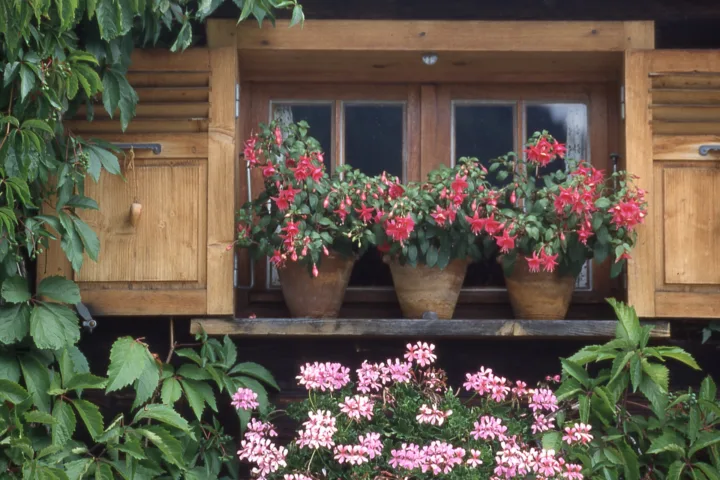
9. Window Boxes on the Railing Edge
Standard window boxes sit on brackets that clamp to the railing. I choose ones with built-in reservoirs when I can. They hold more soil than narrow railing planters.
Flowers cascade over the outside. Herbs stay on the inside where I can reach them. The whole setup looks finished from both sides.
10. Dwarf Citrus or Small Shrubs in Lightweight Pots
A dwarf lemon or calamondin stays manageable in a 12-inch pot. I use a plastic or fiberglass container so the weight stays reasonable. The plant becomes a focal point.
It needs good sun and regular feeding. In colder months I move it closer to the wall or bring it inside if frost hits. The scent of the leaves alone is worth the effort.
11. Self-Watering Containers for Busy Weeks
I keep two or three self-watering pots for the plants I forget most often. The reservoir holds water for several days. Roots take what they need.
These shine in summer when I travel or just get lazy. I still check them, but the safety net stops total disasters.
12. Pallet or Shelf Vertical Garden
An old wooden pallet stood on end becomes a vertical planter. I staple landscape fabric to the back, fill the gaps with soil, and plant through the slats.
It leans against the wall and holds a surprising number of small plants. Cost is near zero if you find a free pallet. Just sand the rough edges first so nothing splinters.
13. Privacy Screen with Climbing Plants
I added a simple freestanding screen made of bamboo or lattice. Vines grow up it. The screen blocks the neighbor’s view without blocking all the light.
It also cuts the wind a bit. Plants on the leeward side stay happier. The whole piece moves if I ever need to rearrange.
How I Water Without Losing My Mind
No outdoor faucet means I haul water. I keep a collapsible watering can under the sink. One trip fills it. I water early in the morning so less evaporates.
Saucers catch overflow. Self-watering pots cut the frequency. On hot windy days I water twice. Everything else waits.
Containers and Soil That Actually Last
Heavy terracotta looks nice until you try to move it. I stick with plastic, resin, or fabric. They drain well and stay light.
I always use potting mix made for containers. Garden soil packs down and holds too much water. A little slow-release fertilizer at planting time keeps most things fed for weeks.
Plants That Forgive My Schedule
Herbs top my list. Most need little space and bounce back from missed waterings. Cherry tomatoes in grow bags produce more than I expect. Lettuce and spinach do fine in partial shade.
Trailing flowers give color without much work. I avoid anything that demands perfect conditions. My terrace is not a greenhouse.
Common Mistakes I Still Catch Myself Making
I sometimes crowd pots too close. Air stops moving and fungus shows up. I leave a little space between containers now.
I also forget wind. Tall plants need staking or a sheltered spot. One strong gust taught me that lesson the hard way.
Frequently Asked Questions
How many of these 13 balcony garden ideas for terraces can I try at once? Start with three or four. Railing planters, one hanging basket, and a tiered stand give you quick wins without overcrowding. Add more once you see how much time and water the first group needs.
What if my terrace gets almost no direct sun? Focus on shade-tolerant plants. Ferns, hostas in pots, and certain herbs like mint or parsley still grow. Vertical planters on the brightest wall help squeeze out every bit of light.
Do I need special permission from the building? Usually yes. Check weight limits and rules about hanging items. Most managers allow railing planters and free-standing pots as long as nothing damages the structure or drips on neighbors.
How often should I fertilize container plants on a balcony? Every four to six weeks during the growing season works for most mixes. Liquid fertilizer diluted in the watering can is simplest. Skip it in winter when growth slows.
Can I grow real vegetables or just herbs and flowers? You can grow both. Bush tomatoes, peppers, beans, and salad greens all do well in the right size containers. Just match the pot size to the plant’s mature root system.
I still walk out every morning and check the plants. Some days everything looks perfect. Other days a few leaves droop and I water them. The point is not perfection. The point is having a small green spot that feels like mine.
These ideas turned my bare terrace into the place I actually want to sit. Pick one or two that fit your space and light. Start there. The rest will follow once you see what works.