
I spent two whole summers staring at a bare concrete slab and calling it a balcony. Then I finally tried some real 13 balcony garden ideas and the whole place changed. My plants now give me fresh herbs, a bit of privacy, and a reason to step outside after work. I am not a professional grower. I just got tired of the empty space and started experimenting with what actually survives up here.
Honestly? Most lists I read felt too perfect. Mine came from trial, error, and more than a few dead basil plants.
Why I Needed These Ideas in the First Place
My balcony measures about six by eight feet. Wind hits it hard. Sun shifts through the day. Weight limits exist because I rent. I needed setups that did not eat the whole floor or require a permanent install.
I started small. One railing box. One hanging basket. Then I kept adding. The results surprised me. Some ideas worked better than others. A few failed fast. The ones that stuck became my regular rotation.
You get the same constraints I do. Limited square footage. Landlord rules. Fast-drying soil. These 13 balcony garden ideas address exactly that.
Railing Planters That Steal Zero Floor Space
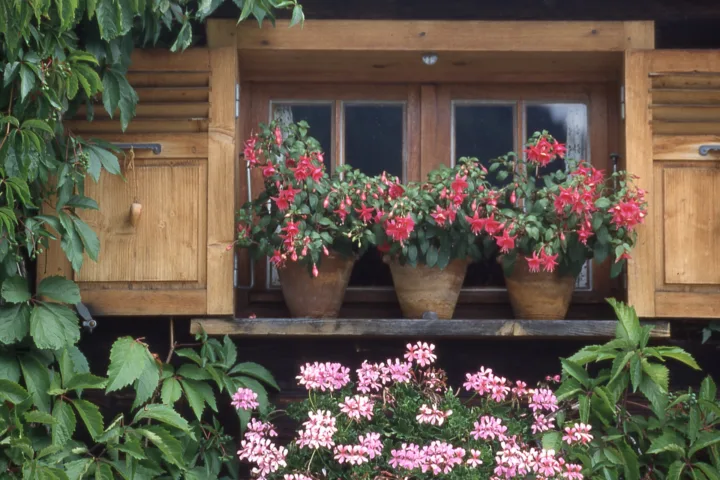
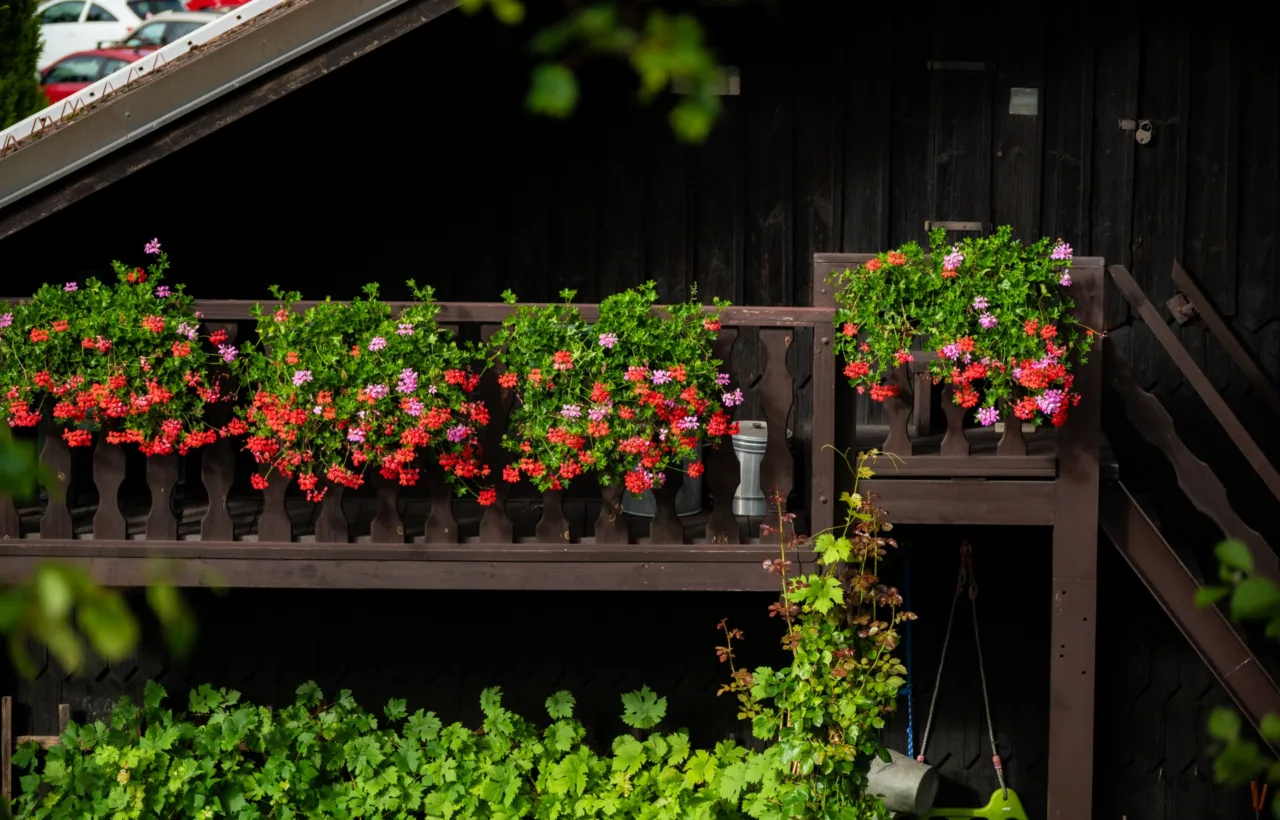
I clamp these on first every spring. They sit right on the railing and leave the floor clear for a chair.
I choose boxes with solid brackets that lock tight. Wind tests everything up here. Shallow ones dry out fast, so I water them before anything else.
Best plants for me:
- Compact marigolds for constant color
- Loose-leaf lettuce I snip every few days
- Trailing nasturtiums that spill over the edge and taste good in salads
They give instant green without clutter. I fill three of them along the front rail and the balcony already feels different.
Check your building rules before clamping planters on the rail, and use saucers or liners to prevent runoff staining the balcony below.
Vertical Wall Gardens That Use the One Surface I Have Plenty Of
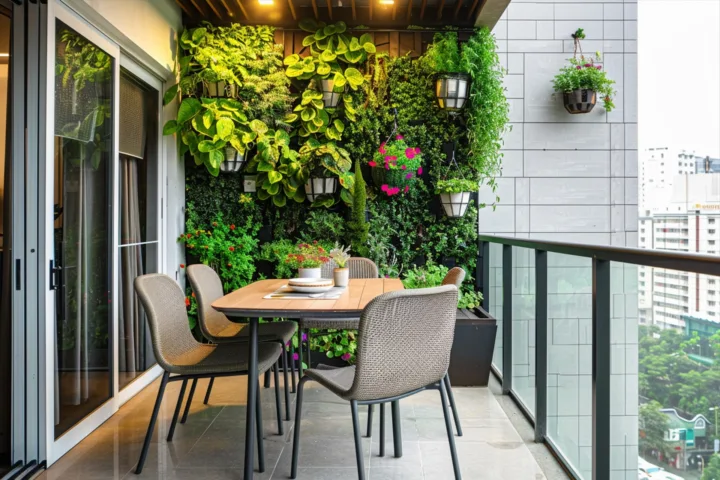
Floor space runs out quick. Walls do not. I hung a simple pocket planter system on the side wall facing the most light.
Lightweight potting mix matters here. Regular garden soil turns into concrete and weighs too much. I plant thirstier greens lower so they catch the drip. Herbs go higher.
Arugula grew fastest for me. Baby leaves in about three weeks. Strawberries and thyme also handled the shallow pockets well. I water more often than floor pots because the soil volume stays small.
This setup turned a blank wall into the busiest part of the garden.
Hanging Baskets for the Layer Most People Ignore
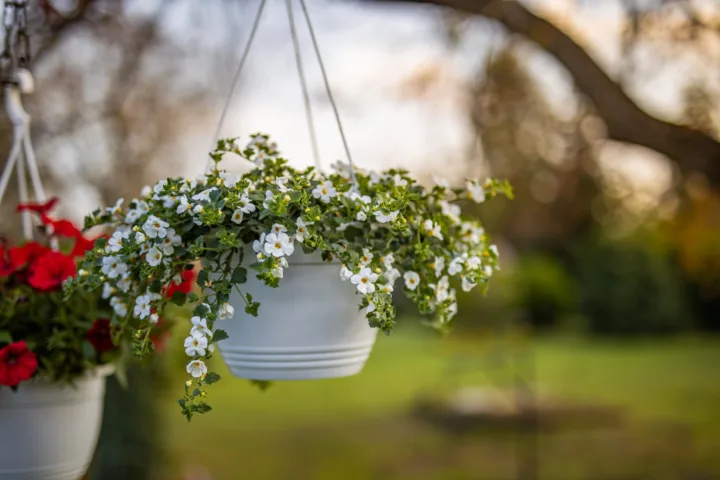
Ceiling space sits empty on most balconies. I added two sturdy hooks rated for the weight. A watered twelve-inch basket hits fifteen to twenty-five pounds, so I check the hardware twice.
Trailing cherry tomatoes did well one year. Cascading petunias gave color all summer. Oregano and trailing rosemary released scent every time I brushed past.
I line the coco-fiber baskets with a punched plastic liner. Without it they dry out daily in the wind. I rotate them a quarter turn each week so they grow even.
Overhead plants make the whole space feel taller and fuller.
A Simple Container Herb Garden Right by the Door
This one pays rent every single week. Five or six pots of herbs sit next to the balcony door. I grab what I need while cooking.
Pot size matters. Most herbs stay happy in six- to eight-inch pots. Basil produces more in a ten-inch one. I group by water needs. Rosemary, thyme, oregano, and sage share a wide bowl because they like to dry out. Basil, cilantro, and parsley stay separate and get steadier moisture.
Mint always gets its own pot. It spreads like crazy. I harvest hard. Pinching basil above a leaf pair forces it to branch and keeps it from bolting.
Supermarket herbs never taste this good. Mine cost almost nothing after the first season.
Compact Vegetable Pots That Actually Produce Food
I doubted this one until I tried it. Fruiting crops need volume. I use five-gallon pots at least twelve inches deep.
My current lineup:
- One cherry tomato staked early
- One jalapeño that loves the reflected heat from the concrete
- Two shallower pots for continuous salad greens
I water deeply when the top inch feels dry. In peak summer that means every day. I feed every week or two because constant watering washes nutrients out.
The harvest stays modest but real. A handful of tomatoes and peppers every few days beats nothing. Leafy greens keep coming if I sow every two weeks.
Privacy Screens Grown from Vines
Neighbors sit close. I wanted a living screen instead of a fabric panel. Morning glories solved it.
I nick the hard seed coat, soak overnight, and sow after the last frost. They climb a simple trellis or vertical strings attached to the railing. By midsummer they form a green wall that flowers until frost.
Zinnias in a long deep box work too. They reach three to four feet and give cut flowers. I anchor everything against wind. One storm is enough to test the setup.
The screen feels softer than any store-bought option and changes with the season.
Tiered Plant Stands for Height and Order
A jumble of pots on the floor looks messy. A ladder-style tiered stand shows every plant. I put sun lovers on top and shade-tolerant ones below.
Odd numbers of matching pots read as intentional. I repeated terracotta one year and white ceramic the next. Height variation matters more than perfect plant matching. One tall element, several mid-height, and something trailing gives the eye a path.
I leave at least a third of the floor clear for a chair. A garden you cannot sit in becomes another chore.
Succulent Collections That Forgive Neglect
Some weeks I travel or just forget. Succulents handle that better than anything else I grow.
I group them in shallow wide bowls with excellent drainage. They need less water and still look sculptural. A few trailing varieties spill over the edges nicely.
They sit in the brightest corner and ask almost nothing. When everything else looks tired in late summer, the succulents still hold their shape.
Mixed Edible and Ornamental Containers
I got bored with pure food or pure flowers. Now I mix them.
A pot of basil underplanted with trailing lobelia looks good and stays useful. Marigolds next to peppers help with pests and add color. Nasturtiums climb through tomato cages and the flowers go straight into salads.
The combination keeps the balcony interesting from every angle. Guests always ask about the edible flowers.
Trellis Climbers for Vertical Drama
Besides the privacy vines, I run a couple of smaller trellises against the wall. Cucumbers and pole beans work if the sun allows. Scarlet runner beans give flowers and food.
I choose freestanding or lean-to styles that do not require drilling. Weight stays manageable and I can move them if the light changes.
Climbing plants pull the eye upward and make the space feel larger than it is.
Baker’s Rack or Shelf Gardens
An old baker’s rack became my best multi-level unit. It holds six to eight pots without eating floor space. I place it against the wall so it stays stable in wind.
Top shelves get the sun lovers. Lower shelves handle shade plants or seedlings I harden off. The open design lets air move, which helps prevent disease.
I found mine secondhand. New ones work fine too. It organizes the collection and keeps pots off the concrete.
Self-Watering Containers for Busy Weeks
I travel sometimes. Regular pots dry out fast up here. Self-watering containers with a reservoir changed that.
I still check them, but the buffer saves plants during hot spells or short trips. Herbs and leafy greens respond especially well. The reservoirs cut my daily watering in peak summer from twice a day to once or less.
They cost more upfront. They pay for themselves in saved plants and time.
Seasonal Rotation So the Balcony Never Looks Empty
Containers warm faster in spring and cool slower in fall than ground beds. I use that.
Early spring brings lettuce, spinach, and pansies. After the last frost I swap in tomatoes, peppers, basil, and zinnias. Late August I sow cool greens again and refresh the soil.
Between swaps I dump any diseased soil and top up the rest. The same pots work three seasons if I treat the mix right.
This keeps the balcony productive longer than a single planting ever did.
How I Actually Put These Together Without Overwhelm
I never install all thirteen at once. That would look chaotic and weigh too much.
I start with railing planters and one herb group. Then I add hanging baskets. Vertical elements come next if the floor still feels open. Privacy vines go in once the structure exists.
Weight stays near the building wall. Lightweight mix replaces heavy garden soil. I map the sun once and plant accordingly. North-facing corners get greens and ferns. Full-sun spots get the fruiting crops.
Watering becomes the daily habit. Wind and heat dry things faster than ground gardens. I check soil with a finger, not a schedule.
Frequently Asked Questions
What are the best of the 13 balcony garden ideas for complete beginners? Railing planters and a small herb collection. They need the least setup and give the fastest visible results. Start there and expand only after the first season.
How much sun do most balcony garden ideas need? It depends on the plants. Fruiting crops want six to eight hours. Herbs and leafy greens handle four to six. I map the light on a clear day before buying anything.
Can I do these 13 balcony garden ideas if I rent? Yes. Almost everything I use is freestanding or clamps on without permanent changes. I always check the lease for weight and railing rules first.
How do I keep the soil from drying out so fast? Bigger containers help. Self-watering styles help more. Grouping pots creates a little humidity. Mulch the top with a thin layer of fine bark or coco coir. Water deeply rather than often.
Do I need special soil for balcony containers? Regular garden soil compacts and weighs too much. I use a lightweight potting mix with extra perlite for drainage. It makes a real difference in both plant health and total weight.
I still lose the occasional plant. Wind snaps a stem. Heat cooks a young seedling. That is part of it. The successes outnumber the failures now.
My balcony no longer feels like leftover space. It feels like a small garden that happens to sit six floors up. The herbs go into dinner. The flowers make me stop and look. The privacy vines let me sit outside without feeling on display.
Pick one idea that matches your light and your energy. Get it through a full season. Then add the next. The concrete stays the same size. What you can grow on it does not.