
I used to stare at my bare apartment balcony and feel stuck. That narrow strip of concrete looked useless. Then I started testing 11 small balcony garden ideas apartments can handle without drama. Now my space feels alive. Fresh herbs sit within reach. Flowers spill over the railing. I step outside and the city noise fades a little.
Honestly? The first attempt was a mess. I bought too many heavy pots and nearly gave myself a hernia hauling them up three flights. Lesson learned fast. Lightweight setups win every time.
See, the goal is not a magazine spread. It is a space you actually use. A place where you can grab basil for dinner or just sit with a coffee and feel less boxed in. These ideas come from my own trial and error on a tiny rental balcony that gets mixed sun and a fair bit of wind.
Why Small Balcony Gardens Matter More Than You Think
Apartment living steals outdoor time. I felt that loss hard. Growing even a few plants changed how I spent evenings. I watered. I harvested. I noticed birds more often.
The real win sits in the details. Vertical space becomes your best friend. Floor space stays free for a chair. Weight stays low so the building does not complain. Plants that match your light and your schedule survive longer.
I keep the approach simple. Start with one or two ideas. Expand only when those feel solid.
11 Small Balcony Garden Ideas for Apartments Worth Trying
Here is the list that worked for me. Each one fits a rental-friendly setup. No permanent drilling if you choose the right hardware. No backyard required.
Balcony wind can dry containers faster than ground beds, so sheltered corners often outperform exposed railings with identical sunlight.
1. Railing Planters That Steal Zero Floor Space
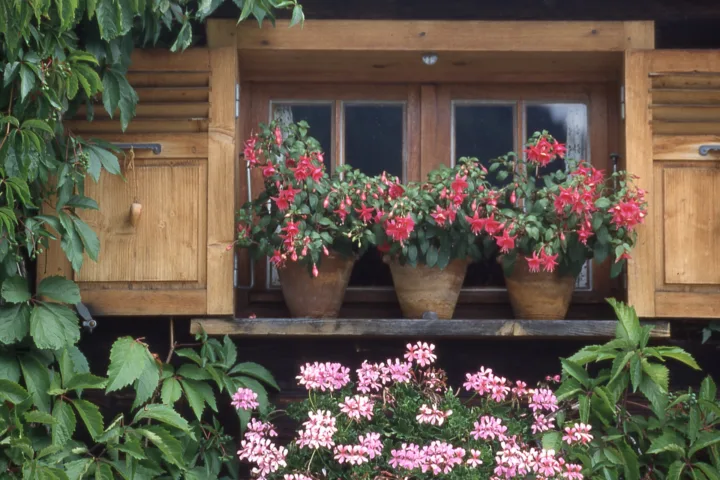
I clipped simple metal railing planters along the entire edge. They hold soil without tipping. I filled them with trailing petunias and a few strawberry plants. The color shows from the street. The fruit tastes better than store versions.
Key point: Choose planters with secure clamps. Test the fit before filling them. Water drains outward so the floor stays cleaner.
My balcony felt wider once the railings carried the greenery. Floor space stayed open for walking.
2. Vertical Wall Planters for Herbs
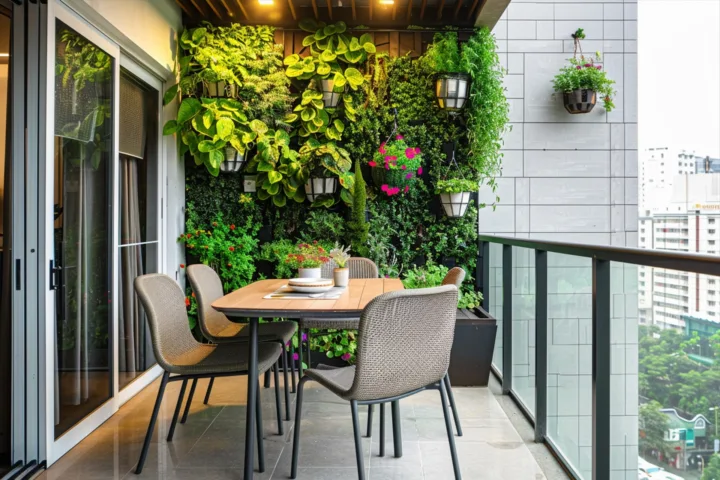
I hung a fabric pocket planter against the wall. No screws needed. Tension rods held it steady. Basil, thyme, and chives lived there. I snipped what I needed while cooking.
Honestly? Mint tried to take over. I moved it to its own pot the next week. Isolation keeps aggressive growers in check.
This setup uses the wall instead of the floor. Perfect when square footage is tight.
3. Lightweight Container Clusters
I switched from ceramic to plastic and fabric grow bags. They weigh almost nothing when empty. I grouped three or four together on a small plant stand. Cherry tomatoes went in the largest bag. Peppers and lettuce filled the rest.
Self-watering versions cut my trips to the kitchen sink. I filled the reservoirs once every few days instead of daily.
The cluster looks intentional. Random single pots always looked messy on my narrow space.
4. Hanging Baskets Overhead
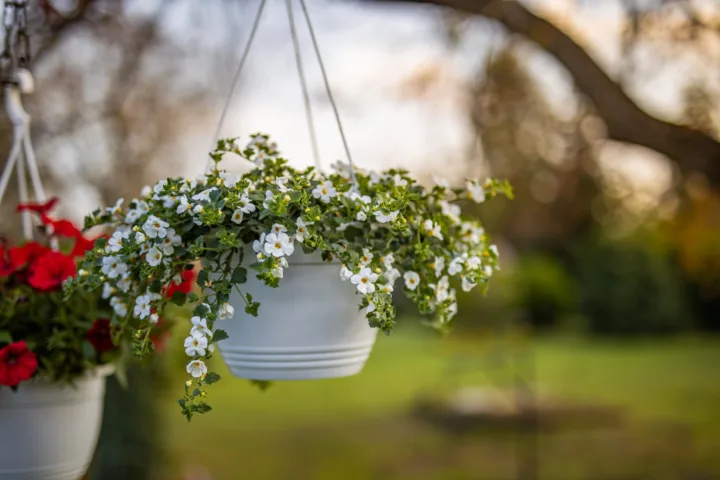
I added two sturdy hooks to the ceiling beam. Hanging baskets filled with ferns and cascading ivy hung there. They create a soft canopy without blocking light completely.
Wind used to knock things over. The hanging style keeps plants safer. I still check the hooks every month for wear.
This idea adds height. Your eye travels up instead of stopping at the railing.
5. Tiered Plant Stands for Layers
I found a narrow metal stand with three levels. It fits against the wall. Top shelf holds sun lovers. Bottom shelf gets the shade plants. Succulents sit in the middle.
I rotate the stand a quarter turn each week so every side gets light. Simple habit. Big difference in growth.
The stand keeps everything organized. No more tripping over pots.
6. Compact Herb and Veggie Mix in One Zone
I dedicated one corner to edibles only. A deep grow bag for bush beans. Smaller pots for parsley and rosemary. Everything stays within arm’s reach of the kitchen door.
Fresh herbs taste sharper than dried ones. I notice the difference in every meal. Radishes grow fast enough to keep me motivated.
This zone feeds me. The rest of the balcony can stay pretty.
7. Privacy Screen Made from Climbers
I set a freestanding lattice against the open side. Two trough planters held jasmine and a couple of climbing beans. The vines filled in over one season. Neighbors stopped staring straight in.
The screen also softens wind. Plants behind it dry out slower. I water less often.
Privacy without walls feels better than expected.
8. Foldable Seating with Plant Borders
I keep a small bistro set that folds flat against the wall when I need floor space. Pots frame the chairs on three sides. The plants create a green nook.
I sit there most mornings. Coffee tastes better with leaves nearby. The setup takes five minutes to open or close.
Furniture that disappears when not needed keeps the balcony flexible.
9. Succulent and Drought-Tolerant Corner
I reserved one sunny spot for plants that forgive missed waterings. A few echeveria, a small aloe, and lavender share a wide shallow tray. They look sculptural. They survive my weekend trips.
Honestly? This corner saved the whole garden during a busy month. Everything else needed daily care. These did not.
Low-maintenance plants give you breathing room.
10. String Lights and Soft Lighting Layers
I wrapped warm white lights around the railing and through the hanging baskets. Solar versions need no outlet. They turn on at dusk.
The glow makes the plants look intentional after dark. I stay outside longer. The space feels like an extra room instead of an afterthought.
Lighting changes the mood more than any new plant.
11. Portable Plant Caddies on Wheels
I put the heaviest containers on rolling stands. I move them when the sun shifts or when wind picks up. Cleaning under them becomes easy.
One rainy week I rolled everything against the wall for protection. No lifting required. That flexibility keeps plants alive longer.
Wheels turn a fixed layout into something you can adjust in minutes.
Practical Tips I Wish I Knew Earlier
Start with the light. Track how many hours of direct sun your balcony gets. South-facing spots support tomatoes and most herbs. North-facing ones prefer ferns and leafy greens.
Weight matters. Wet soil gets heavy fast. Stick to plastic, fabric, or fiberglass containers. Check building rules before you load the railing.
Watering takes more effort than ground gardens. Containers dry out faster. Self-watering pots and a collapsible watering can help. I keep one filled and ready so I never skip a day out of laziness.
Soil choice counts. Regular garden dirt packs too tight. Use potting mix made for containers. It drains better and stays lighter.
I failed twice before these habits stuck. Overwatering killed my first basil. Underwatering stressed the tomatoes. Now I check soil with a finger every morning. Simple test. Reliable results.
Use drainage holes and saucers, then empty standing water promptly to protect balcony surfaces and prevent waterlogged roots.
How I Keep the Garden Going Through Seasons
Summer needs more water and occasional shade cloth on the hottest days. Fall is for pulling spent annuals and adding cool-weather greens like kale. Winter means bringing the most tender pots inside or wrapping them.
I treat the balcony like a rotating experiment. Some plants stay year-round. Others come and go. That keeps the space interesting without locking me into one look.
The biggest shift happened when I stopped chasing perfection. A few yellow leaves no longer send me into panic. Plants bounce back more often than I expect.
Frequently Asked Questions
What are the best plants for 11 small balcony garden ideas apartments beginners should try first? Start with herbs like basil, mint, and chives plus easy veggies such as cherry tomatoes and lettuce. They grow fast and give quick rewards.
How much weight can a typical apartment balcony hold for a garden? Most buildings handle moderate container setups if you use lightweight pots. Always ask management and avoid large ceramic pieces filled with wet soil.
Do I need special soil for a small balcony garden? Yes. Regular dirt stays too dense. A quality potting mix made for containers drains well and stays lighter, which protects both plants and the balcony structure.
Can I grow food successfully on a tiny apartment balcony? Absolutely. Focus on determinate tomatoes, bush beans, peppers, and leafy greens in deep enough containers. Harvest stays small but the flavor makes it worth the effort.
How often should I water a balcony garden? Check daily in hot or windy weather. Many containers need water every one to two days. Self-watering pots stretch that schedule and reduce the daily chore.
I still walk out each morning and feel a small lift. The plants do not erase city life. They soften it. That matters more than I expected when I first started.
Pick one idea from the list and try it this weekend. Move a single planter. Hang one basket. See how it feels. The rest grows from there. Your balcony already waits. Give it something green to hold.